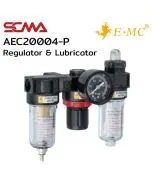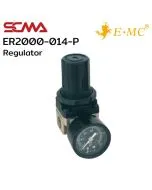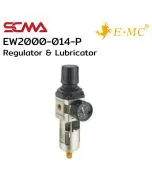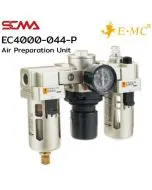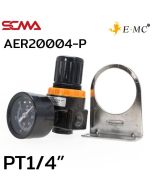
Air Filter Regulator functions to supply clean air and maintain a constant pressure, preventing damage from improperly functioning cylinders that cause Downtime in the pneumatic system. On-site engineers must use an Air Filter Set alongside Cylinder Sensors for maximum precision control. If your machinery is experiencing issues and requires a new air regulator or air pressure regulator, SCMA offers an online ordering system with fast delivery, allowing you to receive the correct regulator and replace it on-site immediately.
What is an Air Preparation Unit? A Control Mechanism for Pneumatic Systems
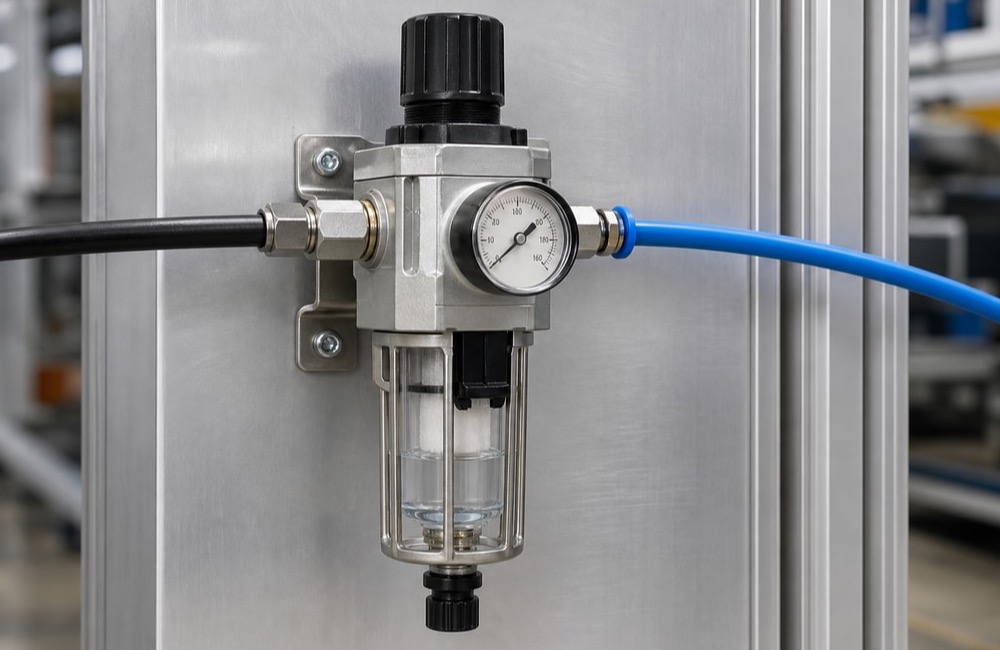
Many technicians refer to this equipment as an Air Filter Set or Air Preparation Unit, functioning as a frontline defense mechanism to protect all pneumatic system components. The Air Filter Regulator combines the functions of two parts: the first part is a filter that captures water vapor and dust mixed with compressed air.
The second part is an Air Pressure Regulator, which reduces and maintains constant pressure levels. Using a standard Air Adjustment Regulator helps prevent valves or pneumatic cylinders from jerking, preventing machinery malfunctions due to fluctuating air pressure. Installing an Air Pressure Regulator here is a long-term maintenance cost-saving measure.
Air Filter Regulator Internal Technology: Dust Filtration and Pressure Control
The operation of the Air Filter Regulator begins with compressed air running through a directional flow diverter, creating centrifugal force that causes water and dust to fall into the bottom of the cup. The cleaner air then passes through the filter to capture even smaller particles.
The mechanism of air regulators relies on diaphragms and adjustable springs opposing each other in pressure resistance. When air is used in a pneumatic system, the diaphragm moves to open the valve, allowing air to flow through and maintain constant pressure as set on the regulator. Choosing an air preparation unit with correct technology helps extend the lifespan of machinery.
Analyzing Regulator Failures: What Causes Air Regulators to Malfunction?
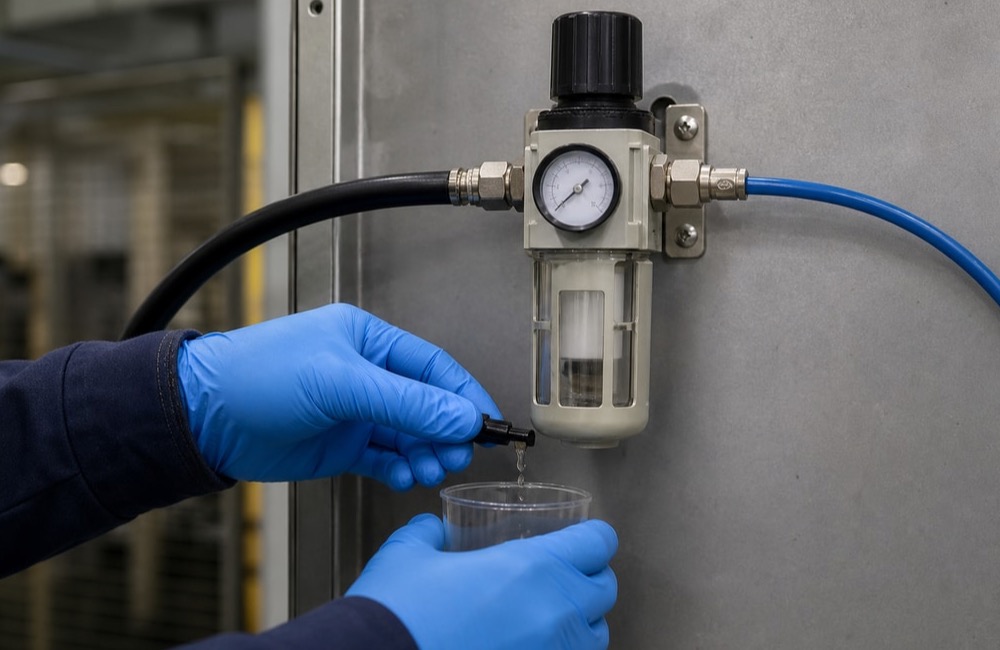
Field experience shows that regulator malfunction often results from clogged filters causing pressure drops and abnormal fluctuations. Water trapped in the cup can overflow into the system, damaging lubricants inside valves.
The diaphragm of an air regulator may tear due to continuous exposure to sudden high-pressure spikes (Pressure Spike). Maintenance technicians must strictly adhere to PM schedules for draining water and replacing filters on the Air Filter Regulator to maintain machine stability.
Selecting Size and Flow Rate of Air Regulators to Suit the Job Site
Engineers must check the flow rate (Flow Rate) of the job site system before ordering an Air Filter Regulator. Ordering a regulator that is too large or too small can cause air cylinders to work slower than usual.
The connection port size, ranging from 1/8 inch up to 1 inch and beyond, must match the volume of air required by machinery. Choosing an air pressure regulator that is too small may create a bottleneck in the system. Selecting the right size for an air filter set helps prevent air compressors from working unnecessarily hard.
Technical Specifications for Selecting an Air Regulator
Tech specialists must carefully consider the specifications of an air regulator, preventing incorrect ordering of an air regulator or air pressure regulator which could lead to air leakage issues.
Filtration Degree
The standard specification for a pneumatic filter set is 40 microns, suitable for air blowing cleaning or large pneumatic cylinders. For high-precision pneumatic systems such as proportional valves (Proportional Valve), a 5-micron filter should be selected to prevent seal wear on the air preparation unit, protecting downstream equipment.
Maximum Operating Pressure
Check that the incoming air pressure from the compressor matches the specifications of the regulator. If the incoming pressure exceeds the regulator's capacity, it could cause the filter bowl to burst. Ensure the adjustable output pressure range of the Air Filter Regulator aligns with the actual operating pressure of the pneumatic equipment, preventing damage to cylinders.
Maintenance and Installation Standards for Pneumatic Equipment
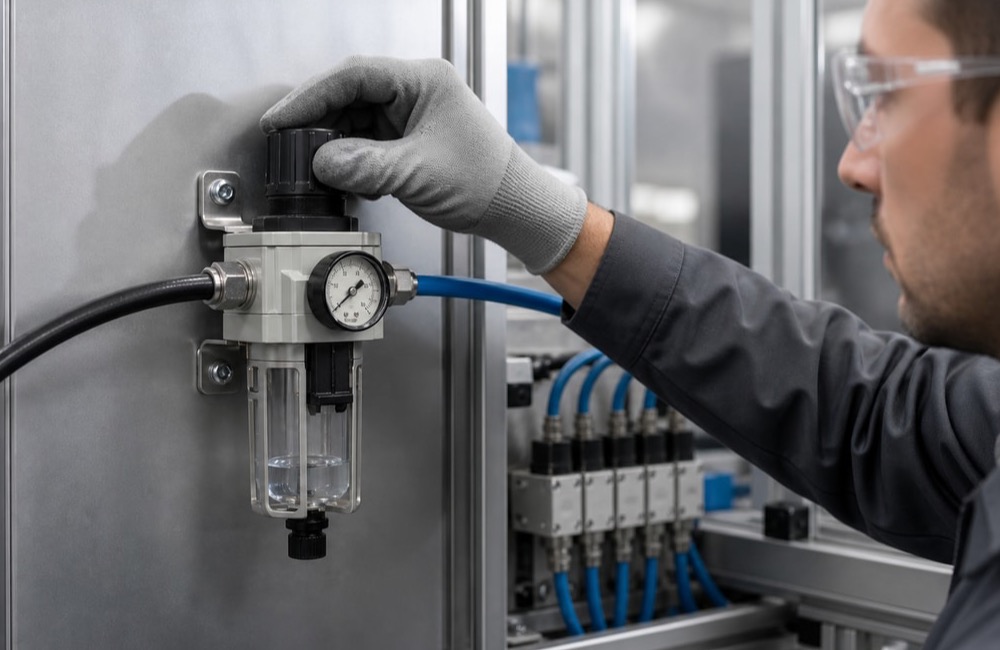
Proper installation of pneumatic equipment extends the lifespan of the device. Maintenance technicians should strictly follow the installation manual for air regulators and air filter sets.
- Install the Air Filter Regulator vertically, always perpendicular to the ground, so that water and contaminants fall into the bottom of the bowl due to gravity. This prevents water from mixing with compressed air.
- Select an automatic drain system (Auto Drain) in areas where access is difficult, reducing the risk of water overflowing the regulator bowl when inspections are forgotten.
- Note the direction of airflow indicated by arrows on the body of the air regulator. Reversing connections can cause air to not flow and damage equipment.
- Frequently check the pressure gauge of the pressure-adjusting regulator. If the pressure fluctuates or is unstable, it indicates that the internal diaphragm has started to deteriorate.
Environmental Constraints Engineers Must Be Aware Of
The materials used in the body of an air preparation unit have material limitations. Certain environmental conditions can quickly damage a regulator or air regulator.
- Areas with organic solvents, thinners, or synthetic compressor oil will corrode the polycarbonate bowl of the air filter set, causing it to crack.
- Engineers must switch to a metal bowl (Metal Bowl) to prevent damage to the Air Filter Regulator in areas with harsh chemicals.
- Areas with temperatures exceeding 60 degrees Celsius will cause the rubber O-ring seals inside the air regulator to deteriorate and harden, leading to air leakage.
- In areas with heavy impacts or severe machine vibrations, a protective steel frame (Bowl Guard) must always be installed around the filter bowl of the pneumatic equipment.
Summary
Air Filter Regulator is the key to maintaining compressed air quality and pneumatic system stability. Selecting high-standard air regulators or air filter sets can effectively prevent water from entering machinery. The team at SCMA is ready to provide consultation and compare specifications for regulator valves, as well as regulators through a quick online system.
If you want to purchase an Air Filter Regulator, SCMA is available today!
Accurate technical information is crucial in maintaining pneumatic equipment. SCMA offers 100% online consultation and specification comparison services for Air Filter Regulators, providing quick solutions on-site. We have expert engineers specializing in air preparation units and pressure regulators ready to support you immediately. Choose our online service for fast, accurate delivery according to engineering standards.
Frequently Asked Questions (FAQ) About Air Filter Regulator
The filter bowl is completely filled with water. Can it be left like this?
No, it shouldn't be left that way. Water accumulation beyond the red line mark will be blown through the air filter element, damaging the lubricant in the cylinder. The technician must immediately press the drain button or switch to using an air regulator with Auto Drain.
Can Air Filter Regulator be used to filter tap water?
No, it cannot. Pneumatic equipment is designed only for compressed gas or air. Using a regulator with liquid will cause internal parts to rust and clog, leading to damage.
The pressure does not increase after turning the knob. What causes this?
This symptom indicates that the spring inside the adjustable regulator is broken or there is a severe air leak at another point in the system. The technician should check the input pressure first; if normal, it means the Air Regulators are damaged and need to be replaced.
How often should the air filter be changed?
The lifespan of the filter in an Air Preparation Unit depends on the quality of air from the compressor. Generally, it is recommended to change every 6 months or when you notice a pressure drop across the Air Filter Regulator exceeding 0.1 MPa.
If I order spare parts online with SCMA and install them incorrectly, will there be any support?
SCMA has an engineering team ready to provide real-time remote consultation. We can send manuals or video call instructions for the installation process of regulators. You can complete your pneumatic system work immediately without waiting for our technicians to travel on-site.