In the era of Industry 4.0, the concept of a Smart Factory is becoming a key factor in elevating manufacturing industries by utilizing digital technology, data, and automation to enhance efficiency and reduce costs. However, many organizations still have important questions about how to start and whether significant initial investment is necessary. In fact, transforming a factory into a Smart Factory does not necessarily require a large immediate investment; factories of all sizes can begin with process improvements and systematic use of data. This article will guide you through the 5-step roadmap towards a Smart Factory that helps your factory get started, reduce risks, and gradually develop towards intelligent manufacturing.
What is a Smart Factory?

A Smart Factory is a concept of a factory that incorporates digital technology and automation systems into the management of production processes. It involves connecting data between machines, systems, and personnel to enable real-time visibility and decision-making based on data. Key technologies commonly used in Smart Factories include:
- Internet of Things (IoT)
- Industrial Internet of Things (IIoT)
- Manufacturing Execution System (MES)
- Data Analytics
- Artificial Intelligence (AI)
- Automation and Robotics
- Cloud Computing
The highlight of a Smart Factory is the use of data as the center for improving production efficiency.
Why Should Factories Start Implementing Smart Factories?
Competition in today's manufacturing industry has intensified, driven by rising labor costs, rapidly changing customer demands, and supply chain pressures. A Smart Factory can help factories:
- Reduce machine downtime
- Increase productivity
- Reduce production costs
- Improve accuracy in production planning
- Monitor production status in real-time
- Adapt quickly to market demands
However, the success of a Smart Factory often does not come from immediate technology installation but rather from systematic planning and development.
5-Step Roadmap to a Smart Factory

1. Assess Current State
Before implementing new technologies, the factory should start by assessing its current production system status. Key considerations include:
- Is data collection still done on paper?
- Are there existing digital systems in place, such as ERP?
- Can machines be connected to share data?
- Which processes have the most problems or losses?
This assessment helps identify the factory's level of Digital Maturity and sets appropriate development plans. Common issues found in factories include:
- Unable to know production status in real-time
- Inaccurate downtime data collection
- Long time spent analyzing problems
- Data scattered across multiple systems
Understanding these issues will help ensure that investments in a Smart Factory are truly business-focused.
2. Start with Data Collection
Data is the heart of a Smart Factory. If a factory does not have accurate and systematic data, advanced technology may not be able to produce the expected results. Basic data that should be collected includes:
- Production Output
- Cycle Time
- Machine Downtime
- OEE (Overall Equipment Effectiveness)
- Defect Rate
At the beginning, factories may use methods such as:
- Digital Form
- Tablet Data Entry
- Data Logging Through Machines
The goal is to create a reliable database.

3. Connecting Machines and Systems (Machine Connectivity)
Once basic data is available, the next step is to connect machines with digital systems using technologies such as:
- Industrial IoT (IIoT)
- Machine Monitoring
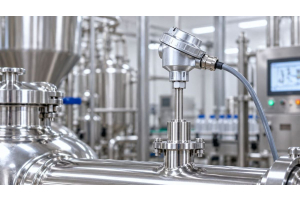
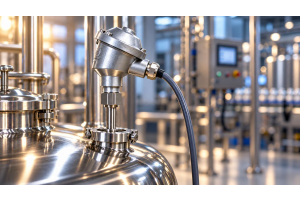
- Sensor Integration
Connecting machines enables factories to track real-time data such as
- Machine status (Running / Idle / Breakdown)
- Production speed
- Machine utilization rate
- Alerts when issues arise
The benefits include that managers and production teams can immediately see an overview of the factory, and respond to problems faster.
4. Data Analytics for Process Improvement
With large amounts of data, the next crucial step is to analyze it, which helps factories
- Identify causes of downtime
- Analyze production efficiency
- Identify bottlenecks in the manufacturing process
- Plan production more accurately
Examples of Data Analytics usage include:
- Real-time OEE dashboard
- Breakdown pattern analysis
- Production quality analysis
When organizations use data for decision-making, it reduces reliance on personal experience and increases the accuracy of production management.
5. Toward Automation & Intelligent Decision Making
Once a factory has complete data and a good analysis system in place, the next step is to increase levels of Automation and Optimization. Technologies commonly used at this stage include:
- Automation Systems
- Robotics
- AI Analytics
- Predictive Maintenance
Examples of usage include:
- Advanced machine failure prediction systems
- Automated production planning systems
- Automatic quality control systems
At this stage, the factory begins to approach a fully-fledged Smart Factory concept.
A Smart Factory is not a one-time project
It's important to understand that a Smart Factory is not a one-off project but a continuous journey of factory development. Successful organizations often start with small-scale projects (Pilot Projects) by testing in some production lines, expanding when clear results are seen. This approach reduces investment risks and helps organizational staff adapt to changes.

SCMA Ready to Help Your Organization Move Towards a Smart Factory
Transitioning towards a Smart Factory is not just about installing new technology, but also involves changing mindsets, processes, and utilizing data to elevate production systematically. Many organizations may wonder where to start, how to invest, or which technologies are best suited for their factory.
SCMA is ready to support organizations and industry professionals in confidently moving towards a Smart Factory through knowledge, tools, and practices that align with the development of modern industries. The areas where SCMA provides support include:
- Developing knowledge in Smart Manufacturing and Industry 4.0
- Enhancing skills in Data, Digital, and Automation for manufacturing
- Transferring Best Practices from real-world industries
- Building a network of experts and organizations in manufacturing
SCMA aims to be a significant driving force that helps Thai organizations adapt to Smart Factories, thereby enhancing the competitiveness of industries over the long term. If your organization is looking for ways to start moving towards a Smart Factory, beginning to learn and plan from today may be an important step in developing your factory's future.
Summary
Developing a factory into a Smart Factory does not necessarily have to start with large investments, but can begin with data collection, system connectivity, and using data to improve processes.
The key five-step roadmap includes:
- Assessing the factory's status
- Starting to collect production data
- Connecting machines
- Analyzing data
- Increasing Automation and AI
Factories that start early often have the opportunity to adapt faster and can create a long-term competitive advantage.

Frequently Asked Questions (FAQ)
Does a Smart Factory Require High Initial Investment?
It doesn't necessarily require high initial investment. Factories can start with small projects such as production data collection systems or machine monitoring systems before expanding to more complex systems.
Can Small Factories Implement a Smart Factory?
Yes, small factories can begin by collecting data and using basic digital systems, which significantly enhance production efficiency.
How Does a Smart Factory Differ from Automation?
Automation involves using machines or automated systems to perform tasks instead of humans
However, a Smart Factory is an approach that integrates Automation + Data + Connectivity + Analytics to create intelligent manufacturing systems.
How Long Does It Take to Implement a Smart Factory?
The duration depends on the size of the factory and the readiness of existing systems. Some organizations can see results within 6–12 months if they start with appropriate projects.
What Technology Should Be Prioritized First?
Generally, it is recommended to start with
- production data collection systems
- Machine Monitoring
- Data analysis dashboards because they are crucial foundational elements before adopting advanced technologies such as AI or Automation.