Double Acting Cylinder helps solve the problem of internal seal deterioration causing air leakage between chambers, which results in the piston rod lacking force to move the workpiece. This causes production lines to halt, and maintenance technicians switch to using high-quality pneumatic cylinders to resolve this issue. Double acting cylinders can be easily ordered throughSCMA's online system. Our engineering team reviews the installation distance to ensure a perfect fit, preventing issues where you purchase a double acting cylinder but it doesn't fit your existing machinery.
What is a Cylinder? Why do Factories Prefer Double Acting Pneumatic Cylinders?
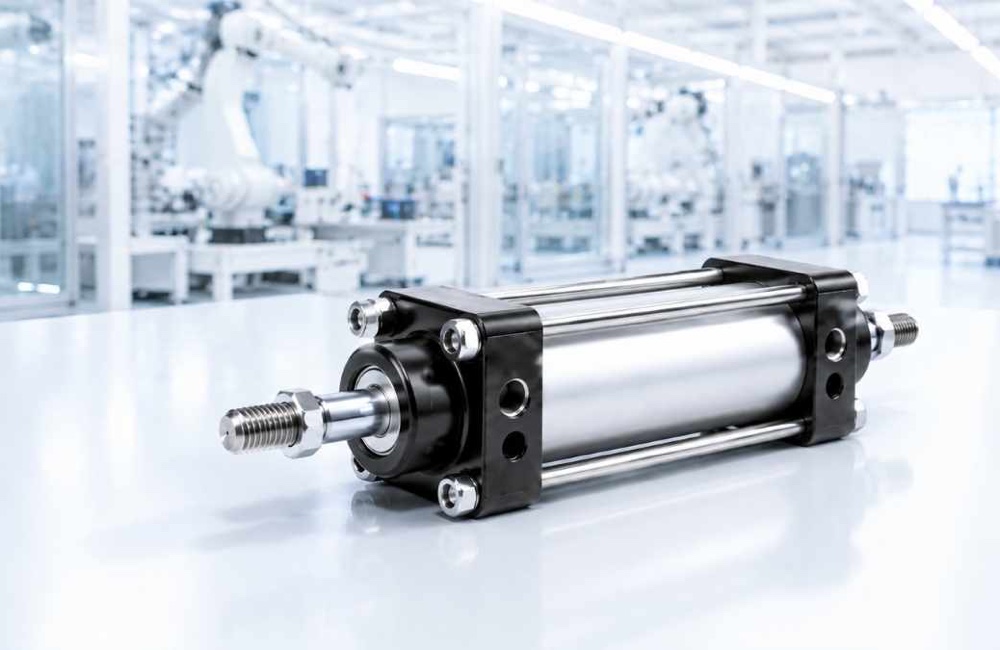
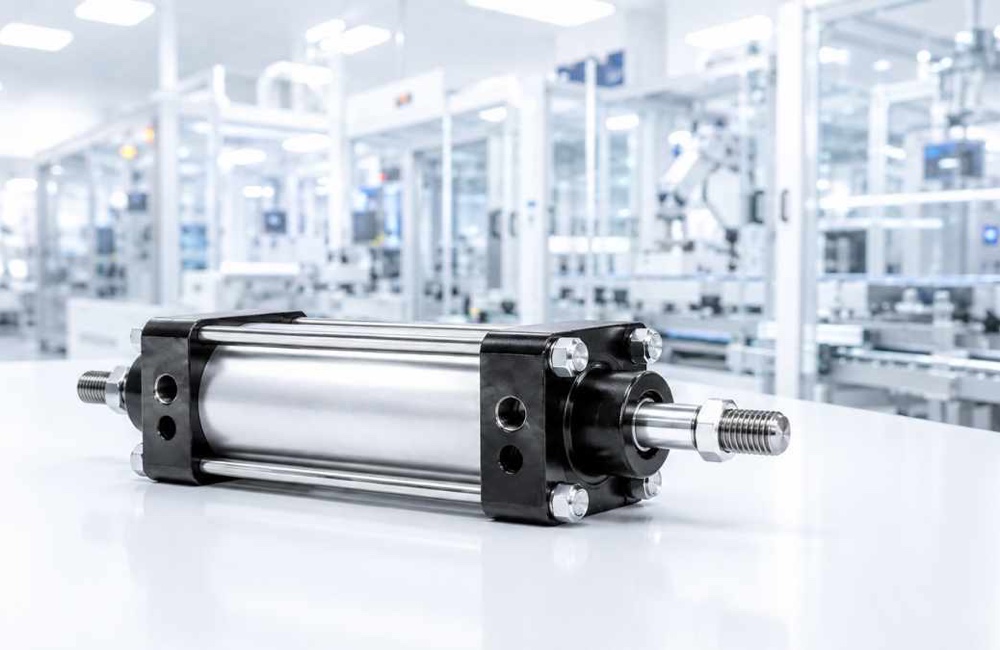
Basic engineering term, cylinder, refers to an actuator that converts compressed air energy into linear motion. On-site mechanics often refer to it as a double acting cylinder. The double-acting type is the most popular in automation systems, designed to use compressed air to push both forward and backward strokes. This mechanism allows for more precise control over speed and force compared to other models. Therefore, many machine designs choose double acting cylinder as the primary driver.
In-depth Engineering Explanation of How Double Acting Cylinders Work
The internal mechanism of a double acting cylinder operates by supplying air to the rear port (Cap End), which pushes the piston rod out. When it needs to retract, air is supplied to the front port (Rod End) instead. This type of pneumatic cylinder cannot operate independently and must work in conjunction with a 5/2 or 5/3 way pneumatic solenoid valve. The valve switches the direction of air flow within the circuit, allowing the double acting cylinders to extend and retract according to the set rhythm.
Comparing double acting cylinders with single-acting cylinder
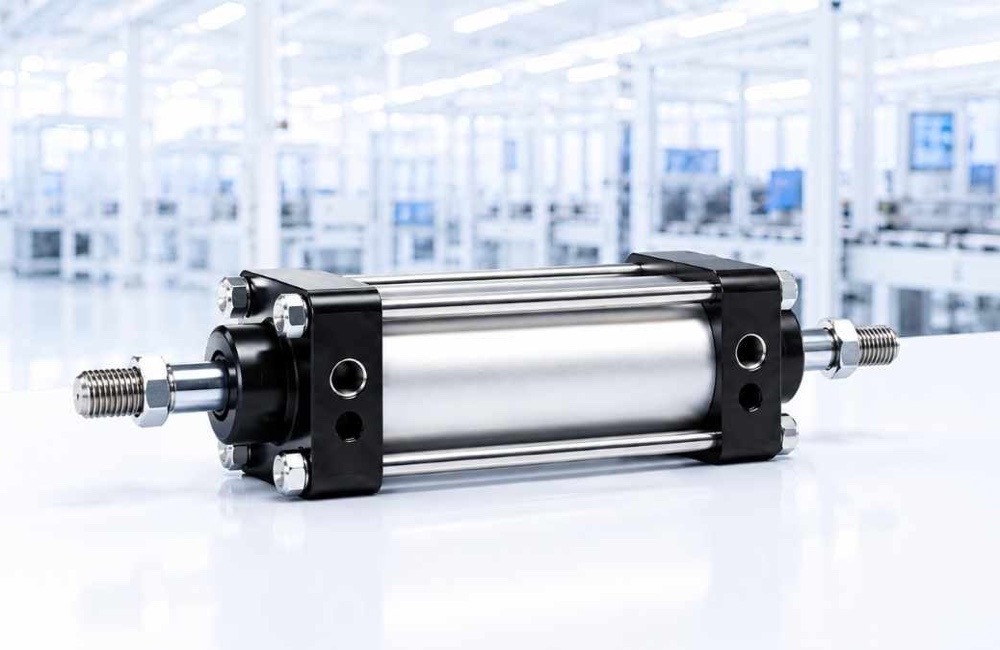
Engineers must choose the appropriate double acting cylinder to suit the load requirements of their application. Let's look at the differences between these two mechanisms.
Mechanism of single-acting cylinder
The single-acting cylinder uses air pressure for one-way extension, while retraction relies on an internal spring pulling the piston back. The limitation is that it has a relatively short stroke length, and some of the air pressure must be used to overcome the resistance of the spring. This type of cylinder is suitable only for light pressing workpieces or pushing them apart on a conveyor belt.
Potential of double acting cylinders
The double-acting cylinder does not have an internal spring to hinder it, allowing full efficiency in both directions according to pneumatics principles. Factories can order custom stroke lengths as needed. This type of pneumatic cylinder is excellent for heavy-duty work and covers all tasks such as pushing, pulling, lifting, and locking workpieces.
Differences between pneumatic system and double acting hydraulic cylinder
The classic question from procurement teams is how to distinguish between a double-acting cylinder and a high-pressure oil system.
Pneumatic System Cylinder (Pneumatic System)
Pneumatic cylinders use air as the driving force, providing high-speed movement. The system is clean with no risk of oil dripping contamination, making it suitable for food and beverage industries or electronic assembly work. Double acting cylinder is the top choice for production lines in these sectors.
Double Acting Hydraulic Cylinder System
The double acting hydraulic cylinder system uses hydraulic oil as the power transmission medium, capable of generating enormous pressure levels up to several tens of tons. This specification suits metal stamping machines or heavy-duty work requiring high stability of the piston shaft. The downside is that it moves slower than air systems and requires more maintenance.
Internal Parts of a Pneumatic Cylinder That Maintenance Technicians Must Be Careful Of
Proper maintenance of the double acting cylinder can extend its lifespan by several years. Technicians must focus on these risk points.
- The weakest point in the system is the rubber seal kit (Seal Kit) inside the cylinder body.
- The piston seal has an important role in preventing air from crossing between chambers, thus preventing a weak piston condition.
- The rod seal prevents air leakage to the outside. If it deteriorates, you will hear whistling sounds coming from the machine.
- Dust and moisture particles in the compressed air system can scratch the piston shaft, causing long scratches that lead to rod seals tearing apart. Technicians must regularly drain water from the air filter regulator lubricator (FRL).
Tips for Synchronizing 2 Cylinders to Work Together
Many machine structures require the use of 2 cylinders to lift heavy loads together. The synchronization control techniques are as follows:
- Lifting large plate sections requires using pneumatic cylinders on both sides simultaneously.
- A common problem is that the pistons do not extend in unison, causing the workpiece to tilt and jamming the mechanism until the machine stops.
- Engineers must initially solve this by using a single solenoid valve to supply air separately to both cylinders.
- The air lines leading to the double acting cylinders on either side must be cut to exactly the same length.
- A decisive solution is designing a guide rod mechanism that forces the shafts to move in unison.
How to Match Specifications for Double Acting Cylinders or Double Effect Cylinders Precisely
When ordering spare parts for double effect cylinders, it is necessary to specify all parameters completely to prevent errors.
- In some European regions, this equipment may be referred to as double effect cylinder instead of double acting.
- The first principle in matching specifications for pneumatic cylinders is knowing the size of the piston (Bore Size) to evaluate thrust force.
- Measure the stroke length accurately when the rod is fully extended, and check the mounting type such as L-bracket flange or rear clevis mount.
- A technique to reduce errors is sending a clear picture of the Nameplate to SCMA engineers via Line OA for a 10-minute specification match completion.
Summary
Double acting cylinders are crucial components in automation systems, driven by the principle that cylinders convert compressed air into mechanical energy. The double-acting cylinder models offer more flexibility than single-acting cylinders. SCMA is ready to provide online specification matching services for pneumatic cylinders, solving size mismatch issues definitively. SCMA
If you want to purchase, you can buy from SCMA today!
We provide the highest convenience for purchasing engineers. You can order double acting cylinders with specifications equivalent to leading brands without waiting for outside technicians to come on-site. Simply take a picture of the Nameplate of your existing double acting cylinder and send it via Line OA, our SCMA support team will match the specifications immediately. Our online service covers checking the thread size at the end of the rod of pneumatic cylinders, ensuring perfect fit with the original part for quick delivery to your factory, ready to be installed on existing machinery 100%, eliminating site modification concerns.
Frequently Asked Questions (FAQ)
Q1: How do I adjust the speed of a double-acting cylinder's extension and retraction?
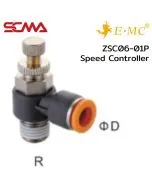
A: You need to install a Speed Controller (Flow Control Valve) at the air inlet-outlet port to regulate the airflow rate. This method helps make the movement of double acting cylinders smoother.
Q2: Can I modify a single-acting cylinder for use as a double-acting cylinder?
A: It is not possible. The engineering design of a single-acting cylinder is different, and the working force direction differs from that of a cylinder double acting. If forced to use it instead, it may cause severe damage to machinery.
Q3: SCMA does not have an on-site installation team. What should I do if there are issues with installation after purchase?
A: We provide full online support services with a team of engineers ready to consult and advise on the air line connection of pneumatic cylinders. We can troubleshoot through Video Call, which is faster than waiting for service technicians.
Q4: Do you offer cross-brand specification comparisons for SCMA products?
A: Yes, we do. Please send clear photos of the Nameplate of the double effect cylinder, specifying the Stroke length and Bore size. Our team will find equivalent specifications and provide them for your consideration within a short period.
Q5: If I need extremely high force to press workpieces, what type of equipment should I choose?
A: If the required pressure exceeds the typical factory air pressure limit (approximately 7-10 Bar), we recommend considering a double acting cylinder hydraulic system. It provides better stability and can handle heavier loads compared to regular air cylinders.