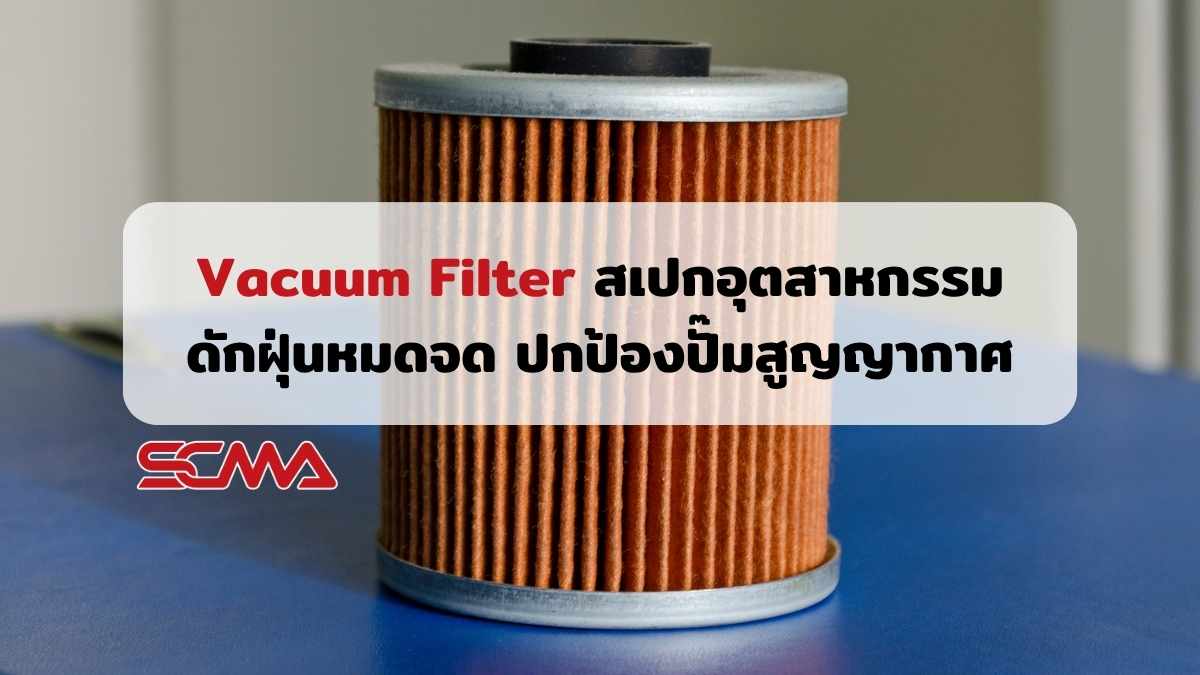
Vacuum Filter is the solution when dust or debris from suction escapes and damages the pump chamber. SCMA offers vacuum filters of high quality to stop these on-site problems. We provide a free online specification comparison service, along with nationwide express parts delivery. Maintenance technicians can install and use them immediately.
What is a Vacuum Filter? A Frontline Defense for the Vacuum System

Maintenance technicians must understand the function of this frontline equipment before purchasing Vacuum Filter. It filters out impurities, dust, and moisture from the air stream. The device captures these contaminants before the air is sucked into the vacuum pump. Installing a vacuum filter helps prevent internal mechanisms from damage. Maintenance teams must prioritize this component to ensure overall machine safety.
In-depth Engineering Principles of Vacuum Filter Operation
The inner mechanism of vacuum filters relies on physical principles to separate particles. Air that is sucked in runs through the housing (Housing) into the filter element (Filter Element). Larger dust particles are trapped on the outer surface of the filter. The vacuum filters allow clean air to flow directly through the center into the pump. This filtration mechanism maintains consistent suction efficiency at all times.
Key Components of Vacuum Filters Affecting Suction Efficiency
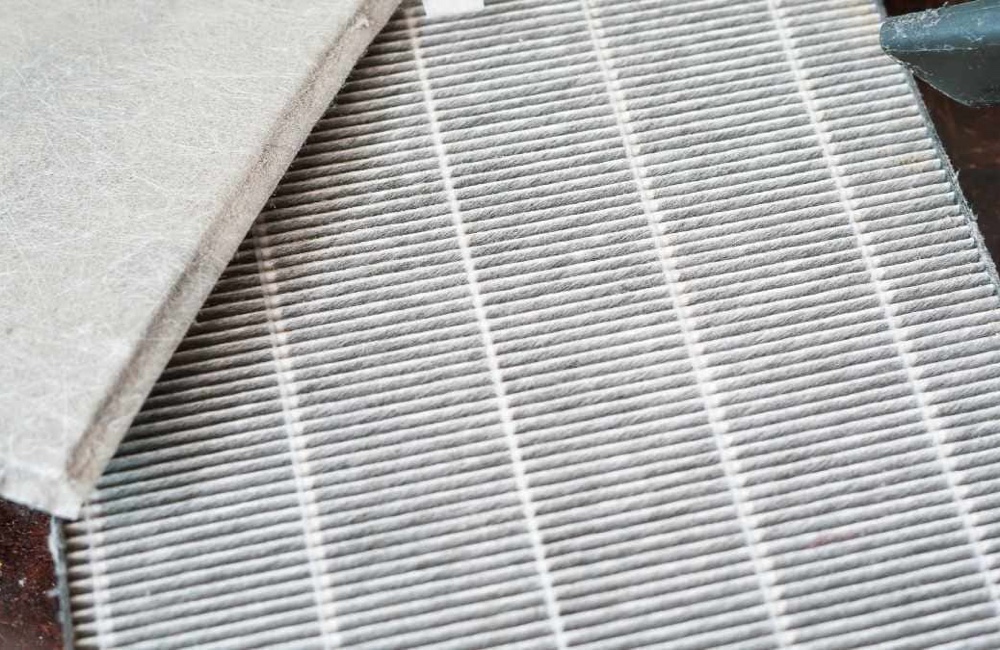
To maintain the longevity of vacuum filters, technicians must be familiar with the internal key components. Understanding the structure helps in accurately diagnosing suction drop issues.
Filter Housing (Housing)
This component needs to withstand negative pressure (Negative Pressure) excellently. Manufacturers use either clear plastic or high-strength metal for molding. Clear housings allow technicians to clearly see the amount of dust accumulated inside. Choosing the correct material for the Vacuum Filter housing prevents cracking issues during high run cycles.
Dust Filtering Element (Filter Element)
The filter element is the core component in capturing particulate contaminants. Materials include high-grade paper and washable polyester. Technicians must select the right type of filter to match the characteristics of dust at the machine inlet. Neglecting this point will cause premature clogging of the filters, leading to a loss of suction power for workpieces.
O-rings and Rubber Seals (O-ring & Seals)
Rubber seals prevent outside air from seeping into the vacuum system. These seals must withstand massive suction forces without losing their shape. Technicians need to check the condition of rubber seals every time they clean out filter elements. Allowing seals to deteriorate leads to excessive strain on the vacuum pump.
The Relationship Between Vacuum Filter and Suction System of Vacuum Blower
Good design of a vacuum system must integrate equipment seamlessly. When used in conjunction with rotary blower types such as vacuum blower, dust filtering equipment will demonstrate its maximum potential. The Vacuum Filter prevents dust from clogging the fan blade grooves of the pump. Capturing dust at the source helps maintain stable airflow throughout production cycles, ensuring packaging lines operate efficiently.
Selecting the Correct Micron Rating for Your Application
Specifying the micron rating of a filter is at the heart of designing vacuum cleaners. Engineers must assess the working environment to determine the appropriate micron value.
1-5 Micron Filters
This specification is designed for industries requiring the highest level of cleanliness, such as fine dust collection and flour powder in pharmaceutical factories. These filters need more frequent inspection by technicians because their small pores can clog quickly.
10-40 Micron Filters
This is a standard specification for packaging work, general automation systems. This level of filtration effectively captures paper scraps and production line dust. Equipment in this category maintains a balance between particle separation efficiency and air flow rate.
The Impact of Choosing the Wrong Micron Rating
Choosing overly fine filters can cause sudden pressure drop (Pressure Drop). The pump must work harder to draw air through the small pores, leading to increased heat buildup that may overload the motor. Technicians should avoid over-specifying.
Vacuum Drop Issues and How to Check Filter Clogging on Machines

Component drop from suction heads can damage production lines. Technicians need to know how to check for abnormalities with Vacuum Filters and address them immediately.
- A sudden drop in suction power causing components to fall is not always due to a pump failure; it's often caused by clogged filters.
- The engineering team recommends installing a vacuum gauge (Vacuum Gauge) for monitoring anomalies.
- If the needle on the gauge points to higher suction levels than normal (more negative), it indicates that air flow through the vacuum cleaner is restricted.
- Techs must remove and inspect the filter bag. If dust buildup is so thick that paper fibers are no longer visible, a new filter needs to be installed.
- Running machines with clogged filters can cause pump room temperatures to rise sharply, accelerating wear on seals and bearings.
How to Calculate Flow Rate for Vacuum Filter Specification Comparison to Avoid Bottlenecks
The purchasing department must carefully review specifications before ordering replacement parts. Choosing the wrong size vacuum filter can create bottlenecks in the air duct system.
- The first thing to be careful about is not choosing equipment based solely on the thread connection size.
- Engineers need to accurately assess the airflow rate (Flow Rate) in units of L/min or CFM.
- The filter's flow rate capacity must cover the maximum suction volume of the vacuum blower at the site.
- Selecting a filter that is too small will cause air restriction, overloading the motor pump to draw air through narrow pipes.
- Choosing the correct specifications helps save electricity and is more cost-effective than using equipment that consumes excessive current.
Maintenance Standards (PM) for Vacuum Filter Systems
The maintenance department must strictly adhere to preventive maintenance standards. Technicians should create schedules for cleaning and replacing filters according to on-site dust levels. Cleaning glass bags helps clearly see the internal condition of vacuum filters. Technicians must check O-rings under each cover every time to prevent air leakage from outside. Paying attention to small details can significantly extend the working life of Vacuum Filter.
Summary
Selecting specifications for a Vacuum Filter that match the flow rate is crucial for maintenance work. Proper care of vacuum filters extends the lifespan of the main system and reduces costly pump repairs. If equipment has issues, our team at SCMA is ready to compare specifications for vacuum filters, deliver them quickly, and assist with installation.
If you want to buy, SCMA is available today!
SCMA offers convenience through online services. Customers simply take a photo of the nameplate of their existing Vacuum Filter and send it to our Line OA. Our engineering support team will compare specifications for vacuum filters, assess flow rates, and provide free evaluations. We deliver parts quickly so technicians can install them on the vacuum blower immediately.
Frequently Asked Questions (FAQ) About Vacuum Filter Usage
Q1: Can the vacuum filter be blown clean when it is clogged?
A: It can be temporarily cleaned by blowing gently with air, extending its lifespan. However, if dust has deeply embedded or if it's a paper filter, strong airflow may cause microscopic structures to tear apart, reducing filtration efficiency. It's best to replace the new filter.
Q2: What are the consequences of installing the vacuum filter in reverse direction?
A: This will immediately damage the filter. Air will pass through from the center outwards (against engineering principles), negative pressure will compress the filter until it flattens. Always observe the arrow indicating flow direction on the housing.
Q3: Can a regular air filter be used instead of a vacuum filter?
A: Absolutely not, regular air filters are designed to withstand positive pressure (Positive Pressure). If connected to a vacuum side, plastic bags cannot withstand negative suction (Negative Pressure) and will crack or collapse.
Q4: When should the new vacuum filter be changed?
A: Maintenance staff should observe the pressure gauge. If the vacuum level drops below standard or if dust is visibly thick on the filter through clear bags, immediate plans to replace parts must be made.
Q5: How can I ensure that the threads purchased online from SCMA fit my original vacuum blower?
A: The SCMA engineering team directly compares specifications for you. Simply measure the thread size with a vernier caliper, take a picture of the pump nameplate and send it via LINE. We convert measurements to standard sizes and offer models that perfectly match your existing flange 100%.