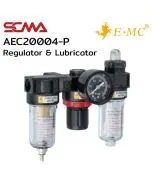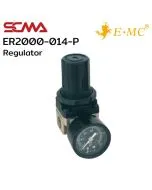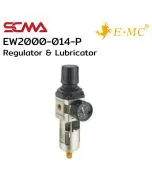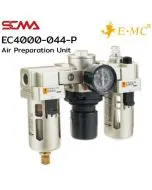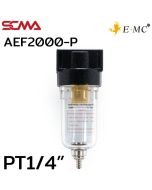
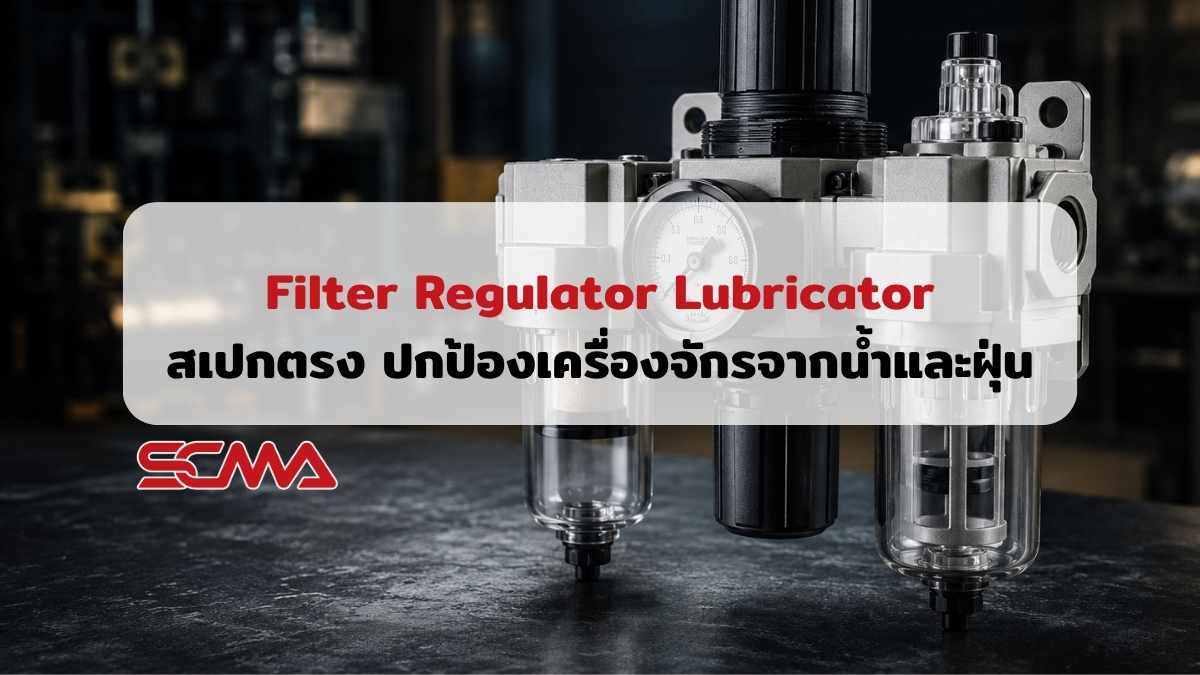
Filter Regulator Lubricator (Air Filter Regulator Lubricator Set) is the core component in protecting pneumatic systems. Problems such as water droplets and dust from air compressors can enter and damage rubber seals inside solenoid valves, causing machinery to fail prematurely. SCMA offers high-quality FRL units and Air Filter Regulators to extend the lifespan of production lines. Our engineering team calculates Flow Rate for free to select the appropriate Air Pressure Regulator, preventing bottlenecks in air systems. Order easily through our online system with fast delivery.
What are FRL units and why do engineers call them the lungs of pneumatic systems?
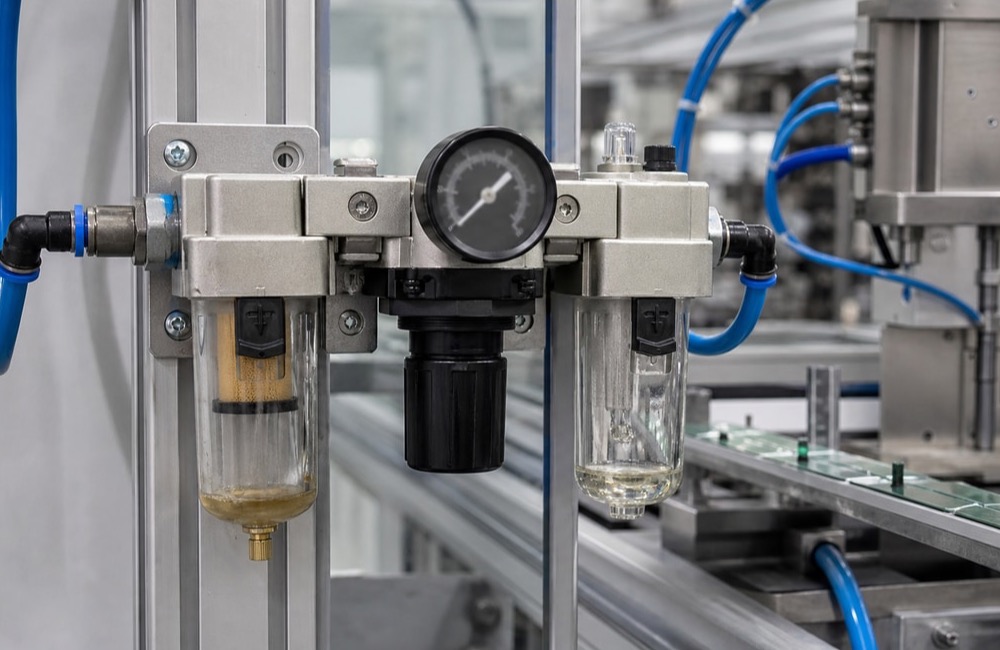
The technical term FRL units refers to air preparation equipment consisting of three main components: the Filter, Air Pressure Regulator, and Lubricator. Engineers must install this set before machinery to clean the air. The filtered air will have a constant pressure before being supplied to sub-components. This process prevents contaminants from clogging control valves. Installing standard Filter Regulator Lubricators significantly reduces long-term maintenance costs.
Dive into what regulators are and their primary function in circuits
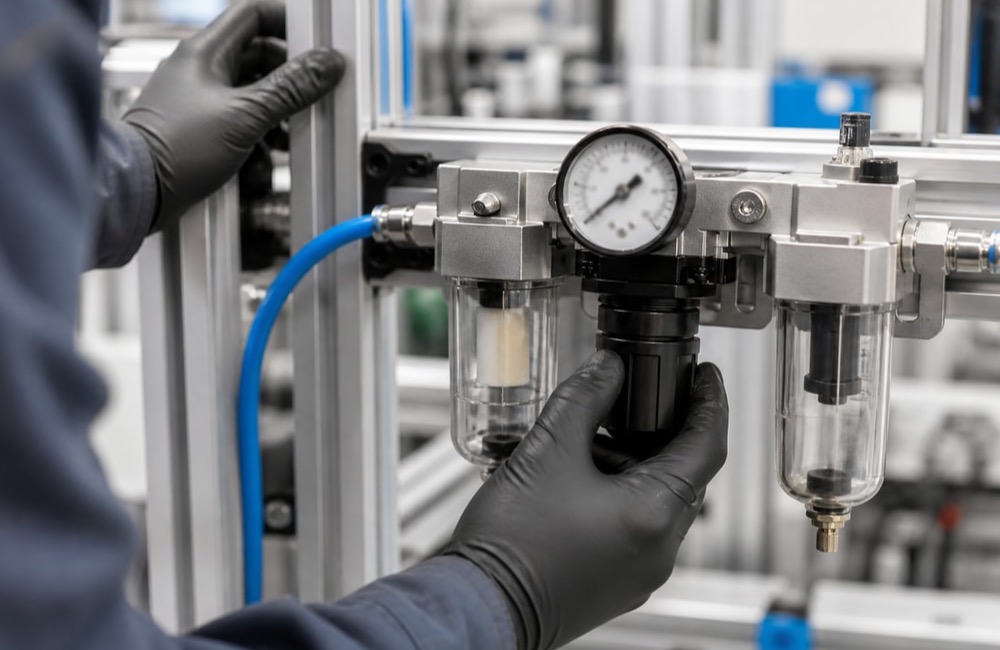
Field technicians may wonder what a regulator truly is. The R component in the air filter set is a type of pressure-reducing valve (Pressure Reducing Valve). Engineers design it to have the primary function of maintaining constant outlet pressure (Secondary Pressure) despite fluctuations in inlet pressure (Primary Pressure) from main compressors due to varying factory usage. The operation of air regulators helps stabilize and regulate pressure as much as possible before driving mechanisms.
What does a regulator do and why must pressure be controlled before entering the cylinder?
To expand on the topic of what does a regulator do, it is important to consider safety and cost reduction. Releasing compressed air at 7 bar directly into the cylinder can cause severe impact, leading to seal rupture. Engineers must use an air filter regulator to drop the pressure down to 4-5 bar, which matches the actual load requirements of the machinery. Reducing unnecessary pressure helps save energy (Energy Saving) and reduces the risk of air leakage at various pipe joints, thereby extending the lifespan of mechanical equipment.
Problems with regulator adjustment not working and how to check a regulator on-site
Scheduled maintenance checks for Filter Regulator Lubricator help reduce machine downtime. Technicians must be aware of symptoms to replace parts in time.
Gauge does not move and air leakage
The symptom where the regulator adjustment is not working is a classic problem that technicians often encounter. When turning the knob, the pressure gauge needle does not move up or down as expected; in some cases, there may be continuous air leakage through the relief port. These symptoms indicate internal mechanism damage and inability to maintain pressure.
Main causes and emergency solutions
The main cause is usually due to worn-out internal springs, torn diaphragm (Diaphragm) from high-pressure stress, or stripped adjustment screw threads from forced turning. Upon encountering these issues, maintenance technicians must immediately replace the air regulator with a new one; do not continue using it to prevent pressure surges that could damage components.
The water trap and filter (Filter) as the first line of defense for solenoid valves
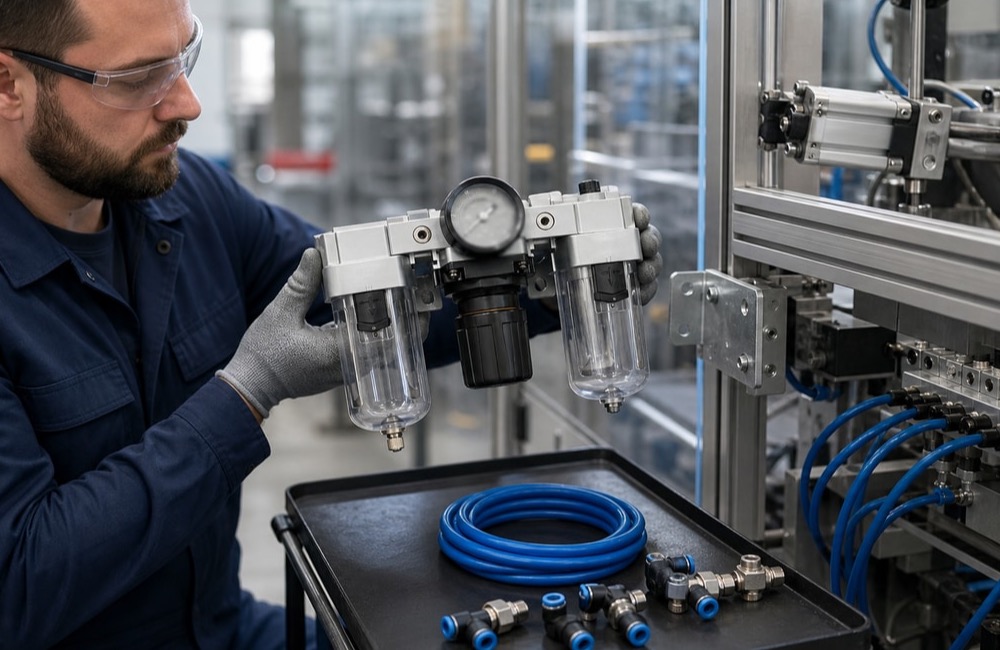
The operation of the air filter element in an frl unit relies on centrifugal force. As compressed air enters, it is forced to spin cyclonically, causing water droplets to fall into the bottom of the cup. The internal filter (Element) has a 5-micron precision that captures dust particles and rust from steel pipes, preventing them from entering the system. This first line of filtration prevents debris from interfering with valve spool movement, ensuring smooth operation without sticking.
Is a Lubricator Necessary in Modern Manufacturing Lines?
The operation of a Lubricator uses differential pressure (Venturi Effect) to draw lubricating oil from the cup and mix it with air flow, turning it into fine mist for lubrication of various parts. Engineers must always consider the specifications of the end equipment before installation. Older models of cylinders or solenoid valves require constant lubrication of rubber seals to reduce friction. If a machine system is designed as Oil-free, customers can choose to omit this component and use only an air filter regulator for cost savings.
How to Evaluate Filter Regulator Lubricator Specifications to Match Flow Rate Requirements
Mis-specifying frl unit can damage the efficiency of machinery. Engineers must thoroughly evaluate parameters before purchasing.
- Avoid selecting a pressure regulator based solely on pipe thread size. Matching thread sizes do not guarantee sufficient air volume for operation.
- Craftsmen must calculate the total air consumption rate (Total Flow Rate) of that machine, assessing cylinder size and desired speed.
- Selecting an undersized air filter set can cause sudden pressure drop when machinery simultaneously draws air.
- The resulting pressure drop will slow down cylinders improperly, causing parts to fall off or assembly lines to stall.
- A safety factor of approximately 20-30% should be reserved to accommodate future expansion of pneumatic systems.
Summary
Filter Regulator Lubricator equipment is a crucial barrier that helps maintain the stability of compressed air systems. Understanding what a regulator does aids engineers in safely controlling pressure. SCMA is ready to provide consultation and free online specification comparisons for frl units. We supply the correct model of pressure regulator, delivering quickly to your factory so you can complete maintenance work immediately.
If you want to buy, SCMA is available for purchase today!
SCMA offers the highest convenience to maintenance teams. Customers simply need to take a photo of the old nameplate or inform us about the cylinder bore size via our Line OA. Our SCMA support team is ready to compare specifications, check thread sizes (PT, NPT), and calculate the flow rate of the Filter Regulator Lubricator for free. Order from us with confidence and receive your products quickly. Install the air filter regulator directly into machinery without worrying about long wait times.
Frequently Asked Questions (FAQ) About Using FRL Air Filter Sets
Q1: If only the pressure regulator unit of an old FRL set is damaged, can I buy just that part?
A: Yes, technicians can order a replacement air pressure regulator block to fit with the existing set. However, it must be from the same brand and series to match the modular size with the original mounting bracket.
Q2: Why does water fill up in the air filter cup very quickly?
A: The upstream air dryer may have issues, unable to remove all moisture from compressed air, leading to excessive water droplets entering the main pipe. Immediate maintenance should be reported to check at the primary compressor room.
Q3: If the pressure regulator doesn't adjust and the gauge does not move when turned, which part needs repair?
A: The adjusting knob may be loose or the diaphragm torn due to a sudden surge in pressure. Repairing and disassembling the pressure regulator takes time and is risky. It's recommended to purchase a new set instead.
Q4: For a new oil-free cylinder model, do I still need to use a Lubricator to supply oil?
A: No, oil-free equipment comes with special grease coating from the factory. Forcing oil through the FRL unit will wash out the original grease, causing rubber seals to deteriorate faster than usual.
Q5: When buying an air filter regulator online from SCMA, do they compare thread sizes for me?
A: Yes, 100%. Our engineers will assess based on the old nameplate or customers can send us a vernier measurement of external threads via photo. We'll convert it to standard size immediately so you can fit it directly onto existing air connections at your site.