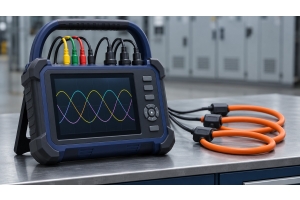
Are you facing problems with measuring wastewater or liquids containing suspended solids in an industrial system? Choosing the right Doppler Flow Sensor or appropriate liquid flow meter is the best solution. SCMA Co., Ltd. (SCMA), an expert in measurement instruments and automation systems, is ready to provide advice and design accurate solutions. This article will take you through the working principles, maintenance checklist, and the correct way to purchase to reduce the problem of machine downtime.
What is a Doppler Flow Sensor?
A Doppler Flow Sensor is a device designed to measure the flow rate of liquids intended for use with fluids containing suspended particles. This type of sensor operates using high-frequency or ultrasonic (Ultrasonic) sound principles combined with the Doppler Effect to calculate velocity. This technology enables highly accurate measurements in closed pipe systems without the need to cut or connect pipes.
How the Doppler Flow Sensor Works
Understanding the basic working principle of this type of sensor helps engineers apply it effectively to real-world tasks. This system relies on the Doppler Effect of ultrasonic waves to assess velocity.
Sound Wave Transmission (Transmitter)
The operation begins with the transmitter sending high-frequency ultrasonic waves into the flowing liquid inside the pipe. These sound waves pass through the pipe wall and collide with suspended particles. This process continuously captures the movement pattern of the fluid.
Wave Reflection (Receiver)
When the sound waves hit solid particles, air bubbles, or contaminants mixed in the liquid, these waves reflect back to the receiver. A complete signal reception requires a liquid environment with sediment according to specified criteria to measure flow rate using Doppler frequency waves.
Frequency Change (Doppler Shift)
If the particles in the liquid are moving, the frequency of the reflected sound waves will change from the original. The frequency will increase or decrease depending on the velocity and direction of the flow. This Doppler Effect is the core of the processing.
Flow Rate Calculation
The processing system calculates the difference in the changed frequency to accurately determine the liquid flow velocity. The obtained data is converted into a flow rate value to be displayed on the screen. This type of liquid flow meter thus effectively meets the needs of heavy industries.
How many types of Doppler Flow Sensors are there?
Ultrasonic flow meters that use high-frequency sound waves to operate can be categorized according to the physical characteristics of the liquid. Based on the experience of the SCMA engineering team, we divide the main measurement methods into 2 types as follows:
Doppler (Doppler) Type
This type measures the frequency shift of sound waves when the waves hit and reflect back from particles or air bubbles suspended in the fluid. This type of sensor performs exceptionally well with liquids that are turbid or have high levels of suspended solids. This system is an option that helps reduce maintenance difficulties.
Transit-time (Transit Time) Type
The transit-time type uses a method to evaluate the difference in time it takes for sound waves to travel in the direction of the flow compared to the direction against the flow. This technology is highly suitable for clean, clear liquids without suspended particles. You can study more about Ultrasonic Flow Meter to compare usage and match it with actual field applications.
Doppler Flow Sensor Maintenance
The Doppler frequency flow measuring device is designed without moving parts, making maintenance easy. Following these checklists helps extend the lifespan of the liquid flow meter.
Cleaning the Sensor
Maintenance personnel should regularly inspect and wipe away scale, dirt, or algae buildup around the sensor head. It is recommended to use a soft cloth or a soft-bristled brush to clean gently. Never use strong corrosive chemicals under any circumstances to prevent sensor damage.

Checking Mounting Points and Cables
Always check that the sensor clamps or mounting points are securely fastened to prevent loosening due to pipe vibrations. Inspect the cable condition to ensure there are no bent points or heavy objects pressing on them. Maintaining these connection points helps the ultrasonic flow meter transmit signals smoothly without interruption.
Periodic Calibration
The device should be periodically checked and calibrated with experts according to maintenance schedules. Proper calibration ensures the sensor displays accurate measurement values. SCMA has a team of engineers ready to provide on-site equipment inspection services.
Cleaning the Display Screen
The control unit's screen should be regularly cleaned of dust or moisture stains. Keeping the screen clean helps operators clearly see the numbers, preventing recording errors in dark or dusty factory environments.
Applications of Doppler Flow Sensor in Industry
Doppler frequency flow meters are applied in various industries that deal with highly challenging liquids. This type of sensor can fulfill measurement requirements that general equipment cannot achieve.

Wastewater Treatment Systems
Municipal or industrial wastewater treatment systems require accurate measurement of wastewater flow rates. This sensor can operate without problems with water containing dense sediment. Installing it externally on the pipe reduces the risk of exposure to hazardous chemicals.
Mining Industry
In the mining process, slurry or thick liquid containing mineral residue is continuously pumped. The ultrasonic flow meter can effectively read the flow rate of viscous liquids, helping engineers better control the amount of minerals in the production conveyor system.
Chemical and Paper Industry
Paper manufacturing plants deal with liquids containing a lot of wood fiber residue or suspended particles. This technology is resistant to corrosive environments. The device can provide real-time flow data to maintain consistent paper pulp production standards.
Advantages of Doppler Flow Sensor
Choosing to use a Doppler Flow Sensor provides long-term benefits to the production process. These advantages clearly reduce the maintenance burden of liquid flow meters for the engineering team.
No Need to Cut or Modify Pipes (Clamp-on Design)
The sensor is designed to be easily mounted on the outside of the pipe wall. Users do not need to stop the system or halt the operation process for installation. This advantage significantly reduces downtime in the factory.

Suitable for Dirty or Sludge Water
The device is developed to measure liquids with sediment, air bubbles, or high viscosity, especially wastewater, slurry, or industrial liquids. The sensor can read values stably, making it a standout feature compared to general clear water meters.
No Obstruction to the Flow in the System
Since the sensor does not extend into the water pipe, there is no problem of creating obstructions that cause pressure drop. This type of operation helps reduce pressure loss, making the water pump not need to work harder than necessary.
Long Service Life and High Durability
The ultrasonic flow meter has no moving parts inside the device. This design helps reduce the rate of mechanical wear, resulting in low maintenance requirements and cost savings in the long run.
Quick and Easy Installation
Users can choose to use a portable version for temporary inspections at various points or install it permanently as needed. If you study information from abroad such as Micronics Flowmeters, you will find that this technology perfectly meets the needs of hard-to-reach fieldwork locations.
How to Choose a Doppler Flow Sensor
When selecting a Doppler flow sensor for optimal investment value, the evaluation should be based primarily on the actual working conditions. The SCMA team recommends the following important checklist for selecting a liquid flow meter that matches your requirements:
- Fluid Characteristics (Medium): Check whether the liquid to be measured contains sufficient sediment, air bubbles, or particulate matter, as this type of equipment does not support the measurement of clean pure water.
- Installation Type (Installation Type): Choose between Clamp-on type, which is externally mounted on the pipe and suitable for applications that do not require system shutdown, or Inline/Insertion type, which is inserted into the pipe for permanent installation requiring high accuracy.
- Environmental Conditions and Protection Rating (IP Rating): If the installation location is outdoors, along a river, or in a high-moisture area, select a housing with an IP68 waterproof standard to extend the product's lifespan.
- Flow Range (Flow Range): Carefully assess the minimum and maximum flow rates of the system to prevent issues caused by excessively low flow velocity, which may prevent ultrasonic flow meters from reading values.
- Output Signal (Output): Check the connection signal (e.g., RS485 or Modbus) to ensure it can smoothly integrate with existing SCADA or PLC control systems.
Recommended Products of Interest
For those looking for a solution to measurement problems in the factory, we have selected quality equipment specifically designed to meet heavy-duty usage requirements. Consider the appropriate liquid flow meter options that match your system:
- If you have a limited budget but require high performance, it is recommended to consult an expert to select a reliable brand.
- Consider models that support a variety of pipe sizes, from small to large, for future flexibility.
- We recommend the SUPMEA SUP-1158S Wall-mounted Ultrasonic Flowmeter, which is an industrial-level technology providing accurate and reliable results.
- The device should have an easy-to-read display screen, helping technicians quickly check the ultrasonic flow meter system.
Summary
Doppler Flow Sensor is an innovative liquid flow meter that precisely solves problems related to working with liquids containing sediment. Choosing the right ultrasonic flow meter helps sustainably reduce downtime in production systems. Our engineering team from our service (SCMA) is pleased to be your partner, offering consultation and designing end-to-end comprehensive solutions.
Interested in purchasing or consulting via LINE Official: @SCMA
If you want to buy Doppler Flow Sensor, you can buy it from SCMA today!
Having accurate information about liquid flow meters helps entrepreneurs make investment decisions without risk. At SCMA, we are not just distributors of equipment, but we are full-service system design and calibration providers. If you need a high-quality ultrasonic flow meter with an easily accessible maintenance team, contact us immediately.
Frequently Asked Questions
Can Doppler sensors measure pure water?
No, this technology requires air bubbles or sediment in the water to reflect sound waves back to the receiver.
Do you need to stop the machine when installing Clamp-on sensors?
No need to stop the system. Clamp-on installation can be immediately fastened to the outside of the pipe wall.
Which types of pipes can ultrasonic waves pass through?
Waves can easily pass through homogeneous materials such as steel pipes, stainless steel, plastic PVC, or copper pipes.
What is the average lifespan of the device?
Since there are no moving parts inside, if maintained properly, the sensor can last for many years.
If the signal reading is unstable, which point should be checked first?
You should first check the sensor's adhesion to ensure it is tightly attached to the pipe, then check whether the liquid has sufficient sediment as specified by the device.