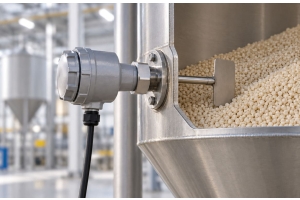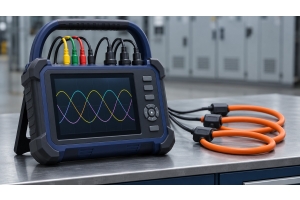
Have you ever encountered issues with pressure or gas deviation that affect the overall production process? SCMA Co., Ltd. (SCMA), as an expert in measuring instruments and automation systems, would like to introduce an essential device that can precisely solve this problem. This article will take you deep into the details of Air Pressure Sensor to serve as a guide to help you choose the equipment for maximum efficiency in the factory.
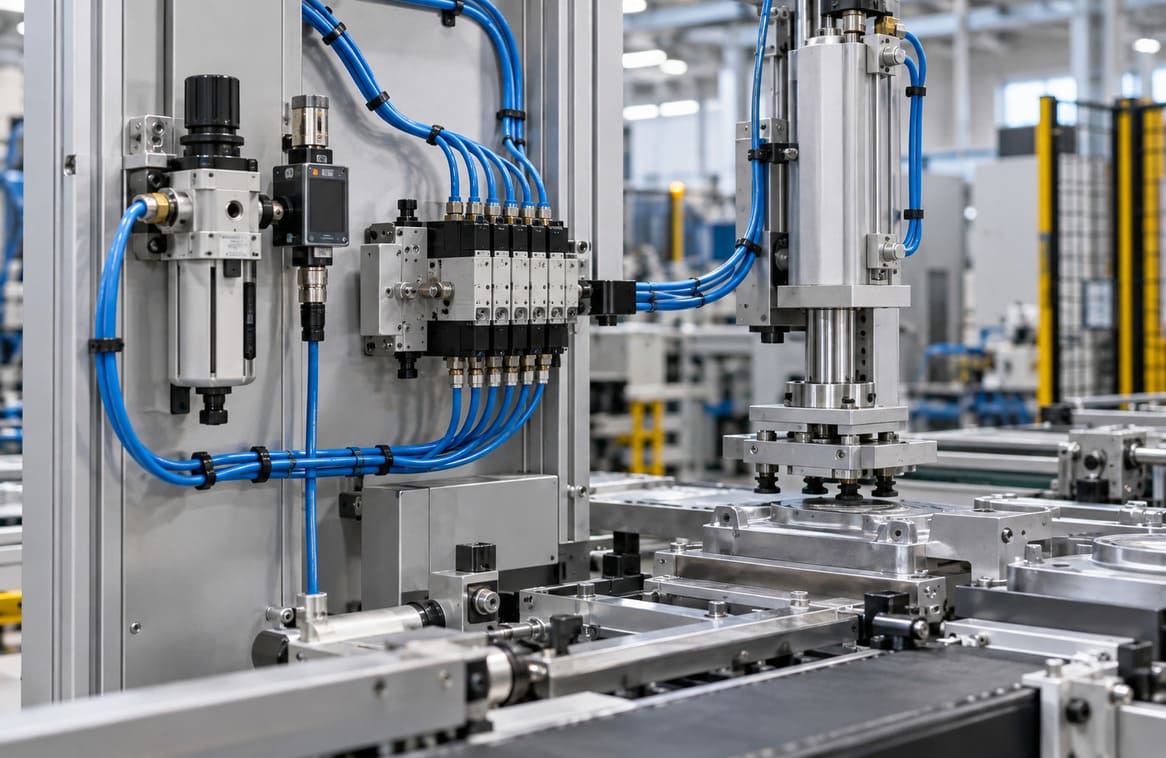
What is an Air Pressure Sensor?
An air pressure sensor is an electronic device that accurately measures the pressure of surrounding gas or air. This device converts the measured pressure value into an electrical signal for display, control, or data recording. Modern industrial systems therefore rely on Pressure Sensor to maintain the stability of machine operations.
How the Air Pressure Sensor Works
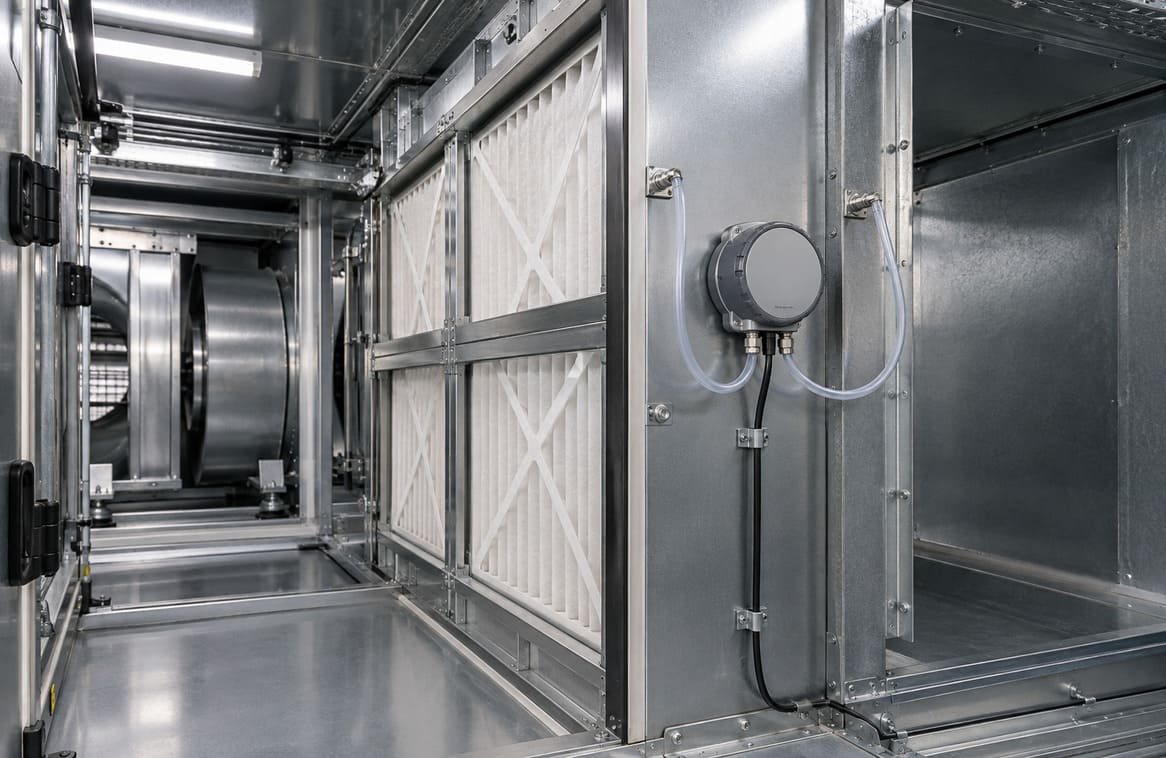
Understanding the complex working principle in a simple way will help engineers fully utilize the device's potential. The main working process of the air pressure sensor is divided into 3 interconnected steps as detailed below.
Receiving Pressure
The first step begins when air pressure or gas moves and impacts the sensing component inside the device. This component is designed as a diaphragm that is sensitive to changes. The quick response in this step directly affects the accuracy of the air pressure sensor's processing.
Signal Conversion
When the diaphragm bends due to pressure, internal technologies such as Piezo-resistive will process the change. This physical change is converted into a resistance value or an electrical signal. The standardized internal circuit design of the air pressure sensor helps reduce noise very effectively in this step.
Outputting Data
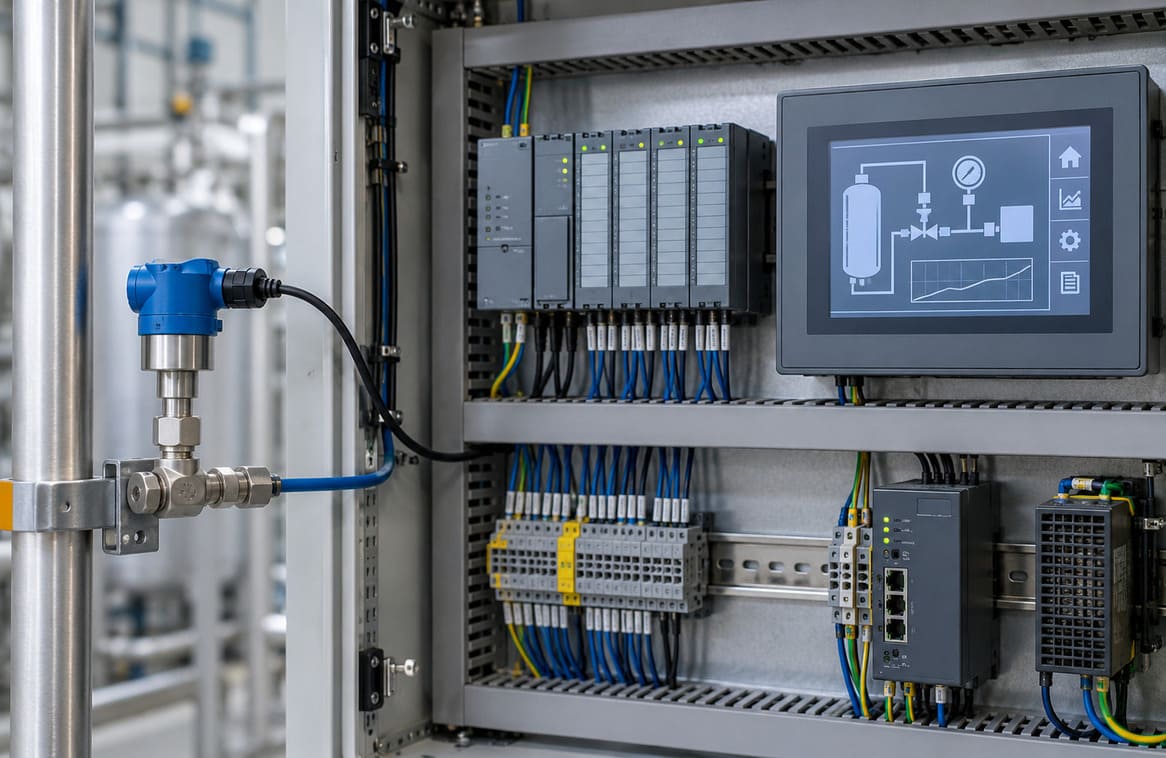
The final step is sending the electrical signal to an external control system. The commonly used standard signal formats include current 4-20mA or voltage 0-10V. Data from these sensors is sent to the PLC to display on the screen or control the machine system in the next step.
How many types of air pressure sensors are there?
Based on the experience of the SCMA engineering team, we have found that selecting the right type of device according to the nature of the work is crucial to reducing machine downtime problems. Air pressure sensors are divided into 3 main types according to their usage characteristics and display methods.
Pressure Gauge
This type of device measures analog pressure values using a mechanical needle on the dial. The main advantage is that it is easy to read with the naked eye without relying on a power source. It is suitable for installing sensors at points where engineers need to check the initial pressure status during inspections.
Pressure Switch
This device operates as a switch that automatically cuts or connects an electrical circuit. The system will activate immediately when the air pressure rises or drops to a pre-set level. This type of air pressure sensor is very effective for safety systems to prevent overpressure.
Pressure Transmitter
High-level technology designed to send highly accurate electrical signals directly to a central control system. Converting pressure values into digital signals allows sensor data to be analyzed and processed quickly in a PLC system. This solution is the standard for factories that require a fully automated system.
Air Pressure Sensor Maintenance
The service life of the measuring instrument depends on proper maintenance according to engineering principles. The following preventive maintenance steps for air pressure sensors will help extend the service life while maintaining the accuracy of the device
Cleaning
The absolute safety rule is to strictly prohibit using hard or sharp objects to scratch the air intake area of the sensor. The correct method is to spray a specialized cleaning solution lightly, let it dry naturally, and only use a dry soft cloth to wipe off external dust
Condition and Usage Inspection
The maintenance team should schedule regular inspections of air hoses and sensor connections to look for cracks, leaks, or looseness. Installation should avoid areas with accumulated moisture, oil deposits, or temperatures exceeding the specified limits. Preventing excessive air surges is also something that should not be overlooked
Calibration
The accuracy of the device may decrease over time, so it is necessary to bring the sensor instrument for calibration against a reference device. Performing calibration at least once a year helps engineers ensure that the processed data is accurate and true to reality
Air Pressure Sensor Usage
The application of air pressure measuring devices covers various sectors to enhance the efficiency of machinery operation. We can classify the main usage of sensors according to the type of industry as follows
Usage in Control and Automation Systems
Pneumatic systems need to check the air pressure sensor in the line to drive cylinders in the factory. HVAC systems require air pressure sensors in air ducts to manage air circulation within clean rooms. Detecting filter clogging also relies on the principle of measuring pressure differences
Usage in Production and Safety
The petrochemical industry uses air pressure sensors to closely monitor pressure in gas storage tanks to prevent accidents. The automotive industry installs them in engine control systems to measure tire pressure. The food industry relies on this equipment to maintain pressure in fermentation tanks to achieve sterile conditions according to standards
Advantages of Air Pressure Sensors
Investing in a high-standard air pressure sensor system is a valuable long-term decision. The benefits range from measurement accuracy to support for advanced automation systems.
Accurate Measurement
The device can display accurate numerical data, helping to reduce human error. Having reliable sensor data allows for careful calculation of air density. Decisions to adjust the production process are based on factual information.
Continuous Operation
The sensor's ability to monitor real-time pressure changes enables the system to immediately alert of abnormalities. The control system can promptly shut down operations before damage occurs. Continuous operation is key to preventing losses.
Compact and Durable
Current sensor manufacturing innovations make the device compact, saving a huge amount of installation space. The structure is designed to withstand harsh factory environments. Choosing high-quality materials helps extend the service life even under vibration.
Wide Range of Applications
This sensor technology has unlimited applications, from controlling air intake in car engines, large industrial systems, to being used with a barometer for weather forecasting. The flexibility of use makes this device a fundamental component.
How to Choose an Air Pressure Sensor
From the case studies we have resolved for our customers, selecting the wrong specification for the pressure sensor is the main cause of system failure. When purchasing an air pressure sensor, the following key factors should be considered:
Select the pressure range to be measured: Understand the type of pressure, whether it is gauge pressure for comparing atmospheric pressure, absolute pressure, or differential pressure
Determine the measurement range (Range): Choose a measurement range that covers the maximum and minimum pressure coordinates of actual usage to prevent sensor damage
Consider the type of output signal: Select an output signal system such as analog, e.g., 4-20mA or 0-10V, that is compatible with the display
Check the installation type: Look at the pipe size and threads to ensure they are compatible with the work surface to prevent leakage issues
Select the housing material: Assess the environment to choose a material that is resistant to gas, high temperature, or relative humidity. Additional information can be read from Sensor Guide for consideration
The Importance of Data Integration
Having an accurate sensor device is just the beginning. Analyzing the numerical data to improve production quality is the real goal.
Analyze trends: Continuous recording of pressure values helps engineers predict machine degradation in advance
Improve processes: Use the measured values to tune pneumatic systems to operate at the most suitable pressure to save energy
Management reports: Convert technical sensor data into performance reports (OEE) to summarize the overall investment value
Summary
Air pressure sensors are essential components that help maintain the balance of production processes in industry. Understanding the basic operating principles, types, and maintenance methods can effectively reduce machine downtime problems. If you are looking forprecision measurement solutions, SCMA is ready to provide consultation and design a complete pressure sensor system.
Interested in purchasing or consulting via LINE Official: @SCMA
If you want to buy air pressure sensors, you can purchase from SCMA today!
Accurate technical data is the starting point for improving production efficiency. SCMA Co., Ltd. offersproject and solution design services, as well asdistribution of air pressure sensors from world-leading brands. Our engineering team is ready to visit the site to assess the actual work and select the air pressure sensor that best meets your needs, eliminating errors permanently.
Frequently Asked Questions
How often should air pressure sensors be calibrated?
Engineers recommend standard calibration at least once a year to maintain data processing accuracy.
What are the advantages of a 4-20mA output signal?
This type of signal is highly resistant to electrical noise, making it suitable for long-distance wiring in industrial factories.
Can sensors be installed in areas with high heat?
Yes, if you choose a model specifically made with heat-resistant materials. Please check the maximum temperature specified by the manufacturer before use.
How does absolute pressure differ from gauge pressure?
Absolute pressure is measured relative to a vacuum, while gauge pressure uses atmospheric pressure as a reference point.
If the sensor reads distorted values, what should be done first?
First, check the connection points and air tubes for leaks, and then send the device for standard calibration.