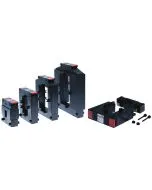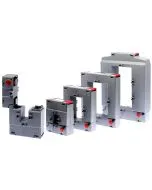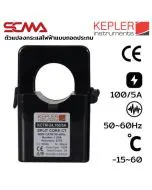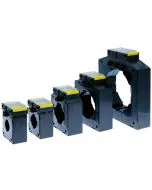

In the design of electrical systems, both in industrial and general engineering contexts, measuring and controlling current values is essential for system safety and stability. The Current Transformer (CT) or current transformer plays a crucial role in converting high currents to appropriate levels suitable for measurement or control without directly contacting the actual current. Besides reducing risks from high voltage, CTs are also key components of protection, monitoring, and efficient energy management systems. This article will explain the functions, operating mechanisms, types, and applications of CTs within the context of modern electrical systems.
What is a Current Transformer (CT)?

A Current Transformer (CT) is an apparatus used to reduce the level of alternating current (AC) from high levels to lower ones in a predetermined ratio, allowing such currents to be safely utilized with measuring or protective devices. This type of current transformer is a primary component in industrial electrical systems, especially where large currents need to be measured or controlled, such as high-voltage power distribution systems. CTs enable the safe and accurate use of standard meters like ammeters or protection relays, which are crucial for highly stable systems.
How does a Current Transformer (CT) work?
The operating principle of a Current Transformer is based on magnetic induction, similar to general transformers. It consists of primary windings that receive current from the main circuit and secondary windings that transfer reduced-level currents to measuring devices. CTs create a magnetic field around the central core when current flows through them, inducing voltage in the secondary windings. The accuracy of transferred current depends on the CT Ratio and Burden, which affect measurement precision. If the CT ratio is 100:5, it means that 100 amps in the actual circuit will be converted to 5 amps in the measuring circuit.
What are the components of a Current Transformer (CT)?

A current transformer consists of several key components that work together to safely transform electrical currents for measurement purposes. Each component has a specific function, which affects the overall efficiency of the transformer, especially in high-precision industrial applications.
Primary Winding
The primary winding is connected to the main electrical circuit and receives direct current from the system being measured. It typically has fewer turns or may simply use a wire passing through it, depending on the design of various CT types. The current flowing through this section creates a magnetic field around the central core, which initiates the process of current transformation.
Magnetic Core (Hollow Core)
The magnetic core serves to transfer the magnetic field from the primary winding to the secondary winding. This core is usually made of silicon steel to have good magnetic conductivity and reduce energy loss. The magnetic field passing through the core creates voltage in the secondary winding, which is a crucial process in current transformers.
Ammeter
The ammeter is connected to the secondary side of the CT and is used to read the transformed current value from the CT. The current entering the ammeter is adjusted appropriately with the CT Ratio to match the actual current in the measurement system accurately and safely, even if it measures only a few amps.
Secondary Winding
The secondary winding receives voltage from the magnetic field in the central core and converts it into an appropriate current for measuring devices or protective relays. It has more turns than the primary side and must be connected in a closed circuit to prevent overvoltage, which could cause damage or danger to users.
Types of Current Transformer (CT)
Current Transformers come in various types to suit the characteristics and limitations of electrical systems. Each type has different physical forms and installation methods. Choosing the right CT type ensures accurate, safe, and appropriate current measurement for the area or application, whether it's a permanent system or a portable one.
Wound CT (Wound Type)
Wound CT is an electrical current transformer with primary windings directly wound inside the device. It is often used in applications requiring high accuracy or measuring currents lower than those of general CTs. Its advantage lies in its ability to be designed according to specific requirements, though installation can be more complex compared to other types, making it suitable for specialized work or permanent systems.
Split-Core CT (Split Core Type)
The Split-Core CT or split core type is designed for easy installation without interrupting the electrical circuit, making it ideal for retrofits in existing systems. The core can be opened and wrapped around wires directly, which makes it popular in maintenance work or portable installations. Although its accuracy may be lower than that of closed-core types, it offers high convenience.
Bar CT (Bar Type)
Bar CT features a straight conductor bar acting as primary windings within the device. It is suitable for measuring currents in systems with high measurement frequency and large current sizes. The standout feature of this type of current transformer is its strength, durability, and ability to handle hundreds of amps or more, making it ideal for industrial plants or power stations.
Benefits of Current Transformer (CT) for Industrial Plants

Current Transformers play a crucial role in enhancing the efficiency of electrical systems in industrial plants, particularly in terms of safety, accuracy in measurement, and protection against abnormal current conditions. They help ensure that energy control systems operate correctly and more efficiently.
The main benefits include:
-
Accurately measuring electrical currents without having to touch high-voltage wires
-
Helping prevent electrical equipment from overcurrent or short circuits
-
Supporting load analysis and energy usage behavior
-
Reducing the risk of accidents when working with high-voltage electrical systems
-
Efficiently integrating with SCADA and energy monitoring systems
-
Promoting sustainable energy management in plants
Application of Current Transformer (CT) in Factories
The use of current transformers in factories is not limited to measurement alone but also covers system control, alerts, and comprehensive energy management. Therefore, the current transformer is an indispensable component in modern industrial electrical systems.
Usage for Measuring Current on Production Lines
Current transformers are installed on production lines to measure the current of motors, machinery, and various electrical equipment, allowing controllers to monitor electricity usage in real-time. This forms the basis for preventive maintenance planning and reducing production downtime.
Usage for Overcurrent Protection Systems
When the current in the system exceeds the set value, the current transformer sends a signal to the relay or protection system to immediately cut off the circuit or issue an alert. This prevents damage to electrical equipment and reduces losses from abnormal events.
Usage for Energy Management
With current data obtained from CTs, detailed analysis of energy usage by each zone or device can be performed, enabling managers to improve energy efficiency, reduce costs, and plan resource use more accurately.
Usage in Maintenance and Electrical System Inspection Work
Checking abnormal currents with CTs quickly identifies problem areas, especially in complex systems. This helps maintenance efforts be targeted, reducing downtime and increasing overall production efficiency.
Why is Proper Installation of a Current Transformer (CT) Beneficial?
Proper and appropriate installation of a Current Transformer not only enhances the safety during use but also has a direct impact on the overall efficiency of the electrical measurement and control system. If installed correctly, it helps improve the accuracy of measuring instruments and reduces the risk of long-term damage to equipment.
Benefits of Proper CT Installation:
-
Separates high current from measurement devices for safety
-
Reduces the risk of direct current measurement in high-voltage systems
-
Improves the accuracy of data sent to control systems
-
Facilitates easier maintenance and repair when faults occur
-
Increases the lifespan of energy measurement devices and relays
Guidelines for Using Current Transformer (CT)
Using CT should be carried out according to appropriate standards, including installation, operation, and maintenance, to achieve maximum efficiency from the transformer and reduce risks associated with improper installation or use.
Recommended Practices:
-
Do not open the secondary circuit while CT is loaded as it may cause high voltage
-
At least one terminal of the secondary side should be grounded for safety
-
Ensure that connections are tight and properly wired
-
Clean the CT periodically and check current transformation values regularly
-
Select a CT with an appropriate current ratio (CT Ratio) for actual load conditions
How Should You Choose a Current Transformer (CT)?
Selecting the right CT is crucial for measurement accuracy and system safety, especially in high-voltage electrical systems or industries requiring strict control. Both technical specifications and job site limitations must be considered.
Factors to Consider:
-
CT Ratio Value: Choose one that fits the actual load being used
-
Accuracy Class: Select based on the desired level of accuracy
-
Burden (Attached Load): Must not exceed what the CT can support
-
Type of CT: Such as Bar Type, Split-Core, or Wound Type to suit installation requirements
-
Size and Physical Form: Must fit the job site space and existing wiring
-
Support for Measurement or Protection Systems: Such as for ammeters or relays
If you want to buy a Current Transformer, SCMA services are available today!
If you're looking for high-quality current transformers with comprehensive engineering consultation SCMA, we curate from leading manufacturers to suit every type of electrical system, whether it's industrial work, substation facilities, or research systems. We have a team of expert engineers who provide support from product selection through actual installation. SCMA services focus on safety, accuracy, and long-term use. For inquiries or additional advice, please contact us via any channel.
Summary
Current Transformer is crucial in the system of measuring and controlling electrical current in industrial work. With its ability to convert high currents into manageable levels safely, it also helps ensure accurate analysis and control of energy within the system. SCMA is ready to provide comprehensive services for current transformers, from product selection to actual installation, to meet the needs of every industry requiring safe and highly efficient electrical systems.
Frequently Asked Questions
What is the function of a Current Transformer?
A Current Transformer (CT) functions to convert high AC current levels to lower, safer levels for measurement and control in the system. It works through electromagnetic induction principles.
Its main functions include:
-
Indirectly measuring AC current via a secondary winding
-
Reducing the risk of direct measurement in high-voltage systems
-
Sending data to measuring devices such as ammeters or power meters
-
Feeding information into relays for overcurrent or short-circuit protection systems
How do CT and PT differ?
Both Current Transformer (CT) and Potential Transformer (PT) are transformers used in high-voltage electrical measurement systems, but they serve distinct functions based on the type of parameters being measured.
Key differences:
-
CT converts current while PT converts voltage
-
CT is connected in series with the electrical circuit, whereas PT is connected in parallel
-
CT is suitable for measuring load current while PT is better suited for measuring voltage in the system
-
PT devices are generally larger than CTs according to the voltage level
What is a CT in electrical terms?
In electrical terms, CT or Current Transformer is an apparatus in AC systems that converts high current levels in the main circuit into lower currents at a specified ratio, such as 100:5 or 200:1. This allows for safe transmission to measuring or protective devices without affecting the primary circuit. CTs are crucial components for safety and accuracy in electrical measurement systems.
What are VT and CT?
VT (Voltage Transformer) and CT (Current Transformer) are transformer devices used in electrical systems to convert key electrical parameters into measurable levels. Each type has distinct functions.
Summary:
-
CT (Current Transformer): A current converter for measuring currents in high-voltage systems
-
VT (Voltage Transformer): A voltage converter for measuring voltages in electrical systems
Both types are essential in measurement and protection (Protection System) applications, commonly used together to monitor both voltage and current in systems for comprehensive energy analysis.