What is a Controller? What are its functions and benefits?
Controllers are the heart of industrial automation systems, helping to modernize and enhance production efficiency. SCMA, experts in industrial control system solutions, share deep insights into technologies transforming Thailand's industry landscape. With years of service experience, we are confident that selecting the right controller will boost your business competitiveness.
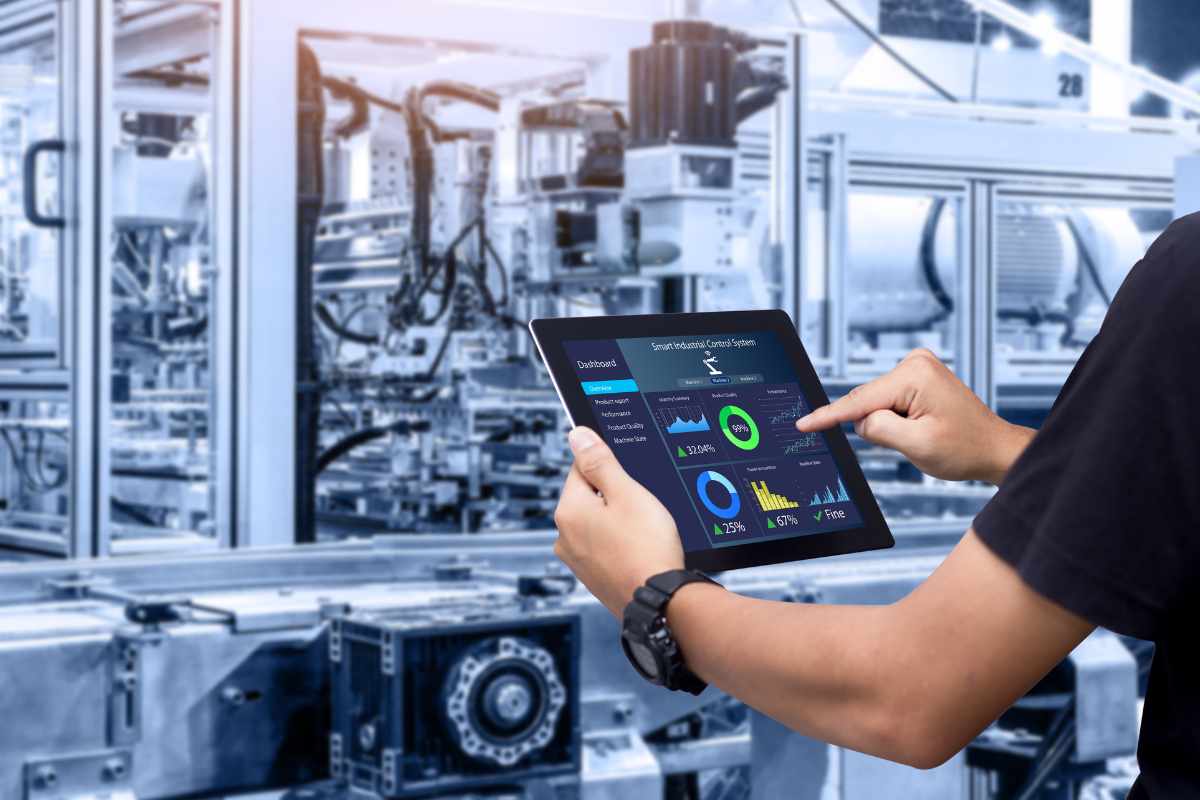
What is a Controller (Controller)?
What does an industrial controller do?
What does a controller do? A controller's primary function is to receive signals from measuring devices (Sensors), process and compare them with the parameters set within the system, then send control signals to driving devices (Actuators) to adjust operations according to predefined goals. Additionally, it records operational data, generates statistical reports, alerts when abnormalities occur, and connects to a central control system for remote monitoring by administrators. This makes production control systems flexible, adaptable to changing needs, and responsive to changes quickly.
What are the components of a control system?
An industrial control system consists of several components that work together as a system, each with specific important roles in controlling production processes to achieve maximum efficiency.
- Programmable Automation Controller (PAC) - An industrial computer that combines the capabilities of PLC and PC, capable of efficiently processing high-level commands and controlling complex processes.
- PLC (Programmable Logic Controller) - A small computer specifically designed for industrial control tasks, used to control the sequence of machine operations with programmed logic.
- HMI (Human Machine Interface) - A graphical display that allows operators to conveniently monitor status and control system operation through touch or button presses.
- Remote Terminal Unit (RTU) - A field device using a microprocessor to collect data from sensors and send it back to the control center via communication systems.
- Control Server - A central computer hosting primary control software, coordinating and communicating with all control devices in the system.
- Intelligent Electronic Device (IED) - Devices capable of processing and making initial decisions on their own, reducing the central system's processing load.
- Control Circuit - A set of control devices consisting of PLCs, actuators, and sensors working together in a closed loop to control specific processes.
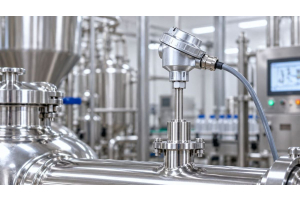
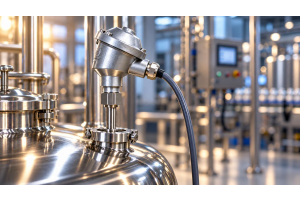
- Sensors - Devices measuring various values such as temperature, pressure, liquid levels, and sending signals to controllers for processing.
- Data Historian System - A database storing all operational history for analysis, planning, and improving production processes.
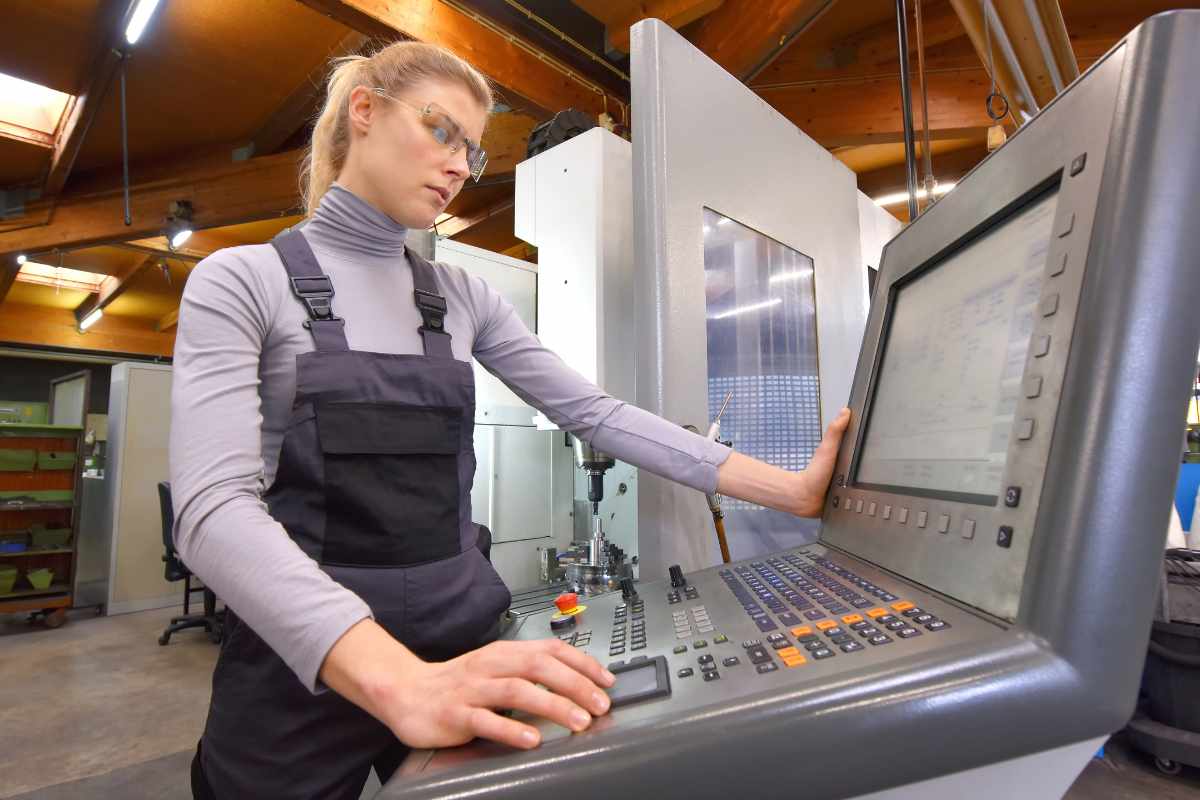
Types of Controllers
Industrial controllers come in various types designed to meet different needs. Each type has its own strengths and is suitable for different job characteristics. Choosing the right one will help ensure that the system operates at maximum efficiency.
PLC (Programmable Logic Controller)
PLCs are the most popular controllers in industrial applications, suitable for controlling machinery and automated systems with clear step-by-step processes. They are often used to control basic digital signals (on/off) and analog controls such as conveyor belts, packaging systems, or production line machines. PLCs are highly durable and can operate in high-temperature, dusty, or vibrating environments. Compared to their capabilities, they are not overly expensive and have easy maintenance.
DCS (Distributed Control System)
DCS is a distributed control system suitable for large-scale plants with continuous and complex production processes such as oil refineries, petrochemical plants, or power stations. This system distributes control to multiple points within the plant, allowing efficient simultaneous control of several processes. It has excellent real-time data processing capabilities and robust backup systems; if any part fails, the system can still continue operating.
SCADA (Supervisory Control and Data Acquisition)
SCADA is designed for remote control and data acquisition from dispersed locations such as water supply systems, power transmission networks, or gas pipelines. It can collect data from multiple sources and display it on a central control screen. Operators can monitor status and issue commands from the control center. The system has automatic alerting when anomalies occur and can record data for later analysis.
How are controllers important to industry?
Controllers play a crucial role in driving modern industries towards efficiency and competitiveness by elevating production from traditional systems to advanced automated systems.
- Accuracy and Stability - Controllers help control the manufacturing process with high precision, maintaining various parameters as specified, such as temperature, pressure, or speed, reducing errors from manual control.
- Adaptability in Harsh Environments - Designed to withstand factory environments, whether it's high heat, humidity, dust, or vibration, they can operate continuously for 24 hours without downtime.
- Cost Reduction - Help save long-term costs by reducing energy consumption, minimizing waste in the production process, increasing production rates, and lowering labor costs for system maintenance.
- Automated Control - Enable manufacturing processes to proceed automatically according to predefined programs, reducing reliance on human labor, increasing safety, and ensuring consistent production over time.
How do industrial controllers enhance safety and efficiency in industries?
Industrial controllers not only help increase production efficiency but are also crucial tools for ensuring the safety of employees and assets. With an automated system that can quickly and accurately monitor and respond to various situations, they play a vital role.
1. Enhance Safety in Work Processes
Controllers have safety monitoring systems that operate continuously, capable of detecting abnormalities such as excessively high temperatures, abnormal pressure, or unsafe operations and immediately stopping the system. They feature Interlock systems to prevent incorrect sequence operations that may cause danger, along with multi-level alert systems ranging from initial warnings to emergency stops. Additionally, they can record all events for analysis and prevention of future accidents.
2. Enhance Production Efficiency
Automatic control systems help production processes become more accurate and consistent, allowing rapid parameter adjustments according to needs, reducing downtime during line changes. They have real-time data collection and performance analysis capabilities that enable continuous process improvements, including automatic quality control which reduces waste and increases standardized output.
3. Prevent Errors
Controllers reduce human errors by strictly following predefined programs, with command validation systems to prevent incorrect or dangerous settings. They have Alarm Management systems that prioritize alerts, helping operators manage issues efficiently and maintain logs of all changes for audit purposes.
4. Prevent Damage and Maintain Quality
Control systems prevent machine damage through continuous monitoring of operating conditions, enabling predictive maintenance to reduce unplanned downtime. They have quality control systems that inspect products throughout the production process, automatically separating waste, and adjusting production parameters to maintain consistent quality.
Where can controllers be used?
Industrial control systems are widely used in various industries around the world. Each industry adapts them to suit specific production characteristics and requirements.
Manufacturing Plants
Used for controlling automated assembly lines, component assembly, welding, painting, packaging, and product sorting. They increase production speed and accuracy, reduce waste, and enable diverse products to be manufactured on the same line.
Processing or Chemical Manufacturing Plants
Control chemical mixing processes, temperature and pressure control in reactors, distillation systems, and substance separation. Special safety systems manage hazardous substances, including continuous product quality monitoring.
Oil Refineries
Used for controlling oil distillation processes, component separation, temperature and pressure control in distillation towers. They include leak detection and prevention systems, as well as product storage and transportation controls.
Food and Beverage Manufacturing Plants
Control food processing, ingredient mixing, heating and cooling processes, hygienic packaging systems, labeling, and quality inspection. They have traceability systems to track the origin of raw materials.
Automotive Manufacturing Plants
Used in car assembly lines, robotic welding, painting, component assembly, and quality testing. Highly flexible for changing production models, they can also record detailed manufacturing data for each vehicle.
Pharmaceutical Manufacturing Plants
Control high-precision drug manufacturing processes, ingredient weighing, cleanroom environmental control, packaging systems, and quality inspection. They maintain strict record-keeping according to GMP standards.
Moreover, controllers play a crucial role in national infrastructure such as power distribution, water supply, public transportation, wastewater treatment, and telecommunications, all of which require highly efficient and reliable control systems.
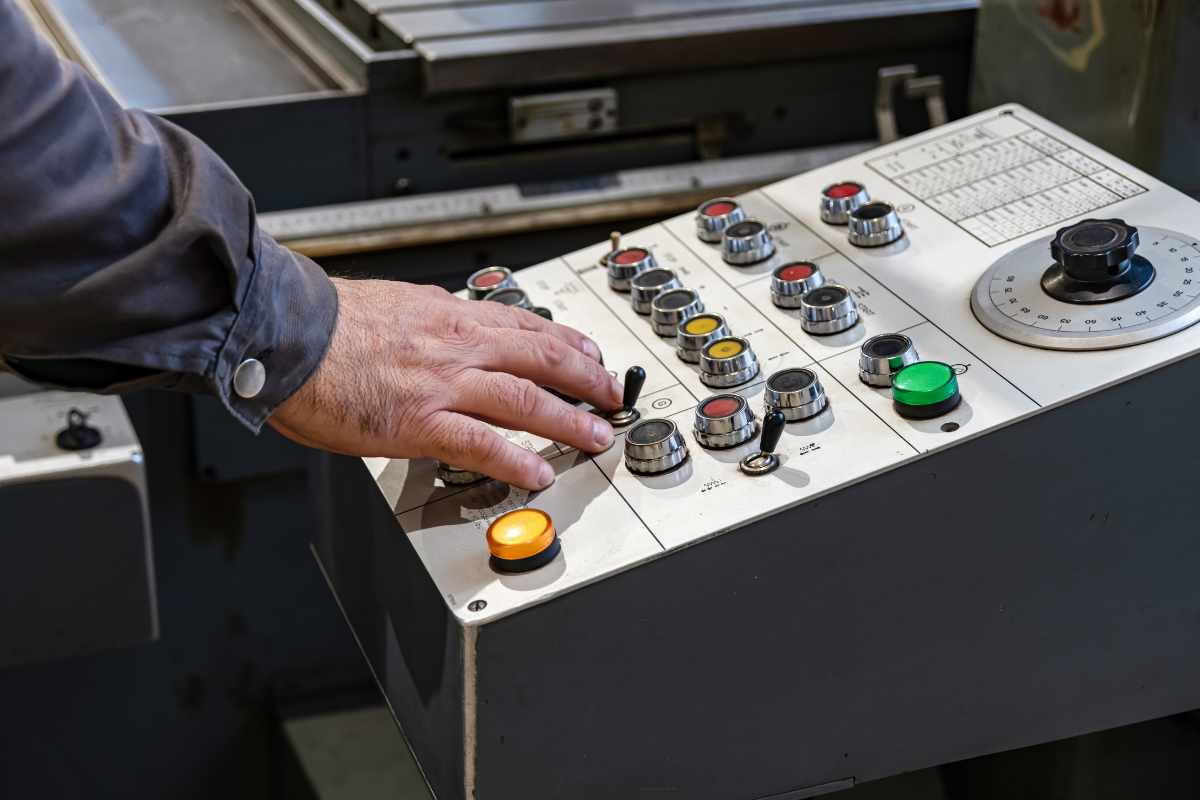
If you want to purchase controllers, SCMA is now available for service!
SCMA, the leader in comprehensive industrial control system solutions, offers high-quality controllers from world-class brands such as PLC, DCS, SCADA, and PAC that meet every industry need. With an experienced team of experts ready to provide consultation on selecting the most suitable control systems for your specific requirements, we guarantee 100% genuine products along with quick spare parts and technical support. Rest assured in our excellent quality and after-sales service.Contact SCMA today to elevate the efficiency of your factory
Summary
Controllers are the heart of industrial automation systems that help control and manage production processes for maximum efficiency. With their ability to receive signals, process data, and accurately control various equipment, whether it's PLC, DCS, or SCADA, they play a crucial role in enhancing efficiency, safety, and reducing production costs. SCMA is ready to be your reliable partner in providing high-quality controllers along with expert advice to help your business confidently step into the Industry 4.0 era.
Frequently Asked Questions
What is a Controller?
A controller, or control unit, is an electronic device that controls the operation of machinery and systems in industries. It receives data from sensors, processes it according to predefined programs, and sends control signals to end devices, making production processes automatic, accurate, and efficient.
What does a Controller do?
A controller acts as the brain of an automated system by receiving values from measuring devices, comparing them with set values, and sending control signals to adjust operations. Additionally, it records data, generates reports, alerts on anomalies, and connects to central control systems for remote monitoring and control.
How many types of Controllers are there?
Controllers are primarily divided into three main types: PLC (Programmable Logic Controller) suitable for general machine control, DCS (Distributed Control System) appropriate for large plants with complex processes, and SCADA (Supervisory Control and Data Acquisition) ideal for remote system monitoring and control. Each type has its advantages and is suited to different tasks.
What is a PLC Control Program?
A PLC control program is a set of instructions written to control the operation of a PLC using specific programming languages such as Ladder Diagram, Function Block Diagram, or Structured Text. This program defines the sequence of operations, control conditions, and responses to various signals, enabling the PLC to automatically control machinery as required.