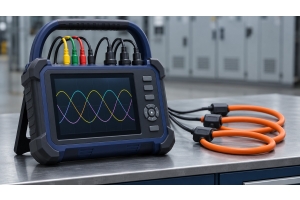
Having trouble measuring electric current in limited spaces or needing maximum safety during work? Choosing a standardized Current Probe or Current Clamp Probe is the solution engineers need. SCMA, as an expert in industrial measuring instruments, is ready to provide advice and supply accurate solutions. This article will take you deep into the working principles, maintenance checklists, and guidelines for selecting equipment that meets real-world usage needs.
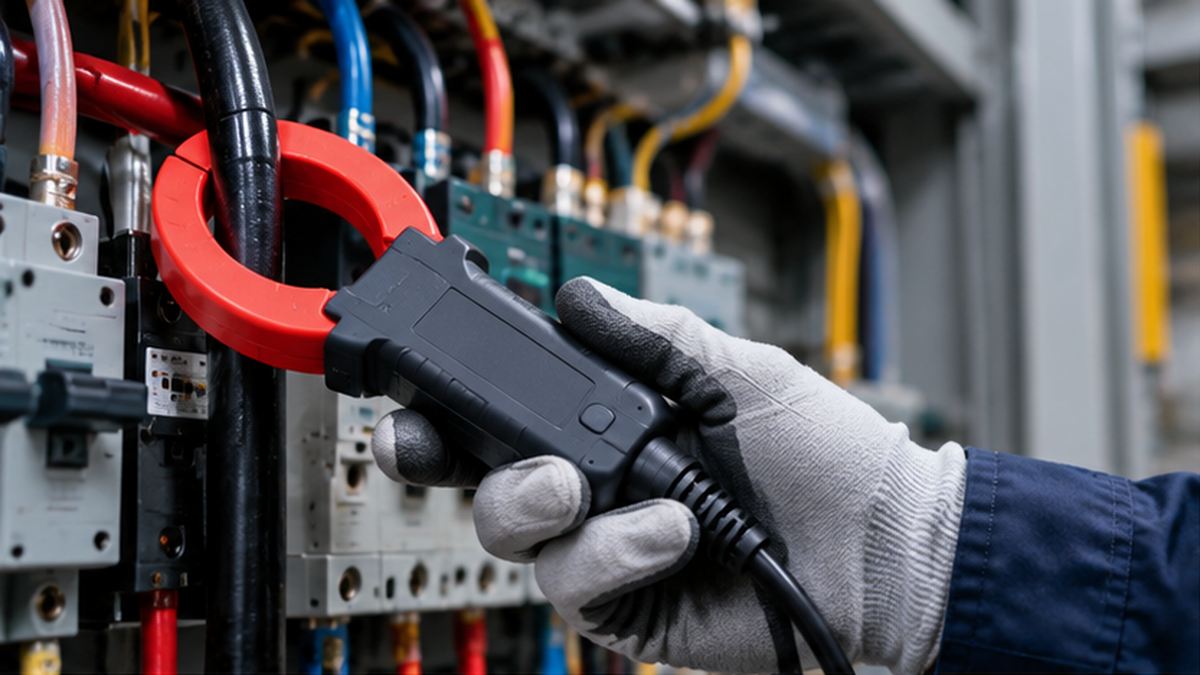
What is a Current Probe?
A Current Probe is an important device used to measure and convert electrical current signals in a system, allowing the obtained values to be safely used for inspection or display. SCMA is a leading distributor of electrical and industrial measuring instruments, offering a range of Current Transducers, including Current Clamp Probes and Current Transformers (CT). These devices reduce the current to a level that the control system can process efficiently.
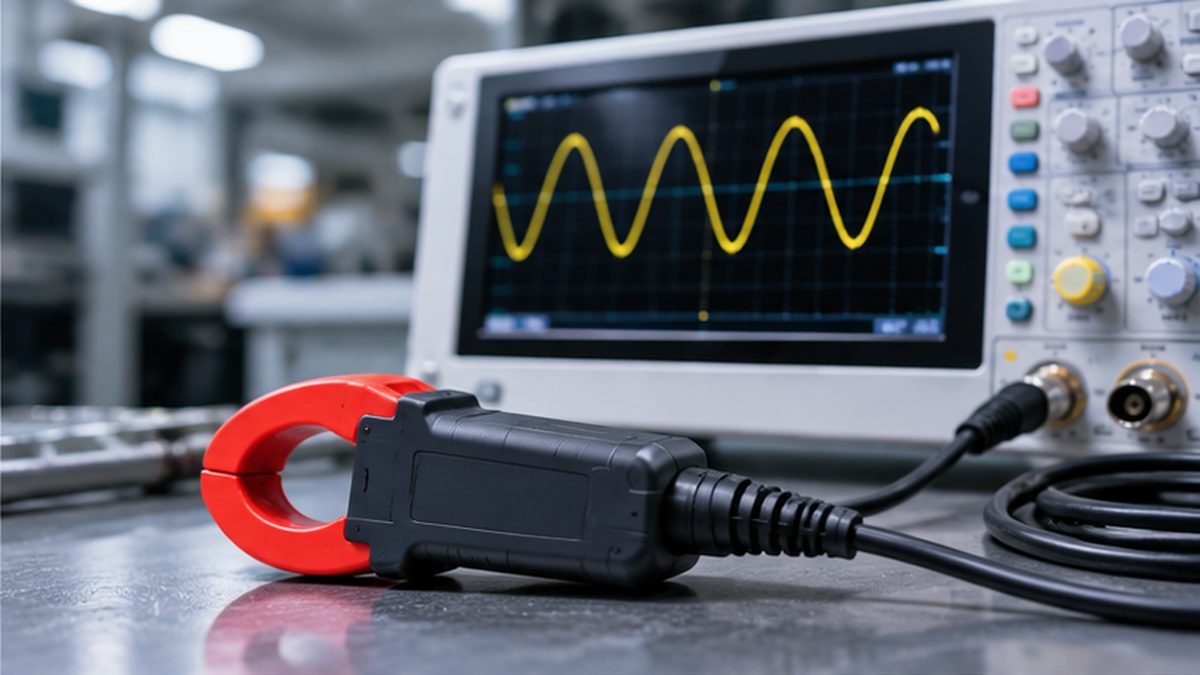
Principle of Operation of Current Probe
Understanding the principle of operation of an electrical current transformer helps engineers apply it correctly to control systems. A current probe uses physical laws to convert large current quantities into small signals
1. Using Electromagnetic Induction
The principle of operation of SCMA's current measuring and transforming device uses electromagnetic induction to reduce high alternating current in the main circuit. The operation of this type of Current Probe will reduce the current value according to the specified ratio. This creates safety and suitability for display or machine control systems
2. Magnetic Field from Primary Current
When electric current flows through the main wire or primary winding, a magnetic field continuously circulates around the conductor. This changing magnetic field passes through the steel core of the Current Clamp Probe. The induction of the steel core causes induced current to flow through the secondary winding (Secondary Winding) to send the signal to the destination
3. Attenuation According to Transformation Ratio (Ratio)
The output current will be attenuated according to the standard ratio designed, such as 100/5A or 400/5A. This ratio allows the Current Probe to send a safe signal to the meter or automatic control system. Accurate signal conversion has a positive effect on the processing of machines in large industrial factories
How many types of Current Probes are there?
SCMA Alliance Co., Ltd. (SCMA) offers Current Transformer (CT) devices and current transducers that meet the needs of the industrial sector. These devices are divided into two main categories based on general electrical systems.
1. AC Current Type (AC Current Measurement)
AC Current devices are designed to convert alternating current values into standard signals for transmission into the control system. This type of Current Probe is suitable for general factory electrical systems that use alternating current. Choosing devices that support AC helps achieve high accuracy in monitoring the operation of large motors or water pumps.
2. DC Current Type (DC Current Measurement)
For systems that use solar energy or batteries, DC Current devices will be responsible for converting direct current values into readable signals. This type of Current Clamp Probe is essential in the electric vehicle industry or backup power systems. Classifying sensors according to the type of current helps extend the lifespan of measuring instruments.
Maintenance of Current Probe
Proper maintenance of the current probe or current conversion devices in the system helps ensure accurate measurement values. The SCMA engineering team recommends maintenance procedures to prevent damage to wires and connectors.
1. Daily Maintenance
Users should clean the surface of the Current Probe with a soft dry cloth to remove dust or oil. Then, check the wires for any signs of damage, such as cracks or insulation wear. The final step is to check the connectors or contacts of the Current Clamp Probe to ensure there is no rust buildup to prevent signal interference.
2. Proper Storage
Avoid storing the device in areas with high heat or direct sunlight. It should be stored at an appropriate temperature. When winding the Current Probe cable, do so carefully, avoiding bending or over-tightening. After use, it should be stored in the original anti-shock bag or box to prevent dust from entering the circuit board.
Application of Current Probe in Industry
The use of current transformers, such as Current Transformer (CT), in industrial systems has the main function of converting and reducing high current. Safely transmitting data to measuring instruments or automatic control systems is the key to its operation.
1. Convert High Current for Safety
The main function of the device is to reduce alternating current in high-voltage systems to a lower level, such as a secondary current rating of 5A. This process of the Current Probe helps provide maximum safety for machine operators. Lowering the signal also helps prevent damage that may occur to expensive measuring instruments.
2. Connect to Automation Systems
The Current Clamp Probe serves to send electrical current data signals to PLCs or energy management systems (EMS). These data are used to control and monitor the real-time operation of industrial machinery. Quick data transmission helps factory managers improve production efficiency immediately.
3. Protect Electrical Systems from Faults
The current measuring sensor works together with protective relays to immediately disconnect the circuit when a short circuit occurs. Using the Current Probe to detect overcurrent helps prevent fires or severe damage to the production line. Investing in standardized equipment is a cost-effective way to protect risks for every factory.
Advantages of Current Probe
Installing high-quality electrical measuring devices helps ensure high safety when measuring current in industrial systems. These devices can be effectively and stably connected to automatic control systems.
1. Provides high safety for workers
The first advantage is the ability to convert high electrical current into a safe standard signal. Using the Current Probe allows engineers to avoid direct contact with high-voltage wires during measurement. This increased safety helps reduce accidents in the workplace in a tangible way.
2. Compact size and easy to install and use
The Current Clamp Probe device is designed to be small and lightweight. Its compact design makes it easy to install in control cabinets with limited space. This design meets the needs of maintenance technicians who need to carry the device to inspect various points in the factory.
3. Full support for automatic system connectivity
The current transformer supports sending standard signals to connect directly to the PLC system. Sending data from the Current Probe into the EMS system helps ensure smooth energy management in the factory. Accurate data helps engineers analyze and plan preventive maintenance more easily.
4. Energy efficient and reduces long-term costs
Standard current measuring devices consume less power and have high stability during operation. Choosing an accurate Current Clamp Probe helps the control system operate machinery precisely according to demand. This stability clearly reduces long-term maintenance costs.
How to Choose a Current Probe
Selecting a Current Transformer from SCMA that is suitable for your application should primarily consider the environmental conditions at the site. The checklist below will help you make precise decisions on the specifications.
- Type of Current: Check first whether your system is alternating current (AC) or direct current (DC) to select a Current Probe that can measure values correctly.
- Current Rating (Current Range): Evaluate the primary input current size to match the secondary output. Allowing some margin for actual current usage helps prevent the Current Clamp Probe from working beyond its rating.
- Installation Characteristics: If you do not need to cut the circuit, choose a split-core model such as Current Transducers. For new cabinet installations, fixed-core models can be used.
- Accuracy Class: For systems requiring high precision, select a Current Probe with an accuracy class of 0.5 to ensure data is not distorted.
Understanding the Importance of High-Frequency Current Probes (RF Current Probes)
Alongside general industrial current measurement, testing electromagnetic interference (EMI) signals is also important. Understanding high-frequency probes helps electronic systems operate without signal interference.
- EMC/EMI Testing: Engineers need to use specialized probes to measure interference signals running through cables in communication devices.
- Frequency Differences: General Current Probes are used to measure 50/60Hz current, but RF probes are designed to support much higher frequencies.
- Standard References: Interested parties can gain deeper insights into application from the article Understanding and Implementing RF Current Probes to enhance knowledge on signal measurement.
- Joint Usage: In some projects, using a Current Clamp Probe together with a signal analyzer helps resolve machine malfunctions more quickly.
Summary
Current Probe and Current Clamp Probe are essential technical devices for converting high voltage current into a safe level for industrial control systems. Choosing the correct equipment according to specifications and maintaining it regularly helps reduce machine downtime problems. If you are looking for a stable electrical measurement system solution, the engineering team SCMA is ready to provide advice and design a system tailored to your factory.
Interested in purchasing or consulting via LINE Official: @SCMA
If you want to buy a Current Probe, you can purchase it from SCMA today!
Receiving accurate technical information helps engineers plan electrical system maintenance precisely. SCMA offers industrial products and high-quality Current Probe selections from world-leading brands. We do not only sell Current Clamp Probes, but we also provide Project & Solutions services with a team of expert engineers to manage your automated systems in a comprehensive manner.
Frequently Asked Questions
1. Can the Current Probe measure current while the machine is operating?
It can be measured immediately using the split-core model. This method allows you to check the current without stopping the production line
2. How often does the device need to be calibrated?
The SCMA expert team recommends calibrating the device annually. Periodic calibration ensures that the measurement values remain accurate according to industry standards
3. How is the Current Clamp Probe different from a normal CT?
The clamp style is designed with a jaw that can open to easily clamp around the wire. In contrast, a normal CT is a solid core that requires the wire to be passed through the center for installation
4. Can an AC current probe be used to measure DC current?
They cannot be used interchangeably. The internal sensor is designed based on different principles. Using it to measure the wrong type will result in inaccurate measurements
5. Interested in designing a control system using a current transformer? Contact whom?
Factory engineers can contact for technical consultation at the Chonburi and Lampoon branches, or contact the SCMA headquarters to have the team help assess the actual site