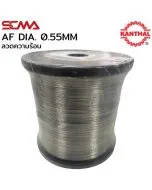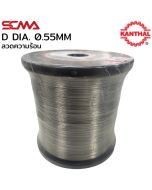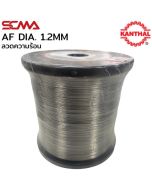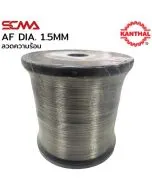
Coil Heater is the equipment you are looking for to enhance the efficiency of your plastic injection machine, right? For those who wonder how Heater Coil works or are searching for a coiled heating element to build an industrial heater, this article will take you through detailed engineering specifications and purchasing tips. You'll gain knowledge to safely boost your production capacity. If you need consultation on thermal system design, you can contact our SCMA System Design & Consultation Services immediately.
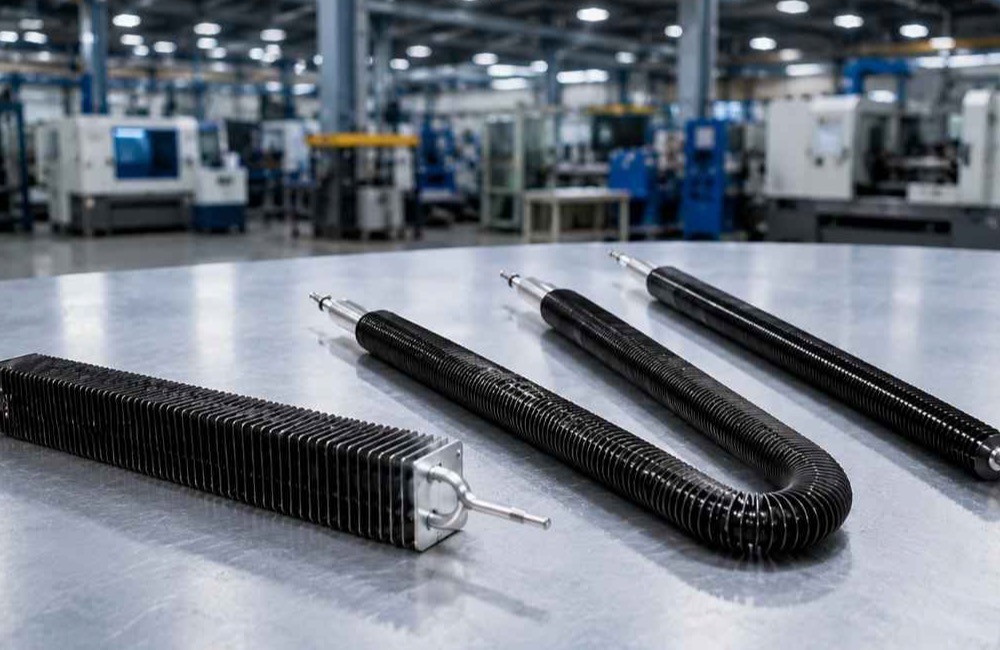
Coil Heater (Coil Heater) What is it?
In the manufacturing industry of plastic parts, Coil Heater is a crucial component with significant importance. This device is a heat generator that has a coiled spring-like or cylindrical shape design. Such a design allows for snug fitting around injection nozzles (Nozzle) or liquid transfer pipes. Its standout advantage lies in its rapid heat transmission and even temperature distribution, ensuring high-quality finished products. You can further study the in-depth properties and applications of Coil Heater for additional engineering reference.
How does a heating coil work?
The physical mechanism of this type of heater relies on the principle of converting electrical energy into thermal energy (Joule Heating). When we supply an electric current to a heating coil with high resistance, electrical energy is rapidly transformed into heat. This heat is then transferred through the insulation to the outer metal casing and subsequently radiates into the target object that the coil surrounds. The continuous temperature transfer helps maintain stability in the plastic melting process, which typically works alongside a Thermostat to precisely and safely control heat levels.
What are the main components of a Heater Coil?
The internal structure of this type of heating equipment is designed for exceptional durability. The SCMA engineering team summarizes the key components of Heater Coils to give you a clear understanding of the product specifications.
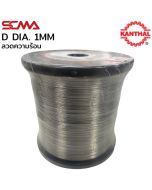
- Resistance Wire: This is the core component that generates heat, commonly made from nickel-chromium alloy (Ni-Cr), which excels at withstanding high temperatures.
- Insulation: Magnesium oxide powder (MgO) serves to prevent electrical leakage and acts as a good thermal conductor.
- Metal Sheath: Made from stainless steel or Incoloy, it protects internal components from impact, chemicals, and corrosion.
- Lead Wire: High-temperature resistant wire must be used to prevent insulation melting issues during prolonged use.
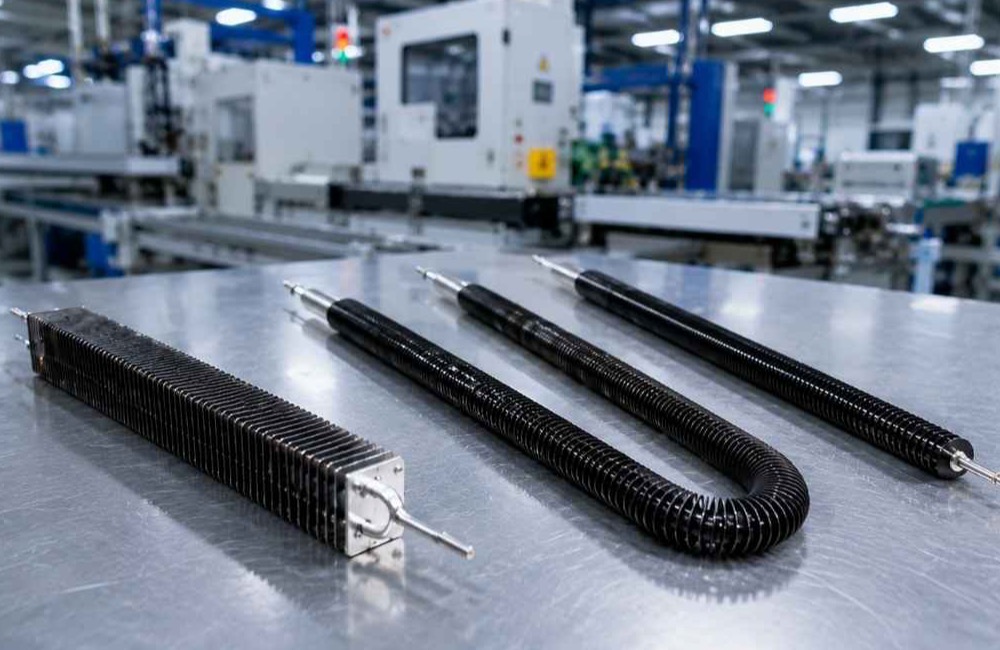
Applications of Coil Heater in Industry
The flexibility in shaping makes Coil Heaters widely applicable. The main industries that cannot do without this equipment are as follows:
Plastics and Packaging Industry
This is the industry that uses Heaters most extensively, especially in Hot Runner Systems of plastic injection machines, plastic extruders (Extruder). The equipment is wrapped around the nozzle to maintain a constant melting temperature for plastic pellets, preventing them from solidifying and clogging before being injected into molds.
Boiling Water or Heating Liquids
The spring-like coiled shape can also be used as an immersion heater (Immersion Heater). The coiling increases the surface area in contact with liquids, rapidly raising the temperature of water or oil in tanks. This meets the needs of factories requiring large-scale liquid heating systems.
Automotive and Electronic Components Industry
The localized drying process, vacuum packaging sealing, and metal die casting mold heating all rely on Coil Heaters to achieve precise temperatures, helping reduce tangible losses in production lines.
How to Choose and Purchase Coil Heaters for Cost-Effectiveness and Safety
Purchasing Heater Coils that meet standards helps reduce machine downtime. The SCMA team has an important checklist to help you make the right specifications decision.
- Internal Diameter (ID) and External Diameter (OD): Accurately measure the plastic nozzle or pipe size, the coil must fit snugly for maximum heat transfer.
- Wattage and Voltage: Wattage should be appropriate to the mass of material being heated. Using 220V or 380V power supply must match your factory's electrical system.
- Total Length of Coil: Must cover all areas requiring heat, if the coil is too short it may cause uneven temperatures in the injection barrel.
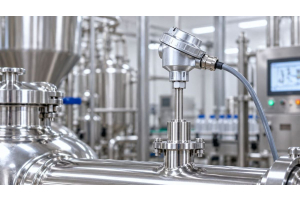
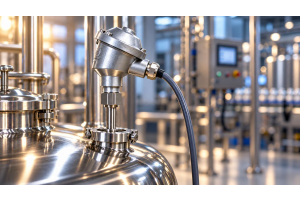
- Included Thermocouple: Models with built-in thermocouple wires will help temperature control devices read heat values more accurately. You can learn more about industrial temperature sensors to apply them perfectly.
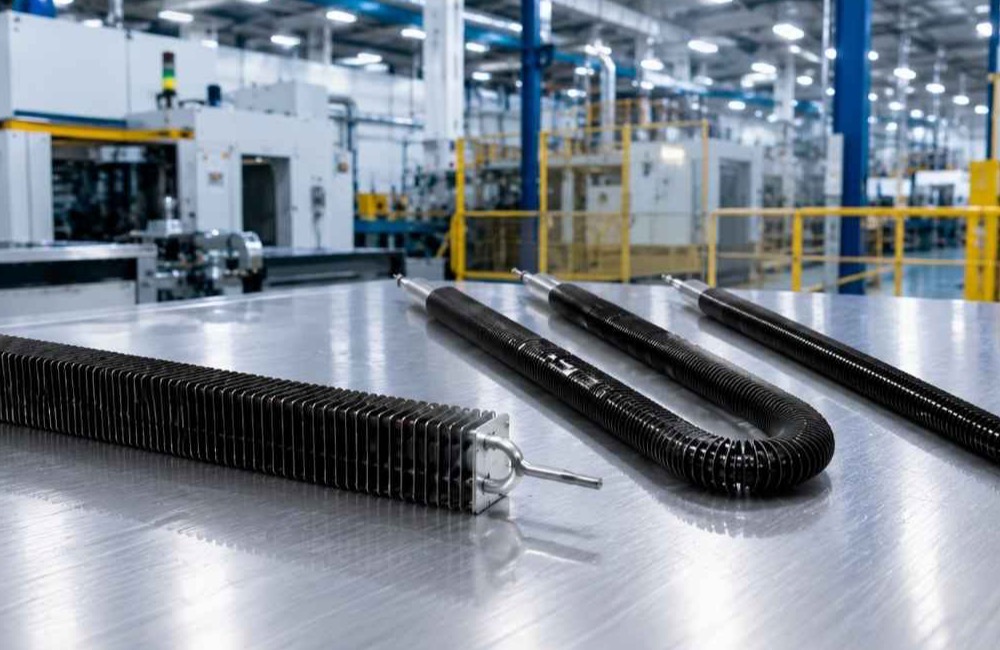
Installation and Maintenance Precautions
Proper installation of Coil Heaters is a safety barrier in the factory. Practices to extend heater lifespan include:
- Tight Installation Required: Do not leave gaps between the coil and plastic nozzle, air trapped acts as insulation hindering heat transfer causing internal wires to break easily.
- No Manual Shape Alteration: The coil is bent by factory machinery. Attempting to bend or stretch it manually may cause internal insulation damage leading to electrical leakage.
- Avoid Running Dry (Operating Without Contact): Ensure the coil always touches the material being heated, operating in open air will accumulate heat causing equipment to burn out.
Summary
It can be concluded that Coil Heater is an innovation designed to manage heat in limited spaces powerfully. Understanding the components of a heating coil, as well as how to properly maintain a Heater Coil, helps increase your factory's profits sustainably. If you need technical advice, please consult with SCMA’s system design services. They are ready to professionally handle all of your projects.
If you want to buy one, you can purchase from SCMA today!
Selecting high-quality heating equipment is a worthwhile investment. SCMA Co., Ltd. (SCMA) is an industrial heater distributor. We have a team of expert engineers ready to visit your site for assessment and help design systems for you. You can explore the full catalog of SCMA products on our website to find the best heating solutions immediately.
Frequently Asked Questions (FAQ)
How does a Coil Heater differ from a Band Heater?
A coil heater is shaped like a coiled spring, providing quick and close heat to surfaces. A band heater, on the other hand, is a rolled metal sheet with locking mechanisms for large plastic injection barrels.
What materials are heating coils made of?
The internal resistance wire is made from nickel-chromium alloy (Ni-Cr), which can withstand extremely high temperatures up to 1,200 degrees Celsius and resist oxidation.
When should a coil heater be replaced?
A replacement should be done immediately if the coil heats up slowly, temperature control systems malfunction, or there are burn marks on the external insulation wires to prevent electrical short circuits.
Can coil heaters be custom-made to specific sizes?
This is possible. Most industrial plants usually order custom-sized coil heaters based on diameter, length, and required wattage for a perfect fit with machinery.