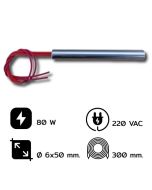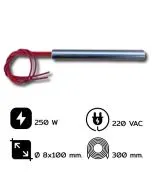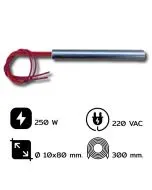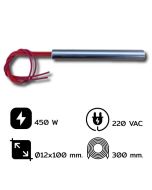
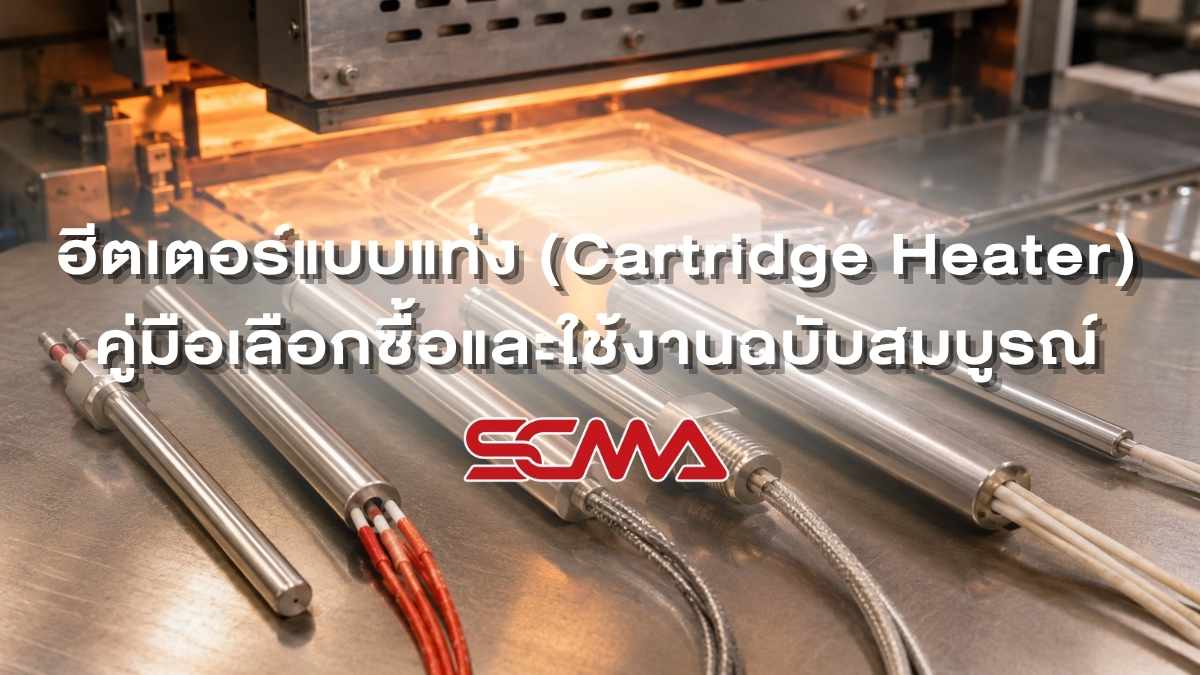
Bar heaters are the equipment you're considering to enhance heating efficiency for industrial molds, correct? This article by the SCMA engineering team will take you through everything about bar heaters and the Cartridge Heater family, from how they work, basic structure, all the way to a guide on specifying requirements before purchase. To help you reduce premature equipment wear and tear, if you need engineering consultation for managing heating systems, feel free to inquire directly at Our Services (SCMA).
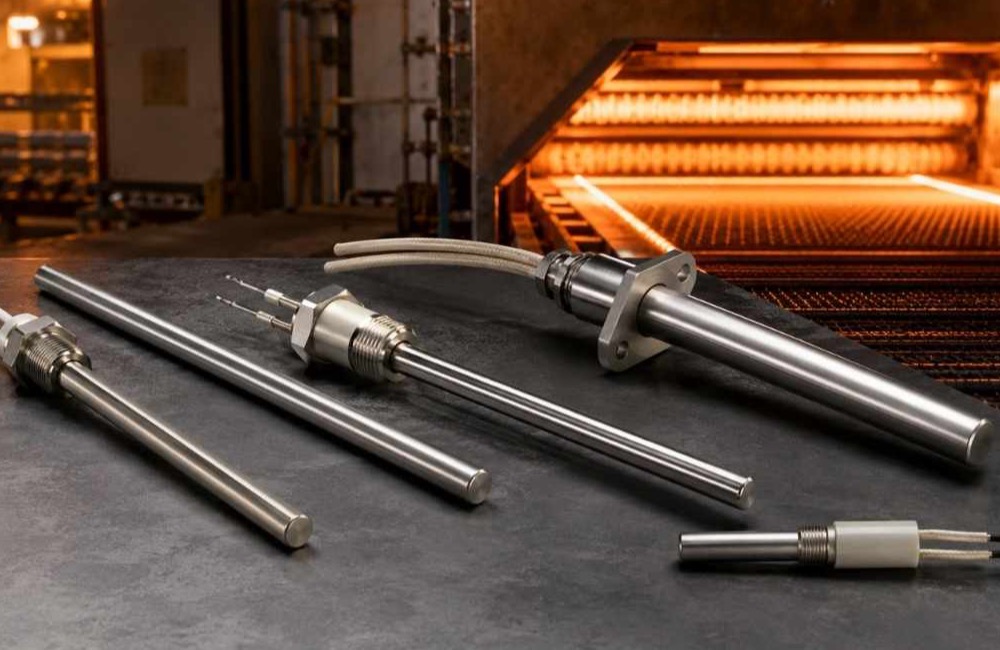
What are Bar Heaters (Cartridge Heaters)? How do they work?
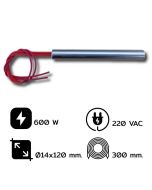
If you're asking what is a heater in the context of plastic molding, the best solution would be bar heaters. This equipment works by allowing electrical current to flow through resistance wire wound around the central core. Then it releases heat through magnesium oxide powder out to the outer metal casing. As for the question of what is a cartridge, in an industrial context, it refers to a cylindrical shape designed to fit directly into steel blocks. Cartridge Heaters are divided into High-density models that provide high wattage in limited space and Low-density models suitable for general temperature applications.
Types of Industrial Tubular Heaters
To ensure cost-effectiveness when using tubular heaters, it is necessary to consider the electrical specifications and working environment. Our expert team will categorize the types of tubular heaters commonly found in industrial plants as follows:
Tubular Heaters for 220V Voltage
This is a standard specification widely used in general factories, supporting single-phase electrical systems. The design of this heater model is compatible with basic control systems, making installation and maintenance quick and convenient.
Tubular Heaters for 380V Voltage
For large machinery requiring high wattage heating capacity, choosing a 380V specification (three-phase system) is the best option. This circuit design helps distribute electrical load evenly, preventing overheating of wires when running continuously.
Casing Material: Stainless Steel SUS304 and Others
The external casing material of Cartridge Heaters greatly affects durability. Stainless steel SUS304 is a standard grade that effectively prevents rust, but if you need to use it in extremely high-temperature conditions or with chemicals, engineers recommend switching to Incoloy tubing which has higher heat resistance properties.
Special Applications Such as Glass Tubular Heaters or for Boiling Water
Many people may wonder whether Heater is a device used to boil liquids. The answer is yes, if the manufacturer designs it with specific materials such as quartz rods for chemical baths of acids and bases, which functions differ from standard stainless steel models embedded in general metal molds.
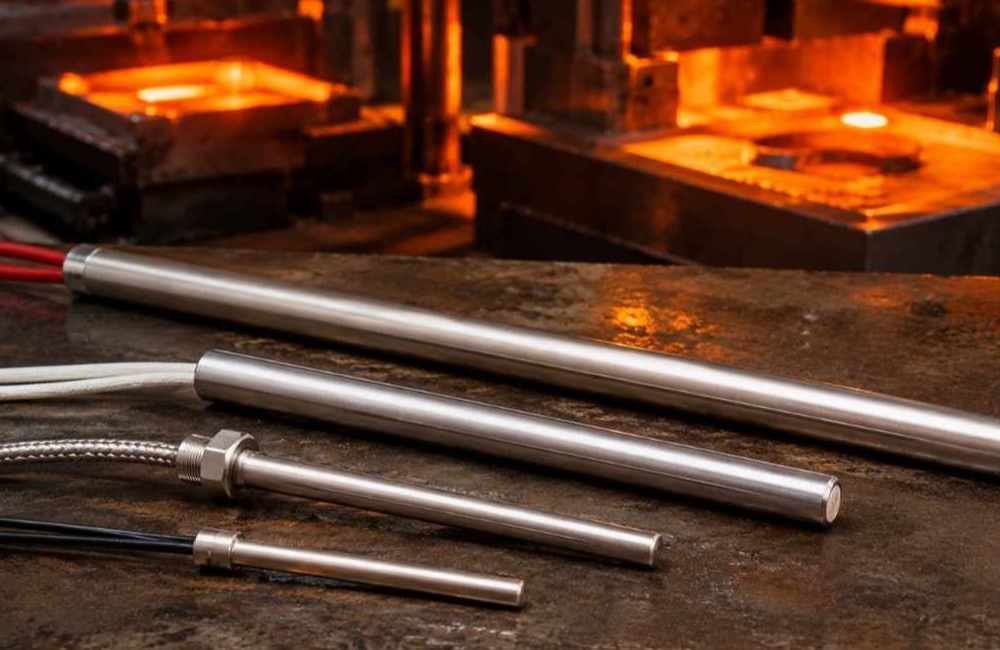
How to Select the Most Suitable Rod Heater for Your Application
Purchasing rod heaters with precise specifications will help extend their lifespan and save energy costs. Here are 4 key factors from engineers to help you select the most efficient Cartridge Heater.
- Calculating Required Wattage: You need to calculate the volume of the workpiece relative to the time required to achieve temperature, to determine the power rating of the rod heater. If wattage is too high, it can cause excessive heat buildup and lead to wire melting and breaking.
- Selecting Diameter and Length: Carefully measure the existing hole size. Ordering a heater that's too large may prevent proper fitment, while ordering one that's too small will leave too much air space, leading to poor heat dissipation.
- Selecting the Correct Terminal Type for Installation Area: Users must consider wire routing characteristics to avoid impact or movement from machinery parts, preventing wire breakage during operation.
- Considering Maximum Operating Temperature: Inform the manufacturer of your target working temperature so that their design team can select appropriate resistance wire and high-temperature insulation materials safely.
Important Installation Tips for Tubular Heaters to Extend Lifespan
Improper installation is the main cause of heating equipment damage. Following engineering principles will help tubular heaters operate at full capacity.
- The Importance of Proper Die Hole Size: The die hole should have a diameter 0.1-0.2 millimeters larger than the tubular heater to reduce air gaps that act as thermal insulation between the tube and the steel die.
- Installation Techniques for Optimal Heat Transfer: Applying a thin layer of high-temperature paste (Anti-seize compound) on the surface of Cartridge Heaters before inserting them into the die helps to expel air and makes it easier to remove the heater when maintenance is required.
- Cautions: Common Problems and Prevention: Be careful not to allow oil or liquid leaks near the wire terminals. The tube end should protrude slightly outside the die hole to prevent heat from damaging the wire insulation.
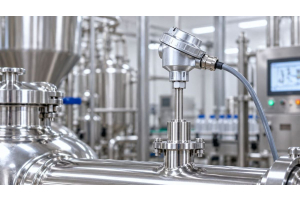
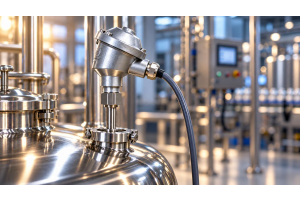
- Using with Temperature Sensors: Embedding a rtd pt100 or thermocouple sensor close to the workpiece is recommended for temperature control and preventing the heater from overworking. You can learn more about basic information on temperature controllers here for a complete circuit design.
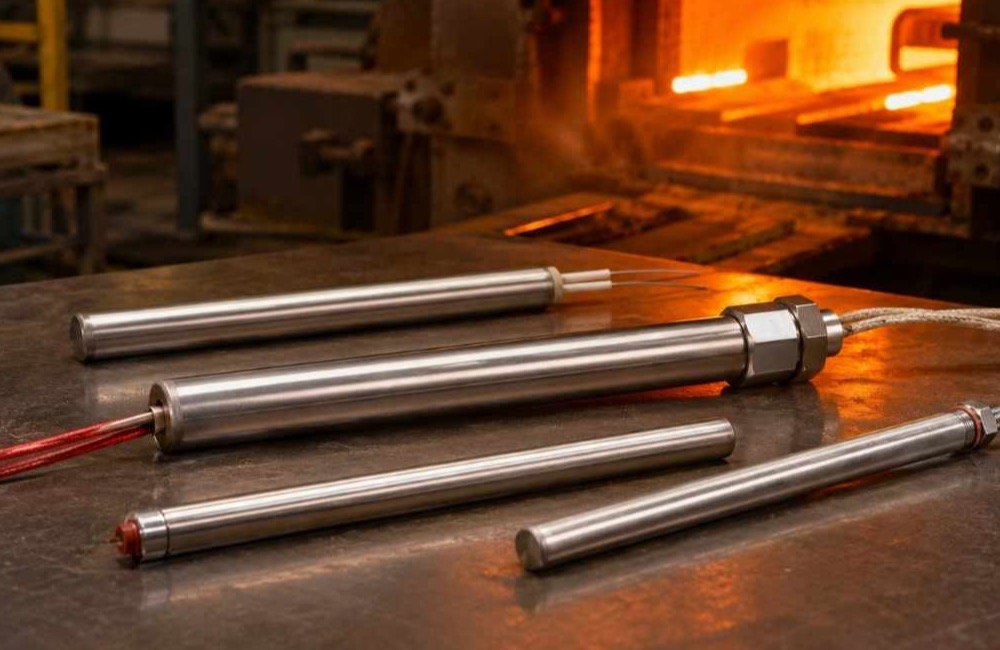
Applications of Cartridge Heaters in Various Industries
With their compact design and high heat output, rod heaters are widely used in factories. Let's look at some examples of how Cartridge Heaters can add value to manufacturing processes.
Molding Tool Heating for Plastic and Metal Parts
This is the most common primary function we encounter, embedding heaters into steel blocks helps maintain the temperature of molten plastic or aluminum in an optimal state, resulting in injection molded parts that are flawless without defects caused by sudden cooling.
Packaging and Sealing Industry
In large packaging equipment, these components are installed within plastic sealing bars to heat and melt film layers together tightly, which is crucial for food preservation and packaging processes.
Heating Liquids and Adhesives
Certain models of heaters are adapted for use in hot melt tanks (Hot Melt) to maintain the liquid state during coating processes. You can view detailed insights and global heater application efficiency as a guide to enhance your production line.
Use in 3D Printers
Innovative industrial 3D printers require small embedded heaters within the extruder (Nozzle) to melt plastic filament into thin strands, which requires highly precise temperature control.
Initial Specification and Price Comparison Table
When purchasing rod heaters, cost factors directly relate to size and material quality. The price of rod heaters will significantly increase if you specify the use of special grade stainless steel or require waterproof flanges. Standard specifications for 220V models commonly available in the market start at a few hundred to several thousand baht, but custom-made Cartridge Heaters with high watt density for foreign machinery can see prices rise due to the complexity of manufacturing processes.
Summary
In summary, rod heaters are crucial components that drive machinery to operate smoothly. Understanding what a Cartridge is and accurately assessing the specifications of a Cartridge Heater is key to maintenance. If you are looking for a reliable heating system solution, SCMA's expert team is ready to advise you on designing an efficient system.
If you want to purchase, you can buy from SCMA today!
Acquiring high-quality equipment from specialized suppliers helps reduce machine downtime in a tangible way. If your organization requires the use of rod heaters or standard-compliant temperature measurement components such as rtd pt100, you can read the detailed information about Cartridge Heater or browse our complete range of SCMA measuring tools. We are ready to professionally support your production line.
Frequently Asked Questions about SCMA Bar Heaters
How long is the average lifespan of a bar heater?
The average lifespan ranges from approximately 1-3 years, depending on the environment, cooling conditions, and precision in designing the die to prevent heat accumulation around the wire core.
Can custom sizes be ordered?
Manufacturers can produce custom-made heaters with specific width, length, voltage level, and wattage requirements to ensure a perfect fit for your existing machinery at 100%.
What is the difference between bar heaters and fin heaters?
Bar heaters are designed to be embedded in direct contact with solid materials or steel dies, whereas fin heaters are designed primarily to increase surface area for heat dissipation into the oven air.
How can you tell if a heater is broken?
Maintenance teams can use a multimeter to measure resistance (Ohm) at both ends of the wires. If the needle does not move or there are no resistance readings, it indicates that the internal coil has been damaged.
Can sheet heaters be used instead of bar heaters?
The choice depends on space limitations; sheet heaters (such as Strip Heater) are designed to fit externally, while the bar type is embedded directly into the material for heat transfer from the core.