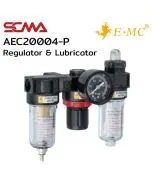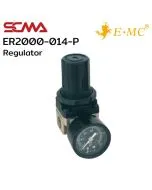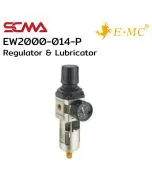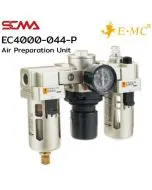
Air Filters are a crucial defense that prevents water and dust from damaging expensive equipment inside pneumatic systems. Maintenance technicians struggling with water accumulation in air compressor filters or needing to replace new filter sets and regulators, SCMA offers free online spare part specification matching services with an engineer team for quick delivery so you can immediately assemble and run the machine without waiting for a salesperson.
What are Air Filters?
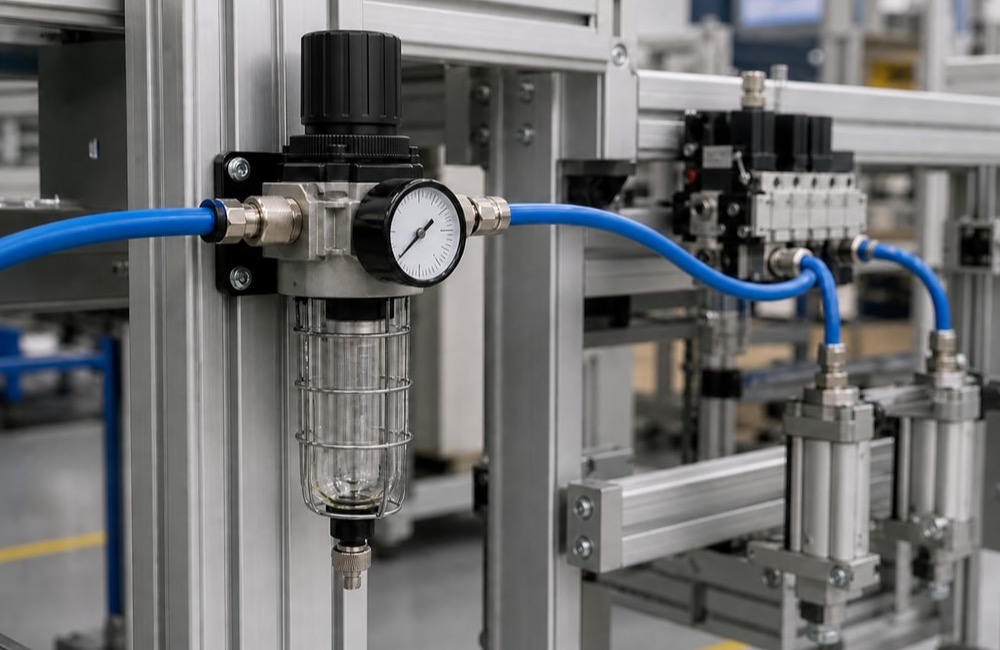
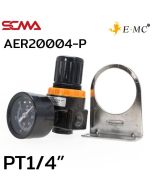
Air Filters function to capture contaminants, separate water vapor, and control air pressure at a safe level before it enters machinery. Engineers officially refer to these devices as FRL Units (Filter Regulator Lubricator). Compressed air coming directly from the compressor room is highly humid and contains accumulated dust; these contaminants are the main cause of rupturing rubber cylinder seals. Installing this equipment decisively extends the lifespan of solenoid valves in automatic systems, allowing your factory to prevent damage worth hundreds of thousands by properly maintaining filter sets priced at a few thousand.
Operation Structure of Air Filters in a Pneumatic System
Engineers must understand the internal structure of Air Filter Sets to accurately diagnose on-site malfunctions. The main structure of an Air Filter Set consists of three major components that work together to protect your machinery.
Filter Captures Water and Dust Particles
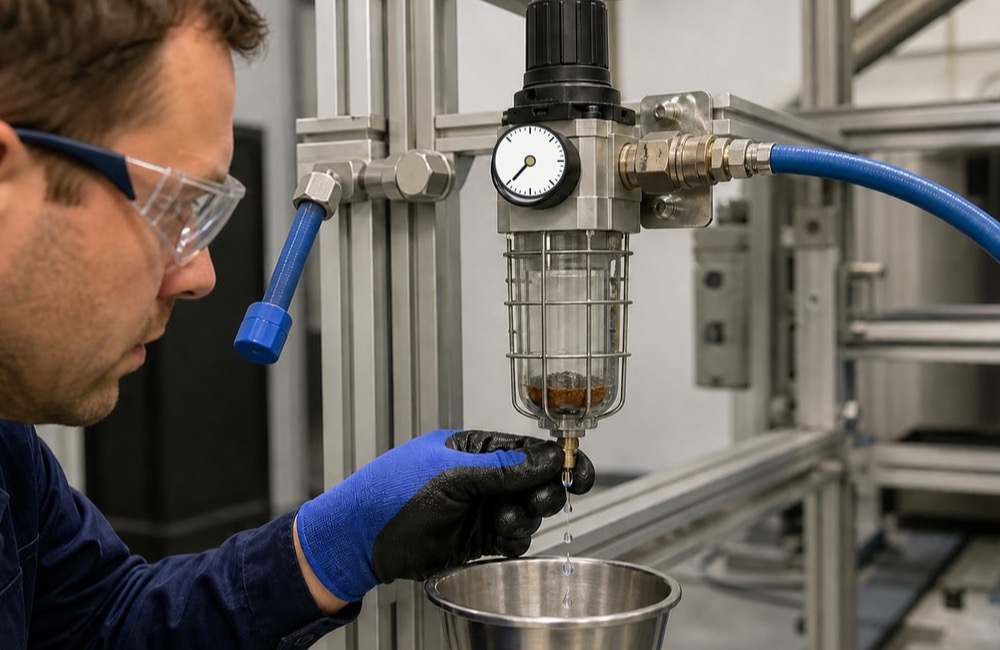
The first part is the Filter, which functions to capture water and filter out dust particles mixed with air quickly. The inner filter cartridge traps moisture and contaminants in a Air Pump Filter at the bottom. On-site technicians must regularly drain water to prevent overflow into the pneumatic system. Clean air will then be passed on to the next component for further processing.
Regulator Controls and Maintains Pressure Levels
The second part is the Regulator, which functions to reduce and maintain constant pressure levels. Technicians must turn the pressure regulator knob to set the pressure according to the cylinder specifications. This component acts as a Air Pressure Regulator, absorbing shocks from compressed air at the source. Precise pressure control ensures that machinery operates smoothly in accordance with its design.
Lubricator Supplies Lubricating Oil to Components
The third part is the Lubricator, which functions to supply oil mist for lubrication of cylinders and valves. These oils help reduce seal wear and prevent heat buildup during heavy machinery operation. Modern machines are designed as oil-free systems, requiring no additional lubricants. Maintenance technicians can opt to install just a filter set with the Air Regulator for sufficient use.
How many types of filters are there, and which level of filtration should be chosen?
Selecting the appropriate air filter set for your work can truly save on maintenance costs. A common question from new mechanics is how many types of filters exist. We categorize them simply based on the level of filtration (Element) provided.
Standard Filter for General Industrial Use
The first type is Standard Filter, which has a filtration range from 5 microns to 40 microns. This filter catches water and general dust found in automotive parts production lines. Installing standard air filters covers most machinery needs comprehensively. Maintenance mechanics can easily clean and reuse them after regular intervals.
Mist Separator for Capturing Fine Oil Mist
The second type is the Mist Separator, which has a filtration level as fine as 0.3 microns. This equipment is designed to capture fine oil mist that escapes from factory air compressors. High-precision valves and sensors require clean air free of oil residue. Engineers often use it in conjunction with air regulators to control the delivery of clean compressed air into control cabinets.
Micro Mist Separator for Purest Compressed Air
The final type is Micro Mist Separator, which filters down to an incredibly fine level of 0.01 microns. This filter meets the needs of food, pharmaceuticals, and electronics industries particularly well. Cleanliness standards mandate the use of pure compressed air to avoid contamination in products. Purchasing departments must select air quality improvement sets that meet quality control specifications.
Understanding Air Regulators and Pressure Adjusters
The compressed air pressure from factory main lines fluctuates too much to be used directly by machinery. On-site mechanics use an air regulator to adjust the incoming pressure to a steady outgoing pressure. This device is a pressure adjuster, featuring diaphragms and springs that resist air pressure, preventing sudden surges (Pressure Surge) from damaging valves. Using air regulators with air filter sets requires skill in on-site tuning. Maintenance mechanics must always set the compressed air pressure within the operating range (Operating Pressure) as specified by machinery manuals.
The Major On-Site Problem When Neglecting Air Filter Maintenance
Ignoring the maintenance of air quality improvement units is a nightmare that causes severe headaches for technicians. Engineers must understand these on-site problems to plan ahead and mitigate potential damage.
- The classic symptom of malfunctioning equipment is when compressed air forcefully impacts workpieces, caused by not installing a regulator to adjust the airflow, allowing raw high-pressure air to directly impact valves.
- Another major issue is neglecting to drain water from the air compressor filter. This can cause water to surge into the pneumatic system immediately.
- When water mixes with lubricant, rust forms rapidly causing valves to seize up and machinery to lose precision in operation.
- The production line must come to a halt resulting in significant lost opportunities which could be prevented by changing filters at regular intervals.
How to Set Up an Air Filter Regulator Accurately and Safely
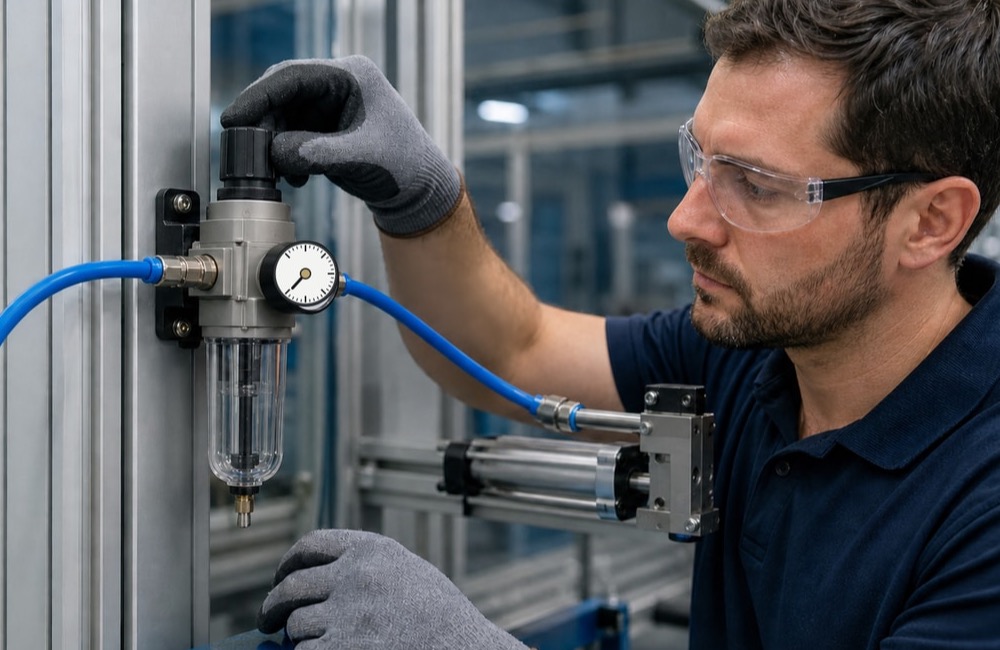
Maintenance technicians must turn the knob on the air filter regulator to adjust pressure according to machine specifications. The rule of thumb is always to pull up the lock button before adjusting the air filter unit. This prevents damage to internal threads within the device. When adjusting pressure, slowly increase it towards the desired value (Adjust rising) without ever decreasing it as this can cause instability on the gauge reading of the regulator valve. Once the desired pressure is achieved, press down the knob to lock in position and prevent any misalignment due to vibrations during operation.
Checklist for Selecting Air Filters to Match Original Piping Specifications
Purchasing replacement parts that do not match the specifications causes on-site technicians to waste time adapting them. Technical staff must verify details clearly before requisitioning items. These checklists help you get Air Quality Improvement Kits that can be installed immediately.
- The first thing to check is the size of the thread connection (Port Size) which needs to fit perfectly with the original air line connections to prevent leaks.
- The next item is the flow rate (Flow Rate) of the Air Filter Regulator must accommodate the volume of air for all cylinders.
- If you order a size that's too small, airflow will be restricted. The cylinder may not have enough force to pull heavy workpieces causing machinery to stop working.
- The last item is the drain system. Engineers should choose an automatic drain (Auto Drain) model to reduce overflow issues when forgetting to manually drain water from the Air Filter.
Summary
Installing Air Filters alongside a Regulator is the most cost-effective way to protect machinery from moisture and dust. Technicians who understand Air Pressure Regulators can set pressure levels for optimal machine performance. If your factory's Filters are damaged, SCMA offers online specification matching services with express delivery so you can install replacement parts immediately.
If You Want to Purchase, SCMA is Available Today!
A cracked filter housing, severe air leaks, and production lines stopping suddenly. SCMA understands this pressure well. We offer free online specification matching for Air Filters. Simply take a picture of the Nameplate of your damaged Air Regulator and send it to us via our Official Line. Our engineering team will assess the port size and recommend an equivalent Air Quality Improvement Kit immediately. Order replacement parts from SCMA for faster completion, we have stock available with express delivery to your factory. Once received, technicians can install and start up machines right away without waiting for external technician inspections.
Frequently Asked Questions (FAQ)
Q1: Does an air filter set need a lubricator?
Answer: No, it's not necessary. New pneumatic equipment is designed as oil-free systems; adding oil may wash out the original grease of the factory and cause valves to fail sooner. Maintenance technicians choose only filters along with pressure regulators, which are sufficient for operating machinery.
Q2: The air compressor filter is filling up with water very quickly, how can it be fixed?
Answer: This issue usually stems from problems with the air dryer or incorrect installation of air lines causing water to accumulate at the point of use. SCMA recommends replacing the air compressor filter with an Auto Drain model to prevent water overflow into the machinery system.
Q3: The pressure regulator doesn't move when adjusting, is it broken?
Answer: This can happen in two cases. First, if the incoming air pressure drops below the desired setting for use. Second, the internal diaphragm of the pressure regulator may have worn out due to age. In this case, new parts must be ordered and replaced.
Q4: Is it better to replace just the filter element or the entire air filter set?
Answer: If the port threads and plastic housing are still clear without cracks, replacing only the filter element can save procurement costs. However, if the water drainage system is faulty or the air quality improvement unit has cracks, it's safer to replace the entire set.
Q5: How long do I have to wait for SCMA to compare specs after sending a picture of my old air regulator?
Answer: We quickly assess your specifications during business hours. Just send a clear photo of the Nameplate along with the size of the air line threads you're using, and our SCMA engineering team will offer compatible air filter regulators, ready for immediate fast shipping.