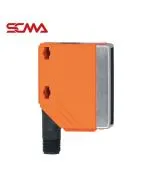
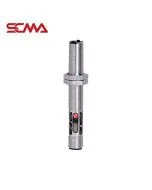
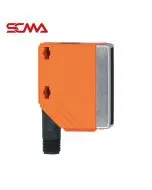
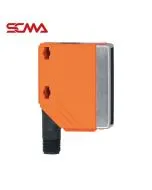
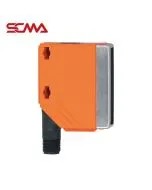
Photo Sensor is an electronic device that plays a crucial role in automation and industrial control systems. It helps detect objects using light as the medium for operation. This article SCMA will introduce you to Photo Sensors in detail, covering their principles of operation, types, applications, and how to select the appropriate equipment for your needs.
What is a Photo Sensor?
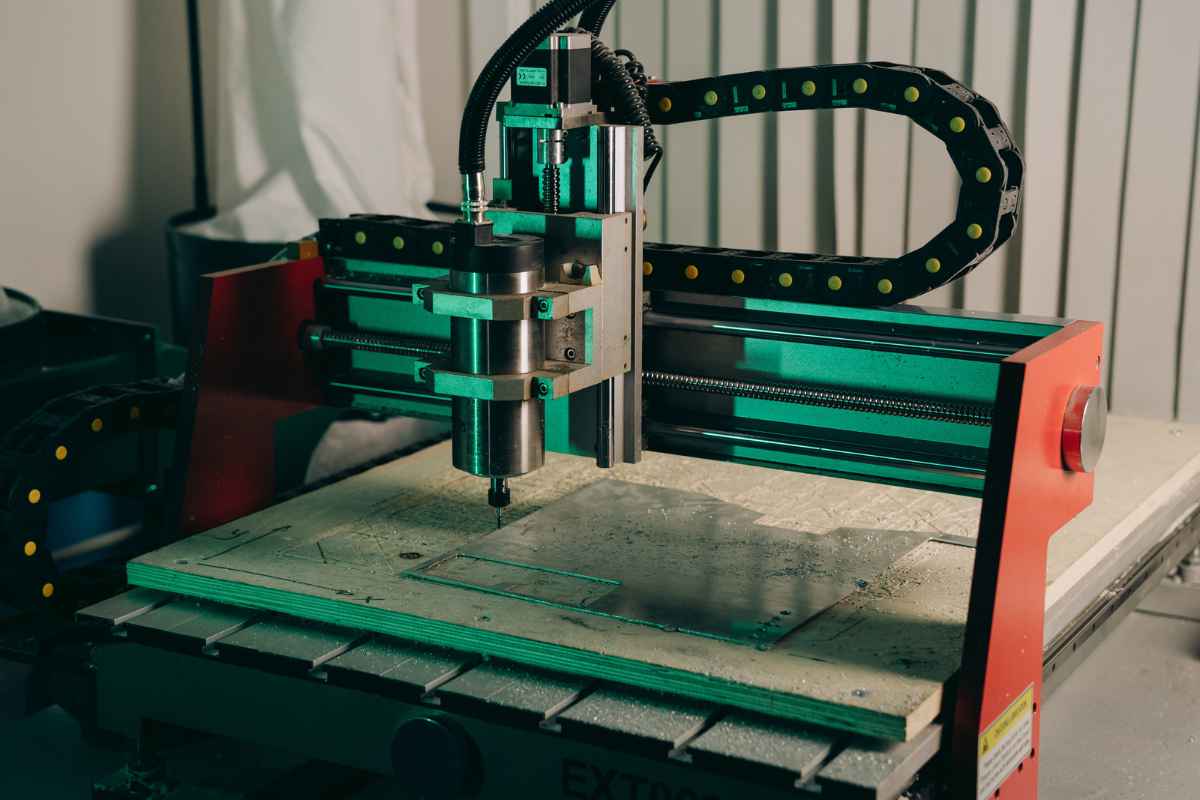
What is a Photo Sensor? A Photo Sensor is an electronic device designed to measure and convert the physical properties of target objects into electrical signals for further analysis and processing. One important type is the Vision Sensor, which is a workpiece detection sensor that checks product quality through image processing systems by using high-speed digital cameras to capture images of the workpieces and compare them with set standards. This technology enables accurate and efficient quality control in production lines by evaluating key characteristics such as color, shape, size, and placement.
Principles of Photo Sensors
Photo Sensor operates on the principle of using light signals emitted from the emitter to reach the receiver. When an object blocks the path of the light beam between the emitter and the receiver, the sensor detects changes in this light signal and sends data to the control system or connected machinery, allowing the system to respond according to programmed conditions such as stopping operation, counting workpieces, or changing the direction of conveyor movement.
What are the types of photo sensors?
Photoelectric Sensors are categorized into three main types: Opposed, Retroreflective, and Proximity. Each type has specific characteristics suitable for different applications based on the installation area, material to be detected, and detection range.
1. Opposed mode
Opposed Mode involves installing both the transmitter and receiver directly opposite each other. Detection occurs when an object blocks the light beam. This type has the longest detection range and is ideal for large opaque objects.
2. Proximity mode
Retroreflective Mode installs both transmitter and receiver on the same side, using a reflector plate on the opposite side to save space and wiring. It is suitable for medium to long-range detection in confined spaces.
3. Retroreflective mode
Proximity Mode involves placing both transmitter and receiver on the same side without a reflector plate, relying instead on direct reflection from the object itself. It is divided into four subtypes:
- Diffuse Mode: Receives reflected light at a right angle, suitable for smooth objects.
- Divergent Mode: Sends diverging light, suitable for shiny surfaces but with shorter detection range.
- Convergent Mode: Sends converging light to a focal point, suitable for small objects.
- Background Suppression Mode: Uses two sets of lights to distinguish between the object and background, reducing detection errors in narrow spaces.
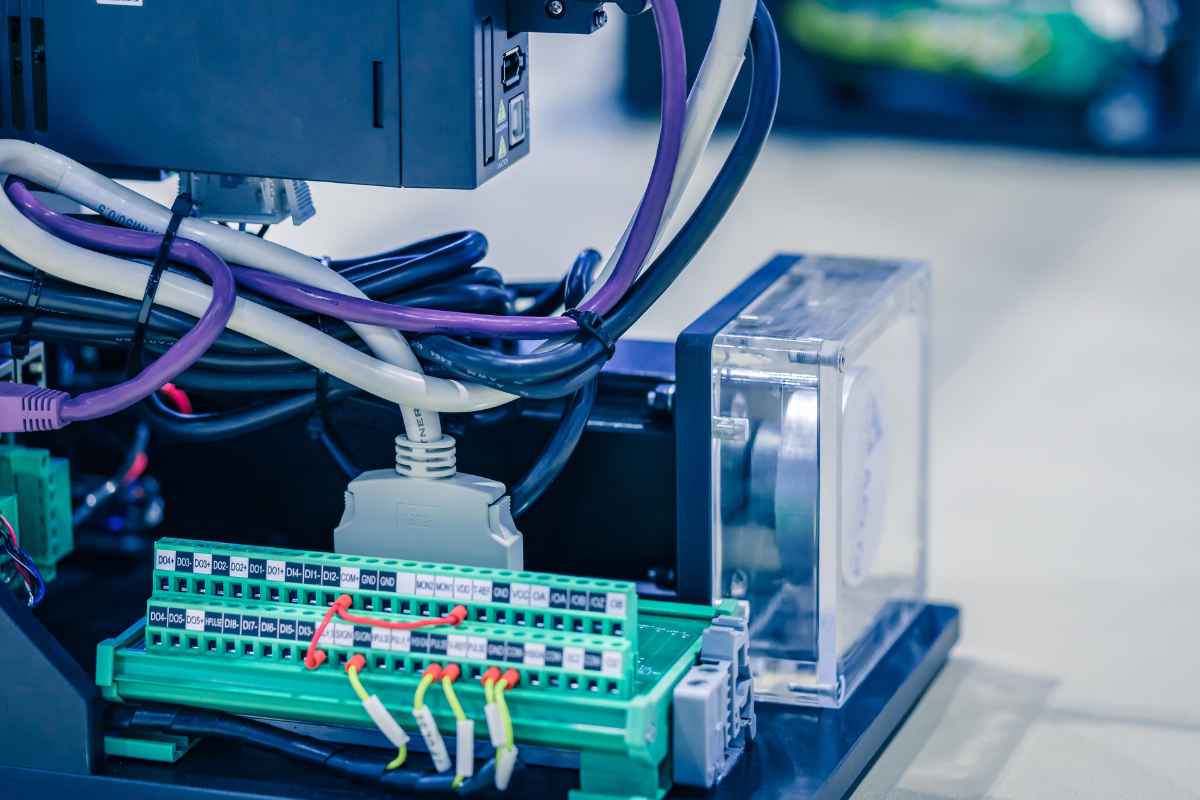
Applications of Photoelectric Sensors
Photoelectric Sensor is an intelligent device that enhances efficiency and accuracy in modern manufacturing processes. With a variety of light-based detection technologies, it can comprehensively meet specific industrial needs, whether for detecting materials with special properties or operating in challenging environments.
- Detecting shiny or black surfaces - Specialized sensor models designed specifically can solve the problem of detecting materials with high reflectivity or dark materials that absorb light, which general sensors often provide uncertain results. By using automatic light sensitivity adjustment and appropriate signal transmission angles.
- Distinguishing objects from backgrounds of the same color - Foreground Suppression technology in the Q4X Photoelectric Sensor allows for accurate detection of white plastic parts on a white conveyor belt, even if the part is only 3.5 millimeters thick, by analyzing distance differences rather than relying on color or opacity.
- Detecting transparent materials - Fiber Optic Amplifier is an appropriate solution for detecting transparent materials such as glass, clear plastic, or thin film. With high resolution and sensitivity, it can detect even slight changes in light transmission.
- Accurate distance measurement - Laser sensors provide high accuracy for distance measurement. With a small beam size and high output power, they can measure positions precisely repeatedly. Standard 4-20 mA output signals can be directly connected to automatic control systems, suitable for quality control and dimension measurement tasks requiring high precision.
- Integration into production systems - Photoelectric Sensors can work seamlessly with other equipment in the manufacturing line, aiding in counting, position detection, confirming part presence, and controlling machine operation rhythms to enhance overall production efficiency.
What Features Should You Consider When Choosing a Photo Sensor?
Photo Sensor Switch is an essential component in automatic systems and production process control in the industrial sector. Selecting the right sensor is crucial for system efficiency. The following are important features to consider before making your purchase decision:
- Detection Mode - Choose between reflective, diffuse, or through-beam types based on the application and installation area.
- Detection Range - Consider range requirements from short (millimeters) to long distances (several meters) to suit the workspace size.
- Response Speed - Select a sensor with appropriate response time, especially for processes requiring high accuracy or fast-moving objects.
- Tuning Capabilities - Check if there are sensitivity adjustment functions, range settings, or delay intervals to adapt to various environments.
- Detection Accuracy - Consider detection resolution and resistance to environmental interference such as light, dust, or vibration.
- Special Features - Check additional functions like color detection, network connectivity capabilities, or support for specific industrial standards to enhance performance.
How to Install Photoelectric Sensors
Proper installation of a Photoelectric Sensor is crucial for ensuring efficient system operation and extended lifespan. A systematic installation process helps mitigate potential future issues and increases detection accuracy. The following are the key steps in installing a Photoelectric Sensor:
- Select an appropriate location - Consider factors such as detection angle, ambient light interference, and the optimal distance for the type of sensor.
- Inspect and prepare the area - Clean the installation area, remove obstructions, and check the stability of the structure where the sensor will be mounted.
- Install the Photoelectric Sensor - Securely mount the sensor to the structure using appropriate mounting hardware and ensure tightness to prevent vibration.
- Adjust the Sensor Position - Adjust the direction and angle of the sensor to align with the target object or reflector for optimal performance.
- Connect Wires and Test - Connect wires according to the circuit diagram, check connections, and perform initial testing.
- Tune Parameters - Set sensitivity, detection range, or delay time as required by the system.
- Verify Correctness - Test sensor operation in actual working conditions and make further adjustments if necessary.
- Install Protective Systems - Add protective equipment for the sensor from harsh environmental factors such as dust, humidity, or impact to extend its lifespan.
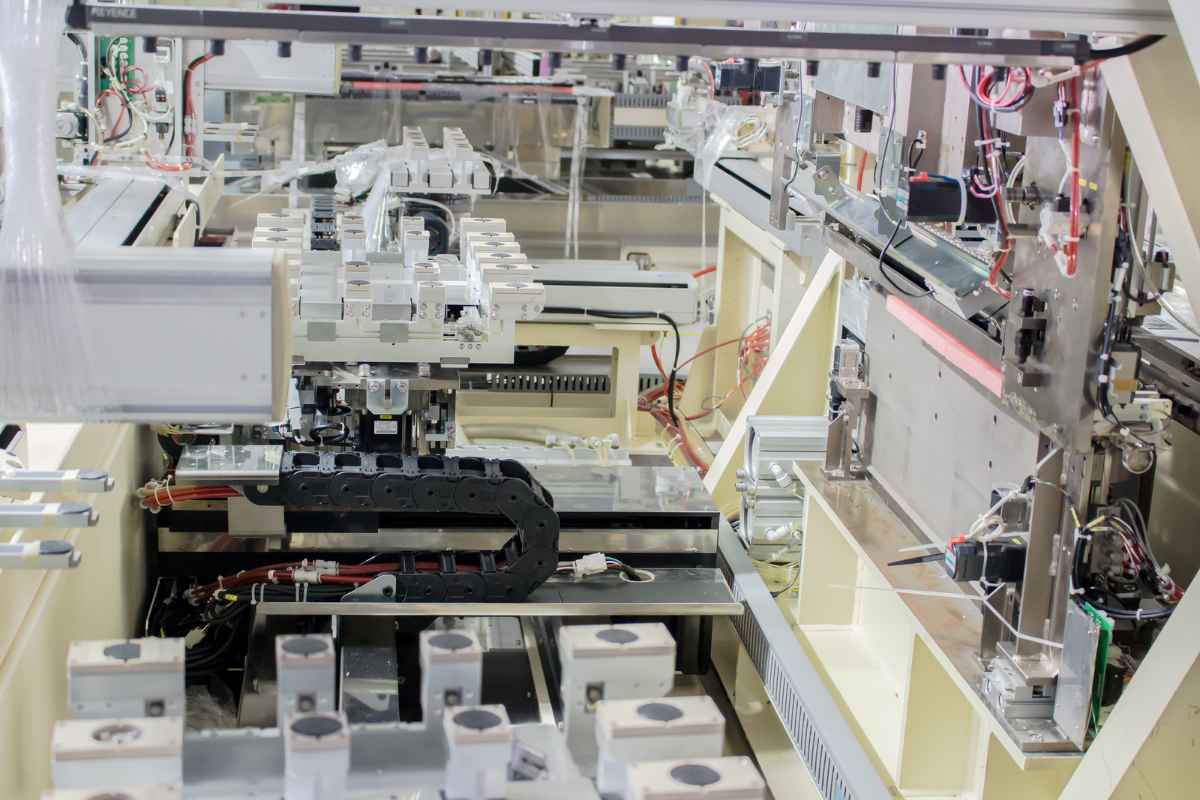
Interested in Photo Sensors? You can now purchase from SCMA!
SCMA is a high-quality photo sensor distributor for leading global brands, offering Opposed mode, Proximity mode, and Retroreflective mode sensors to meet all your needs. Our expert team provides consultation on selecting the right product for your application, with immediate shipping available, quality assurance, and competitive pricing.Contact us at SCMA for more information or to place an order, your one-stop shop for sensor and automation systems.
Summary
Photo sensors are crucial components in modern automated systems, working on the principle of light to detect objects. There are three main types: Opposed mode (Through-beam), Proximity mode (Diffuse reflection), and Retroreflective mode, each suitable for different applications. Selecting a photo sensor involves considering factors such as detection range, object size, environmental conditions, and special features. Proper installation ensures efficient operation and long service life. SCMA offershigh-quality photo sensors and expert advice to meet all customer needs.
Frequently Asked Questions
How does a photo sensor work?
A Photo Sensor operates by using a light source to emit a beam of light towards the receiver. When an object obstructs or reflects this beam, it causes a change in the intensity of light received by the receiver, leading to a change in electrical signal. The electronic circuit processes this change and sends an output signal to the control system.
How many types of photo sensors are there?
Photo sensors come in various types, but the ones commonly used in industrial factories fall into three main categories: Opposed mode (Through-beam), which separates the transmitter and receiver; Proximity mode (Diffuse reflection), where both the transmitter and receiver are housed in one unit; and Retroreflective mode, which uses a special reflective plate. Additionally, there are other types such as color detection sensors, edge detection sensors, and fiber optic sensors.
What is the function of an Image Sensor?
An Image Sensor functions to convert light that falls on it into electrical signals to create images. Unlike general photo sensors which only detect the presence or absence of light, image sensors consist of numerous light-receiving cells arranged in a matrix and are used in cameras, CCTV systems, and industrial image processing systems.
What is a direct object reflection photo sensor?
A direct object reflection photo sensor, or Proximity mode (Diffuse reflection), is a sensor that houses both the transmitter and receiver in one unit. It works by emitting light directly onto an object and receiving the reflected light back. This type does not require a special reflective plate, making it easy to install, but its detection range is shorter than other types, and its performance depends on the color and surface of the detected object.