

Motion detectors are a crucial technology that enhance security systems and energy management in the current era. This article will explain about motion detectors, their types, how they work, and their benefits for use both at home and in business.
What is a Motion Detector?

A motion detector, or Motion Sensor, is a type of sensor designed to detect physical movement of objects within the defined radius, both vertically and horizontally. This device plays an important role in security systems for homes and businesses by detecting intruders and sending alarm signals. Additionally, it is used in everyday life through various convenience devices such as mobile phones, automatic alcohol dispensers, and entertainment equipment like game consoles and VR systems.
How Motion Detectors Work
Motion Sensor works by emitting sensors to detect within the defined area. When movement or physical changes such as light, density, pressure, or temperature are detected, the sensor converts these signals into electrical signals and sends them to a software system for processing. Then, the data is forwarded to a pre-configured data center, whether it's a smartphone application or a service provider's data unit, allowing automatic and efficient control or operation of devices as specified.
What are the types of motion sensors?
Motion Sensors, or Motion Sensor, are devices designed to detect movement of objects within a specified range. They are primarily categorized into three types that are widely used in security systems and various automation systems as follows:
- Ultrasonic Sensor - Uses sound waves of frequencies above 20 KHz to detect movement by measuring the reflection of sound waves off objects. It is commonly used in remote control devices, water level meters, and industrial motion detection sensors.
- Passive Infrared Sensors (PIR) - Detect changes in infrared radiation or heat from objects. Suitable for detecting movement of living beings that emit heat, such as people and animals. It is commonly used in automatic lighting systems, intrusion alarm systems, and automatic door sensors.
- Microwave Sensor - Uses short-wavelength microwave radiation to detect movement. It can respond quickly and penetrate certain materials. Suitable for large areas such as automatic doors of large buildings, shopping malls, hotels, and offices.
What are the benefits of motion sensors?
Motion sensors play a crucial role in enhancing quality of life, both for home and building use. With their ability to detect movement and work with other automated systems, these sensors offer numerous benefits that address safety, energy savings, and daily convenience.
- Enhance Home Security - Increase home security by detecting intrusions and alerting homeowners immediately when there is unusual movement. Work together with CCTV cameras and other alarm systems to create a robust security network, preventing theft even when the homeowner is away.
- Save Energy - Control lighting and air conditioning systems to operate only when people are present in a room, reducing energy consumption by automatically turning off electrical devices when there is no movement. This leads to lower electricity bills and reduced environmental impact.
- Increase Convenience - Facilitate daily life by automatically controlling various devices, such as opening doors, turning on lights, or activating faucets without touching them. This reduces contact with surfaces that may harbor germs and is ideal for families with children and elderly members.
- Care for Family Members - Monitor the movements of elderly or young family members within the home, sending alerts when there is unusual behavior such as falls or entering dangerous areas. This allows caregivers to respond quickly in emergencies.
- Analyze Space Usage - Collect data on how space is used within the home for better efficiency, analyzing room usage patterns to adjust furniture placement or plan future renovations.
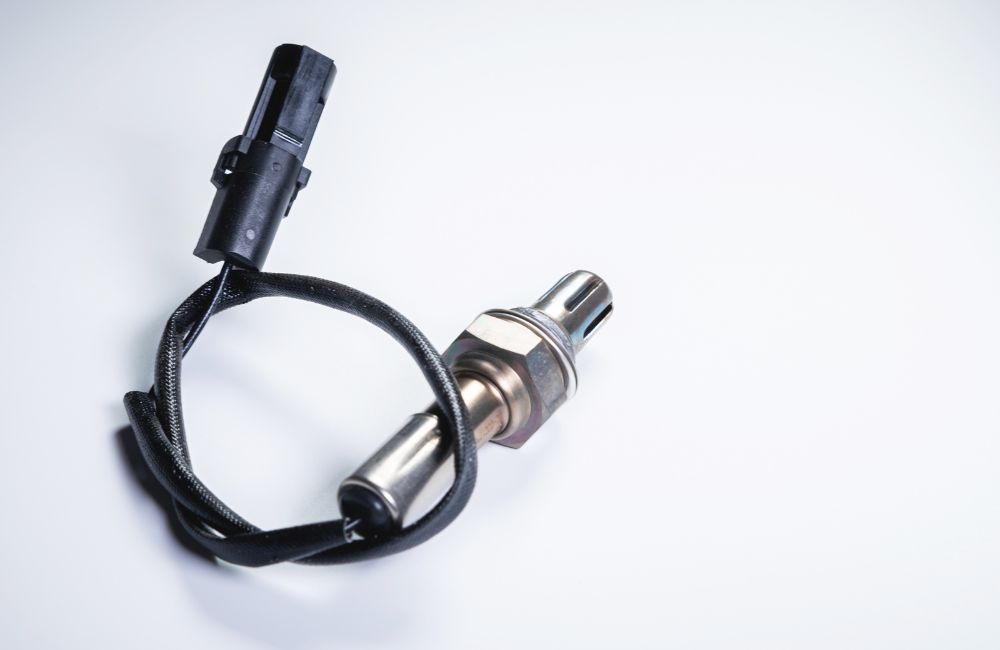
Motion Sensor vs AI Motion Detection: What's the Difference?
Motion sensors and AI motion detection differ significantly in terms of capabilities and applications. While traditional sensors merely detect movement, AI enhances this with learning and analysis capabilities, making a leap forward in efficiency. The development of technology has combined these two to create intelligent systems that meet the needs of modern industries and businesses.
Motion Sensor
Traditional motion sensors operate on the basic principle of detecting physical changes in the environment, such as temperature shifts, sound waves, or electromagnetic fields. Upon detecting movement, the sensor sends a signal to the control system to trigger pre-set actions. However, these sensors have limitations in decision-making; they cannot distinguish types of movements and cannot learn from recurring patterns, thus always requiring human setup and control.
AI Motion Detection
AI motion detection integrates machine learning and computer vision technologies with sensor systems. This allows not only the detection of movement but also intelligent analysis, differentiation, and decision-making. AI systems can learn and recognize normal movement patterns, distinguish types of objects or individuals, and automatically detect abnormal behaviors. Additionally, they can adapt to changing environments, reduce false alarms, and continuously improve accuracy in operations, thereby reducing reliance on human decision-making and control.
Where should motion sensors be installed?
Installing motion sensors in the right locations is crucial for enhancing the efficiency of your security system and making daily life more convenient. Choosing the correct installation points not only ensures that the system works effectively but also reduces false alarms and covers high-risk areas within your home or building.
- Main entrance doors and back doors - The first point of entry that intruders often attempt to access. Installing sensors here helps detect movement in and out, alerting you to unexpected activity.
- Balconies and rooftops - Open areas that may serve as alternative entry points for intruders. Installing sensors in these areas helps detect movement before the intruder reaches your home.
- Lower floor windows - Vulnerable spots that intruders often use to enter homes, especially those in dark corners or poorly lit areas.
- Hallways and corridors inside the home - Connecting points between rooms that intruders must pass through. Installing sensors here also helps in automatically turning lights on and off to save energy.
- Stairs and stairwells - Another route that intruders may use to access other floors of the home. Installing sensors here increases safety and facilitates nighttime movement up and down stairs.
- Valuable storage rooms - Areas where valuable items are stored, such as jewelry rooms, safes, or home offices with expensive electronic equipment.
- Garages and parking areas - Areas that are often overlooked but can be used by intruders as entry points or targets for theft, such as cars or expensive equipment.
Interested in motion sensors? You can now purchase from SCMA!
SCMA is a leader in security systems and intelligent sensors with extensive experience. We offer high-quality motion sensors in various models to suit every need, whether for homes, offices, factories, or large businesses. Our professional team is ready to provide consultation, system design, and comprehensive maintenance services to ensure reliable and effective security solutions. Contact SCMA today to receive special offers and free installation services!
Summary
Motion sensors are a crucial technology for enhancing safety, saving energy, and facilitating daily life. There are various types available to choose from based on the suitability of the task, ranging from simple PIR sensors to advanced AI systems capable of analyzing behavior.
Choosing the right type and installation position will help achieve maximum efficiency in your system. SCMA is ready to be your partner in selecting and installing appropriate sensor systems with our team of experts and high-quality products. We are committed to enhancing safety and energy efficiency in your buildings. Contact SCMA today forfree consultationand a free quote!
Frequently Asked Questions
What is a motion sensor?
A motion sensor is an electronic device designed to detect movement in a specified area using various technologies such as infrared, microwave, or ultrasonic. When movement is detected, the sensor sends signals to the control system to trigger other devices like lighting systems, alarm systems, or security cameras.
What is a motion detection system?
A motion detection system consists of multiple components working together, including the movement sensor that detects movement, the control system that receives and processes signals, and end devices that act upon commands (such as lights, alarm sounds, cameras). This system can be wired or wireless and may connect to smart building control systems or mobile applications for remote control and alerts.
What does a metal detector sensor do?
A metal detector sensor is designed to detect metallic objects in the vicinity using electromagnetic principles. When metal enters the detection area, it causes changes in the magnetic field that the sensor can detect. This type of sensor is commonly used in industrial applications such as production lines and machinery or in security systems like airport metal detectors or important locations, which differs from motion sensors that generally detect physical changes.
What is an IR Sensor?
An IR (Infrared) sensor, also known as an infrared sensor, is a device that detects infrared radiation or heat emitted from objects, particularly human and animal bodies. The most commonly used type of IR sensor for motion detection is PIR (Passive Infrared), which detects changes in the thermal radiation within an area. Additionally, IR sensors are utilized for non-contact temperature measurement, short-range communication (such as remote controls), and various automation systems.




