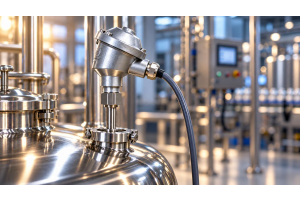

A Thermal Imaging Camera is a crucial tool for detecting and diagnosing thermal anomalies in industrial settings and various applications. With modern infrared technology, this device allows users to visualize heat patterns that are invisible to the naked eye, which helps reduce costs and improve operational efficiency. Additionally, it enhances safety and reduces risks effectively.
What is a Thermal Imaging Camera?
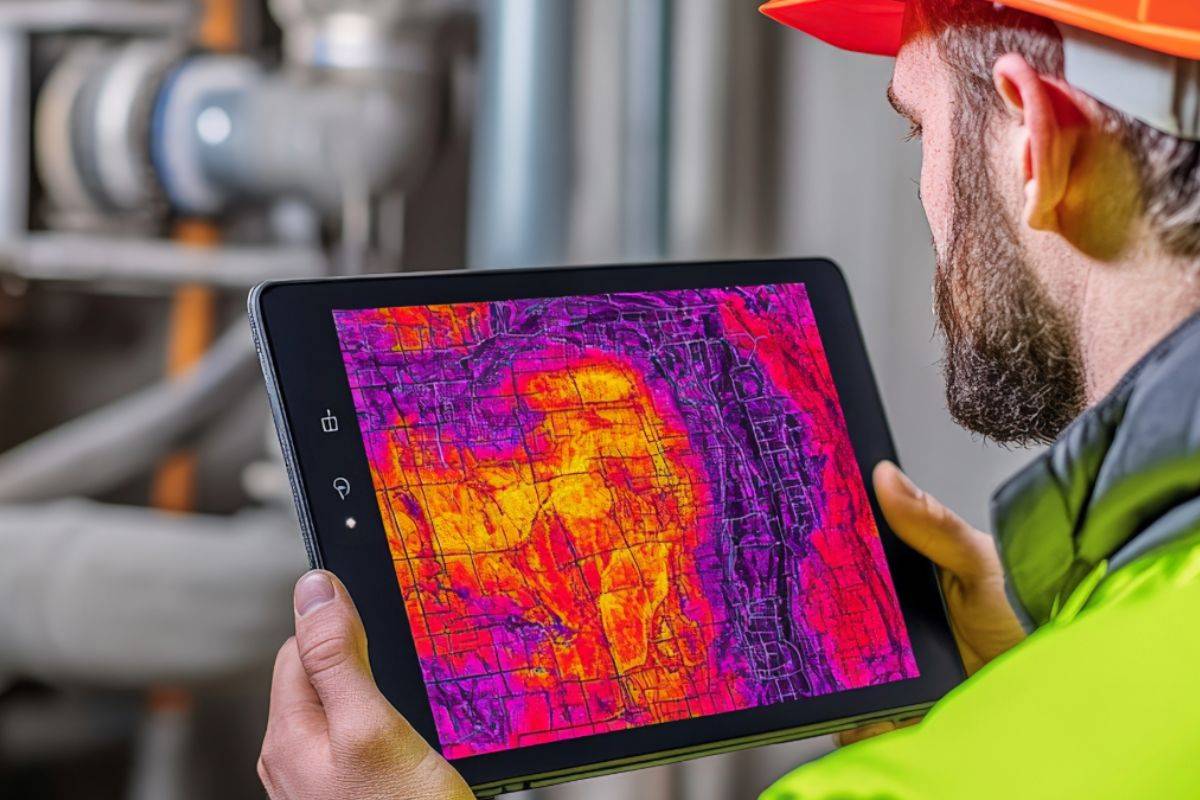
A Thermal Imaging Camera, also known as an infrared camera, is a device that uses an infrared sensor to detect thermal energy emitted from objects and converts it into visible images. It displays results in different colors according to temperature levels, such as red for hot spots and blue for cold spots. The equipment operates without the need for direct contact with objects, making it suitable for various inspection scenarios.
Key Features:
- Can be used in darkness or conditions with smoke/fog
- Detects what the naked eye cannot see, such as heat accumulation, leaks, or machine malfunctions
- Suitable for use in industrial settings, emergency response, electrical work, and building inspections
How a Thermal Imaging Camera Works
A thermal imaging camera operates by using an infrared radiation detector to capture heat energy from objects through a lens. This captured energy is then converted into electrical signals, which are processed by electronic circuits and displayed on the screen as an image. The colors in the image clearly indicate different temperature levels. To convert heat energy values into temperature values, physical principles based on Planck's law and Stefan-Boltzmann law are used.
What Can a Thermal Imaging Camera Be Used to Inspect?
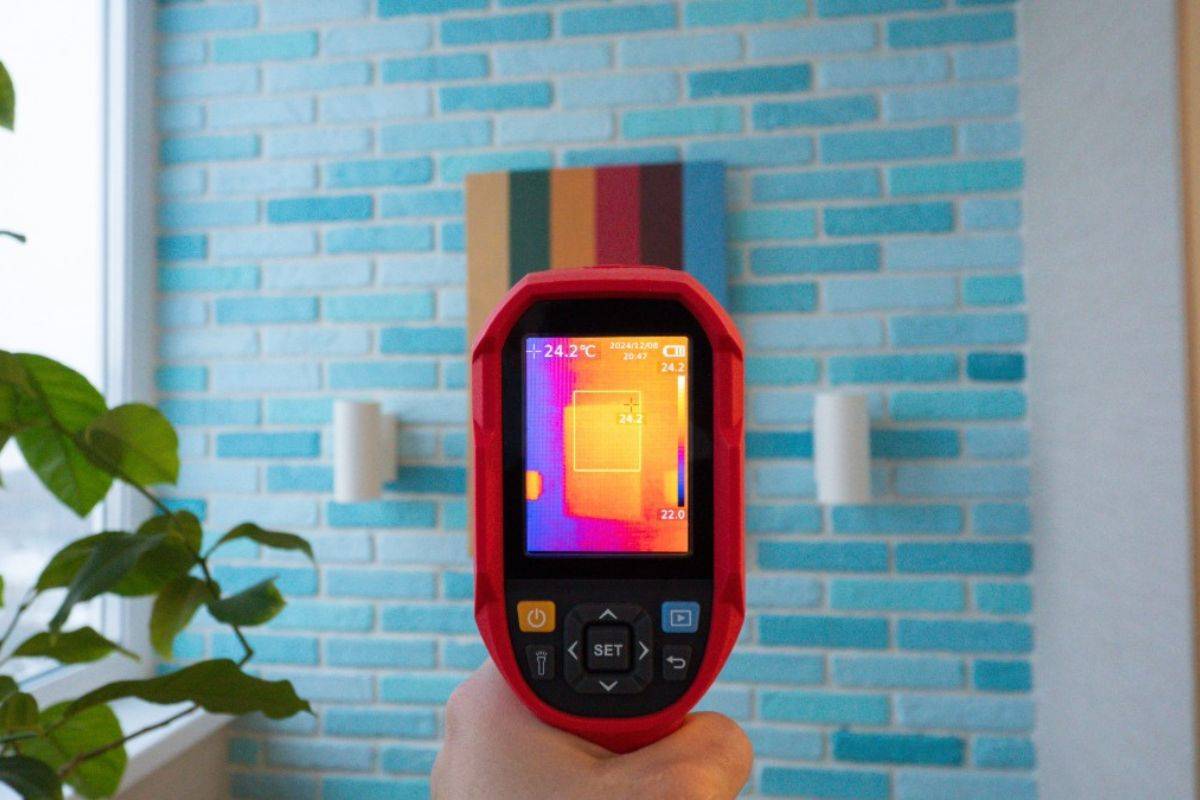
A Thermal Imaging Camera can be applied in various scenarios, such as building inspection, electrical systems, machinery, rescue operations, and surveillance. This device efficiently, quickly, and accurately diagnoses issues related to heat, helping reduce losses both financially and in terms of operational time.
- Maintenance: Inspect motors, bearings, pumps, and piping systems to minimize downtime.
- Rescue Operations: See through thick smoke, locate victims, and detect smoldering fires.
- Construction/Buildings: Detect roof leaks, moisture issues, and insulation efficiency.
- Energy: Inspect solar panels, high-voltage power lines, and steam pipes.
Inspecting Buildings
A Thermal Imaging Camera is used to inspect heat or moisture leaks in buildings as well as the efficiency of insulation. This helps prevent damage from leaks and improve energy efficiency, reducing long-term costs and enhancing safety.
Used in Firefighting and Rescue Operations
A Thermal Imaging Camera is a crucial tool for firefighting and rescue operations as it can accurately detect hot spots or individuals trapped in smoke-filled or dark environments. This equipment helps firefighters work more safely and efficiently, reducing risks during rescue and firefighting operations.
Inspect Electrical and Mechanical Systems
Infrared thermal imaging cameras can detect abnormal hot spots in electrical systems and machinery, particularly in industries that require prevention of major issues such as short circuits or machine failures. This equipment helps reduce unplanned downtime, lowers the risk of accidents, and enhances operational efficiency.
Used for Predictive Maintenance
Thermal Imaging Cameras are used to inspect and diagnose machine and equipment issues before severe damage occurs. This allows for proactive maintenance planning, reduces production downtime, extends the lifespan of machinery, and ultimately lowers overall maintenance costs.
Used for Surveillance and Safety
This equipment is effective in safety surveillance, especially in areas with limited visibility such as perimeter monitoring or high-risk critical zones. It can detect the movement of people or animals even in complete darkness, thereby enhancing security efficiency.
What Does a Thermal Imaging Camera Consist Of?
A thermal imaging camera is an apparatus that consists of several important components working together efficiently to transform heat energy into visible images. Each component has its own function and importance, as follows:
- Infrared Lens – Collects infrared radiation from the object being inspected and sends it to the infrared sensor for processing
- Infrared Sensor – Detects infrared radiation and converts the received heat energy into an electrical signal, which is then processed by the electronic circuitry
- Electronic Circuitry – Processes the electrical signals received from the infrared sensor and creates a thermal image that displays temperature levels through the display screen
- Display Screen – Displays the result as a visible thermal image using various colors to indicate the temperature level of objects
What are the Benefits of a Thermal Imaging Camera?
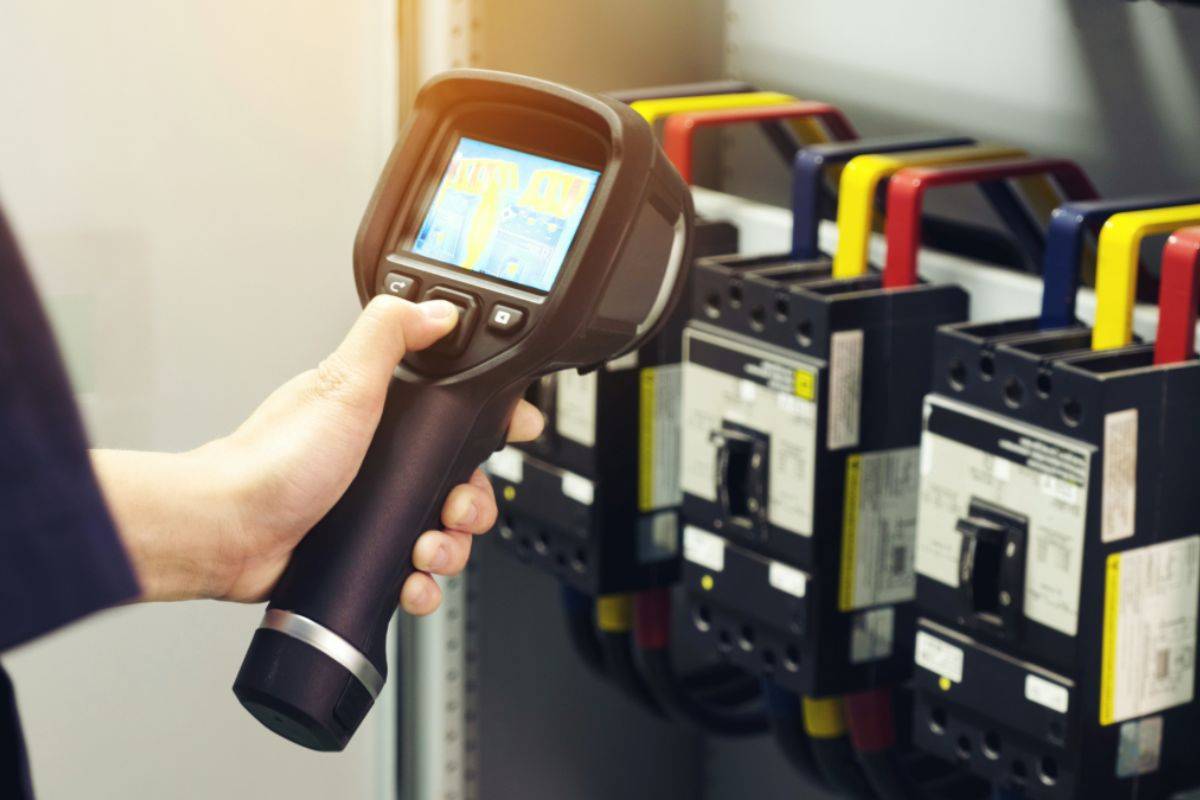
A thermal imaging camera is a highly useful tool for various applications, with the ability to detect heat that cannot be seen by the naked eye. The main benefits include:
- Helps in detecting and diagnosing thermal issues before damage occurs
- Reduces downtime of machines and operational systems
- Increases workplace safety and reduces accident risks
- Saves time and costs in maintenance and repairs
Advantages of Thermal Imaging Camera
Using a thermal imaging camera offers significant advantages in detecting various types of heat issues, enhancing efficiency and safety. Key benefits include:
- Can detect heat without direct contact with objects
- Operates effectively in low light or complete darkness conditions
- Quickly covers large inspection areas
- Provides accurate and quick results for problem diagnosis
Why is Emissivity Important When Choosing a Thermal Imaging Camera?
Emissivity is crucial for temperature measurement with thermal imaging cameras because different materials emit infrared radiation at varying levels. Setting the emissivity value appropriately to match the material being inspected ensures the highest accuracy in temperature readings. Therefore, selecting a camera that allows adjustable emissivity settings is essential for applications requiring high precision.
How to Use a Thermal Imaging Camera?
Using a thermal imaging camera is straightforward and convenient; following clear steps can maximize its effectiveness. Key steps include:
- Turn on the device and wait for it to start up.
- Aim the camera at the area or object you want to check the temperature of.
- Adjust position or distance for a clear image.
- Record thermal images and temperature data needed for further analysis.
What Should You Consider When Choosing a Thermal Imaging Camera?
Selecting the right thermal imaging camera involves considering several critical factors that impact its performance and accuracy, such as:
- Infrared sensor resolution (IR Resolution)
- Temperature sensitivity (NETD)
- Temperature range the camera can measure
- Special features, such as Wi-Fi connectivity and radiometric image storage.
Popular Infrared Cameras Available in the Market
Budget Level – For General Use
- Guide Sensmart E1+ (IR 120×90, -20…550°C) → Cost-effective entry level model for basic electrical/electronic inspections
- FLIR TG165-X (80×60 IR) → Popular FLIR model, easy to use but with lower resolution
Mid-Level – For Maintenance/Factory Use
- Guide Sensmart E2+ (IR 256×192, -20…550°C) → Higher resolution at a reasonable price suitable for industrial applications
- FLIR E5-XT (IR 160×120) → Good features but lower resolution than KTI-210
- Hikmicro B20 (IR 256×192) → Similar specs, but SCMA offers more comprehensive after-sales service
Professional Level – For Heavy Industrial Use
- Guide Sensmart H6 (IR 640×480, -40…650°C) → High resolution for accurate use even in complex tasks
- FLIR E8-XT (IR 320×240) → Lower resolution than SCMA H6 but popular in the market
- Testo 883 (IR 320×240) → Strength lies in software, but SCMA H6 provides higher resolution images
Specialized – For Firefighting/Rescue Operations
- Guide Sensmart PR610 (IR 640×480, range -40…2000°C) → Suitable for firefighting with wide viewing angle and durable use
- FLIR K65 (IR 320×240) → Popular in the firefighting industry, but SCMA PR610 offers higher resolution
If you want to purchase a Thermal Imaging Camera, SCMA is now available for service!
SCMA provides high-quality Thermal Imaging Camera services that are internationally recognized. We have a team of engineers and experts to advise on selecting the appropriate temperature measurement cameras for various industrial applications, along with comprehensive after-sales service including training, calibration according to standards, and continuous maintenance. ChooseSCMA services for the highest efficiency in using Thermal Imaging Cameras.
Recommended products:
- E1+ (-20…550°C, 256×192 Pixel) – Portable and easy to use
- E2+ (-20…550°C, 256×192 Pixel) – Industrial design for industrial use
- H6 (-40…650°C, 640×480 Pixel) – High resolution for heavy-duty work
- PR610 (-40…2000°C, 640×480 Pixel) – Special model for firefighters
Summary
Thermal Imaging Camera services from SCMA are essential tools for inspecting and diagnosing thermal issues in various industries. With infrared technology, it helps identify abnormal heat spots that the naked eye cannot see, enhancing safety, reducing costs, and improving work efficiency significantly. Selecting the right thermal camera for your job and using it correctly is crucial. SCMA provides comprehensive advice and support services to ensure successful use.
Frequently Asked Questions
How much do thermal cameras cost?
The price of a thermal camera depends on the specifications and usage. Entry-level models may start in the tens of thousands, while industrial and firefighting models can go up to hundreds of thousands.
What can thermal imaging cameras be used for?
They are used to inspect electrical systems, machinery, buildings, rescue operations, security work, as well as solar energy and cooling system inspections.
Why is resolution important?
Higher infrared camera resolution results in clearer images, allowing for more accurate analysis of abnormalities. The 256×192 model suits general work, while the 640×480 model is suitable for industrial work.
Which brand of thermal cameras is good?
SCMA offers high-quality cameras covering all levels of work, from KTI, E-Series to H-Series and PR-Series, catering to both general and heavy-duty tasks.
How much do thermal cameras cost?
Prices range from tens of thousands for entry-level models to hundreds of thousands for industrial models.
What is the difference between a Thermal Camera and an Infrared Thermometer?
A Thermal Camera displays thermal images, whereas an Infrared Thermometer measures only one point at a time.
Can a Thermal Camera be used to detect leaks?
Yes, it can identify moisture or areas with different temperatures from the surroundings.
How are infrared cameras used in electrical work?
They are used to inspect hot spots in electrical cabinets, transformers, or wires to prevent accidents.
What is a Thermal Imager (Thermal Camera)?
Thermal Imager or Infrared Thermal Imaging Camera is a device that detects and displays the thermal energy emitted by objects, showing it as various colored heat images according to temperature levels. This type of camera works with an infrared sensor, allowing it to see what cannot be seen with the naked eye without directly touching the object.
How does a Thermal Imaging Camera work?
A thermal imaging camera works by using an infrared sensor to receive heat radiation from the object being inspected. This energy is converted into electrical signals, which are then processed electronically and displayed as colored images on a screen. Each color indicates different temperature levels of the objects being inspected.
What are the advantages of an Infrared Thermal Imaging Camera?
An infrared thermal imaging camera (Infrared Thermal Camera) stands out in efficiently inspecting and diagnosing heat-related issues, with key benefits including:
- It can see hot or cold spots that cannot be seen with the naked eye.
- Direct contact with the object being inspected is not necessary.
- It can be used in limited lighting conditions or complete darkness.
- Provides quick and highly accurate inspection results.
What are the benefits of a Thermal Imaging Camera?
Thermal Imaging Camera is useful for inspecting and diagnosing various thermal issues, helping to reduce maintenance costs and enhance workplace safety clearly. The key benefits include:
- Detect thermal problems early to prevent severe damage
- Aid in planning efficient maintenance schedules
- Reduce downtime of operational systems
- Increase safety and reduce the risk of accidents at work
Which Thermal Imaging Camera is Good to Use and of High Quality from SCMA
Recommended Products:
- E1+ (-20…550°C, 120×90 Pixel) – Portable size, easy to use
- E2+ (-20…550°C, 256×192 Pixel) – Industrial design for professional use
- H6 (-40…650°C, 640×480 Pixel) – High resolution for heavy-duty work
- PR610 (-40…2000°C, 640×480 Pixel) – Special model for firefighters
Why Should You Buy a Thermal Imaging Camera from SCMA?
- Authentic products from a leading brand
- Expert team for consultation to choose the right model for your needs
- Comprehensive after-sales service (calibration, maintenance, training)
- Covering all needs from general users to industrial sectors