
What is a Distance Meter? How Many Types Are There and Why Is It Important?
A distance meter is an innovative technological tool that has revolutionized the field of measurement and surveying, turning tasks that once required multiple workers and long hours into simple matters completed in just a few seconds. SCMA would like to present in-depth knowledge about Bosch laser distance meters which will change your perspective on work forever. With millimeter-accurate laser technology, measuring distances becomes an art of precision that every professional must learn.

What is a Distance Meter?
A distance meter is a device used to measure the length or distance of objects or areas using modern laser technology. The principle of operation for Bosch laser distance meters involves sending a laser beam to a specified target, then calculating the time it takes for the light to travel back and forth to display the distance on a digital screen. Because laser light travels at the speed of light, this makes measurements highly accurate to millimeter level and can measure long distances efficiently. In addition to basic distance measurement, modern laser distance meters also have functions for automatic area calculation, volume calculation, and Pythagorean measurement.
What are the Benefits of a Distance Meter?
Laser distance meters provide significant benefits to professionals in various fields, especially by reducing time spent on complex tasks and providing high accuracy that traditional tools cannot achieve. The main user groups include architects, engineers, construction contractors, surveyors, electricians, and interior design operators. Laser measurement helps increase work efficiency, reduce errors from manual measurements, and build confidence in technical decisions requiring high precision.
Using a Distance Meter
Using a laser distance meter is a simple process but requires proper technique. Start by placing the tool securely at the starting point of measurement, then aim the laser beam at the target to be measured, such as walls, ceilings, or objects. Pressing the measure button will send out the laser signal and display the distance immediately. In addition to basic measurements, users can utilize advanced functions like calculating area by measuring width and length, finding volume by adding height, and measuring diagonal distances using Pythagorean theorem.
The ability to switch between measurement units such as meters, feet, and inches makes this tool usable in all international standards. Saving measurement data allows users to review the results of measurements and perform complex calculations later on. For professional users, it is recommended to study each model's user manual thoroughly to fully utilize advanced functions and avoid errors that may occur from improper use.

Types of Distance Meters
Laser Distance Meter has been developed to meet the specific needs of various types of work, from general use in homes to advanced engineering projects. Choosing an appropriate laser distance meter depends on the nature of the job and the required accuracy.
Portable Distance Meters
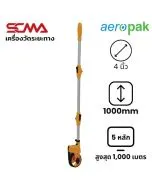
Portable laser distance meters are the most popular basic models, with a compact size similar to that of a smartphone, making them easy to carry and use anywhere. The typical measurement range is between 30-100 meters, suitable for indoor work such as room measurements, furniture installation, and interior decoration. With an accuracy level of ±2 millimeters, they are ideal for general tasks that do not require extremely high precision. Affordable prices make them the first choice for beginners.
Bluetooth Distance Meters
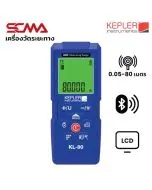
Distance meters with Bluetooth connectivity meet the needs of the digital age by connecting to smartphones or tablets via dedicated applications, automatically recording and storing measurement data. They can create initial floor plans, calculate costs, and export reports in various formats. Data synchronization features allow teams to share real-time measurement data, making them suitable for large projects that require systematic data management.
3D Scanner Distance Meters
3D scanner distance meters are the most advanced technology capable of scanning entire areas and creating realistic three-dimensional models. They are suitable for architectural work, conservation of ancient buildings, interior design, and research requiring comprehensive spatial data. The ability to capture point-level details allows for precise planning and advanced design use. Despite their high cost, they offer excellent value for professional work.
Laser Rangefinder Camera Distance Meters
Laser rangefinder cameras are designed for long-distance measurements in outdoor work with ranges of several kilometers, suitable for land surveying, large construction projects, and civil engineering. High-precision zoom and sighting systems enable accurate long-range measurement even under bright light conditions. Durable weather-resistant designs make them usable in all environments, making them essential tools for professional surveyors and civil engineers.
Benefits of Using a Laser Distance Meter
A laser distance meter offers several advantages over traditional measuring tools in terms of accuracy, convenience, and operational efficiency. Transitioning from tape measures to laser technology is therefore a worthwhile investment for every professional.
- Higher Accuracy than Tape Measures - An accuracy level of ±1-2 millimeters surpasses that of standard tape measures, which may suffer from errors due to slack or unclear readings.
- Convenient Usage, Even in Hard-to-Reach Areas - Can measure distances remotely without needing to walk to the target point, ideal for measuring ceiling heights or across obstacles.
- Significantly Saves Time and Labor - Reduces measurement time from several minutes to just a few seconds, and no helper is needed to hold the end of the tape measure.
- Automatically Calculates Area, Volume, and Angle - Advanced calculation functions reduce manual computation steps and minimize error risks.
- Data Logging and Storage Capabilities - Internal memory system stores measurement results for reference or future calculations.

Why are distance measuring devices important?
Distance measuring devices are crucial in the modern world of construction and engineering, where accuracy is a key factor for project success. In an era where time is money, having tools that can reduce work steps and increase data reliability is essential. Even minor measurement errors may result in major adjustments to the work, causing both time and budget losses.
Distance measuring devices also enhance workplace safety standards by reducing the need to enter dangerous or hard-to-reach areas for measurements, thereby decreasing accidents and increasing productivity. Additionally, digital data obtained from measurements can be directly used in CAD systems and various design software, making the design and production processes continuous and efficient.
For organizations aiming to raise their operational standards and gain a competitive edge, investing in modern measuring tools is a critical strategy for developing capabilities and maintaining a reputation for delivering high-quality work.
How to Choose the Right Distance Measuring Device?
Choosing the right laser distance measuring device involves considering several factors to ensure that you get a tool that meets your needs and is worth the investment. Analyzing usage requirements, budget, and necessary features will help you make an informed decision. Experts recommend thoroughly comparing different models before making a purchase.
- Measuring Range - Choose a device with the highest measuring range suitable for your work, such as 30 meters for indoor jobs or over 200 meters for outdoor projects.
- Accuracy Level - Consider the level of accuracy required, with general work needing ±2-3 mm and high precision jobs requiring ±1 mm or better.
- Display Quality - Choose a display that is clear, easy to read even in bright light, and can adjust brightness according to the environment.
- Additional Functions - Consider the necessity of Bluetooth, built-in camera, area/volume calculation, or data storage system.
- Durability and Protection - Choose a device with an appropriate IP rating for water resistance, dust protection, and impact resistance suitable for tough environments.
- Brand and Warranty - Select reputable brands with service centers in the country and comprehensive warranties such as Bosch, Leica, Fluke, etc.
If you want to purchase a distance measuring device, SCMA is now available for service!
SCMA introduces high-quality laser distance measurement devices from leading brands worldwide. With over 20 years of experience as a leader in the sale of engineering tools and measuring equipment, we curate a diverse range of distance measuring devices to meet every need, from basic models for general work to professional-grade tools for large projects. Our team of experts is ready to provide consultation to help you choose the best tool, along with comprehensive after-sales service including product warranties and maintenance services from expert technicians.Experience unparalleled shopping with SCMA today
Summary
Laser distance measuring devices are an indispensable innovation for professionals in the current era. With high accuracy, ease of use, and a variety of functions, they enhance work efficiency and reduce errors that may occur with traditional tools. The choice of a suitable distance measuring device depends on the nature of the job, measurement range, and required precision. SCMA is ready to be your partner in elevating your work with high-quality measuring tools and comprehensive services, whether for construction, architecture, or design. Investing in a laser distance measuring device is an investment in the future success of your projects.
Frequently Asked Questions
What is the function of a distance measuring instrument?
A distance measuring instrument primarily measures distances, widths, lengths, and heights of objects or areas with high accuracy. Additionally, it can automatically calculate area and volume, reducing time and labor in work processes. It is an important tool that enhances efficiency in construction, design, and surveying tasks.
What is a laser distance meter?
A laser distance meter is a device that uses laser light to measure distances based on the time it takes for the signal to travel to and reflect back from an object. The instrument sends out a laser signal to the target and calculates the time taken for the reflection, allowing for precise distance measurement down to millimeter accuracy due to the constant speed of light.
What types of distance measuring instruments are there?
There are mainly four types of distance measuring instruments: portable devices for general use, Bluetooth-enabled models for digital data collection, 3D Scanners for area scanning and modeling, and laser rangefinder cameras for long-distance measurements in outdoor work. Each type has unique advantages suited to different tasks.
What are the benefits of using a distance measuring instrument?
Using a distance measuring instrument offers several advantages, including higher accuracy than standard tape measures, ease of use even in hard-to-reach areas, significant time and labor savings during measurements, and automatic data recording functions for area and volume calculations. This makes measurement and calculation tasks faster and more efficient.