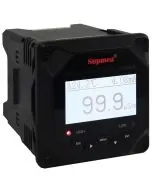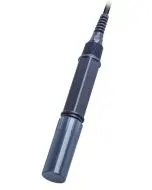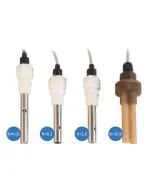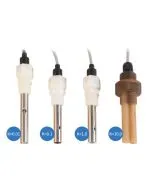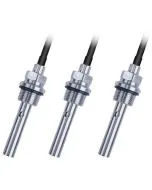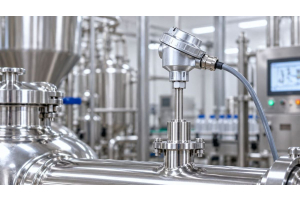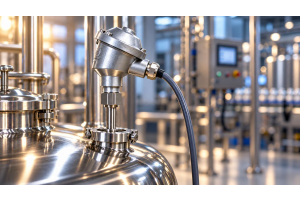

A TDS (Total Dissolved Solids) meter is a device used to measure the amount of solids dissolved in water, which is crucial for checking the quality of drinking water sources. Its usage is quite simple; just dip the measuring head into the water and the device will display the TDS value as a number. The measured TDS value indicates the concentration of dissolved substances, and if it's too high, it may pose health risks. Therefore, testing TDS levels is an important step that helps ensure drinking water meets quality standards.
What is a TDS Meter?

A TDS meter, or Total Dissolved Solids meter, is a tool used to measure the amount of solids dissolved in water (Total Dissolved Solids), including organic and inorganic substances, minerals, and various salts. It works by measuring the electrical conductivity of the water. The drinking water TDS meter is compact and portable but provides reliable measurement results, effectively indicating water quality. Therefore, it is an essential tool for checking drinking water in households or industrial water production systems.
How a TDS Meter Works
A TDS meter uses the principle of measuring electrical conductivity (Conductivity) to analyze dissolved substances in water. Since dissolved substances in water break down into ions, which improves the ability of water to conduct electricity, the more ions there are, the higher the electrical conductivity will be. Therefore, a TDS meter relies on this relationship to assess the amount of solids dissolved in the form of ions and displays the value in units of ppm (Parts Per Million) or mg/L.
How to Use a TDS Meter

Using a TDS meter is quite simple and not complicated. By following the steps correctly, you can accurately read the TDS value of water samples. The main steps are as follows:
- Prepare a clean container for the water sample free from contaminants.
- Turn on the TDS meter and dip the probe into the water, covering the electrode area.
- Wait approximately 10-30 seconds until the reading stabilizes.
- Record the TDS value displayed on the screen, usually in ppm units.
- Clean the probe thoroughly, let it dry, and then turn off the meter to store it properly.
What is TDS and what does it consist of?
TDS (Total Dissolved Solids) refers to the total amount of substances dissolved in water, including organic matter, inorganic matter, salts, and various minerals. The TDS value is usually expressed in ppm or mg/L, indicating the concentration of contaminants and the safety level of drinking water.
What is TDS?
The TDS value represents the total amount of solids dissolved in water, whether organic matter such as algae or microorganisms, or inorganic matter like salts and minerals. Generally, water has a TDS range between 50-500 ppm; if it exceeds 500 ppm, it is not suitable for drinking, and if it surpasses 1000 ppm, it is considered unsafe.
What does it consist of?
The TDS in water consists of various substances that can be broadly categorized as follows:
- Minerals: such as calcium, magnesium, sodium, potassium
- Salts: like sodium chloride, sulfate, bicarbonate
- Metals: such as copper, lead, iron, zinc
- Organic matter: like plant substances, microorganisms, bacteria, viruses
What Causes TDS?
The TDS (Total Dissolved Solids) value in water can arise from various factors, including natural causes, human activities, or certain chemicals from the plumbing system. These are significant sources of TDS that may affect the purity and safety of drinking water. Therefore, it is essential to regularly check the TDS level to control water quality.
1. Natural Sources of TDS
Ions and minerals in water often seep from soil or rock as water flows through them, especially near limestone layers. When water comes into prolonged contact with the surface of rocks, it releases minerals into the water such as calcium and magnesium, increasing the TDS level. However, if the amount is not too high, it remains safe for consumption.
2. Human Activities Leading to TDS
Human activities often lead to contamination of water sources, resulting in an increase in TDS levels. This can be categorized into three main types:
- Agricultural Activities: Such as the use of chemical fertilizers and pesticides, which can contaminate underground water sources.
- Industrial Activities: Such as discharging wastewater from factories containing heavy metals and toxins into rivers and streams.
- Wastewater Treatment Plants: If the treatment is not effective, TDS may remain in the water, contaminating raw water sources.
3. Plumbing Pipes
TDS from the plumbing system mainly comes from pipe corrosion such as iron pipes, copper joints or using low-quality materials causing metals to dissolve into the water, increasing TDS levels. If you notice that the water has an unusual smell or taste, it may be due to these contaminants.
What is the standard TDS value?
According to the World Health Organization (WHO), general drinking water should have a TDS level not exceeding 500 ppm, which is suitable for consumption and safe for health. However, if the TDS level exceeds 1000 ppm, it is considered unclean water that may contain harmful contaminants. For bottled water that has been treated, the TDS level is usually low, ranging from 50-150 ppm. Reverse Osmosis (RO) water typically has a very low TDS level below 50 ppm as it can almost completely remove minerals. Nonetheless, each country often sets different standards for TDS levels based on environmental and health factors.
Why is measuring TDS important?
Measuring the TDS level is a crucial step in checking the quality of drinking water and ensuring safety. A high TDS level beyond standard can negatively impact health, causing undesirable taste and odor in water. Additionally, it indicates contamination by harmful substances that may cause various diseases. By measuring and controlling the TDS level within an appropriate range, we can prevent risks and ensure that the consumed water is clean and safe for use.
What Should You Consider When Choosing a TDS Meter?

When choosing to buy a TDS Meter or a TDS Meter Tester, users should consider various factors comprehensively to ensure they get a high-quality TDS meter that is efficient and effective in use. The factors to be considered are as follows:
- Accuracy and resolution of the measurement, should provide accurate values and measure down to ppm level
- Size and weight of the device, choose according to actual usage needs for easy portability
- Materials used in production, must be high quality, durable, water-resistant, electrode does not deteriorate easily
- Brand and model, should choose from a reputable brand with good after-sales service
- Price, consider according to budget by comparing features, lifespan, value for money
Guidelines for Using a TDS Meter
To ensure accurate and precise use of the TDS meter, and to prolong its lifespan, users should follow these guidelines:
- Study the usage method thoroughly before starting measurements.
- Prepare a clean sample of water in a clean container and rinse the sensor each time.
- During measurement, submerge the probe completely and avoid touching the bottom or sides of the container.
- Wait for a stable reading when the displayed number stops changing.
- After measurement, clean and dry the probe, store it safely to prevent drops or impacts.
- Calibrate the instrument regularly as per the specified intervals to maintain accuracy.
If interested, you can purchase a TDS meter from SCMA today!
SCMA Company imports and distributes high-quality TDS meters or TDS Meters for use in homes, offices, or industrial settings. We are committed to selecting products from leading global brands that stand out for their modernity, accuracy, and ease of use. Suitable for measuring the quality of drinking water to ensure good health for family members. Customers can choose to purchase a TDS Meter or water quality meters (Water Quality Meters) from us, SCMA. We provide excellent advice, warranty services, and after-sales support to ensure peace of mind throughout use.
Summary
As mentioned above, the TDS meter is a crucial tool that effectively checks the quality and safety of drinking water by measuring electrical conductivity to evaluate the amount of dissolved ions. Using a TDS Meter is quite easy and convenient; simply choose a standard instrument and use it correctly to prevent health risks from consuming unclean water. Therefore, a TDS Meter should be an essential item in every household, and SCMA is ready to be part of your health care withquality services and products you can trust.
Frequently Asked Questions
What should the TDS level of RO water be?
RO or Reverse Osmosis water typically has a very low TDS level, usually ranging in the following:
- Less than 10 ppm is considered quite low and very clean but may be too bland.
- Around 10-50 ppm is suitable for general RO drinking water.
- Above 50 ppm, the water may contain some minerals and is not preferred for RO water.
What are TDS parameters?
TDS or Total Dissolved Solids refers to the total amount of dissolved substances in water, both organic and inorganic, including various minerals. It is usually measured in mg/L or ppm. The TDS level can indicate the purity and cleanliness of water and may affect its taste and odor.
What are some TDS measuring tools?
TDS measuring tools, also known as TDS Meter, come in various types such as:
- Pen-style TDS Meters are portable and small-sized, affordable for general water testing.
- Tabletop models with digital displays offer high accuracy suitable for analytical work.
- Online Monitoring systems continuously measure and transmit data, ideal for industrial applications.
What does TDS in water indicate?
TDS levels can indicate the quality and purity of water. An appropriate level is between 50-150 ppm, which is safe for health and maintains a good taste. If TDS exceeds 500 ppm, the water is considered hard with high mineral content. Water with more than 1000 ppm TDS is unsafe to drink as it may contain toxic substances and pose risks of various diseases.