

An electrostatic voltmeter is a crucial device used to measure and monitor the level of static electricity in various environments, especially in industrial settings where there is a risk from static electricity. SCMA invites you to explore the world of static electricity, which despite its small size can damage equipment worth millions in an instant. Learn how to prevent damage with high-quality tools from industry-leading measurement instrument providers.
What is an Electrostatic Field Meter?
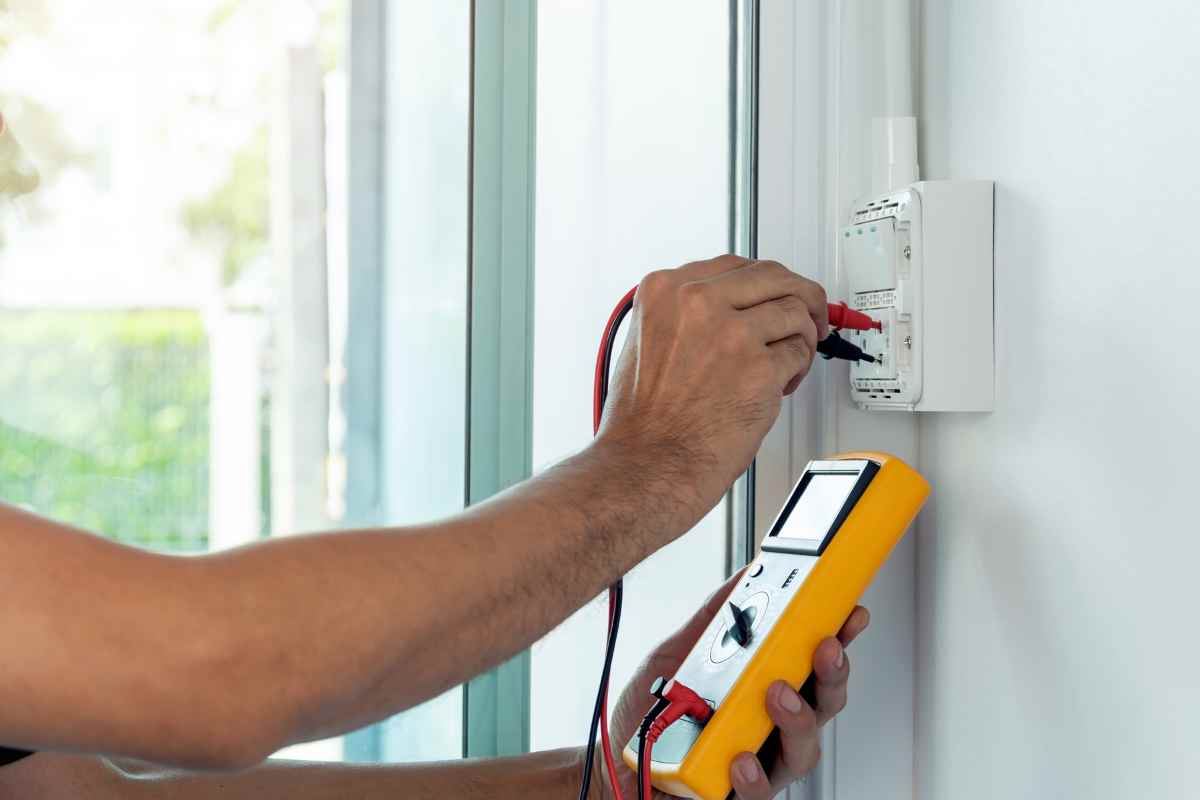
An Electrostatic Field Meter is a tool used to measure static electricity in any given area. It can display the potential difference as voltage by simply pointing it at the area you want to check from about an inch away, indicating the amount of residual charge that may cause damage to electronic equipment. Additionally, it can measure surface resistance to evaluate the effectiveness of various materials and protective devices such as work areas, ESD shoes or socks in preventing static electricity.
What Causes Static Electricity?
What is static electricity? It's a phenomenon caused by the accumulation of electrical charge on the surface of an object due to friction between objects, causing electrons to be transferred from one object to another, creating an imbalance in electrical charge. This can occur in various everyday situations such as walking across carpet and touching a doorknob resulting in a shock, removing clothes in dry air, or in industrial environments where there is movement of insulating materials like plastic, paper, or fabric, all of which are primary causes for the accumulation of static electricity that may cause harm.
Is static electricity dangerous?
Static electricity can cause accidents, ranging from minor shocks that are not harmful to severe dangers that may arise from high electrical currents. At low levels, which are not dangerous, such as walking on a carpet and then touching a door knob, you might only feel a slight shock. However, in industrial environments, high levels of static electricity can pose serious risks, such as igniting flammable substances or fine dust leading to explosions or fires, and it can also completely destroy valuable electronic equipment without any prior warning signals.
What are the main components of a Static Field Meter?
Static field meter has four key components that work together to ensure accurate and efficient measurement and evaluation of static electricity.
Sensor Probe
The sensor probe is the heart of a static field meter, responsible for detecting the intensity of an electric field without touching the surface being tested. With highly sensitive sensor technology that responds to changes in electrical charge, the probe can detect even small amounts of charge that could potentially damage electronic equipment.
Display Unit
The display unit is designed for easy and clear reading, showing the intensity of the electric field in volts per meter (V/m) or kilovolts per meter (kV/m), along with an alert system when values exceed safe limits. This allows users to quickly assess risks and make decisions.
Control System
The control system of a static field meter includes buttons and dials designed for easy operation, featuring calibration functions, measurement range selection, and alarm signal settings. This enables users to customize the device's performance according to specific environmental conditions and requirements.
Power Supply
The power supply system of a static field meter includes rechargeable battery options for flexibility in field use, as well as mains-powered versions for continuous operation in laboratories or production lines. It also features an energy-saving system to extend the device's operational life throughout the workday.
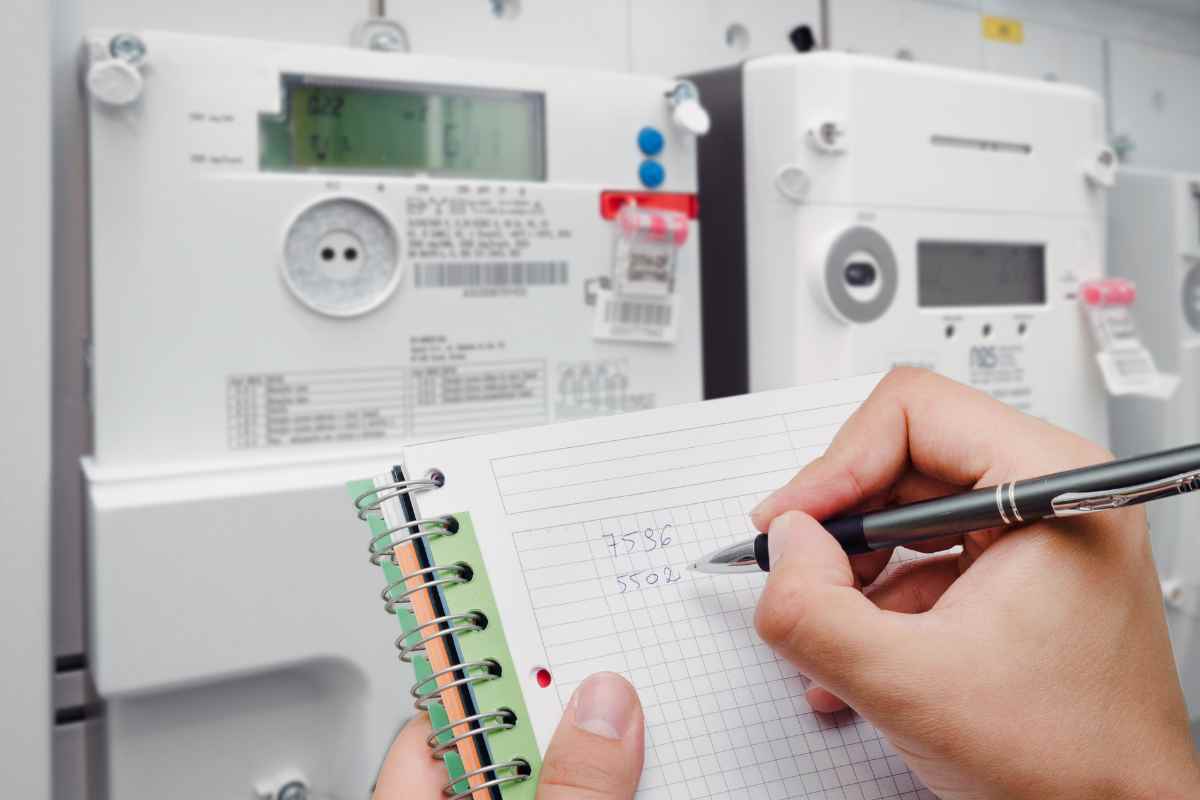
How to Prevent Static Electricity in Industrial Plants?
Preventing static electricity in industrial plants can be achieved through various methods, with one of the most effective being the use of electrostatic discharge (ESD) materials designed to dissipate static electrical charges slowly without allowing them to accumulate excessively at any single point. Examples of such materials include floor mats, workbench pads, wrist straps, protective suits, and anti-static gloves.
Another effective method is the use of ionizers, which release air with both positive and negative charges to neutralize areas where static electricity has accumulated. Although static electricity may seem harmless, in an industrial environment even a small spark can lead to explosions, fires, or damage to high-value electronic equipment, making understanding and preventing static electricity crucial for worker safety and asset protection.
Which Industries Are Suitable for Static Electricity Meters?
Static electricity meters are essential tools used to detect and measure the accumulation of static electrical charges in working environments, particularly necessary in electronics manufacturing, production industries, and chemical processes where there is a high risk of damage from static electricity. The electronics industry requires strict control over static electricity to prevent damage to sensitive circuit boards and components, while manufacturing plants handling insulating materials and chemical industries dealing with flammable substances need these tools to prevent sparks that could lead to explosions or fires.
The Benefits of Electrostatic Field Meters for Industry
Electrostatic field meters are highly beneficial for the industrial sector. They help detect and measure static electricity charges in working environments accurately with electronic technology that has no moving parts, ensuring high precision and reliability. This tool helps prevent damage to valuable electronic equipment, reduces risks of accidents from explosions or fires in flammable areas, and aids in evaluating the efficiency of installed electrostatic protection systems, thus maintaining production quality standards and workplace safety effectively.
If you are interested in Electrostatic Field Meters, you can purchase them from SCMA today!
SCMA proudly offers high-quality electrostatic field meters that meet international standards and come with comprehensive functions suitable for all industrial needs. Our products are highly accurate, easy to use, and durable, supporting a variety of industrial environments. Additionally, we have a team of experts ready to provide consultation on selecting the appropriate electrostatic field meter for your specific business needs, along with fast and efficient after-sales service. Contact SCMA today for more information and start managing static electricity risks professionally.

Summary
An electrostatic field meter is a crucial tool used to measure and monitor the level of static electricity in industrial environments. It helps prevent damage from ESD, reduce risks of explosion or fire accidents, and improve product quality.
This equipment consists of main components such as the measuring head (Sensor Probe), display unit, control system, and power source. Its principle of operation involves detecting static electric fields and converting them into readable signals. It is suitable for use in various industries including electronics, semiconductors, chemical and petroleum, paper and plastic manufacturing, among others.
SCMA provides high-quality electrostatic field meters that meet international standards. With expertise and experience in the industry, we can offer advice on products tailored to specific business needs. Investing in a quality electrostatic field meter from SCMA will help protect valuable equipment, increase production efficiency, and create a safer working environment. Contact us today to start managing static electricity risks professionally.
Frequently Asked Questions
What are the types of electrical charge measuring tools?
How many types of electrical measurement tools are there? What kinds of static electricity measuring devices exist? Here are some examples: Electrostatic Field Meter, which measures the intensity of an electric field; Electrostatic Charge Meter, which measures accumulated charge quantity; Surface Resistivity Meter, which checks material's charge dissipation properties; and Charge Plate Monitor (CPM), used to check Ionizer efficiency.
What does an electrostatic field meter measure?
An electrostatic field meter measures the intensity of static electric fields in the area being inspected, providing readings in volts per meter (V/m) or kilovolts per meter (kV/m). This device can detect static electricity accumulated on object surfaces or in the air, helping users assess ESD risks and the likelihood of dangerous charge discharges.
What equipment is used to check electrical charges?
Various types of equipment are used to check electrical charges, such as Electrostatic Field Meter, Voltmeter, Ammeter, Surface Resistivity Meter, and Ground Tester. These devices play a crucial role in monitoring and controlling static electricity in industrial environments requiring ESD control.
How does a moving iron instrument work?
A Moving Iron Instrument operates based on electromagnetic induction. When electric current flows through the coil, it generates a magnetic field that attracts and moves an iron plate; the movement of this plate depends on the strength of the electrical current, with springs resisting its motion. This movement is transmitted to a needle indicating values on the dial. Such instruments can measure both direct current (DC) and alternating current (AC).
What is an ESD meter?
An ESD Meter (Electrostatic Discharge Meter) is a specialized device designed to detect and measure static electricity discharges. This tool can identify ESD events occurring in the work environment and gauge the severity of these discharges, displaying results in volts. The ESD meter is essential for assessing the effectiveness of ESD prevention measures in electronic manufacturing processes and environments requiring strict ESD control.