Are you experiencing problems with lost products or delayed stock checks? This article will take you deep into how RFID systems are the technology that can help solve these issues, along with a summary of solution design from SCMA, so that you can understand the basic principles of operation and choose the right application to reduce long-term costs.
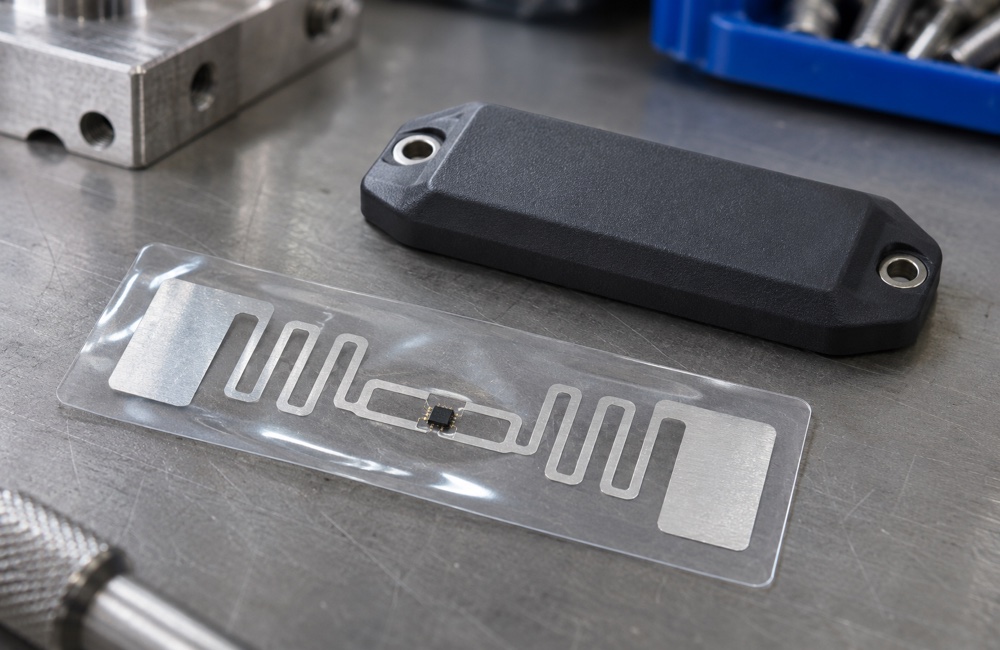
What is an RFID System?
An RFID system is a wireless radio frequency identification technology designed to transmit data between a signal transmitter and receiver and an information tag without requiring physical contact. This technology greatly speeds up the identification process. Many people wonder what RFID means in an industrial context; the answer is that it is the core of high-accuracy asset tracking.
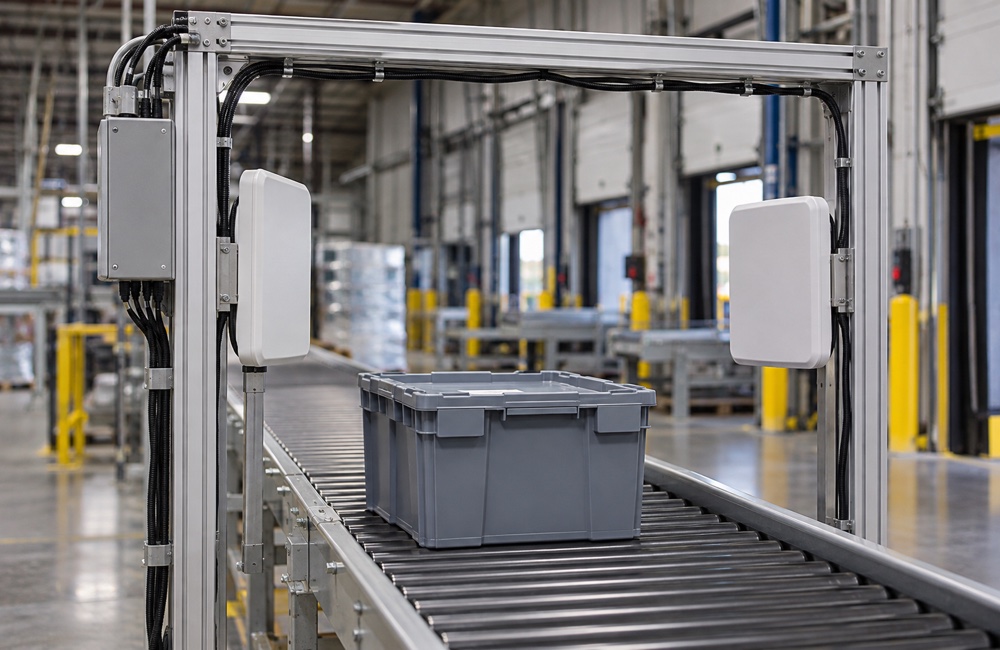
How RFID Systems Work
This system operates by using radio waves to communicate systematically between devices. We can divide the operation process into key steps to understand the basics of this technology as follows
Signal Transmission from the Reader
The reader (Reader) will emit radio frequency waves around it through the antenna installed. These signals will cover the designated area to search for tags within the radius. This signal transmission is a clear starting point that explains what RFID is in terms of connectivity
Data Tag Energy Reception
Passive tags receive energy from the reader's field to power the chip. Active tags have their own power source and send signals according to the system design
Data Reflection Back to the System
The tag sends back its identification code or supported data to the reader according to the system protocol. For example, passive UHF tags communicate by modulating the signal reflected back to the reader
Data Processing and Storage
The reader will receive the reflected signal, convert it into digital data, and send it to the central software. The computer system will record and display the results to the user immediately. This entire process answers the question of how RFID technology helps reduce work processes
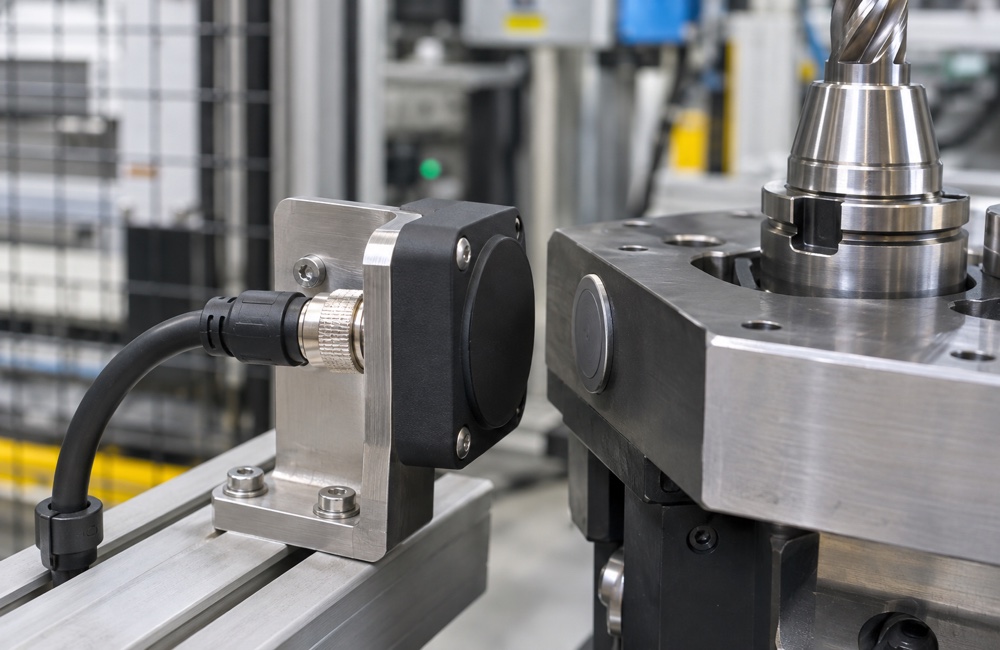
How many types of RFID systems are there?
Based on the experience of SCMA's engineering team, selecting the radio frequency that matches the nature of the work is the most important factor. RFID systems can be divided into three main categories according to standard frequency ranges for industrial use.
RFID 125kHz (Low Frequency)
The LF system is often used for short-range applications, such as access control systems or Transponders type tags. The actual reading distance depends on the tag, antenna, installation position, and materials around the tag, according to GS1 reading distance data
RFID 13.56MHz (High Frequency)
The HF (High Frequency) system supports medium-range data transmission with increased speed. Engineers use the 13.56MHz RFID system for tasks requiring repeated recording of production history onto data tags. This technology is highly accurate and effectively supports data reading and writing.
RFID UHF (Ultra High Frequency)
UHF RFID system is used in warehouse and logistics applications to read multiple tags through the same reader point. UHF RFID devices must be used within the permitted frequency range in the area, and the reading distance should be tested with actual materials and placement.
Maintaining the RFID System
Regular maintenance of hardware helps extend its lifespan and prevent data transmission errors. These are the preventive guidelines from our technical support team to keep the RFID system in standard condition.
Cleaning the Receiver Device
Cleaning dust and dirt on the reader and antenna areas is essential. Excessive dust may reduce the efficiency of radio wave transmission. Taking care of this part helps users understand what RFID is from the perspective of physical maintenance.
Inspecting the Tag Condition
Operators should regularly check the condition of the tags for any damage, peeling, or cracks. Damaged tags may cause the RFID system to fail in response. Replacing damaged tags immediately helps reduce data loss issues in the production line.
Updating Software and Firmware
Along with hardware, upgrading the reader's firmware to the latest version helps close vulnerabilities and improve stability. Smooth data connectivity shows that RFID solutions are technologies that must work in sync with the central system in real time.
Planning Preventive Inspections
Creating a systematic schedule for inspecting radio signal transmission helps the maintenance team detect abnormalities before major problems occur. Preventive maintenance is one of the services provided by SCMA that is ready to professionally maintain the entire system.
Application of RFID Systems in Industry
This wireless technology is widely applied in industry to solve problems related to tracking parts. Choosing an RFID system according to frequency levels helps address specific needs as follows:
Automatic Inspection and Tracking of Parts
Modern production lines use radio waves to record detailed information of each part along the conveyor belt. This step helps reduce errors from manual recording. Business owners who study what RFID is will find that this benefit truly improves production efficiency.
Warehouse and Logistics Management
The special high-frequency system supports receiving goods in bulk pallets without cutting boxes or scanning each item individually. Applying the RFID system in this area saves employees' working time significantly, making product flow more efficient.
Access Control to Restricted Areas
Industrial factories use low frequency to identify employees' rights to enter high-risk areas. This technology is secure and works quickly, proving that RFID is a technology that meets both production and safety standards needs.
Advantages of RFID Systems
The transition from barcode systems to radio wave technology produces clearly positive results. These are the key advantages of RFID systems that entrepreneurs should know before making investment decisions
Scanning Large Amounts of Data Simultaneously
Systems that support reading multiple tags can detect multiple items in one round. The actual number and speed of reading depend on the protocol, tag position, antenna, and working conditions
Reading Data Without Line of Sight
RFID can read tags without directly seeing the label. Packaging materials, liquids, and metals may change the read range or cause reading errors, so testing with real samples is recommended
High Accuracy Reduces Errors
Directly retrieving digital data helps eliminate human input errors. Increased accuracy helps reduce hidden costs from inventory discrepancies. Those who wonder what RFID is from a financial perspective, the answer is a tool to reduce losses
Real-Time Status Tracking
Readers send detected events to the inventory management system. This data is used to see which assets passed through which points and when. If continuous location tracking is required, the system and coverage must be designed to support it
Resistance to Harsh Environments
Industrial labels are designed to withstand heat, moisture, and impacts better than regular paper labels. Users can overwrite new information to reuse them, helping increase the value of long-term investments
How to Choose an RFID System
An investment to achieve a worthwhile return requires consideration of components that align with the application. Our engineering team has summarized the guidelines for selecting an RFID system into the following checklist:
Select frequency according to the required distance, material, tag size, and the number of tags to be read simultaneously. Then test the reading rate in the actual area before selecting the device.
Type of Tag: Analyze the surface of the asset to determine if it is metal, plastic, or requires exposure to moisture, in order to choose a durable tag material. You can find more preliminary information from international reference sources such as Atlas RFID Store
Reader Characteristics: Consider the operating behavior. If you need to walk around for inventory checks, use a handheld model, but if it is a fixed inspection point, install a mounted base model. This is a key indicator that RFID is a flexible technology.
Select memory capacity based on the structure of the Electronic Product Code used and separately consider additional data that needs to be recorded on the tag.
Test Operation in Real Area: The environment with electromagnetic waves affects stability. It is advisable to consult an expert to assess the site before deciding to purchase an RFID system for use.
What is an Electronic Product Code in an RFID system?
Standard identification is crucial for managing the global supply chain. Understanding data structures helps maximize the effectiveness of RFID system implementation.
Electronic Product Code (EPC) is an object or asset identification structure according to the GS1 EPC Tag Data Standard. Its uniqueness depends on the selected coding format and correct coding.
Data components vary depending on the selected format. For example, SGTIN uses product item data along with a serial number to distinguish individual products.
Enhance product tracking: When working with an RFID system, the EPC code is transmitted via radio waves to a central database, enabling quick tracking of product origins and destinations.
Integration with management software: Industry software systems are designed to support EPC codes. Using this standard is an ideal solution for those asking what RFID is in terms of network data systems.
Summary
The RFID system is an innovation that transforms asset inspection and tracking with high speed and accuracy. The tightly structured Electronic Product Code is a key factor that helps organizations manage inventory efficiently. For factories looking to upgrade their technology, you can view the most suitable devices by clicking on the link below.
Interested in purchasing or consulting via LINE Official: @SCMA
If you want to buy an RFID system, you can purchase it from SCMA today!
Selecting a specialized partner is the starting point of success in engineering system implementation. SCMA is ready to provide comprehensive design, installation, and consulting services for RFID systems. If you are looking for RFID technology that can help your business, contact our engineering team immediately.
Frequently Asked Questions
What are the limitations of RFID systems?
Metal and liquids may reduce read range or cause read failures. Choose tags suitable for the material and test installation position, orientation, and antenna compatibility.
Can RFID completely replace barcodes?
RFID can replace barcodes in some processes or be used together. Evaluate based on requirements for reading multiple items, existing systems, read rate, and equipment cost.
What is RFID, and how is it different from NFC?
NFC is a short-range technology in the HF RFID category, while RFID encompasses multiple frequency bands and read ranges depending on the system type.
How secure is the data on the tag?
Data encryption for communication does not mean the data is hidden. Memory locking, passwords, or authentication depend on the tag's capabilities and protocol. Choose control measures based on the data and system risk, according to GS1's description on tag security.
How can I contact SCMA for service?
You can view details on the Our Services page or contact via the Line application for consultation and on-site assessment with experts.