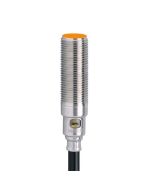
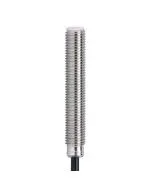
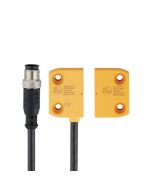
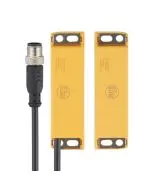
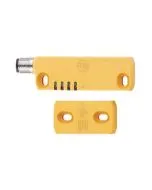
Magnetic Sensors, or magnetic detectors, play a crucial role in today's industries. Their applications range from automotive and electronic equipment to factory automation systems. By reading this article, you will gain an understanding of how they work, their functions, as well as the benefits and real-world applications. Additionally, there are recommendations about SCMA’s sensor services and products that are ready to be your technical partners in developing your industry.
What is a Magnetic Sensor?

A Magnetic Sensor, or magnetic detector, is an apparatus that detects changes in a magnetic field and converts them into precise electrical signals for further use. These sensors belong to the group of magnetic detectors with high durability and can operate effectively even in harsh environments. With their flexible properties, they are widely used in automotive manufacturing, production processes, and electronic devices.
How do Magnetic Sensors Work?
The principle of operation for magnetic sensors involves converting magnetic fields into voltage or current data without physical contact. This allows Magnetic Sensors to function in environments filled with dust, dirt, or chemicals. Generally, magnetic sensors use technologies such as Hall Effect Sensor or Fluxgate Sensor for accurate detection and measurement. The advantage is that it reduces wear between components and extends the lifespan of equipment, which is why magnetic detectors are widely popular in industries.
Magnetic Sensor Detection Functions
Magnetic sensors have a wide range of operational functions, including position detection, movement detection, and electrical current measurement, making Magnetic Sensors suitable for use in both industrial and electronic equipment applications. Hall Effect Sensors are often used in electrical systems and vehicles, while Fluxgate Sensors are utilized in geomagnetic field measurements. The ability of magnetic detectors to integrate with other circuits is the reason why these devices have become popular in the era of Smart Factory and Industry 4.0.
Where are magnetic detection sensors suitable for use?

Magnetic detection sensors are designed to be highly versatile and flexible, capable of functioning in complex environments as well as high-precision applications. They can be used across various industries such as automotive, manufacturing, electronics, research, and exploration. Magnetic Sensors have become essential tools that enhance efficiency, safety, and reliability in all sectors.
Automotive Industry
In the automotive industry, magnetic sensors are used to monitor wheel speed, ABS braking systems, and steering position. The precise operation of Magnetic Sensors enhances driving safety and vehicle stability while supporting the development of modern driver assistance systems.
Manufacturing Industry
In manufacturing lines, magnetic sensors are installed in robots, packaging machines, and conveyor belts to control positioning, movement, and reduce errors during production. Magnetic Sensors also increase production efficiency, lower costs, and elevate competitiveness in the modern industrial market.
Electronic Devices
Magnetic detection sensors are used in electronic devices such as smartphones and digital compasses. Magnetic Sensors detect movement and direction accurately while magnetic detectors improve GPS navigation accuracy.
Metering and Testing
In metering and testing, magnetic sensors are used to non-invasively measure electrical current values as well as distance, inclination, or rotational speed of objects. Magnetic Sensors are applied in laboratories, research, and the electrical industry. This type of use not only increases accuracy but also reduces risks from direct contact with high-voltage equipment.
Exploration and Transportation
Magnetic detection sensors play a crucial role in exploration and transportation systems, working alongside GPS for precise navigation. Magnetic Sensors also enhance safety in transportation and support geological research by being used in vehicle movement control systems and logistics industries.
Benefits of Magnetic Sensors

Magnetic Sensors, or Sensors Magnetic, are technologies that enhance accuracy and reliability in industrial and electronic applications. They are designed to support complex environments while reducing maintenance costs and extending the lifespan of equipment. Therefore, magnetic detectors are an essential solution in the digital industry era.
- Long-lasting durability: With non-contact operation, Magnetic Sensors reduce wear and tear and increase the longevity of equipment.
- High accuracy: Magnetic Sensors detect even slight changes in magnetic fields, making them suitable for high-precision work.
- Tolerant to harsh environments: Magnetic detectors can withstand dust, moisture, chemicals, and high temperatures effectively.
- Energy-efficient: Low power consumption and compact size make them ideal for continuous operations and cost reduction.
- Flexible application: Easy to customize, suitable for various industries such as manufacturing and exploration.
Read more>>Magnetic Sensors (เซนเซอร์แม่เหล็ก) คืออะไร? ทำงานอย่างไร?
Applications of Magnetic Sensors in Industry
Magnetic sensors play a crucial role in many industries because they can meet requirements for control, safety, and accurate measurement. Magnetic sensors also support automation systems and Smart Factories, making magnetic detectors essential to the development of modern industry.
- Automotive Industry: Used in ABS braking systems to detect wheel speed and steering position, enhancing driving safety.
- Manufacturing Industry: Applied to control robots, packaging machines, and conveyor belts, reducing errors and increasing production continuity.
- Electronic Devices: Used in smartphones, digital compasses, and joysticks to measure precise movement and direction.
- Research and Testing: Used for non-contact current measurement as well as distance and tilt measurements in laboratories.
- Exploration and Renewable Energy: Applied to detect the Earth's magnetic field, geophysical exploration, and wind/biomass energy systems.
If you want to buy magnetic detection sensors, you can now purchase them from SCMA!
Choosing to buy magnetic detection sensors from a reliable distributor is extremely important because it relates to the quality, accuracy, and lifespan of the entire system. SCMA is a technical consultant and distributor for Magnetic Sensors from global brands, offering comprehensive services including consultation, design, installation, as well as fast and reliable after-sales service. If you are looking for magnetic sensors that meet your real-world needs, SCMA is the best solution for your business and industry.
Summary
Magnetic Sensors or Magnetic Detection Sensors are crucial technology that helps industrial systems and electronic devices work accurately, efficiently, and last long. From automotive applications to geophysical exploration, choosing high-quality equipment will enhance production lines, reduce costs, and increase competitiveness. Do not hesitate to contact SCMA for a free consultation and start your journey towards industrial success together.
Frequently Asked Questions
What is a Magnetic Sensor?
A magnetic sensor is an equipment that detects magnetic fields and can convert changes in the magnetic field into electrical signals. It is used across various industries such as automotive, manufacturing, and electronic devices. It is considered one of the magnetic detectors that help increase accuracy and safety.
What are Magnetic Sensors?
Magnetic sensors or Magnetic Sensors are another name for magnetic detection sensors, used to check positions, movements, or non-contact measurements of electrical current. The highlight is their durability against dirt and harsh environments, suitable for high-stability work.
What is the difference between Magnetic and Magnet?
Magnet refers to an object with magnetic field properties, while Magnetic is an adjective used to describe things related to magnetic properties such as Magnetic Sensors that function to detect and measure values from magnetic fields. Meanwhile, Magnet is the direct source of a magnetic field.
What is a Magnetic Proximity Sensor?
Magnetic Proximity Sensor is a type of magnetic detection sensor that uses magnetic fields to detect movement or the approach of an object without direct contact. It is popular in manufacturing industries, safety systems, and automatic control devices due to its accuracy and durability against environmental conditions.