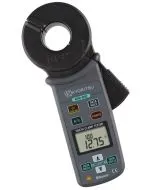
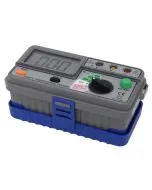
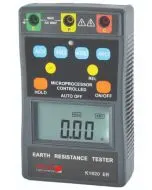
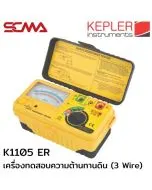
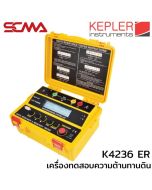
An Earth Tester is a device used to measure earth resistance, also known as a ground tester. It is an essential tool for engineers and electricians to check grounding systems for safety and continuous electrical operation. This article will help you understand what an Earth Tester is, its working principles, benefits, how to choose the right one, along with factors affecting earth resistance values, accompanied by advice from SCMA, the leader in measurement tools and automation systems with comprehensive services and consultations.
What is an Earth Tester (Earth Tester)?

Earth Tester or commonly known as a soil tester and ground resistance meter, is an instrument used to check the resistance value of the grounding system to ensure that the electrical system can handle short circuits and lightning strikes effectively. The principle involves sending an electric current into the earth and measuring the voltage to calculate the resistance. A low reading indicates safety while a high reading signals potential risk.
How does an Earth Tester work?
The operation of an Earth Tester, also known as a Ground Tester, relies on basic electrical principles by sending an electric current into the earth and measuring the voltage to calculate resistance. The main methods are:
- 3-Pole Method (Fall-of-Potential Method): This is the most commonly used standard method, involving the placement of a main electrode, voltage measuring electrode, and current measuring electrode to achieve high accuracy. Suitable for large-scale industrial inspections.
- 4-Pole Method: Increases accuracy by separating the electrodes used for voltage and current measurement, reducing the impact of wire resistance. Suitable for areas with high or uneven soil conditions.
- Clamp-On Method: Easy to use and quick, no need to insert electrodes; simply clamp onto the grounding wire for immediate measurement. Although not as accurate as other methods, it is suitable for preliminary inspections.
Why Use a Soil Resistance Tester?
A soil resistance tester is not only an electrical measuring tool but also a crucial aid in establishing safety standards for electrical systems. The main reasons are:
- User Safety: If the soil resistance value is too high, an electric current may not be able to flow into the ground during a short circuit, leading to electrical shock and risking life.
- Protect Electrical Equipment: Helps reduce overvoltage caused by lightning strikes or short circuits, extending the lifespan of machinery and electrical equipment.
- Compliance with Standards: Many organizations specify clear soil resistance values such as IEEE, NEC or Thai standards to ensure the safety of electrical systems.
- Reduce Industrial Risks: In high-energy factories, regular soil testing helps prevent both life and property losses.
What factors affect soil resistance?

Soil resistance measured by an Earth Tester is not solely dependent on the equipment but also influenced by surrounding environmental conditions and soil properties. These factors directly impact the safety and efficiency of grounding systems, thus understanding these various factors will help ensure accurate measurements with an Earth Tester that comply with standards.
Soil Type
Different types of soil have varying electrical conductivity. Clay and moist soils generally have lower resistance, allowing grounding systems to function well. Conversely, sandy or rocky soils with low density and poor moisture retention will yield higher resistance values. Therefore, selecting installation locations must consider the characteristics of the soil.
Soil Moisture
Moisture is a crucial factor affecting electrical conductivity in soil. High moisture content reduces resistance, leading to accurate Ground Test results and optimal performance of grounding systems. During dry seasons or areas with low moisture levels, soil resistance increases, necessitating frequent checks for the safety of electrical systems.
Soil Temperature
Temperature changes directly impact soil resistance. In extremely hot or cold conditions, electron movement decreases, resulting in higher measured values. Ground Resistance Testers should be used regularly in areas with significant temperature fluctuations to avoid risks associated with changing values.
Soil Density
Compacted soil facilitates easier electron movement, resulting in lower soil resistance compared to loose soil. Installing grounding wires in areas with appropriate density enhances system stability. In Ground Meter inspections, this factor is often used for analysis and planning improvements to the grounding system.
Surrounding Environment
Buildings, metal materials, or concrete structures around installation points can alter soil resistance. Proximity to water sources or wet areas typically lowers values, improving grounding system performance. However, in dry or obstructed areas, measured values from Soil Testers may increase, requiring appropriate system adjustments.
Read Article>>What is a Ground Tester (Soil Resistance Meter)?
How Many Types of Earth Testers Are There?
Earth Testers come in various types that have been developed to meet the needs of different testing requirements, including accuracy, convenience, and environmental conditions. Electrical engineers must choose appropriate tools to ensure reliable readings. Understanding the advantages and limitations of each type is crucial for practical use.
Fall-of-Potential Earth Testers
Fall-of-Potential is the most popular type due to its high accuracy in measuring earth resistance, using a three-point electrode setup. It is suitable for industrial applications requiring ground system checks according to standards and is often used with ground meters to confirm safety.
Clamp-On Earth Testers
Clamp-On Earth Tester is designed for quick earth resistance checks without the need to insert electrodes, making it ideal for hard-to-reach areas or space-limited sites. Although less accurate than standard methods, it serves as a ground meter that saves time during inspections.
Soil Resistivity Testers
Soil Resistivity Tester is used for direct measurement of soil resistance properties to provide data for designing and installing new grounding systems. It is suitable for civil engineering and energy industry applications, ensuring the installation of earth testers is accurate and sustainable in the long term.
What are the Benefits of an Earth Tester?

An Earth Tester, also known as a Ground Resistance Meter and Soil Tester, plays a crucial role in ensuring safety in electrical systems both in industrial settings and general installations. Using this equipment helps ensure that the grounding system is functioning efficiently and meets international safety standards.
- Prevent Electric Shock and Electrocution: A properly tested Ground Tester ensures that stray currents can flow to the ground immediately, reducing risks to users and maintenance personnel.
- Prevent Damage to Electrical Equipment: Using a Ground Meter helps reduce overvoltage from short circuits or lightning strikes, extending the lifespan of machinery and critical electrical equipment.
- Affirm Compliance with Safety Standards: Many organizations set appropriate ground resistance values. Testing with an Earth Tester ensures compliance with IEEE, NEC, and Thai standards.
- Boost Confidence in Industrial Work: Engineers and operators can be confident that large electrical systems are being maintained and tested with reliable equipment.
What Should You Consider When Choosing an Earth Tester?
Selecting an appropriate Earth Tester or Ground Resistance Meter is a crucial factor in ensuring accurate and cost-effective testing. Each model has different features, so it's important to choose based on actual usage standards and environmental conditions of the installation site.
- Features and Accuracy: Choose a Ground Tester with a wide measurement range, high resolution, and complete functions to ensure reliable readings.
- Durability in Environmental Conditions: The equipment should be suitable for field use, resistant to dust, water, and impact, making it ideal for demanding testing tasks.
- User-Friendliness: Opt for a Ground Test device that is lightweight, compact, has a clear display, and can record data for reference.
- Standards and Certifications: Earth Testers certified to standards such as ISO, NIST increase confidence and reliability in use.
- After-Sales Service and Warranty: Calibration, maintenance, and technical support from suppliers like SCMA help users feel confident about long-term performance.
If you want to buy an Earth Tester, SCMA is now available for purchase!
SCMA, experts in Earth Testers and ground measuring devices, are ready to provide comprehensive services from consultation and demonstrations to the sale of products from leading global brands. We have a professional engineering team that understands every industrial need regarding safety, accuracy, and cost-effectiveness. If you're looking for an earth resistance tester that meets your needs, SCMA is a trusted partner you can rely on.
Summary
An Earth Tester, or ground measuring device, is an essential tool for checking the safety of electrical systems. It helps prevent electric leakage and short circuits, reducing risks to equipment and life. Choosing a suitable and standardized earth resistance tester will maximize the efficiency of your grounding system performance. If you're looking for reliable equipment, SCMA offers comprehensive services from consultation and sales to technical support to enhance the safety and standards of your industrial work.
Frequently Asked Questions
How to use an Earth Tester?
Using an Earth Tester begins with connecting electrodes to the ground in appropriate positions to deliver current and measure voltage. The device then automatically calculates soil resistance, which can be checked using both standard (Fall-of-Potential) and Clamp-On methods depending on site conditions.
Why is it necessary to measure grounding?
Measuring grounding with a ground resistance tester is essential to ensure that the grounding system can safely prevent electrical leakage and short circuits. If the resistance is too high, it may not allow current to flow into the ground immediately, affecting both equipment and user safety.
What is the standard value for grounding?
The generally accepted standard for grounding should not exceed 5 ohms for general electrical systems. However, some industries or high-risk systems may require stricter standards. Checking with a ground meter helps ensure that the grounding system complies with international standards such as IEEE and NEC.
How do I test grounding?
Ground testing can be done in several ways, such as the three-point (Fall-of-Potential) method, four-point method, or Clamp-On method. Choose the appropriate one based on site conditions and required accuracy. Using a high-quality Ground Tester will help ensure reliable test results and improve the grounding system effectively.
What should be the suitable lightning protection ground value?
For lightning protection systems, appropriate soil resistance should not exceed 10 ohms to allow lightning currents to flow into the ground quickly and safely. Testing with a soil tester is crucial in reducing overvoltage risks and protecting both buildings and electrical equipment.