
When it comes to modern production control systems, "Load Cell" is one of the core components that industries cannot do without. It is a tool used for accurately measuring force or weight by converting mechanical force into an electrical signal for automatic system processing. Currently,SCMA is dedicated to offering high-quality Sensor Load Cells, along with comprehensive system design, installation, and calibration services for the Thai industrial sector. This article will delve into everything from how they work, types, to suitable usage guidelines.
What are Load Cells?

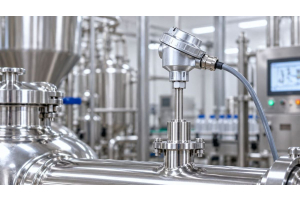
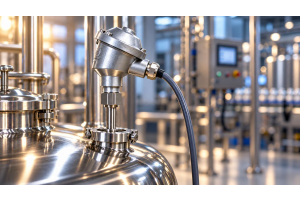
Load Cells are electronic devices that convert mechanical forces such as tension, compression, or pressure into electrical signals for display in readable formats like weight, force units, or various pressures. Load cells are applied in industrial scales, material control systems, and diverse manufacturing lines. The structure of Load Cell Sensors primarily uses Strain Gauge technology, which is highly accurate and durable, suitable for long-term use in varied environments.
How do Load Cells Work?
The principle of operation of a Load Cell involves measuring the force applied to the sensor and converting it into an electrical signal that can be further processed. Inside a Load Cell Sensor, there is a Strain Gauge component which responds to material deformation under force, causing changes in circuit resistance. The system then reads the altered voltage and displays the weight or force as set in the Sensor Weight Measurement system. This makes them ideal for use in automated systems requiring precision and speed, such as packaging machines, digital scales, and automatic production control systems.
What are the Types of Load Cells?
Load cells come in various types designed to measure force in different ways, including compression, tension, and combination forces. The choice of load cell type should be appropriate for the specific application requirements to ensure accuracy and safety during use. The main types commonly used in industry are as follows:
Hydraulic Load Cells
This type of load cell uses a fluid to transmit force, where an increase in pressure within the fluid occurs when force is applied. The system then converts this pressure into an electrical signal. A key advantage of hydraulic load cells is that they do not require power supply, making them suitable for remote locations and areas requiring high safety levels such as explosive environments or places with extreme temperature fluctuations.
Pneumatic Load Cells
These load cells use air pressure to transmit force, offering a high level of safety and no electrical components, making them ideal for food, pharmaceutical industries, or areas requiring exceptional cleanliness. Although they have limitations in terms of response speed, their non-contamination properties make them popular in specific industrial applications.
Strain Gauge Load Cells
This is the most widely used type due to its high accuracy and ability to be designed for both tension and compression forces. Strain gauge load cells use strain gauges installed internally to convert stress into an electrical signal, commonly used in industrial weighing applications, force measurement in automated systems, as well as general digital scales.
Piezoresistive Load Cells
This type of load cell uses piezoresistive materials to convert force into an electrical signal. They can produce relatively high output signals and are highly sensitive to applied forces, though they have limitations in linearity. However, they are still suitable for applications requiring speed and ease of installation, such as real-time force monitoring in production lines.
Inductive and Reluctance Load Cells
These load cells use magnetic induction principles where the applied force changes the inductance value of a coil or air gap within the cell. Their key advantage is durability, making them suitable for high vibration environments or areas requiring signal stability.
Magnetostrictive Load Cells
These load cells use magnetic material properties to respond to force, where the applied force changes the ability to conduct a magnetic field. This allows for accurate measurement of high forces in applications such as metal rolling mills or heavy industries requiring continuous high-force measurements.
Usage of Load Cells in Industries
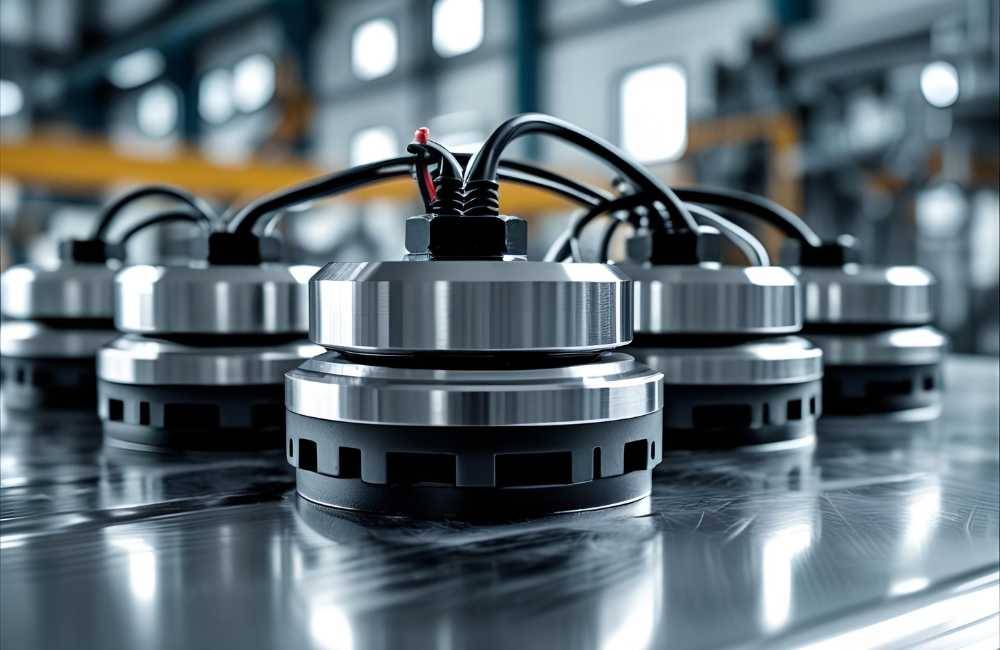
Load cells are used in various types of industries due to their precise measurement capabilities for force and weight, making them the heart of production control systems and quality inspection processes in different lines such as:
- Automatic weighing systems in industrial plants
- Force measurement in packaging machines and packers
- Material quantity control in mixing tanks or silos
- Level control systems in water or liquid tanks
- Compression and tension testing machines in labs or QC departments
Selecting the Right Load Cell for Your Application
Selecting a load cell involves considering several factors to ensure accurate and safe results. The main considerations include:
- Force direction: Tension, Compression, or both
- Desired force range (Range): Choose a range that covers your needs without exceeding the capacity
- Accuracy: Check Linearity and Hysteresis values
- Application environment: Tank mounting, hanging, or on a platform
- Environmental conditions: Humidity, dust, temperature, or fire sensitivity
- Load Cell material: Steel, Stainless Steel, or Aluminum
How to Maintain Load Cells for Extended Usage?
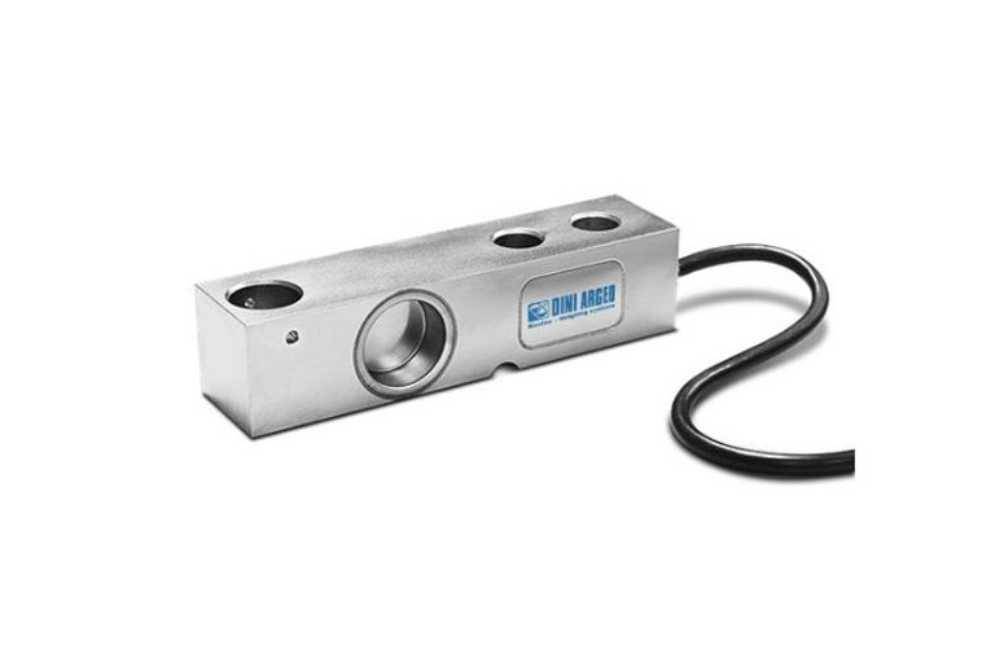
Proper maintenance of load cell sensors can extend their lifespan and maintain accuracy over the long term. The guidelines to follow include:
- Regularly inspect the external condition of the load cells
- Avoid overloading (Overload)
- Prevent moisture if the material is not water-resistant or rust-proof
- Do not modify the equipment yourself; have a professional handle it
- Regularly calibrate with an accredited laboratory
If you are interested in Load Cells, you can purchase from SCMA today!
SCMA is a specialist in load cell sensors and automatic control systems thatprovides comprehensive servicesto customers, from consultation and system design to installation and training by experienced engineers. We also distribute load cells from globally renowned brands that have been rigorously selected. Customers can trust in quality and after-sales service with our accredited calibration center supporting both lab-based and on-site work nationwide.
Summary
Load cells are crucial devices that enable industrial systems to accurately measure and control force. SCMA is ready to be your technical partner in selecting and installing load cells correctly. If you aim to elevate production to full automation, SCMA is a reliable choice.
Frequently Asked Questions
What is the function of a load cell?
Load cells convert mechanical force into an electrical signal for measurement purposes, such as weight or pressure in automatic control systems. The measured values are then displayed on a screen or sent to the control system for processing, suitable for use across various industries.
How does a digital weighing scale work?
A digital weighing scale operates by using a Load Cell Sensor to receive force from an object and convert that force into an electrical signal. The signal is then sent to the processing circuit within the device, accurately displaying the weight reading on the screen.
How many types of load cells are there?
Generally, load cells can be categorized based on their usage or mode of operation.
- Hydraulic Load Cell
- Pneumatic Load Cell
- Strain Gauge Load Cell
- Piezoresistive Load Cell
- Inductive / Reluctance Load Cell
- Magnetostrictive Load Cell
What is a load cell junction box?
A load cell junction box (Junction Box) is an equipment used to connect multiple load cells together, combining their signals into a uniform format before sending them to the processing system. It is commonly used in systems with multiple load cell installations, such as platform scales or mixing tanks.