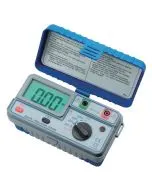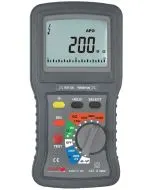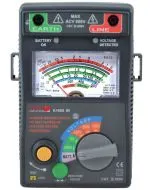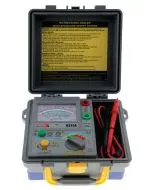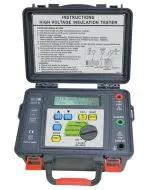

An Insulation Tester or "Insulation Resistance Meter" is a crucial tool that helps detect these issues before they escalate into serious damage. In this article by SCMA, we will explain what an Insulation Tester is, its working principle, advantages, and why you should have an insulation resistance meter for every industry, along with recommendations on how to choose the right one from SCMA, experts in industrial tools!
What is an Insulation Tester (Insulation Resistance Meter)?

An Insulation Tester is an insulation resistance meter or megohmmeter used to check the insulation resistance values in electrical equipment. The Insulation Tester measures the level of insulation to prevent electrical leakage and short circuits in factories and general electrical systems. The core principle of an Insulation Tester lies in measuring the ohmic value of electrical insulation at a mega-ohm level, which is the heart of industrial safety standards. If you want to increase reliability and extend the lifespan of your machinery, an insulation resistance meter is a vital tool.
The Working Principle of an Insulation Tester
The working principle of an Insulation Tester involves releasing high-voltage DC current through the equipment being tested. Then, the insulation tester measures the leakage current and calculates it as a resistance value in mega-ohms. Checking with an Insulation Tester helps you immediately know whether your electrical insulation is safe or at risk of leakage or shock. This principle has gained popularity in industries requiring high accuracy, and these insulation resistance meters are the standard for modern electrical maintenance work.
What Can an Insulation Tester Be Used For?
An insulation tester, also known as a Megohmmeter or Insulation Resistance Tester, is a crucial tool with diverse applications in safety, maintenance, and electrical system diagnosis. It can be used for various purposes as follows:
- Checking the insulation of wires, cables, and equipment within an electrical system to prevent leakage, short circuits, and blown fuses that may result from deteriorated insulation.
- Maintaining motors, transformers, and other industrial electrical equipment by measuring insulation resistance to assess wear and tear and prevent damage before it occurs.
- Inspecting household appliances such as air conditioners, refrigerators, and washing machines for user safety.
- Evaluating the quality of production line power cables and systems prior to delivering equipment or machinery to customers.
- Testing insulation in automotive service centers and maintenance work to assess electrical system conditions and prevent potential damage.
These ohmmeters are therefore essential for controlling the quality and safety of electrical systems across all dimensions.
Why is insulation testing important?
Insulation testing with an insulation tester is essential for maintenance and electrical system inspection work, as deteriorated insulation increases the risk of short circuits, leakage currents, and electric shocks. Regular inspection and maintenance using an Insulation Tester help reduce losses and increase safety for equipment and personnel in industrial plants.
Diagnostics
The Insulation Tester helps accurately diagnose issues by identifying where insulation values are abnormal, saving time and costs on long-term maintenance, which is a significant advantage in plant maintenance work.
Compliance with Standards
Using an Insulation Tester to check electrical insulation values also adheres to international standards such as IEC 60364, which stipulates that electrical installations must have sufficient insulation resistance for the highest safety of users and equipment in the system.
Increase Safety
An insulation tester reduces the risk of electric shock accidents and fires, especially in complex electrical systems like industrial plants or high-rise buildings. Regular checks help protect lives and property.
Predictive Maintenance
Using an Insulation Tester to regularly check insulation allows for accurate predictive maintenance planning, reducing risks of production downtime and extending the lifespan of electrical equipment.
Read article >> What is Insulation Test (Megohmmeter)?

What are the Techniques and Precautions for Using an Insulation Tester?
Using an Insulation Tester or Megohmmeter in insulation resistance measurement requires a proper understanding of techniques and should pay attention to various precautions to prevent accidents that may occur, as these tools use high voltage for testing.
Precautions
Before using the electrical insulation tester, it is necessary to prepare for maximum safety as follows:
- De-energize the circuit of the equipment and main power system to reduce the risk of damage and danger from higher-than-normal test voltages.
- Avoid touching electrical equipment during testing to prevent electric shock from leakage current or residual voltage.
- Avoid touching the measuring leads as it may cause harm from static electricity or residual voltage after testing.
- Select an appropriate test voltage, typically about twice the actual operating voltage. Do not use unnecessarily high voltages.
Techniques for Using an Insulation Tester
To achieve maximum efficiency in using an insulation tester, follow these guidelines:
- Select a suitable test voltage for each type of equipment based on the actual operating voltage.
- Discharge after testing. After every test, discharge any residual electricity to ensure user safety.
- Check the insulation resistance value. If there are unusual changes in the resistance value, it may indicate insulation degradation and should be checked and repaired immediately.
- Select a calibrated Insulation Tester for accurate and reliable test results.
Maintenance of the Insulation Tester
Proper maintenance of an insulation tester or Insulation Tester is a crucial factor that helps extend its lifespan and maintain measurement accuracy, keeping the Insulation Tester ready for use at all times and reducing the risk of errors that may affect insulation testing.
- Clean after each use to prevent dust and dirt accumulation which could impact the accuracy of the ohmmeter.
- Store in a dry place free from moisture and oil to prevent corrosion and potential damage.
- Check the condition of the battery contacts and batteries, replacing or servicing them according to specified intervals to keep the Insulation Tester operational at all times.
- Avoid placing near sources of vibration as this may cause internal component damage.
- Calibrate the measuring instrument according to recommended timeframes for measurement accuracy and reliability.

Why Use an Insulation Tester?
Testing with an insulation tester or insulation meter is a critical step in preventing electrical leakage, short circuits, and circuit breaker trips in equipment or electrical systems. Using an Insulation Tester allows you to see the condition of the insulation before any malfunction occurs, enabling timely repairs or replacements. Insulation Testers also help extend equipment lifespan and reduce unexpected repair costs, making megohmmeters a fundamental tool for maintaining electrical systems in both industrial settings and homes.
Selecting an Insulation Tester
Choosing the right Insulation Tester for your work and requirements is a crucial factor that affects the quality and safety of its use. Consider the following points:
- Select the type and test voltage suitable for the equipment, whether it's low or high voltage applications such as transformers or motors.
- Select an Insulation Tester that has been calibrated and certified to ensure accuracy and reliability.
- Choose a display system that suits your needs, such as Analog or Digital Insulation Tester based on user preference.
- Select a trusted brand with after-sales service, like SCMA which offers a team of engineers for consultation and comprehensive after-sales services.
- Compare additional features such as automatic discharge systems or other safety-enhancing functions that make usage safer.
You can now purchase an Insulation Tester from SCMA!
Maintaining electrical systems to be safe and operational at all times requires standard-compliant tools like Insulation Testers or insulation resistance testers, which help check insulation values and prevent damage from electrical leakage or short circuits in factories and buildings. SCMA offers high-quality Insulation Testers of various models with a professional team providing consultation and after-sales services. Choose Megohmmeters or ohmmeters from SCMA to elevate the safety standards of your electrical systems in any situation.
Summary
An Insulation Tester is a tool that enhances the safety of electrical systems through precise insulation resistance measurement and accurate problem analysis. Using an insulation tester and megohmmeter is a worthwhile investment for preventing damage and risks in electrical systems. SCMA provides professional consultation and services related to Insulation Testers and insulation resistance meters, helping your industry move forward confidently and safely every day.
Frequently Asked Questions
What is the purpose of an Insulation Test?
An Insulation Test aims to evaluate the quality and condition of electrical insulation, reducing risks of electrical leakage and accidents in factories or buildings Target Keyword Ideas: "Insulation Test"
How do you use an Insulation tester (Megohmmeter)?
To use an Insulation tester or Megohmmeter, de-energize the circuit, select an appropriate test voltage, and carefully read the insulation resistance value on the meter Secondary Keyword: "Megohmmeter"
What is the function of an Insulation Tester?
An Insulation Tester measures the insulation resistance of electrical equipment to prevent electrical leakage, short circuits, and extend machine lifespan Secondary Keyword: "Insulation Resistance Meter"
What should be the standard insulation value for a motor?
A good motor insulation value should have an insulation resistance of no less than 1 Megohm according to international standards, reducing risks of electrical leakage and short circuits Target Keyword Ideas: "Insulation Resistance Tester"