
An electric current transducer, or current transducer, is one of the essential devices in every modern industry and serves as a bridge connecting the real world to modern technology. This article by SCMA will answer all questions about transducers from their definition, working principles, functions, to how to select them for use. It also delves into SCMA's services that provide consultation and supply high-quality transducers suitable for every industry. You will gain insights and methods on selecting the most appropriate transducer for your work.
What is a Transducer?

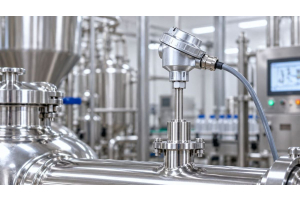
A transducer, or current transducer, is an electronic device with the important function of converting energy from one form to another, such as mechanical energy, temperature, or even pressure into measurable electrical signals. These transducers are crucial components in automation and industrial measurement systems, like using a current transducer for monitoring control systems, conducting Transducer Test for accuracy checks, or selecting sensors and measuring tools that truly meet the demands of Industry 4.0.
How Does a Transducer Work?
The working principle of a transducer involves receiving energy in one form, such as voltage or temperature, then converting it into an appropriate electrical signal for measurement purposes. For example, when using a current transducer on a production line, the device receives the voltage from the electric current and converts it into an output signal according to standards to be sent to control systems. Transducer Test uses this principle to test the efficiency of measuring tools in industries, and transducers can also be programmed for various types of measurements as required by each industry.
What is the role of a Transducer?
A transducer, also known as a transmitter, primarily converts physical values into usable electrical signals in automatic and industrial systems. Its functions include:
- Detecting and converting energy: Receives physical force or various parameters such as temperature, pressure, or voltage, then converts them into electrical signals for processing.
- Providing standard signals: Converts detected signal values into standardized formats like 4-20mA to be used with control devices and measuring instruments in factories.
- Increasing measurement accuracy: Helps reduce errors caused by external interference and increases the accuracy of measured data.
- Supporting data analysis: Enables real-world data to be converted into digital form, ready for analysis, processing, or controlling various equipment in industrial systems.
- An essential part of automation systems: It is a crucial component in Automation, Sensor, and Transducer systems that are required in every measurement and control process.
How many types of transducers are there?
In the industrial sector, transducers or transducers come in various types, each suited for different measurement tasks based on their usage. For example, current transducers, voltage transducers, or digital and analog signal transducers. Choosing the right type is crucial for efficiency in work.
1. Analog Current Transducer
Analog Current Transducer converts analog electrical currents into standard signals that can be used in control systems or automation systems. It is suitable for tasks requiring continuity and accuracy, such as industrial process control systems.
2. Digital Current Transducer
Digital Current Transducer is designed to convert electrical current signals into digital formats, making it easy to connect with digital control devices and perform immediate data processing. This type of transducer is ideal for modern industries and automated systems that emphasize fast communication.
3. AC Current Transducer
The AC Current Transducer is specifically designed for measuring alternating current (AC) electricity. It is suitable for measurement and control tasks in AC-powered systems, such as electric motors, transformers, and industrial power supply systems where transducer testing ensures safety and stability.
4. DC Current Transducer
The DC Current Transducer converts direct current (DC) electricity into standard signals or required signals. It is suitable for tasks requiring precision, such as battery charging systems, solar energy systems, and machinery control that primarily uses DC currents.

Efficiency of Transducers
The efficiency of transducers or current measuring transducers is a critical factor determining the accuracy and reliability of measurements in industries. The efficiency of transducers is defined by the ratio of power output signals to input power, with no device achieving 100% efficiency due to various energy losses such as heat. High efficiency reduces errors, increases reliability, and supports continuous use in transducer testing or automated systems.
Applications of Transducer
Transducers, or transducers, are used in various industries to enhance efficiency and accuracy in production process control. Examples of their applications include:
- Mechanical load measurement in engines: Used to detect force or load applied to the engine for analysis and improvement.
- Muscle movement measurement: Such as in medical devices that use muscle acceleration sensors.
- Use in ultrasound equipment: To create images or analyze changes within internal organs.
- Sound signal conversion in speakers: Converts electrical signals into sound for audio and multimedia work.
- Detection of electromagnetic waves in antennas: Converts electromagnetic waves into electrical signals for communication purposes.
What is the Difference Between Transducer and Transmitter?
Although transducers and transmitters are often used together in measurement and control systems, they have distinct primary functions. A transducer converts one form of energy to another, while a transmitter receives signals from a transducer or sensor and converts them into standard signals for onward transmission to the control system.
Transducer
A transducer is an apparatus that converts energy in one form, such as heat, pressure, or force, into electrical signals suitable for measurement in automatic control systems and industrial work. It often serves as a critical starting point of the system, including Transducer Test or overall current measurement systems.
Transmitter
A transmitter is an apparatus that converts signals from sensors or transducers into standard formats (such as 4-20mA, 0-10V) to make them suitable for transmitting data to automatic control systems or PLCs. Transmitters ensure the reliability of physical measurement signals and enable efficient use with industrial equipment.
Read article >> What is a Transmitter? What does it do? What are its benefits?
What Should Be Considered When Buying a Transducer?
Before deciding to buy a transducer or current measuring transducer, the following factors should be considered to ensure that you get an appropriate and highly efficient device for your work
- High Input Impedance: Choose a transducer with high input impedance to prevent signal loading effects.
- Sensitivity to Signals: It should have sensitivity to the signals needed to measure, while not being sensitive to unwanted interference signals.
- Durability in Environmental Conditions: Select transducers that can operate in corrosive or high-temperature environments.
- Overload Protection: The transducer circuit should have overload protection for long-term safe use.
- Warranty and After-Sales Service: Ensure the supplier offers reliable after-sales service and warranty, such as SCMA which has a team of professional engineers ready to support throughout the product's lifespan.

Buy Transducers from SCMA Today!
The transducer is the heart of an automatic control system, and purchasing from experts like SCMA ensures quality and reliability. SCMA provides sales services for transducers, current measuring transducers, high-quality vision sensors, and transducers suitable for all types of industrial work, along with professional consultation, testing, and installation by a team with over 40 years of experience. Choosing SCMA is an investment in the stability and future of your factory or organization.
Summary
A transducer or current measuring transducer is an essential component in automatic systems and modern industrial work because it converts physical values into convenient electrical signals for measurement and control. Selecting high-quality transducers and current measuring transducers will enhance the reliability and efficiency of production processes. If you need confidence in transducer testing or a complete sensor & transducer system installation, SCMA's services are the right solution for every industry.
Frequently Asked Questions
What is a Transmitter?
A transmitter is an apparatus that receives signals from Sensors or Transducers and converts them into standard signals such as 4-20mA or 0-10V for data transmission to control systems.
What is an Electrical Transducer?
An electrical transducer is a type of Transducer used to convert electrical energy or electrical quantities into readable signals in automatic or industrial systems.
What are the Functions of a Transducer?
The primary function of a Transducer is to convert physical values into electrical signals for easier processing and control within an industrial system.
What is a Pressure Transducer?
A pressure transducer is an apparatus used to convert received pressure from systems or production processes into electrical signals for use or measurement.
How do Transducers differ from Sensors?
A Transducer is an apparatus that converts energy from one form to another, whereas a Sensor is an apparatus that detects physical values and passes them on to the Transducer or control system.
What are the Characteristics of Sensors and Transducers?
Sensors and Transducers have primary characteristics such as detecting and converting various signals in industrial systems to enhance accuracy and efficiency in production processes.