Many may encounter issues such as overflowing water levels or pump damage due to improper operation, which can be resolved by choosing a high-performance float switch. This article from SCMA will address the basics of how float switches work, various types, installation methods, and professional selection and maintenance tips, along with recommending services from SCMA, the center for high-quality electric float switches that truly meet every factory and business need.
What is a Float Switch?
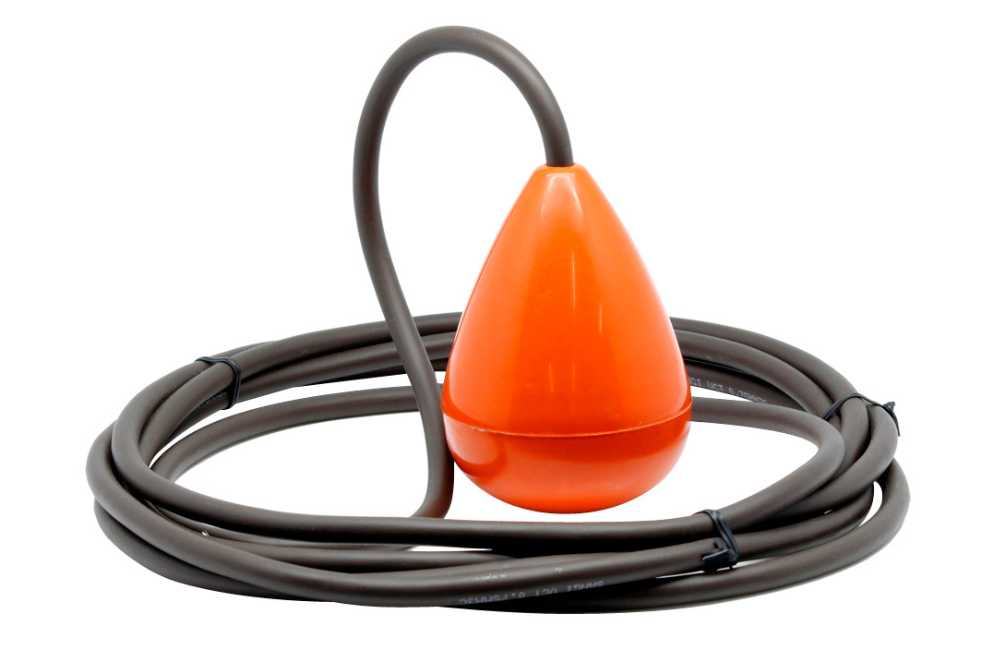
A float switch, or Float Switch, is a sensor device used to detect and control liquid levels in tanks or ponds, whether it's clean water, wastewater, or chemicals. With the circuit design of a float switch that responds accurately to changes in water level, there are various types of float switches for use in industries, food factories, air conditioning systems, as well as wastewater treatment systems. They work together with relays or PLCs to control pumps, float valves, or send warning signals, ensuring safe and automatic liquid control.
How Does a Float Switch Work?
The working principle of a float switch relies on the movement of a float up or down according to the liquid level. Inside the float is either a mercury switch or a magnetic switch that works with a reed switch. When the liquid level reaches the set value, the float will trigger the reed switch, causing the circuit state of the float switch to change from open to closed or vice versa, resulting in automatic operation of connected pumps, valves, or other devices. This principle is crucial for electric float switches in all types of industrial applications.
How to Wire a Float Switch
The installation and wiring of "water level control float switch" is a crucial point that users must consider in order for the system to function correctly and safely. Proper wiring ensures that the float switch circuit connects with electrical equipment and controls on/off operations as required, whether it's Normally Open (NO) or Normally Closed (NC).
Normally Open Float Switch (NO)
A normally open water level control float switch is a circuit where the switch remains open when in the low position and closes the circuit when the liquid level rises to the set value. This type of switch is suitable for controlling water pump drainage or sending an alert when water levels are high.
Normally Closed Float Switch (NC)
A normally closed water level control float switch is a circuit that remains closed in the low position and opens the circuit when liquid rises. It's ideal for controlling water supply pumps or stopping systems when water reaches desired levels to prevent overflow.
External Weighting of Float Switch
One of the highlights of a float switch is its ability to be installed with external weights, allowing precise control over the water level at which operations are initiated or halted. Cable-type "Float Switch" uses adjustable weight attachments that move the float to a 45-degree angle before activation, ensuring the float switch operates only when reaching the desired level and reducing splash issues. This type of operation helps prevent malfunctioning and increases the reliability of the water level control system.

Floater Switch Materials
The materials of a "liquid level control float switch" are crucial to its performance and longevity. They should be selected based on the type of liquid, environmental conditions, and temperature. Commonly used materials include plastic and stainless steel, which offer both durability and budget-friendly options.
Float Switch Standards (Standards for Float Switches)
A float switch should meet certain standards such as ATEX for hazardous areas and CE according to IEC60730-1:2015 for safety and reliability. Standardized electrical float switches reduce the risk of electric shock and prevent accidents in factories.
Plastic Float Switch (Plastic Float Switch)
A plastic float switch, such as those made from PVC or PP, is suitable for general use with clean water, wastewater, or mild chemicals. This material is lightweight, easy to install, cost-effective, but not ideal for high-temperature environments or highly corrosive conditions.
Stainless Steel Float Switch (Stainless Steel Float Switch)
A liquid level control float switch made from stainless steel is robust and durable, making it suitable for industries requiring cleanliness and sterility, such as:
- Tolerant to high temperatures and harsh chemicals
- Rust-resistant and easy to clean
- Perfect for food, beverage, pharmaceuticals, and hot water systems
- Long-lasting despite higher initial investment compared to plastic switches, offering good value over time
Read article >> Level Measurement & Control (Level Measurement & Control)
Types of Float Switches
Float switches come in various types to suit different system requirements, categorized by their structure and installation method. There are rod-mounted, cable-hung, horizontal, or vertical models, each with its own advantages such as accuracy in measurement or ease of installation in tight spaces.
Rod-Mounted Float Switches
The "Water Level Control Float Switch" mounted on a rod operates based on the float moving up and down along the rod (vertically or horizontally). It is suitable for applications requiring precise water level control, with multiple switch points within the same tank.
Cable-Hung Float Switches
The "Float Switch" type that hangs from a cable offers high flexibility, easy installation, and works well with large tanks or ponds. It is ideal for wastewater treatment or situations where frequent adjustment of switch positions is necessary.
Read article >> Level Sensors in Flow Control Systems
What Causes Float Switches to Fail?
Although float switches and float switches are designed for durable use, they may still suffer damage if improperly used or maintained. Common issues with water level control switch circuits include:
- Incorrect Installation: Electrically mounted float switches installed in the wrong position or too close to tank walls can cause the float to jam or send incorrect signals.
- Inappropriate Material Selection: Using floats made of materials that are not resistant to chemicals, temperature, or specific liquids may lead to equipment deterioration.
- Lack of Maintenance: Not regularly inspecting and cleaning Float Switches can result in scale buildup or dirt accumulation.
- Incorrect Type Usage: Choosing a switch type that does not match the requirement, such as using an NO (Normally Open) switch where an NC (Normally Closed) is needed.
- Excessive Electrical Current: Failing to check electrical ratings may cause equipment damage or hazards.
General Applications of Float Switches
Float switches and Float Switch are the heart of water level control in various systems, both industrial and residential. Common examples of their applications include:
- Wastewater treatment systems: Control pump intake and discharge in sewage ponds to prevent overflow or depletion.
- Water tanks: Activate pumps when water levels drop or shut off pumps once the tank is full.
- Cooling systems: Used in refrigerators, air conditioners to control condensate water level.
- Beverage/food industry: Add and drain water from mixing tanks to maintain production quality.
- Industrial washing machines: Monitor and control water levels in the wash tub.
- Fire suppression systems: Check water levels in fire reserve tanks.
If you want to purchase a float switch, SCMA is now available!
Selecting high-quality and suitable float switches for your system not only extends equipment lifespan but also effectively reduces production line downtime. SCMA offers various types of Float Switch products and solutions, from faucet floats, float valves to electric float switches for industries. Our team of experts provides consultation on switch circuit design, material selection, installation, and comprehensive after-sales service.
Summary
A float switch is a crucial device for controlling water and liquid levels in both industrial and residential systems. With precise operation and versatile usage options, including plastic and stainless steel Float Switch models as well as cable-hung and rod-mounted types, proper selection and professional installation will ensure your system's safety and maximum efficiency. If you are looking for quality products and reliable after-sales service, SCMA is ready to be your partner in float switches and level control equipment.
Frequently Asked Questions
What is an Electric Float Switch?
An electric float switch, or Float Switch, is a sensor device designed to control and detect the level of water or liquid in tanks. It works on the principle of buoyancy and switching circuit status, making it suitable for industrial and automated systems requiring high precision.
What is the function of a float?
The primary role of a float switch is to detect the water level in tanks or containers. When the water level changes, the float sends signals to activate the float switch circuit, controlling pumps, valves, or sending alerts into control systems.
How does a float switch work?
An electric float switch controls water levels by moving up and down with liquid level changes using gravity and magnets inside the float to trigger switches. This causes the float switch circuit to change status, automatically turning connected devices on or off.
What components make up a float switch circuit?
In general, an electric float switch circuit consists of important parts such as:
- The Float: The part that touches liquids and moves up and down with water levels
- A Reed Switch or Microswitch: An internal electrical mechanism that changes status according to the position of the float
- Wires and Connectors: For connecting the electrical circuit to other devices
- Ballast/Weight: To adjust the operating level of the float
How many types of floats are there?
The float switches used in water level control systems come in various types, such as rod-mounted, cable-suspended, horizontal, and vertical. Each type is suitable for different applications and tank characteristics, allowing users to choose the appropriate Float Switch for their own system.