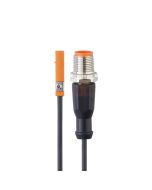

Air Cylinder Sensor and Piston Sensors are crucial components of an automatic control system that enhance accuracy and efficiency in modern factories. If you're seeking answers about their operation, types, and how to choose the right Sensor for Cylinder, this article will address all your questions. It provides guidance on proper selection and maintenance practices so you can apply these insights to improve production processes effectively. Additionally, it introduces SCMA's comprehensive services to ensure true confidence in pneumatic cylinder sensor solutions.
What is an Air Cylinder Sensor (Cylinder Sensor)?

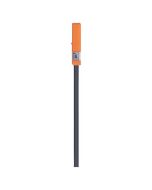
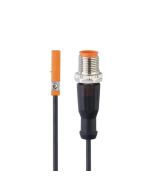
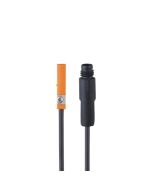
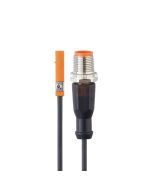
An Air Cylinder Sensor, or Sensor for Cylinder, is a device that detects the position of the piston inside pneumatic cylinders. It primarily functions to send linear positional signals to automatic control systems in industrial settings. These cylinder sensors work with permanent magnet detection technology installed within the piston; when the Cylinder Sensor identifies a predetermined position, the system can accurately control the machine's operational steps, thereby enhancing production efficiency and safety in automated factories.
What role do Air Cylinder Sensors play in industry?
The primary function of an Air Cylinder Sensor (Cylinder Sensor) in industrial applications is to provide feedback on the piston position within pneumatic cylinders. This enables control systems to accurately command or halt the operation of automatic machinery, preventing accidents and increasing safety while ensuring continuous machine operation without errors. As such, air cylinder sensors have become essential components in automation systems for Industry 4.0.
Why Use Sensors for Air Cylinders?
The use of sensors for air cylinders (Sensor for Cylinder) is essential because it helps improve the accuracy, safety, and production efficiency of pneumatic machinery control systems. This is particularly important in industries that require precise detection of piston positions to prevent long-term errors or machine damage.
Accurate Position Control
Cylinder Sensor and air cylinder sensors help machines accurately control the position of pistons within cylinders, reducing production process errors, and directly impacting product quality. The Sensor for Cylinder also ensures that manufacturing processes adhere to industry standards.
Increase Safety
Installing air cylinder sensors in automatic systems helps prevent accidents caused by piston position discrepancies. With a Sensor for Cylinder, abnormal conditions can be detected and machine operation stopped immediately, ensuring safety for both operators and machinery.
Feedback
In control systems, air cylinder sensors provide positional data back to the system (feedback) so that automatic processes run smoothly without interruption. The Sensor for Cylinder is thus a crucial component of modern high-precision control systems.
Increased Efficiency
Cylinder Sensors can enhance machine performance by reducing downtime and maintenance costs. Additionally, air cylinder sensors have long lifespans and support diverse industrial applications.
Integration with Automation Systems
Air cylinder sensors are designed to work seamlessly with all types of control automation systems, whether in production lines, industrial robots, or various automation setups. The Sensor for Cylinder ensures smooth operation and real-time command execution.

How to Install Air Cylinder Sensors
Proper installation of air cylinder sensors is essential for accurate and safe operation in automated systems. It's important to consider the type of cylinder and select appropriate equipment based on the nature of the work. For REF model, here are the installation steps:
- Profile Cylinder (ISO 15552): Features grooves for direct sensor placement; use screws to secure it firmly along the groove, allowing for adjustable positioning.
- Round Cylinder (ISO 6432): Uses a circular band around the cylinder's circumference. Once installed, the sensor can be slid along the length of the cylinder as needed.
- Magnet Alignment Check: For accurate Sensor for Cylinder operation, it must be aligned with the piston position inside.
- Cable Management System Check: Reed Sensors typically use two wires, while Solid-State Sensors require three (the third being a load wire). Proper wiring is essential to prevent damage.
- Post-Installation Testing: Turn on the system and check signals or status lights to confirm correct installation of Cylinder Sensor.
How to Choose Air Cylinder Sensors? What Should You Consider?
Selecting air cylinder sensors should take into account suitability for environmental conditions and actual usage, ensuring you get the most suitable Sensor for Cylinder. Key selection criteria include:
- Sensor Type: Reed Switches are ideal for general use, while Solid-State Sensors (Hall Effect, AMR, GMR) suit high-impact/vibration applications.
- Environmental Conditions: Ensure the Sensor for Cylinder is resistant to dust, moisture, oil, or high temperatures as needed (e.g., IP67).
- Output Type: Choose PNP/NPN output based on control system requirements.
- Response Speed: Solid-State Sensors respond faster and are suitable for applications requiring low response time.
- Cable Management: Ensure proper wiring matches the equipment and usage (2-wire or 3-wire).
- Installation Ease: Select sensors that fit cylinder types (Profile or Round).
- Circuit Protection: Check for circuit protection against short circuits.
- Pricing Value: A good Cylinder Sensor should offer long-term value in terms of performance and maintenance costs.

Want to buy air cylinder sensors? You can now purchase from SCMA!
Air cylinder sensors are crucial components for controlling modern factory pneumatic systems. Choosing high-quality and internationally certified Sensor for Cylinder will enhance production efficiency and safety. SCMA offers a variety of models with a team of engineers providing consultation, design, installation, and comprehensive after-sales service to meet all needs in the air cylinder sensor industry. Air cylinder sensors from SCMA are trusted by leading factories nationwide. Choose products and services from SCMA for sustainable success.
Summary
Air cylinder sensors (Cylinder Sensor) are essential components that ensure high accuracy and safety in pneumatic systems and automated machinery in factories. Selecting the right air cylinder sensor improves efficiency, reduces errors, and prevents accidents on production lines. SCMA is a reliable partner providing comprehensive air cylinder sensor services for long-term business success. Interested in SCMA's services? Contact us here to request consultation and trial use!
Frequently Asked Questions
What is a pneumatic cylinder sensor?
A pneumatic cylinder sensor is an apparatus that detects the position of the piston in a pneumatic cylinder to control movement and increase accuracy for automatic machinery. These cylinder sensors are crucial for operations in industrial sectors.
What is a Reed Switch Pneumatic Cylinder Sensor?
The Reed Switch or Cylinder Sensor is one type of pneumatic cylinder sensor that uses permanent magnet technology to detect the position of the piston in pneumatic cylinders, commonly used in automatic systems due to easy installation and precise signal transmission.
What is the function of a pneumatic cylinder?
A pneumatic cylinder converts air pressure into mechanical force for machinery. The movement of the piston is controlled by pneumatic cylinder sensors to ensure accurate and safe operation.
What is the function of directional control valves in pneumatics?
In pneumatic systems, directional control valves change the direction of airflow to control the movement of pistons, cylinders, and pneumatic cylinder sensors work together accurately in this system.
Why must cylinder control be indirect?
Indirect cylinder control allows for the use of Cylinder Sensors to detect and signal positions to the main control system, ensuring safe operation and precise command execution.
How does a piston rod move inward?
The pneumatic cylinder's piston rod moves with air pressure controlled by valves and Cylinder Sensors that detect position to ensure correct movement.
What is a hydraulic cylinder?
A hydraulic cylinder is an apparatus that converts the energy of hydraulic fluid into mechanical force, similar to pneumatic cylinders. Sensor for Cylinder can also be applied to control positions in industries requiring high precision.