Have you ever wondered how electrical meters are essential for electrical and industrial work? Why do engineers, technicians, and even electrical students need to have electrical measuring tools, and how should they choose the right ones for their tasks? This article SCMA will help clarify what electrical meters are, how many types there are, and the principles of selecting them. It also provides tips on choosing to make your decision easier.
What Are Electrical Measuring Tools?

Electrical measuring tools are devices used to measure electrical quantities such as voltage, current, and resistance to ensure the accuracy and safety of an electrical system. Generally, basic meters like multimeters are commonly used in home work, maintenance tasks, and industrial settings. More complex measuring tools, such as oscilloscopes, help analyze signal waveforms in detail.
How many types of electrical measuring tools are there?
Electrical measurement tools can be divided into several types based on their functions, such as voltage measurement, current measurement, or resistance measurement. Choosing the appropriate type of electrical measuring tool directly affects the accuracy and safety of work. Each type of tool has different characteristics and is suitable for specific tasks.
1. Ammeter (Amp Meter)
An ammeter is a device for measuring electrical current designed to measure the flow of current in a circuit. The unit of measurement is amperes (A). It is used to check the load on circuits and ensure the safe operation of electrical equipment. Currently, there are both analog and digital types that provide accurate measurements and ease of use for users.
2. Voltmeter
Voltmeter is an electrical measuring tool used to check the voltage between two points in a circuit. The unit of measurement is volts (V). This tool is suitable for checking electrical systems and testing equipment to ensure that the voltage level is safe. Using high-quality voltmeters can significantly increase accuracy in work.
3. Oscilloscope
An oscilloscope is a type of electrical measuring tool used to display electrical signals as graphs on a screen, allowing users to analyze frequency, waveform, and signal anomalies in detail. It is suitable for research, electronics work, and telecommunications tasks that require signal quality checks.
4. Ohmmeter
An ohmmeter is a basic electrical measuring instrument used to check the resistance values in an electrical circuit. The unit of measurement is Ohm (Ω). It is widely used for inspecting wires, resistors, and electronic devices to confirm their integrity and locate any breaks or damages. Using a highly accurate ohmmeter helps prevent potential electrical problems.
5. Clamp Meter
Clamp meter is an electrical measuring tool that can measure current without interrupting the circuit. It works on the principle of detecting the magnetic field generated by the flow of current in a conductor, making it convenient and safe for users. Suitable for electrical system inspections in industrial plants and maintenance work.
6. Multimeter
Multimeter is considered a basic electrical measuring instrument that combines multiple measurement types in one device, such as voltage, current, and resistance. This tool is suitable for both beginners and experts in industrial work, used for maintenance, inspection, and testing of electrical circuits with a single unit.
7. Phase Sequence Tester
A phase sequence tester is an electrical measuring instrument used to check the wiring sequence of three-phase power supply to prevent motors and industrial machinery from rotating in the wrong direction. This tool enhances safety and extends equipment lifespan, making it ideal for high-voltage installation and maintenance work.
8. Megohmmeter
A megohmmeter or insulation tester is an electrical measuring tool used to check the insulation resistance of electrical equipment, measured in MegaOhm (MΩ). This instrument helps prevent current leakage and reduce the risk of electrical hazards, making it widely used for industrial electrical system inspections and maintenance work.
How to Choose Electrical Measuring Tools?
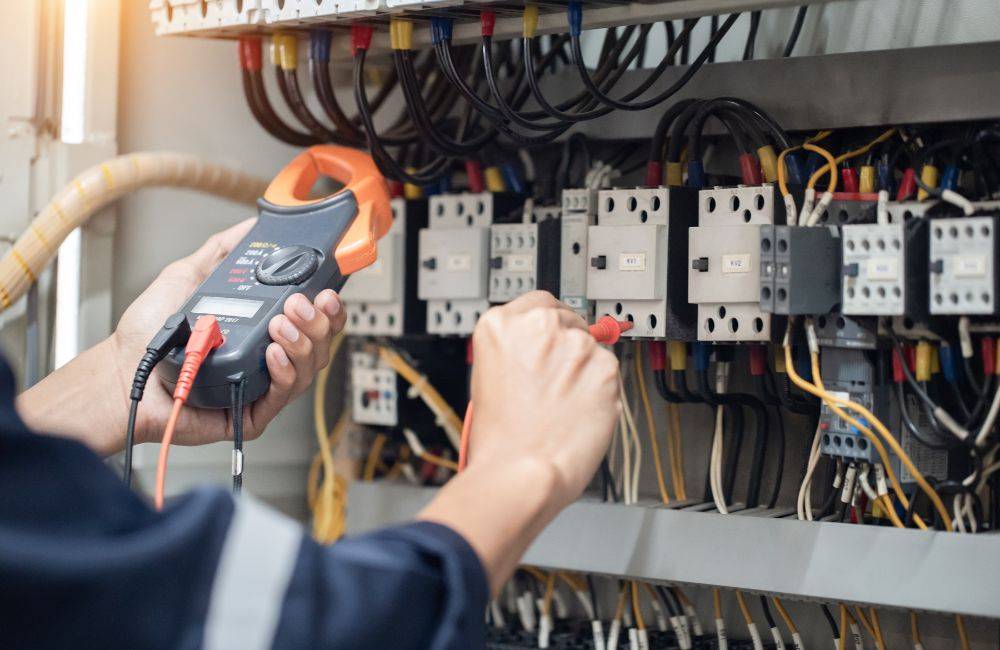
Choosing the right electrical meter requires considering its suitability for the job, including measurement range, accuracy, and safety standards. The correct measuring tool will help ensure efficient and safe inspection and maintenance of electrical systems.
- Measurement Range: Choose one that covers the values you need to measure
- Accuracy: An appropriate level is between ±0.5% and ±2.0%
- Type of Use: Choose contact or non-contact types, portable or fixed installation
- Data Recording: Currently, digital systems are popular for convenience
- Safety Standards: Must meet international standards such as EN61010 or JIS C 1010
Electrical Safety Standards for Measurement Tools
Choosing equipment that meets standards helps reduce the risk of overvoltage and increases user safety. All types of electrical measurement tools should comply with international standards such as EN61010 and JIS C 1010. Safety standards are divided into four levels (CAT II – CAT IV) based on voltage level, as follows
- CAT II: For equipment connected to outlets such as household appliances.
- CAT III: For electrical control panels, circuit breakers or main cables.
- CAT IV: For the primary power supply points of a system or building.
Guidelines for Using Electrical Measurement Tools

Before using various types of electrical measuring devices, users should read the manual, check that the equipment is in good condition, and select the appropriate type for the job. Proper use not only extends the life of the device but also increases user safety and prevents potential damage to the electrical system. Users should follow these guidelines:
- Study the manual and understand the functions of various buttons.
- Check the equipment and batteries before each use.
- Select the appropriate type of tool for the job and within an appropriate measurement range.
- Record and read measurement results accurately.
- Learn basic troubleshooting methods.
If you want to buy electrical measuring tools, SCMA is now available for purchase!
Choosing high-quality electrical measuring instruments not only enhances safety but also maximizes efficiency in work. SCMA offers various electrical measuring instruments from leading brands worldwide, along with comprehensive services ranging from consultation and system design to after-sales service, ensuring your industry can confidently meet international standards.
Summary
Electrical measuring tools are crucial for electrical and industrial work. Understanding the types, selection methods, and safety standards greatly enhances efficiency and reduces risks. If you're looking for high-quality electrical measuring instruments and comprehensive services, SCMA is ready to be your trusted technical partner.
Frequently Asked Questions
What are electrical measuring tools?
Electrical measuring tools come in various types, such as ammeters, voltmeters, multimeters, and ohmmeters. These devices accurately measure basic values in an electric circuit. The choice of which tool to use depends on the nature of the work for maximum safety and efficiency.
What is an electrical current measuring tool?
Electrical current measuring tools are devices used to check the flow of electric charge in a circuit, such as ammeters and clamp meters. They display current values in units of amperes. These tools help prevent overloading and accurately analyze electrical system performance.
What is an ammeter?
An ammeter is an electrical tool used to measure the current in a circuit. The readings indicate load levels and help detect abnormalities in electrical equipment. Ammeters are essential basic measuring tools for electricians and industrial work.
What are necessary electrical tools?
Essential electrical tools include multimeters for basic measurements, ammeters and voltmeters for current and voltage measurement, as well as megohmmeters to test insulation. These tools enhance the safety and accuracy of electrical inspection and maintenance work.
What is the direction of electric current?
The general definition states that electric current flows from the positive terminal to the negative terminal of a power source. However, electrons actually flow in the opposite direction, from the negative terminal to the positive terminal. Understanding this flow direction is crucial for circuit analysis and proper selection of electrical measuring tools.
What does an ohmmeter measure?
An ohmmeter is a basic electrical measuring tool used to check the resistance values of electrical equipment, such as resistors or wires. The unit is in ohms (Ω). Measuring with an ohmmeter helps detect broken wires, loose connections, and verify circuit integrity.