
Have you ever wondered what Conductivity or EC (Electrical Conductivity) is, and why it's so important in industry to measure this value? Electrical conductivity is one of the most critical water quality indicators, directly affecting production process efficiency, machine reliability, and even the final product quality. This article will guide you through every aspect of electrical conductivity, from basic definitions and benefits to selecting the right Conductivity Meter for your work, elevating your manufacturing processes to precise and reliable international standards. SCMA is ready to be your consulting partner.
What is Conductivity (Electrical Conductivity)?

Conductivity or Electrical Conductivity (EC) refers to the ability of a substance to conduct electric current. For liquids like water, this value indicates the amount of dissolved solids (Total Dissolved Solids - TDS), which dissociate into positive and negative ions. The more salt, minerals, or chemical substances are dissolved in water, the better it conducts electricity. Conversely, highly purified water almost does not conduct electricity at all. Therefore, conductivity is an excellent index for measuring water purity or contamination.
Units of Measurement for Conductivity (Electrical Conductivity)
The standard international unit (SI Unit) for measuring electrical conductivity is Siemens per meter (S/m). However, in practical use, especially when measuring water with relatively low conductivity values, we prefer to use smaller units for easier reading, such as microsiemens per centimeter (µS/cm) and millisiemens per centimeter (mS/cm), where 1 mS/cm = 1,000 µS/cm. Conductivity varies with temperature; therefore, accurate measurements usually reference or compensate for standard temperature of 25°C.
What are the Benefits of Conductivity?
Measuring and controlling conductivity is highly beneficial in various industries as it provides a quick and reliable method to assess the quality of water and solutions. Here are the main benefits you will receive:
- Check Water Purity: In industries that require high-purity water, such as pharmaceutical production, semiconductors, or laboratories, measuring electrical conductivity can confirm that the water is free from contaminating ions according to specified standards.
- Control Production Quality: It helps control the concentration of chemical solutions in manufacturing processes, such as metal plating or chemical mixing, ensuring consistency and meeting desired quality requirements.
- Prevent Equipment Damage: In boiler systems (Boiler) or cooling tower systems (Cooling Tower), high electrical conductivity values indicate mineral accumulation, which may cause scale formation and damage equipment. Monitoring this value helps extend the lifespan of equipment.
- Environmental Pollution Surveillance: Rapid changes in electrical conductivity levels in natural water sources may signal industrial or agricultural wastewater contamination.
Measuring Conductivity with a Conductivity Meter
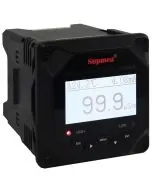
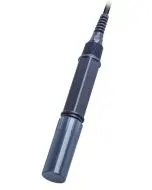
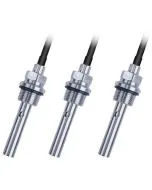
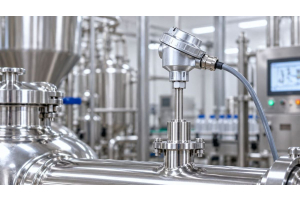
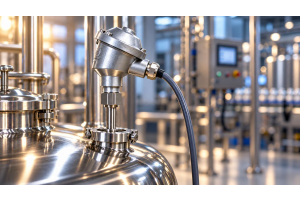
The measurement of electrical conductivity is performed using an instrument called a Conductivity Meter or EC Meter, which consists of a processing unit and a probe (Probe) equipped with electrodes for emitting a weak electric current through the solution. The meter then measures the electrical resistance and calculates it as electrical conductivity. Currently, there are various types of conductivity meters available to choose from, ranging from portable pen-style models suitable for field work to high-precision benchtop models for laboratory use or inline installation in pipes for continuous process control. Based on the experience of the SCMA engineering team, selecting the appropriate type of Conductivity Meter according to the application characteristics and required measurement range is crucial for obtaining accurate and reliable data.
Applications of Conductivity Meter in Industry and Environment

The Conductivity Meter is widely used to control quality and enhance efficiency in various fields. Important applications include:
- Horticulture Hydroponics: Used to measure the amount of dissolved fertilizer in water, ensuring that plants receive the optimal nutrient levels.
- Pure Water Production (RO/DI Water): A crucial tool for checking the effectiveness of water filtration systems, determining how thoroughly ions are removed from the water.
- Agriculture and Soil Science: Used to measure EC values in soil to assess mineral content and soil fertility.
- Water Treatment Systems and Cooling Towers: Used to monitor the accumulation of minerals in water to prevent scale formation and control blowdown efficiency in systems.
What Factors Affect Water Conductivity?
To achieve the highest accuracy in measuring conductivity, it is essential to understand various factors that influence measurement. Key factors emphasized by SCMA's engineering team include:
- Temperature: This is the most impactful factor; as water temperature increases, ions move faster, leading to higher conductivity values. Generally, conductivity increases by about 2-3% for every 1°C rise in temperature.
- Ionic Concentration: The amount of solids or chemicals dissolved in water determines the number of ions present; higher concentrations result in higher conductivity levels.
- Type of Ions: Different types of ions have varying abilities to conduct electricity, such as salt ions (Na+, Cl-) which conduct better than organic ion types.
The Importance of Conductivity (Conductivity Value)
In summary, Conductivity is not just a number but insightful data that indicates the "health" of water in your system. Consistently monitoring conductivity values acts like an early warning system, helping you quickly detect abnormalities such as contamination in production lines or degradation of wastewater treatment systems. Controlling this value within standard parameters helps reduce waste, minimize risks of machinery damage, and maintain product quality consistently, all of which directly impact costs and business reputation. For more information on how conductivity meters work, read our article What is a Conductivity Meter?
If you're looking for high-quality Conductivity, think SCMA!
Selecting the right and quality Conductivity Meters is a worthwhile investment for production process accuracy. At SCMA, we are not just equipment suppliers but "technical partners" ready to provide consultation. With our experienced engineering team, we curate Conductivity Meters from leading global brands that guarantee quality and durability, offering tailored solutions that truly meet your industry's specific needs. Our services help ensure the precision of your business.
Summary
Conductivity is a fundamental yet powerful parameter in controlling water and solution quality in industrial sectors. Understanding its meaning, units of measurement, benefits, and influencing factors will enable you to effectively use this data to improve production processes. Choosing the right Conductivity Meter and accurately measuring values not only helps maintain product quality but also prevents machinery damage and reduces long-term production costs. If you need precise and comprehensive solutions, SCMA's expert team is ready to advise and support you at every step.
Frequently Asked Questions
What does the Conductivity of RO water mean?
The conductivity of RO (Reverse Osmosis) water refers to the amount of ions remaining in the water after filtration. Generally, high-quality RO water should have very low conductivity values (approaching zero), indicating that the filtration system has effectively removed almost all minerals and contaminants.
What is the standard EC value for tap water?
The standard EC value for tap water varies by region and depends on the source of raw water and production process. Typically, it may range between 200 - 800 µS/cm, which is much higher than pure water due to added minerals and chlorine for consumption.
What are the units for Conductivity?
The commonly used practical unit for measuring Conductivity is microsiemens per centimeter (µS/cm) and millisiemens per centimeter (mS/cm). The standard international (SI) unit is siemens per meter (S/m).
What does a Conductivity Probe sensor do?
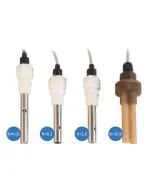
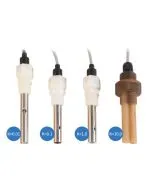
The conductivity probe sensor is an essential component of the measuring instrument, directly contacting the liquid. Inside the probe are electrodes that release electrical current into the water and measure resistance to enable the device to accurately calculate conductivity values. The quality of the probe directly affects the accuracy of the measurement.