Why is a Turbidity Meter important in the production process? What is a Turbidity Meter, and how does it work? This article will answer all questions about Turbidity Meters from the meaning of turbidity, turbidity sensors, units used for measurement, to factors affecting water quality so that you can choose the right turbidity meter for your specific application. This is part of SCMA's expert consultation service.
What is a Turbidity Meter?

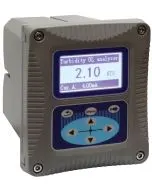
A turbidity meter is a light-based measuring instrument used to check the level of cloudiness or clarity of liquids, particularly water quality in industrial and environmental applications. This device works by measuring the amount of scattered light from suspended particles in water and displaying it as a numerical value in standard units, allowing for accurate assessment of liquid quality and contaminants.
What is Turbidity?
Turbidity refers to the cloudy condition of liquids caused by numerous small suspended particles such as sediment, soil, organic substances, or microorganisms that are not visible to the naked eye. These particles cause light scattering when a beam of light passes through them. Therefore, turbidity serves as an important initial indicator for water quality because it can indicate the presence of contaminants that may affect production processes or safety.
How Does a Turbidity Meter Work?
Based on SCMA's engineering team experience, the basic principle of how a turbidity meter works is by measuring light scattering when a light source such as an LED emits a beam through a liquid sample. Suspended particles in the liquid cause the light to refract and scatter. Then, turbidity sensors installed at various angles (typically 90 degrees) detect the amount of scattered light and convert it into standard units of turbidity. The more scattered light there is, the higher the turbidity value will be.
What are the units for measuring water turbidity?
To ensure standardized measurement of turbidity worldwide, various units have been established. Each unit is suitable for different applications and standards in various regions.
Nephelometric Turbidity Units (NTU)
NTU is a globally recognized unit that is widely used. NTU measurements are taken using an instrument called a Nephelometer, which measures the amount of light scattered at 90 degrees from the incident beam. The higher the NTU value, the more turbid the water.
Formazin Nephelometric Units (FNU)
FNU is a unit commonly used in European standards. It follows similar measurement principles to NTU by measuring light scattered at 90 degrees; however, it differs in the specifications of the light source used. Generally, for low turbidity values, FNU and NTU can be interchangeable.
Jackson Turbidity Units (JTU)
JTU is an older unit that is not commonly used today. It uses a device called a Jackson Candle Turbidimeter to measure turbidity visually by comparing the sample's clarity with candlelight, which is less accurate than other methods.
Relationship Between Measurement Units
In general, if Formazin standard solution is used for calibration of measuring instruments, it is considered that 1 NTU equals 1 FNU. Therefore, in practice, these two units are often interchangeable in most applications.
What types of turbidity meters are there?
The choice of a turbidity meter depends primarily on the nature of its use, whether for field testing requiring portability or laboratory analysis requiring high accuracy.
Pocket Turbidity Meters
This is a compact instrument designed specifically for field use. It is suitable for engineers who need to check water quality at various locations such as wastewater treatment systems or natural water sources. The advantage lies in the convenience and speed of on-site measurement.
Tabletop Turbidity Meters
This is a larger instrument that requires installation in a laboratory setting, offering higher accuracy and stability compared to portable models. It is suitable for quality control (QC) work requiring reliable analysis results to confirm production standards.
Understand!! Water Quality Levels Based on Turbidity

The measured turbidity values can be used to assess initial water quality according to various standards, ensuring that the water is suitable for different uses ranging from natural water to drinking water and industrial water.
Natural Water
- Clear Water: Turbidity not exceeding 25 NTU
- Moderately Cloudy Water: Turbidity between 25 – 100 NTU
- Very Cloudy Water: Turbidity over 100 NTU
Drinking Water Standards
The majority of drinking water standards specify a turbidity level not exceeding 1 NTU, and in some areas up to 5 NTU may be acceptable. If the turbidity is higher than this, the water will not be suitable for consumption and must undergo treatment.
Standards for Agricultural and Industrial Water
In certain industrial sectors such as pharmaceutical production or electronic components manufacturing, extremely clear water with a turbidity close to 0 NTU is required to prevent contamination in products. Using appropriate water quality measuring instruments is crucial.
How to Measure Water Turbidity Using a Turbidity Meter
A tip from the field is that before each measurement, the glass vial (Cuvette) for holding samples should be cleaned thoroughly to remove fingerprints and dirt as these can affect light scattering and cause inaccurate readings. Then, place the water sample in the cuvette and insert it into the meter to read the value. Turbidimeters are highly accurate and popular in laboratories and industries.
Why is measuring turbidity important?
Based on the experience of the SCMA engineering team, measuring turbidity is one of the most critical basic parameters for water quality control because it provides a quick and effective way to assess abnormalities in the process.
1. Quality of Drinking Water
Turbidity in drinking water may be a source of pathogens or microorganisms that cause disease, so controlling turbidity is the first line of defense in ensuring that drinking water is safe for consumption.
2. Environmental Protection
Measuring turbidity in natural water sources such as rivers or lakes helps to assess the impact of human activities like wastewater discharge from factories or communities and serves as data for maintaining ecological balance.
3. Industrial Production
In many industries, such as food and beverage manufacturing or pharmaceutical production, low-turbidity water is a crucial factor in determining the quality of final products. Consistently controlling turbidity helps prevent damage and maintain production standards.
What Factors Affect Water Turbidity?

Water turbidity can be caused by various factors, both natural and human activities, which directly impact water quality.
1. Natural Factors
Generally, it often occurs due to seasonal soil erosion, causing sediment and sand to mix into the water source. Additionally, this includes various organic substances such as decaying leaves or the growth of algae and plankton in the water.
- Sediment and Erosion: Heavy rain or wind can carry soil particles into rivers or lakes.
- Organic Matter: The decomposition of plants and animal remains in the water increases suspended particulates.
- Algae: Excessive growth of algae (Algal Bloom) makes the water murky and changes its color.
2. Factors Caused by Human Activities
Variety of human activities are significant causes for rapidly increasing water turbidity, whether it's industrial wastewater discharge or agricultural runoff.
- Industrial Wastewater: Factories may release contaminated wastewater with suspended solids or chemicals into the water source.
- Agricultural Runoff: Fertilizers and pesticides used in agriculture can be washed into rivers and streams.
- Construction: Construction activities in various areas cause dust and soil to disperse, which are carried into water sources during rainfalls.
How to Reduce Water Turbidity? What Should You Do?
When water exceeds the standard turbidity level, it is necessary to have a treatment process to reduce suspended particle content. There are several methods commonly used in public water supply systems and industrial plants.
Flocculation
This is a process that uses chemicals such as alum or polymers to make small suspended particles aggregate into larger clumps (flocculation) which then settle at the bottom of the tank due to gravity, making the upper part of the water clearer.
Filtering
After flocculation, the water is sent through a filtration system, which may be sand filters or fine membrane filters, to trap remaining small particles, thus increasing water clarity. This method is highly effective.
Using Disinfectants
In some cases, turbidity may result from microorganisms; using disinfectants such as chlorine or ultraviolet (UV) light can eliminate these organisms and reduce turbidity caused by living things.
Selecting a Turbidity Meter
When selecting Turbidity Meters, it is important to start with understanding your usage requirements and the level of accuracy needed for your process. If you need quick results in field applications, portable meters may be an appropriate choice; however, if you are conducting laboratory analysis for quality control, high-precision benchtop meters should be selected instead. Additionally, consider the measuring range (Measuring Range) and after-sales service such as calibration, which are crucial factors in maintaining long-term optimal performance of your equipment.
If You Are Looking for "High-Quality Turbidity Meters," Think SCMA!
A slight measurement error can have significant impacts on production quality and costs. Choosing a reliable and high-quality turbidity meter (Turbidity Meters) is therefore a worthwhile investment. At SCMA, we do not just sell products but provide solutions selected from leading global brands, along with consulting services by expert engineers to ensure that the equipment you choose meets your needs and effectively solves on-site problems.
Summary
Turbidity meters are crucial tools for monitoring and controlling water quality across various industries. Understanding the working principles, units of measurement, and related factors will help you select and maintain these instruments effectively. If you need additional guidance on purchasing turbidity meters or other types of water quality measuring equipment, SCMA's team of experts is ready to serve as your technical partners.
Frequently Asked Questions
What is a Turbidity Meter?
A turbidity meter is an instrument used to measure the clarity or cloudiness of liquids by assessing the amount of light scattered from suspended particles in a sample, thereby evaluating the quality of the liquid.
What does NTU stand for?
NTU stands for Nephelometric Turbidity Units, which is an international standard unit of measurement that assesses light scattering at 90 degrees to the beam path through water samples.
What are turbidity sensors?
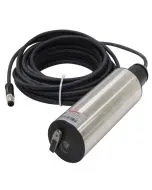
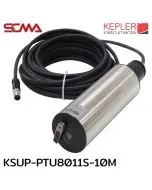
Turbidity sensor or turbidity sensor is a detection device that measures the amount of light scattered by particles in liquids and converts this signal into an electrical value for transmission to a display unit, which is the core component of all types of turbidity meters.