Vibration Sensor, or vibration detection sensor, is a crucial device that helps detect and analyze the vibrations of machinery in modern industries. It aids in preventing damage and reducing maintenance costs. The company SCMA, an expert in industrial equipment, provides comprehensive information about vibration detection sensors to help you choose the right one for your needs.
What is a Vibration Sensor?
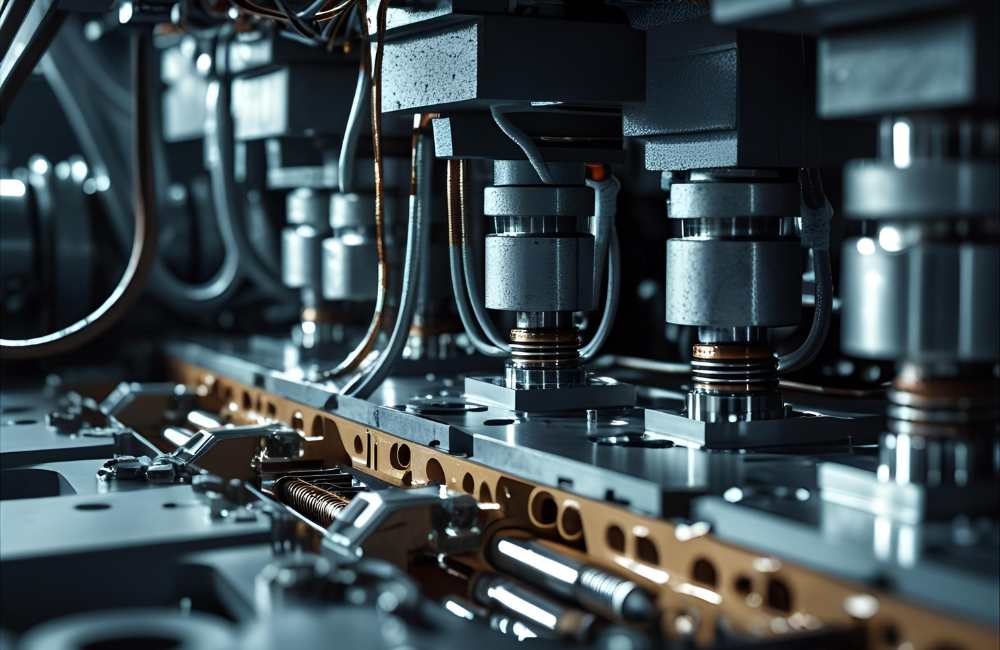
A Vibration Sensor is an electronic device designed to detect and measure the vibrations of machinery or structures by converting mechanical movement into analyzable electrical signals. The sensor measures vibration in terms of velocity (Velocity), acceleration (Acceleration), displacement (Displacement), or frequency (Frequency). Each measurement provides different information for machine condition diagnosis, acting like a doctor monitoring the health of machines 24/7 to detect abnormalities early before they become major issues and cause severe damage.
How does a Vibration Sensor Work?
The working principle of a Vibration Sensor involves converting mechanical energy from vibrations into electrical signals. The sensor detects the movement of machinery and sends signals to a processing unit for analysis and display as various values on a screen. Modern systems can continuously record vibration data, allowing for trend analysis and accurate prediction of potential future issues, helping in efficient maintenance planning.
Why Should You Care About Vibration Sensors?
Vibration Sensors play a crucial role in preventing machine damage and reducing unexpected downtime (Downtime) by serving as an early warning system that helps detect abnormalities from the outset, such as bearing wear, loss of balance, or loose parts before they become severe damage. Proper installation and use provide accurate data for analysis, enabling efficient maintenance planning, reducing repair costs, and maintaining production efficiency continuously.
What Are the Benefits of Vibration Sensors?
Vibration Sensors can measure machine vibrations to prove mechanical wear at various points, such as bearings, preparing for maintenance planning. This helps increase production efficiency and reduce risks from severe damage.
- Enhance Production Stability and Continuity - Vibration sensors help detect abnormalities in real-time, allowing issues to be addressed before machines suddenly stop working. This maintains a steady production rate, reduces revenue losses from downtime, and helps meet delivery deadlines.
- Save Costs and Extend Machine Lifespan - Early detection of small issues can reduce major repair costs that may be high, extend the lifespan of critical parts, minimize unnecessary spare part stockpiling, and help accurately budget for maintenance.
- Support Smart Factory Systems and Industry 4.0 - Data from vibration sensors can be connected to IoT and AI systems to create intelligent Predictive Maintenance, analyze degradation trends, predict remaining useful life, and automatically alert when maintenance is due.
Examples of Vibration Sensor Usage in Various Industries
Vibration sensors are widely used across various industries, each with unique requirements and usage patterns based on the characteristics of machinery and production processes.
Vibration Sensor Usage in Consumer Goods Industry
In the consumer goods industry, industrial sensors are installed on automatic packaging machines and production lines to ensure smooth operation. They help detect loose parts or abnormal vibrations that may cause packaging errors, reducing waste and increasing production efficiency, especially in high-speed production lines requiring precise packaging accuracy.
Vibration Sensor Usage in Food and Beverage Industry
The food and beverage industry uses sensors to monitor the operation of conveyor belt motors, water pumps, and mixers to prevent sudden production stops that could damage raw materials. Early detection of worn bearings or imbalance helps maintain product quality and prevents contamination from broken parts.
Vibration Sensor Usage in Automotive Industry
In the automotive industry, sensors are used with metal forming pumps, CNC machines, and welding robots to maintain production accuracy. Excessive vibration can affect part surface quality and dimensional precision, necessitating continuous monitoring to uphold automotive industry quality standards.
Vibration Sensor Usage in Electronics Industry
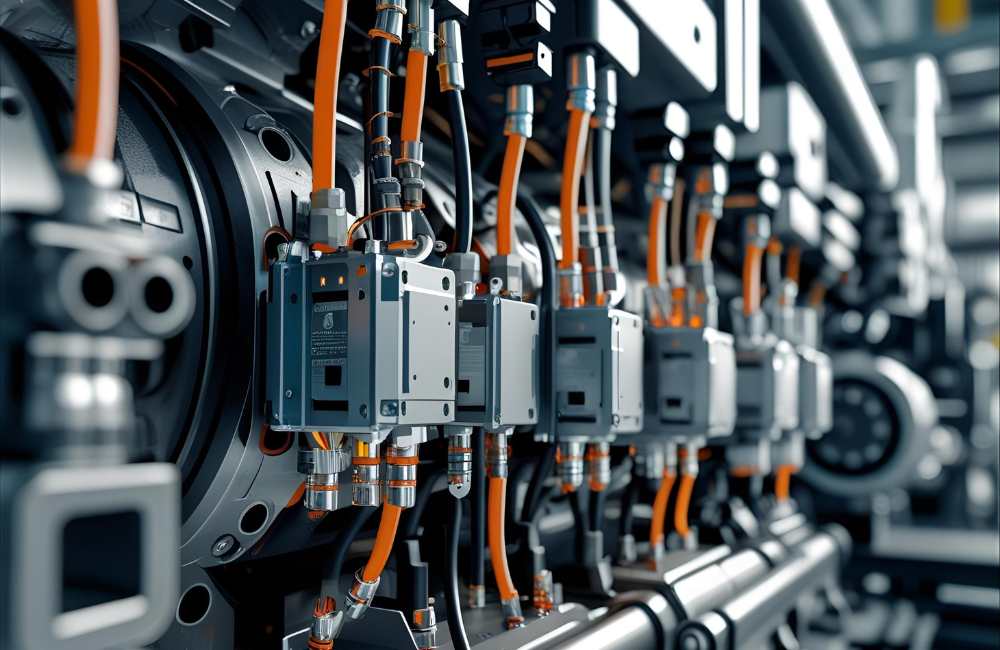
The electronics industry requires the highest precision. Vibration sensors are used in PCB manufacturing machines, SMT equipment, and semiconductor production lines. Even slight vibrations can misplace micron-sized components, necessitating strict vibration control to reduce waste and increase output.
Vibration Sensor Usage in Transportation and Logistics Systems
In transportation and logistics systems, sensors are used to check conveyor belts, cargo lifts, and automated sorting systems. They help prevent disruptions that could cause delays. Additionally, they track the condition of goods during transport, especially fragile or high-value items, to ensure they haven't been subjected to excessive impact.
Vibration Sensor Usage in Energy Industry
The energy industry uses sensors with wind turbines, hydro turbines, and large generators to monitor efficiency and safety. Especially for wind turbines installed in remote or offshore locations, early problem detection helps reduce maintenance travel costs and increase power generation time, maintaining the stability of the energy system.
Installation Guide for Vibration Sensor
Proper installation of the vibration sensor is crucial to measurement accuracy. It should be avoided on motor fan covers (Fan Cover) as these are weak areas that do not effectively transmit vibrations, except in cases where the cover has been specifically designed for sensor support. Additionally, avoid installing it at mechanical joints such as bearing plates or various connections because these joints cause high-frequency signal attenuation, leading to incomplete data and potentially incorrect problem diagnosis.
Interested in Vibration Sensors? Purchase from SCMA Today!
SCMA , the leader in industrial equipment, is now offering high-quality vibration sensors across various models to meet all usage needs, from general-purpose sensors to highly accurate ones for critical applications. Every item meets international standards and comes with quality certificates. We have a team of experts ready to advise on selecting the right sensor for your specific job requirements and budget, along with easy-to-understand Thai installation and user manuals. Fast nationwide delivery services are available, backed by product warranties and excellent after-sales service. Contact SCMA today for more information and to place an order.
Summary
Vibration sensors are essential predictive maintenance tools that help detect problems early, reduce repair costs, prevent sudden machine downtime, and extend equipment lifespan. Choosing the right sensor and installing it correctly will provide accurate data for analysis. SCMA is ready to be your partner in enhancing production efficiency with high-quality vibration services, from consultation to sales and after-sales service. Contact us today to start smart machinery maintenance.
Frequently Asked Questions
What is a Vibration Sensor?
Vibration Sensor is a sensor used to detect and measure the vibration of objects or machinery, converting mechanical movement into an electrical signal. It can measure frequency, acceleration, velocity, and displacement of vibrations. Used for machine condition monitoring, problem analysis, and predictive maintenance planning in various industries.
How many types of Vibration Sensors are there?
Vibration sensors can be categorized into three main types based on their operating principles: Accelerometer for measuring vibration acceleration, suitable for high frequencies; Velocity Sensor for measuring vibration velocity, suitable for medium frequencies; and Proximity Probe for measuring displacement movement, suitable for low frequencies. Additionally, they are classified by technology as Piezoelectric, MEMS, and Capacitive, each with its own advantages and disadvantages.
How to use a Vibration Sensor?
Using a vibration sensor starts with installing the sensor at the measurement point on the machine, connecting the signal line to a display device or data collection system, and setting up measurement parameters as needed. When the machine is running, the sensor continuously sends vibration signals. Users can view real-time values or analyze trends from recorded data to assess machine condition and plan maintenance.
What causes Vibration?
Vibration or shaking in machinery is caused by various factors such as imbalance of rotating parts (Unbalance), misalignment, bearing damage, gear wear, belt looseness or excessive tension, loose nuts, and resonance from natural frequency. Analyzing vibration characteristics helps identify causes and provide precise solutions.