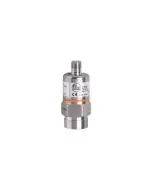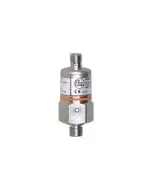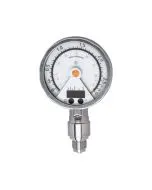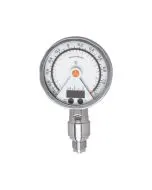
Vacuum Generator is a crucial device that helps solve the problem of workpieces falling off in automated production lines. Many factories face issues with insufficient suction force and thus look for vacuum generators or vacuum generators to replace their existing models. SCMA has stock available at SCMA. They offer premium grade ejector type vacuum generators with an online engineering support team for quick delivery, allowing you to install and use them immediately on your machinery.
What is a Vacuum Generator or Vacuum Generator?
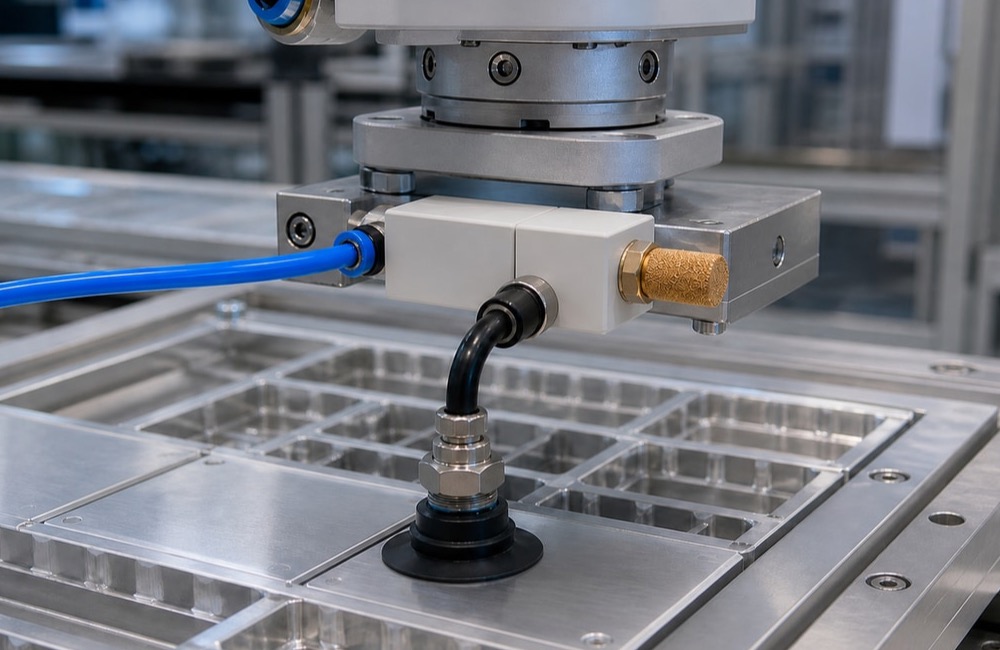
A Vacuum Generator (Thai engineers often refer to it as a vacuum generator) converts compressed air energy into vacuum suction force. This equipment is widely used in automation systems worldwide, primarily working with Suction Pads (suction cups) to pick up, move, or arrange workpieces on production lines. The advantages of vacuum generators include compact size and easy installation at the end of robotic arms (End of Arm Tooling). This equipment enables quick response times and efficient system operation.
The Principle of Operation: Venturi Effect
The working principle of a Vacuum Generator relies on the physics concept known as the Venturi Effect. Inside the vacuum generator, there are no moving parts. When compressed air is supplied to the device, it is forced through a narrow passage (Nozzle), causing an immediate increase in air velocity and a drop in atmospheric pressure, creating a vacuum state. External air is then drawn into the suction port (Vacuum Port) to generate suction force for use with workpiece holding devices.
Get to know the ejector type vacuum generator
The industrial sector commonly uses ejector type vacuum generators, which are designed with a simple and durable structure, capable of enduring dusty environments. The Ejector can be divided into two operational types for engineers to choose based on their needs.
Single-stage Ejector for high-speed applications
This model has only one nozzle hidden inside. Its standout feature is the ability to create suction immediately upon compressed air input, making it suitable for picking up small electronic components or smooth-surfaced parts. Engineers prefer this type in systems requiring short cycle times.
Multi-stage Ejector for porous workpieces
This system is designed with multiple nozzles stacked together. The vacuum generator can produce a very high suction flow rate, making it ideal for use on porous or uneven-surfaced parts such as corrugated cardboard boxes. Its massive suction power compensates for air leakage through the workpiece's pores perfectly.
Classic problems causing vacuum system failures in factories
Maintenance experience shows that production line downtime caused by Vacuum Generators is often due to basic on-site factors, primarily substandard compressed air quality. If compressed air contains water or oil, contaminants will immediately clog the ejector type vacuum generator. The suction efficiency of the vacuum generator will drop, causing parts to fall during movement. A common oversight is a clogged silencer, indicated by compressed air sounds becoming muffled and reduced suction power. Regularly replacing the Silencer is the easiest and most cost-effective way to prevent vacuum generators from malfunctioning.
How to Select Vacuum Generators That Match Your Usage Specifications
Replacing parts for vacuum generators requires careful consideration of specifications to prevent suction problems. Engineers should consider three key parameters before purchasing a new vacuum generator:
- Max. Vacuum Level (Maximum Vacuum Level): Determines how well the equipment can handle heavy workpieces.
- Suction Flow Rate (Airflow Rate): Indicates the speed of creating vacuum, crucial for uneven surfaces.
- Air Consumption (Air Usage Rate): Must be evaluated in relation to the factory's air compressor size to save energy.
Applications in Thai Industries
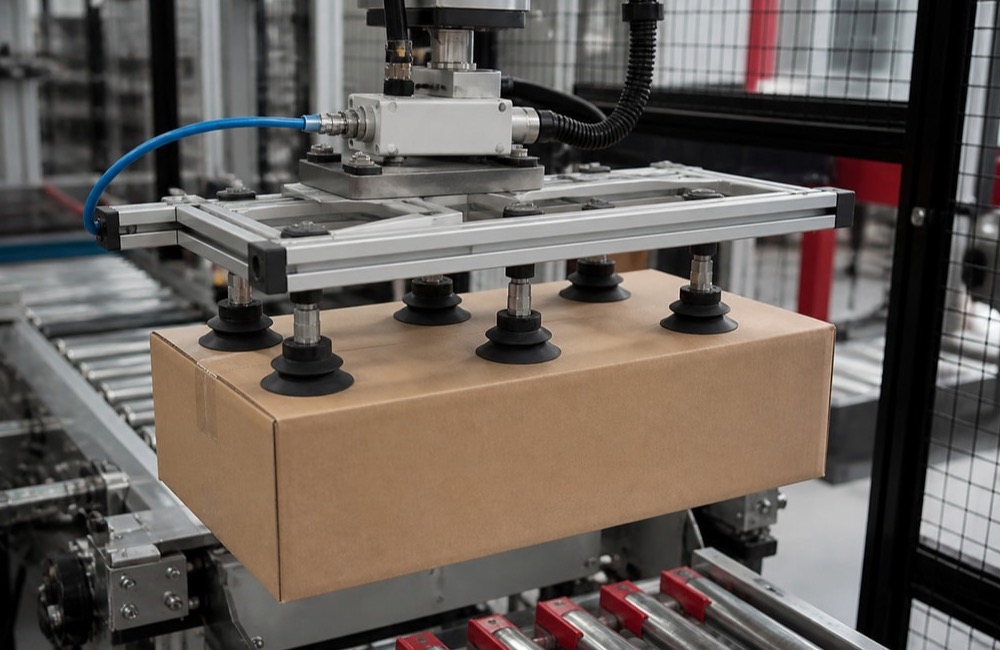
Thai industries use vacuum generators to reduce labor costs and increase production speed. Examples of actual applications of vacuum generators in the workplace include:
- Automotive Industry: Used for suctioning car windshields or steel sheets into stamping machines.
- Electronics Industry: High-precision Pick and Place systems for PCB circuit boards.
- Packaging Industry: Using robotic arms to suction cardboard boxes or plastic bags for palletizing.
Preventive Maintenance (PM)
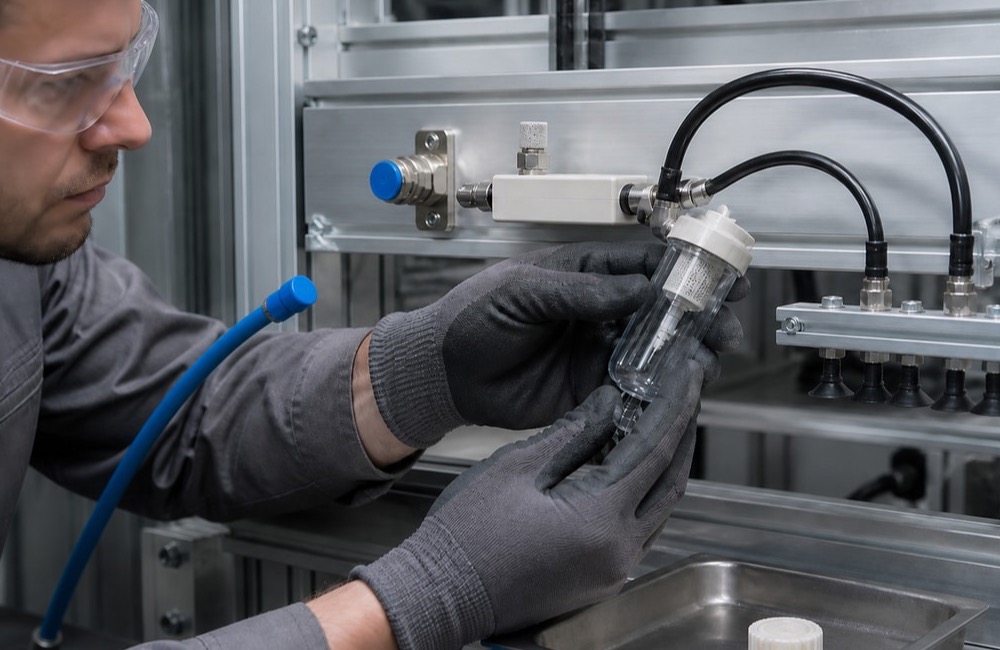
Even though Vacuum Generator units have no moving parts, maintenance is still essential. Technicians should install an air filter to trap dust and contaminants before feeding air into the vacuum generator. The team must regularly inspect polyurethane tubes for folds or leaks as even minor damage can completely compromise the vacuum conditions of vacuum generators. You should clean the installed vacuum filters before the suction head to prevent dust from workpieces clogging inside.
Summary
Vacuum Generator serves to drive the gripping system quickly and accurately. Choosing a ejector-type vacuum generator that meets specifications helps reduce problems of parts falling off during production lines. If your factory is looking for a vacuum generator replacement, SCMA has high-quality products ready for you to purchase online immediately.
If you want to buy, you can now purchase from SCMA!
SCMA understands that every minute the machine is down is a cost of damage. We have therefore adjusted our service model for Vacuum Generator to respond to your needs instantly through an online system. Maintenance technicians can take photos and videos of the faulty condition of the vacuum generator, send them to the engineering team for evaluation via Online Support immediately. Order vacuum generators from us and guarantee fast delivery to factories nationwide without having to wait for appointments.
Frequently Asked Questions (FAQ)
Q1: How does a Vacuum Generator differ from a Vacuum Pump?
A Vacuum Pump uses an electric motor to drive the mechanism that creates suction, suitable for centralized work. On the other hand, a Vacuum Generator uses compressed air through an Ejector and does not have a motor; it is small in size and can be installed directly at the point of use.
Q2: What symptoms indicate that a new vacuum generator with an ejector needs to be replaced?
If there are no leaks in the air line, the incoming compressed air pressure is normal, but the suction force of the ejector-type vacuum generator has dropped and parts frequently fall off, it may suggest that the Ejector inside the Vacuum Generator is clogged or worn out from heavy use.
Q3: Does a vacuum generator consume a lot of air?
The amount of air consumption depends on the size of the nozzle within the vacuum generator. Engineers can choose models with Air-saving valve technology to reduce energy usage.
Q4: Can vacuum generators be used if there is water contamination in the factory's compressed air?
Answer: It can be used temporarily, but Vacuum Generators will wear out quickly. Water and oil mist will mix with dust to cause clogging. SCMA recommends installing an FRL Unit (Filter Regulator Lubricator) before the Vacuum Generator.
Q5: If the original spare part is no longer produced, can SCMA provide online specification comparisons?
Answer: You just need to send a picture of the Nameplate of your Vacuum Generator via Line Official. Our online engineering team will evaluate immediately and offer equivalent or better quality vacuum generators, ready for quick delivery.