Have you ever encountered problems with workpiece suction cups missing or vacuum pressure dropping, causing machinery to stop mid-operation? These issues directly impact production lines. SCMA is ready to present a comprehensive Vacuum Components solution for handling workpiece picking and placing in industrial factories. This article will guide you through the checklist of selecting equipment and maintenance techniques to ensure your system operates at maximum efficiency.
What are Vacuum Components?
Vacuum Components refer to a group of devices that work together to create and control vacuum suction pressure in pneumatic systems and manufacturing processes. They are primarily used in Pick & Place applications for picking up or moving parts using negative pressure. Choosing the right components ensures system accuracy, reduces part damage, and prevents unintended machine downtime.
How Vacuum Components Work
The main mechanism of the system focuses on creating a difference in pressure between inside and outside to provide a secure grip on workpieces. Expert information from Vacuum Components confirms that good system design must start with an understanding of the following two basic aspects.
Creating Negative Pressure in the System
The system uses a Vacuum Ejector or vacuum generator to draw air out of enclosed spaces, creating low-pressure conditions. The lower internal pressure compared to external atmospheric pressure creates massive suction force for quick part gripping.
Controlling Flow and Vacuum Pressure
Valves and sensors control airflow and measure negative pressure levels to ensure stable suction operations. Properly setting the vacuum pressure prevents parts from falling off during high-speed movement transfers.
Vacuum Components Assembly
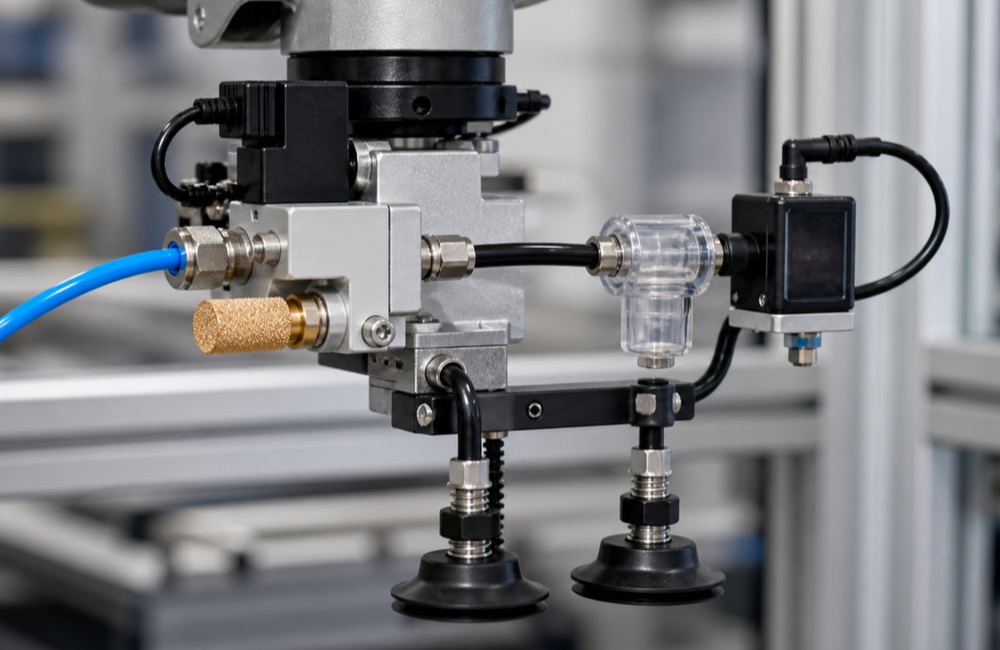
A stable system design requires high-quality equipment to work together seamlessly, divided into four main parts:
1. Vacuum Generator
The E.MC Pneumatic brand's Vacuum Ejector converts air pressure into vacuum suction quickly, is compact and lightweight, suitable for installation on robot arms or limited spaces.
2. Gripping Components
Suction Cups or cups directly contact the workpiece; they come in various materials such as NBR rubber or silicone, with shapes including flat types for smooth surfaces and Bellows types for curved or uneven surfaces.
3. Control and Measurement Devices
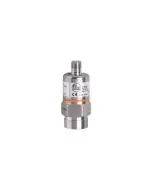
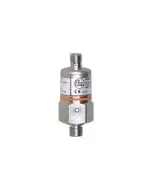
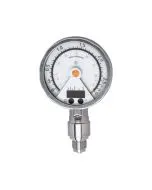
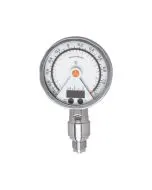
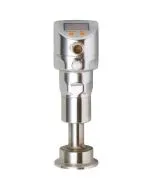
Vacuum Sensors from the ifm brand monitor suction in real-time to prevent automatic system errors, directional control valves manage workpiece pickup and release according to set timing.
4. Auxiliary Equipment and Piping Systems
Vacuum Filters help filter out dust particles from entering the vacuum generator's internal mechanisms; Silencers reduce noise when expelling air, all connected by air pipes that withstand vacuum pressure without collapsing.
Benefits of Vacuum Components
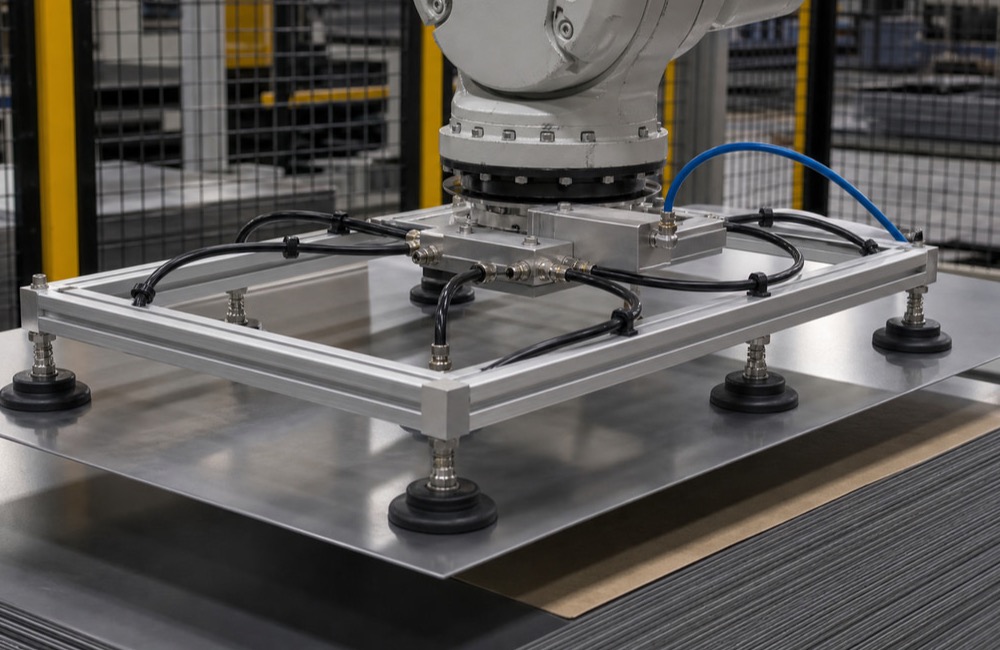
Installing standard Vacuum Components sets increases production process speed and reduces the risk of direct workpiece contact. Equipment such as Vacuum Pumps and pressure gauges ensure high accuracy, reducing waste from dropped damaged parts; working conditions become safer and more automated.
List of Considerations for Selecting Vacuum Components Suitable for the Job
Careful consideration of technical factors is essential to ensure that you get a system that is durable and cost-effective:
- Consider the weight, surface, and material of the workpiece to select an appropriate Suction Cup size.
- Check the air volume and suction force requirements in relation to the capabilities of the Vacuum Ejector.
- Select durable cup materials that can withstand process temperatures or chemicals.
- Install sensors to alert immediately when vacuum pressure drops abnormally.
Maintenance Practices to Reduce Downtime Issues
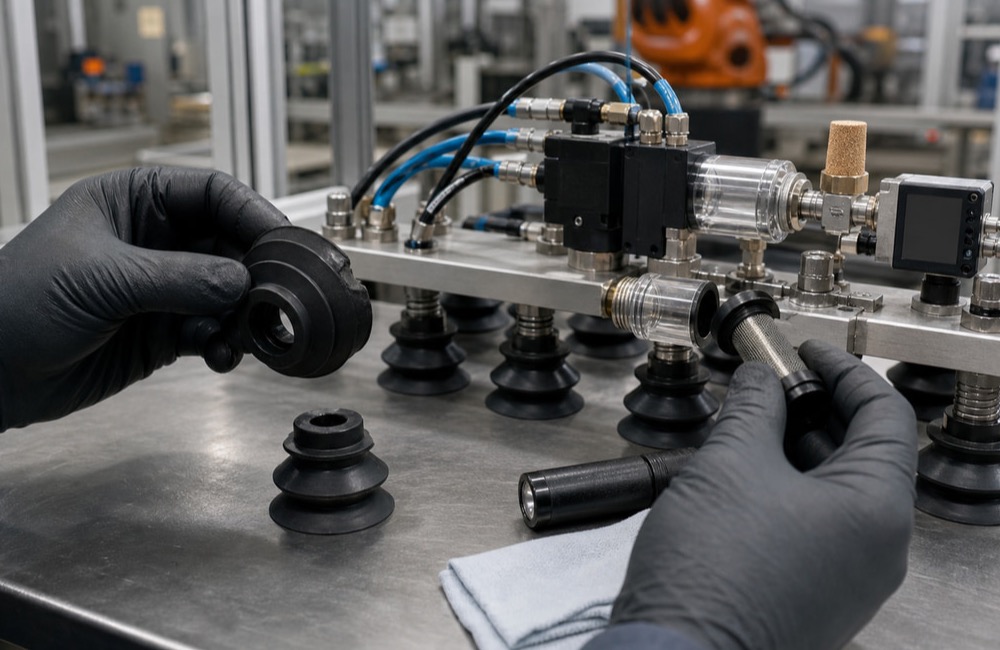
Preventive maintenance extends the lifespan of equipment and reduces the risk of sudden damage:
- Clean and check Vacuum Filters regularly to prevent clogging.
- Inspect for leaks at joints and air lines, which are major causes of pressure drops.
- Note the condition of Suction Cups rubber; if cracks or hardening is observed, replace them immediately.
- Check the performance of Vacuum Pump to ensure it meets specified pressure standards.
If you want to buy Vacuum Components, SCMA is now available!
SCMA is an expert in Engineering Solution, ready to supply high-quality vacuum equipment from leading global brands. We have stock available for immediate online delivery to meet the needs of factories nationwide, ensuring you receive genuine products with technical support services that keep your production line running smoothly.
Summary
Vacuum Components are crucial in automated workpiece handling systems, enhancing productivity and reducing operational risks. Selecting high-quality components from brand E.MC ensures system stability and reduces long-term maintenance costs. Contact SCMA for precise vacuum solutions tailored to your needs.
Frequently Asked Questions
How do Vacuum Ejectors differ from Vacuum Pumps?
Ejectors use compressed air to create a vacuum through the Venturi principle, suitable for small-scale applications and easy installation. In contrast, Pumps use an electric motor to continuously generate suction for larger systems.
Why won't the suction cups pick up the workpiece?
The cause may be leaks in the system, bent air lines, or selecting suction cup sizes that do not match the weight and surface of the workpiece being picked up.
How often should Suction Cups be replaced?
This depends on usage frequency and environmental conditions. A monthly check is recommended; if the rubber shows signs of hardening, cracking, or deterioration, replacement should be done immediately for safety reasons.
Is a Vacuum Filter necessary to install?
It is absolutely essential as it helps capture dust and contaminants before they can clog vacuum-generating equipment. This extends the lifespan of your equipment significantly.
What level of Vacuum Pressure should be chosen?
For general handling, most applications use a pressure range between -60 to -90 kPa. A safety factor (Safety Factor) of about 2-4 times the actual weight of the workpiece is recommended for maximum stability.