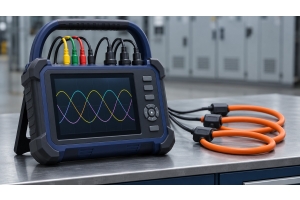
Are you currently facing problems with quality control in drying processes or non-standard ultraviolet sterilization? This article from the SCMA engineering team will take you through an in-depth understanding of the UV Intensity Meter, or UV Light Intensity Meter, from its operating principles to our instrument calibration services. Readers will receive a checklist for purchasing and maintenance guidelines to apply accurately in production lines.
What is a UV Intensity Meter?
A UV Intensity Meter, or UV Light Intensity Meter, is a device designed specifically to measure the intensity of ultraviolet (Ultraviolet) radiation. This type of measuring instrument is extremely important for checking the performance of UV lamps to ensure that the emitted radiation has sufficient energy for use in various types of industries.
How the UV Intensity Meter Works
The working principle of the UV Intensity Meter from SCMA (which is sold under the popular brand KEPLER, such as models KUV-510A or KUV-513AB) uses the principle of converting light signals into electrical signals (Photoelectric Conversion) to measure the intensity of ultraviolet radiation falling on the sensor surface. The main steps of operation are as follows:
1. Filtering Light Through a Specific Wavelength Filter (Optical Filtering)
The sensor of the device is equipped with a light filter designed to accept only the specific wavelength of UV radiation to be measured, in order to prevent other light ranges (such as visible white light or infrared radiation) from interfering with the measurement. For example, UVA focuses on measuring the wavelength range of 320-380 nanometers for UV curing of adhesives or inks, while UVC focuses on measuring the disinfection wavelength range of 220-275 nanometers.
2. Detecting and Converting Signals with a Photodiode (UV Sensor Detection)
When UV radiation passes through the filter and strikes the semiconductor inside, the photodiode (Photodiode), which is sensitive to UV light, is activated by the energy from the radiation, causing an electric current to flow through the sensor. The amount of electric current generated varies directly with the intensity of the UV radiation falling on it. If the UV light is strong, the electric current will be high; conversely, if the UV light is weak, the electric current will be low.
3. Signal Amplification and Processing (Signal Amplification & Processing)
The electric current obtained from the sensor is very small, in the range of microamps. The internal electronics of the UV intensity meter amplify this signal. The system then sends the signal to a microprocessor to convert the analog signal into a digital signal, and then calculate and compare it with the pre-calibrated standard values.
4. Display (Display)
The device will immediately calculate and process the data, displaying the intensity of the radiation on the LCD screen. The units used to measure UV light intensity on the screen are generally μW/cm² (microwatts per square centimeter) or mW/cm² (milliwatts per square centimeter). These numbers will inform the user how intense the UV energy is at that point.
How many types of UV Intensity Meters are there?
UV intensity meters sold by SCMA can be categorized into 3 main types based on their measurement range and type
UVA UV Intensity Meter
This type of device is specifically designed to measure the intensity of UVA radiation in the spectral range of approximately 320-380 nanometers. For example, the KUV-510A KEPLER UV intensity meter is suitable for industrial applications, inspection work, or processes that require strict control of UVA light levels
UVAB UV Intensity Meter
This model is distinguished by its ability to measure both UVA and UVB radiation simultaneously in the spectral range of approximately 290-370 nanometers. A popular example is the KUV-513AB KEPLER. SCMA customers choose this model for general ultraviolet radiation intensity measurements and environmental assessment
UVC and Multi-Function UV Intensity Meter
This is a specialized instrument for measuring UVC light, such as the KUV-512C model for UV disinfection work. Currently, there are 3-in-1 models that combine the functions of Solar (solar energy), UVA, and Light Meter in one device, such as the KTM-208 KEPLER, which is suitable for solar cell systems and general-purpose light measurement work
UV Intensity Meter Maintenance
Maintaining the UV Intensity Meter of SCMA, such as popular models in the KEPLER series (e.g., KUV-510A or KUV-513AB), properly is important. Proper care helps maintain sensor accuracy and extends the product's lifespan as much as possible. Since the device and the photodiode are highly sensitive, you can maintain the device according to the following guidelines:
1. Sensor Care and Cleaning
Keeping the sensor lens clean is the most important point. Even a small amount of dust, oil, or residue can block UV light, causing the measured values to be lower than actual. The cleaning method is to use a soft lint-free cloth or a dry cotton swab. If there are stubborn stains, slightly dampen a cotton swab with 70% isopropyl alcohol (IPA) and gently wipe. Never use harsh chemicals, corrosive substances, or rough-textured tissues, as they may scratch the sensor surface.
2. Storage Environment Control
Avoid moisture and direct sunlight. Store the device in a dry, room-temperature location. Do not store it in a car exposed to direct sunlight or in a overly humid room, as moisture may damage the internal electronics. After use, close the sensor cover (if available), and place the device in the provided box or pouch every time to protect against impacts and dust. Do not place the device near high-intensity electromagnetic wave sources, such as large motors or high-voltage electrical cabinets, as this may affect the LCD screen's processing.
3. Battery Management
If you expect not to use the UV meter for more than 1-2 weeks, remove the battery immediately. Doing so prevents battery degradation or chemical leakage that could damage the internal circuit board. When the display shows a low battery warning, replace the battery immediately, as unstable voltage may cause measurement inaccuracies.
4. Annual Calibration
UV light meters experience semiconductor degradation in the sensor over time, leading to slight drift or deviation in measurements. You should send the device for inspection and calibration at least once a year with a certified laboratory (e.g., ISO/IEC 17025) to confirm accuracy. Refer to additional sensor operation information
Application of UV Intensity Meter in Industry
UV Intensity Meter (UV Light Intensity Meter) is a device used to measure the intensity or radiation amount of ultraviolet light (mW/cm², µW/cm²). Its application covers production processes as well as industrial inspection, with main applications as follows:

UV Curing (Adhesive and Coating Curing)
Industrial factories use this device to check the intensity of UV tubes in drying systems. Accurate measurement ensures that printed ink, paint, adhesive, or coating (Coating) dries completely and sets properly according to standards.
Semiconductor Industry (Semiconductor)
Engineers use the UV light intensity meter to control quality in the production process of circuit boards and wafers. Checking the energy level in the Dicing process or using UV Label together is very important to the quality of components.

UV Disinfection System (UV Disinfection)
System administrators use this device to measure the performance of UVC lamps in wastewater treatment or disinfection in clean rooms. Evaluating light intensity ensures that the radiation has enough energy to truly eliminate pathogens.
Material Durability Testing (UV Weathering Test)
Weathering tests in climate simulation chambers require measuring and controlling the UV light intensity level. This data helps determine how quickly plastics, automotive paint, or textiles will degrade or fade when exposed to sunlight.
Advantages of UV Intensity Meter
UV Intensity Meter, or ultraviolet intensity meter, helps users accurately know the intensity and energy level of UV radiation. This device is important for safety as well as quality control, with the following main advantages:
1. High Accuracy Measurement
This tool helps display UV radiation levels (such as UVA, UVB, UVC) as clear numbers. Accurate readings instead of guessing help effectively reduce human error.
2. Check Disinfection Effectiveness
Staff use this tool to check the effectiveness of UVC lamps in hospitals or water systems. Checking light intensity helps confirm whether the system still has sufficient light intensity to truly eliminate pathogens.
3. Control Industrial Work
UV intensity meter helps control the process of drying paint or coating with UV radiation (UV Curing). Assessing consistent energy helps reduce waste and save time on the production line.
4. Evaluate Equipment Degradation
Maintenance teams use it to compare light intensity values to see if UV lamps or reflective plates have degraded. These data are very useful for planning maintenance before machine breakdowns occur.

5. Evaluate Outdoor Safety
Safety officers use this device to measure UV radiation levels around the body to assess risks to the skin and eyes. Knowing the light intensity helps determine preventive measures before allowing employees to perform outdoor activities.
How to Choose a UV Intensity Meter
You can purchase a UV Intensity Meter from SCMA by considering the wavelength range, functionality, and type of UV tubes used in actual field applications. The method of selecting a UV Intensity Meter from SCMA is as follows:
- Wavelength Range: Choose one that matches the UV radiation range you need to measure, such as UVA, UVB, or UVC, because each sensor model is specifically designed.
- Measurement Range and Unit: Check whether it supports units of light intensity or energy density, such as mW/cm² or uW/cm², according to your industry standards.
- Sensor Probe Characteristics: Select the type of sensor probe that is suitable for the field area, such as a detachable cable type for convenient reading at hard-to-reach points.
- Recommended Models: For example, KUV-510A KEPLER UV Light Meter UV Light meter or other models in the Light Meters category of SCMA that are suitable for general use.
Summary
A UV Intensity Meter is a measuring instrument that industrial factories must prioritize to control the level of ultraviolet radiation to meet standards. Choosing a UV Intensity Meter for UVA, UVB, or UVC that matches the specifications and maintaining it properly will help improve production efficiency. If you are looking for an automatic system solution or calibration services from SCMA, as a technical partner, we are ready to provide consultation as well as full-system design services.
Interested in ordering or consulting via LINE Official: @SCMA
If you want to buy a UV Intensity Meter, you can buy it from SCMA today!
Controlling the quality of ultraviolet radiation emission is a key factor to success in the manufacturing industry. If you are looking for an accurate UV Intensity Meter or UV light intensity meter, SCMA Company is pleased to provide products from world-leading brands. We are a full-service solution provider for measurement instruments, covering everything from distribution to after-sales service
Frequently Asked Questions
Can a UV Intensity Meter be used to measure general light brightness?
It is not recommended to use them interchangeably, as the sensor of the UV light intensity meter is specifically designed to respond to ultraviolet radiation. If you want to measure general light brightness, you should use a Lux Meter.
What types of UV light can the KUV-513AB model measure?
The UV light intensity meter model KUV-513AB from the KEPLER brand can measure ultraviolet radiation covering both the UVA and UVB ranges simultaneously.
When should the measuring instrument be calibrated?
Engineers recommend sending the UV light intensity meter to the laboratory for calibration at least once a year. Calibration helps compensate for sensor drift caused by usage over time.
Can chemical cleaners be used to clean the sensor head?
It is strictly prohibited to use harsh chemicals to clean the lens of the UV Intensity Meter. The operator should use a soft, lint-free cloth soaked in 70% isopropyl alcohol and gently wipe it clean.
Does SCMA offer UV light control system design services?
SCMA offers a "Project & Solutions" service, providing consultation and designing measurement systems tailored to each customer's production process.