Are your employees in the workplace facing the risk of heat stroke? Using the WBGT Heat Stress Monitor is the best solution to accurately assess heat in the environment. The engineering team from SCMA, experts in measurement tool solutions, has compiled all the information you will get from this article to help you choose and use the device correctly and safely.
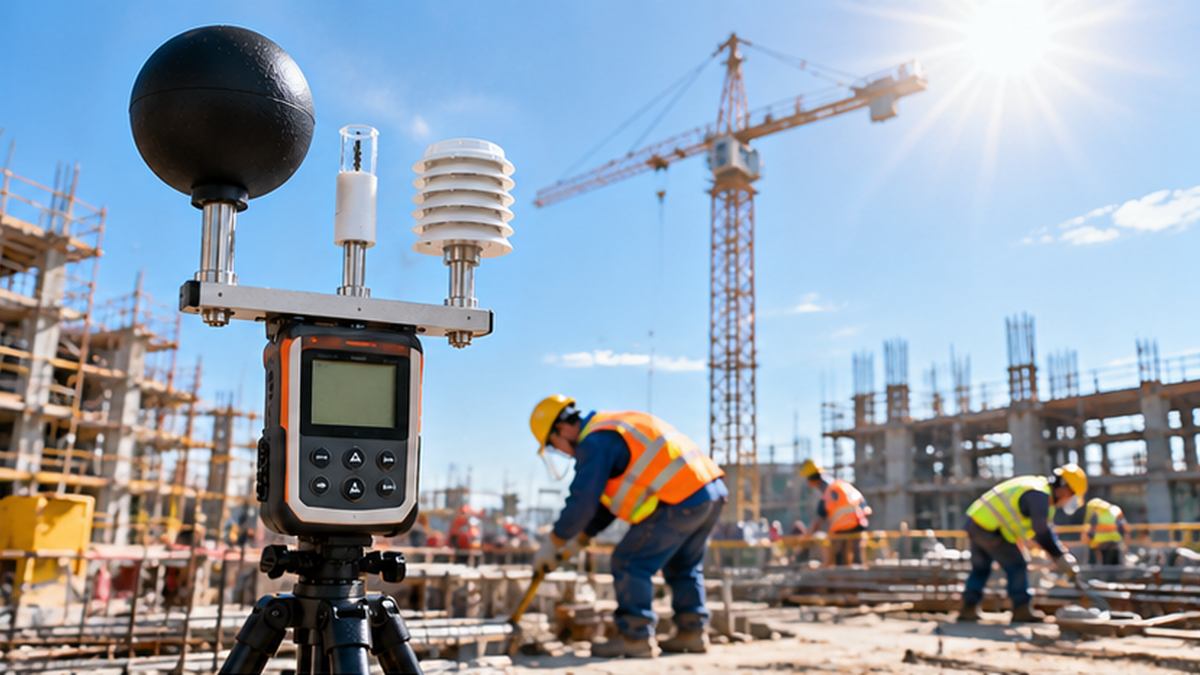
What is WBGT Heat Stress Monitor?
WBGT Heat Stress Monitor is a tool for accurately measuring and evaluating the heat stress index (Wet Bulb Globe Temperature). This device effectively prevents dangers from heat stroke or sunburn in the workplace SCMA Company specifically distributes this type of equipment for application in environmental safety in industrial factories
How the WBGT Heat Stress Monitor Works
The heat stress monitor operates by measuring the thermal load from the environment using three main sensors that work together to evaluate the results. The system calculates the heat index according to international standards for immediate monitoring.
Natural Wet Bulb Temperature (Natural Wet Bulb Temperature)
This sensor measures temperature by being wrapped in clean water-soaked fabric at all times. This system works to simulate the evaporation process of human sweat from the skin. The readings are affected by the level of humidity as well as the wind speed in the area.
Globe Temperature (Globe Temperature or Black Globe Temperature)
The sensor is installed inside a completely black sphere to measure heat from radiation. This part of the operation covers measuring outdoor sunlight or heat from furnaces, up to capturing the air circulation around the area.
Dry Bulb Temperature (Dry Bulb Temperature)
This measurement uses a thermometer to check the general air temperature while keeping the sensor from getting wet. The data obtained is the actual air temperature at that moment, which is necessary for calculating the heat index together with other sensors.
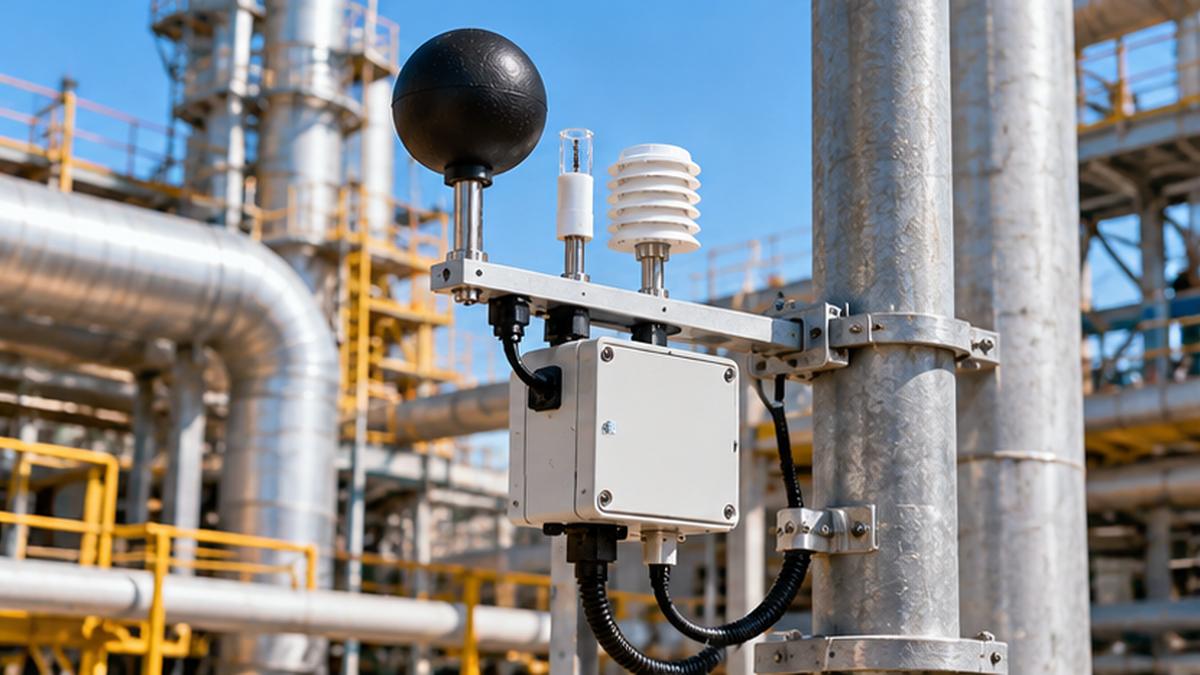
How many types of WBGT Heat Stress Monitors are there?
Selecting a WBGT heat stress monitor that meets your usage requirements requires understanding the types of equipment first. Based on the experience of SCMA's engineering team, we categorize the devices into 3 main types to suit different site conditions.
Portable WBGT Meters
This type of device is compact and suitable for field workers or safety officers (SOS). The device is designed to be frequently moved for quick and convenient measurement at various points within the factory.
Fixed WBGT Meters
Fixed WBGT meters are ideal for continuous 24/7 monitoring of environmental conditions at furnace fronts or high-risk areas. Data is continuously recorded to analyze heat trends in the work area.
Wireless WBGT Meters
Wireless technology enables real-time transmission of weather data to the central control room. Supervisors can connect to the data through a network system to assess safety remotely without needing to be on-site themselves.
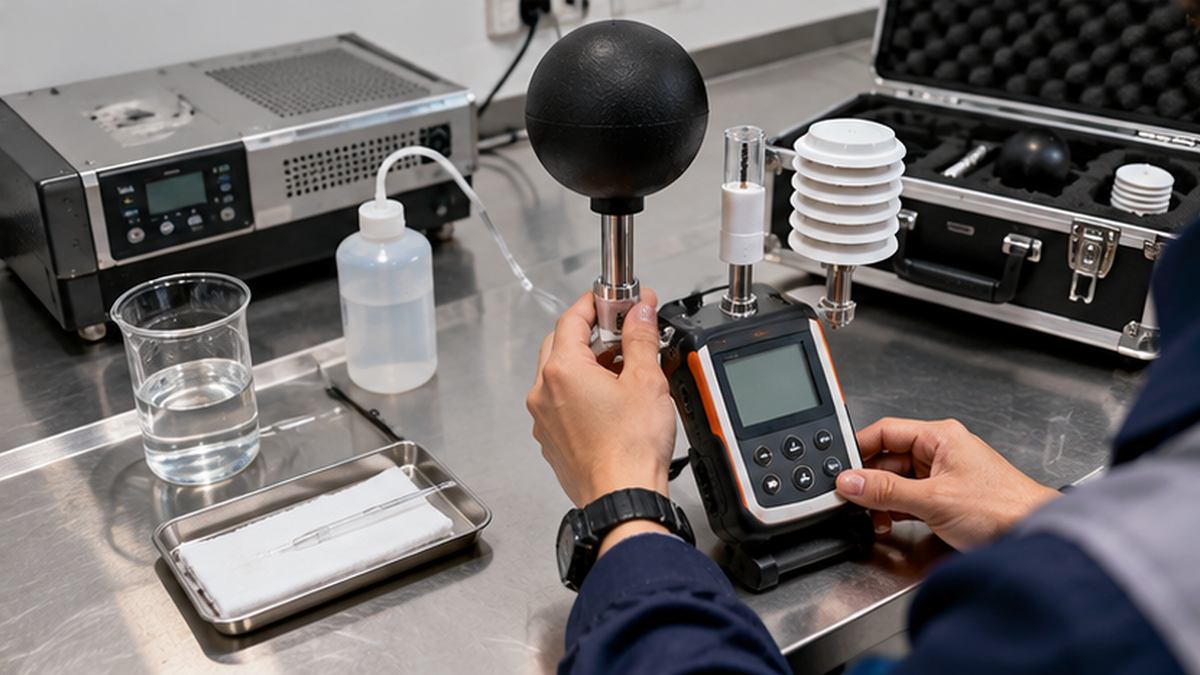
WBGT Heat Stress Monitor Maintenance
Proper maintenance of the WBGT heat stress monitor is very important to maintain the accuracy of all three sensor parts and to extend the product's lifespan. The SCMA technical service team recommends the following maintenance procedures for the device:
Care for Each Type of Sensor
Users must use only pure distilled water in the fabric compartment of the wet bulb pocket. Tap water must be strictly avoided to prevent scale buildup on the sensor. If the fabric begins to darken or become stiff, replace it immediately.
Care for the Power System and Device Body
If the device is not going to be used for more than one week, always remove the battery to prevent chemical leakage that could damage the circuit board. For external cleaning, only use a slightly damp cloth. Avoid using harsh chemicals at all costs.
Proper Storage
Storing the device in its dedicated carrying case provides excellent protection against impacts and dust. Users should avoid storing the device in high humidity rooms or areas exposed to direct sunlight for long periods.
Accuracy Calibration
The WBGT monitor must be calibrated annually according to SCMA occupational health standards. SCMA offers calibration services with a certificate of accuracy to confirm the device's precision before returning it to use in the factory.
Application of WBGT Heat Stress Monitor in Industry
The heat stress monitor is widely used to assess heat levels in working environments. The main objective is to prevent heatstroke and control temperature in accordance with safety standards
Assessing Safety in Work Areas
Industrial factories use this device to inspect high-temperature areas, such as near furnaces or outdoor construction sites. Accurate assessment helps supervisors see the actual risk level before sending employees to work
Controlling the Environment for Worker Health
The obtained heat index data helps the safety department to appropriately set measures for rest breaks or shift changes. Managing working hours according to weather conditions greatly reduces worker fatigue
Application in Sports and Outdoor Activities Industry
Aside from industrial work, the sports industry also uses this device to check weather conditions on training fields. The obtained data helps prevent dangers to athletes when training under extremely hot weather conditions for long periods
Advantages of WBGT Heat Stress Monitor
Using a heat stress index measuring device helps elevate occupational health management systems to maximum efficiency. This type of equipment is beneficial, covering everything from monitoring to strict legal compliance.
High Accuracy According to International Standards
The device processes data through three key sensor components: air temperature, humidity, and thermal radiation. Combining all this data together helps ensure the calculation of the heat stress index is internationally reliable.
Immediate Heat Hazard Prevention (Real-Time)
The real-time risk monitoring system allows supervisors to be aware of rapidly changing weather conditions. Immediate situation assessment helps prevent heat exhaustion, cramps, or heatstroke among workers.
Compliance with Occupational Safety Laws
Measurement results from calibrated devices can be used as references for internal inspections. Having clear numerical data helps factories fully comply with the Ministry of Labor's safety regulations.
Convenient to Use and Quick Results Display
The display shows heat values both indoors and outdoors immediately, without requiring users to calculate the numbers themselves. The quick operation reduces human error and saves time in area assessment.
Enhance Work Efficiency and Staff Scheduling
Clear data helps supervisors better plan staff rotation during hot weather. Providing employees with adequate rest results in higher production efficiency and reduces the accident rate due to fatigue.
How to Choose a WBGT Heat Stress Monitor
Choosing a WBGT Heat Stress Monitor that is cost-effective and meets your usage requirements requires a good understanding of the product specifications. The expert team from SCMA summarizes the key factors to consider as follows:
- Check International Standards: Choose a device that meets the ISO 7243 standard or has been certified according to labor laws to ensure the accuracy of the results.
- Support for Comprehensive Measurement Types: Consider whether the device can accurately measure heat index both indoors and outdoors.
- Data Logging System: Choose a model with built-in memory or the ability to connect to a computer if you need to store continuous statistical data.
- Reliable Distributor: Purchase the heat index monitor from an expert with after-sales service that always provides calibration certificates.
Precautions for Using WBGT Heat Stress Monitor on the Job Site
When using a WBGT Heat Stress Monitor in an actual industrial setting, users must be cautious of the details to ensure accurate results. Operators should thoroughly understand these limitations:
- Sensor Adjustment Time: When moving the device from an air-conditioned room to a hot area, allow the device at least 10-15 minutes to adjust to the environment before starting to record values.
- Installation Position: Place the heat index monitor at a height close to the operator. Avoid placing it near air vents that may cause humidity readings to be distorted.
- Care for the Wet Sensor: While measuring natural wet bulb temperature, always check that the fabric remains moist and is not clogged with dirt.
- Avoid Interference Waves: In some areas with Electromagnetic Flow Meter or high-voltage electrical equipment, maintain a distance to prevent interference with the display screen.
Summary
WBGT Heat Stress Monitor is an important tool that helps protect employees from the dangers of heatstroke in high-temperature work environments. Regular maintenance of the equipment, including calibration according to standards, ensures long-term accuracy. SCMA, as an expert in industrial technology solutions, is ready to provide advice on selecting the appropriate heat index measuring device for your factory.
Interested in purchasing or consulting via LINE Official: @SCMA
If you want to purchase a WBGT Heat Stress Monitor, you can buy it from SCMA today!
Investing in safety creates long-term stability for the production process. Deciding to choose a specialized supplier helps reduce the hassle of installation or maintenance. SCMA offers Project and Solutions (Project & Solutions) comprehensive services to help you design the best heat measurement system, along with an engineering team ready to support you throughout the product's lifespan.
FAQ
What does WBGT stand for?
WBGT stands for Wet Bulb Globe Temperature, which is an international standard index used to assess heat stress levels. This information is highly useful for monitoring working conditions in high-risk areas.
How is a heat index meter different from a regular thermometer?
A regular thermometer only measures the ambient air temperature in that area. A heat index meter combines humidity and heat radiation measurements to provide more accurate results.
How often should the device be calibrated?
Users should send the device for calibration every 1 year to ensure accuracy. Adhering to the calibration schedule helps ensure that the data complies with the workplace safety requirements.
Can the portable unit be used for outdoor measurements?
Users can conveniently use the portable unit for outdoor measurements. When using it in open areas, the Out-door measurement mode must be set so that the sensor can also calculate solar radiation values.
Can tap water be used instead of distilled water for the sensor's wet bulb?
It is strictly prohibited to use tap water in the sensor, as mineral deposits will accumulate over time. Users must use distilled water to maintain optimal evaporation performance.