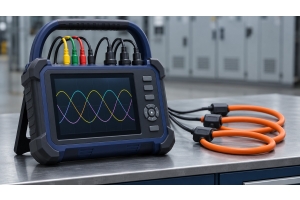
Having trouble controlling ammonia levels in your wastewater treatment system, affecting your production process? This issue can be resolved by using a high-performance Ammonia Nitrogen Analyzer. SCMA, as an expert in industrial measuring instruments, is ready to provide a fully integrated solution. This article will guide you through the working principles and teach you how to select the most cost-effective analysis equipment that meets your usage needs.
What is an Ammonia Nitrogen Analyzer?
An Ammonia Nitrogen Analyzer is a water quality analysis instrument specifically designed to measure ammonia nitrogen (NH3-N) levels in industrial sectors. This device is capable of detecting contaminants in both free ammonia and ammonium ion (NH4+) forms present in natural water sources. Installing an ammonia nitrogen analyzer in the system helps engineers quickly assess organic levels to control water quality effectively.
Working Principle of the Ammonia Nitrogen Analyzer
Understanding the working principle of the Ammonia Nitrogen Analyzer is crucial for its application in industrial production processes. The ammonia nitrogen analyzer operates using advanced detection technology to accurately assess water quality.
Measuring Values to Evaluate Water Quality
The system draws water samples into the ammonia nitrogen analyzer to test for the amount of organic substances present. This process allows the engineering team to promptly assess contamination levels in the aeration tank. Measured data serves as a key indicator for controlling machinery operations in accordance with environmental standards.
Chemical Principles and Specialized Sensors
Most water quality analyzers work by adding reagents to the sample to react with ammonia, turning it into a reddish-brown substance before measuring light absorption. In addition to chemical applications, there is also specialized ion-sensing technology that can directly process concentration levels. The choice of principle depends mainly on the factory's environmental conditions.
How many types of Ammonia Nitrogen Analyzer are there?
Currently, the Ammonia Nitrogen Analyzer used in environmental control is divided into several types according to the structure of the processing. The ammonia nitrogen meter can be divided into two main forms of analysis with the highest efficiency.
Ion Selective Electrode (ISE) Type
This type of ammonia nitrogen analyzer uses a sensor that is specifically sensitive to ammonium ions to convert the concentration into an electrical signal. The key advantage is that operators can immerse the sensor into the tank to measure values in real-time continuously without relying on chemicals. This technology is very suitable for installation in automation systems within the production process.
Chemical Analysis and Light Measurement (Colorimetric Method) Type
This device works by using a water sampling device to mix with a chemical reagent, then shooting light through to analyze the concentration according to the principle of spectrometric measurement. The online chemical cabinet type ammonia nitrogen meter provides exceptionally high accuracy. Industrial factories that need to check wastewater values in accordance with environmental control laws should consider using this type of equipment.
Ammonia Nitrogen Analyzer Maintenance
In order for the Ammonia Nitrogen Analyzer to operate accurately at all times, proper maintenance of the equipment should not be overlooked. The maintenance team should strictly follow the guidelines for caring for the ammonia nitrogen analyzer according to engineering standards.
Sensor Care and Cleaning
Users should regularly inspect for deposits or mucus on the electrode surface of the ammonia nitrogen analyzer to prevent clogging. Cleaning should be done carefully with ion-free water, while avoiding direct contact of the sensor with contaminants. If removal is necessary, the sensor should be immersed in clean water as recommended in the manufacturer's manual.
System Calibration
The calibration process of the ammonia nitrogen analyzer is a key step that helps confirm the accuracy of the processed data. Engineers must perform two-point calibration at intervals specified by the manufacturer to maintain signal reception conditions. Maintaining the system alongside monitoring other parameters, such as pH value, will greatly enhance the overall performance efficiency.
Environmental and Installation Care
Controlling the temperature at the installation site of the Ammonia Nitrogen Analyzer to be within the range of 5–40 degrees Celsius helps reduce analysis result errors. The installation area must be completely dry and free from direct sunlight. Running insulated cables underground with waterproof coating will help prevent corrosion problems very effectively.
Application of Ammonia Nitrogen Analyzer in Industry
The technology of the Ammonia Nitrogen Analyzer is widely applied to maintain global water quality standards Analysis of ammonia nitrogen content accurately helps effectively prevent serious damage to the ecosystem
Wastewater Treatment System
Monitoring the wastewater treatment system requires the use of an ammonia nitrogen analyzer to measure the level of organic substances in the aeration tank. This device helps confirm that bacteria can fully decompose waste. The pre-inspection process provides the highest assurance before discharging wastewater into the external environment.

Agricultural and Closed Farm Industries
Large-scale aquaculture farms use ammonia nitrogen analyzers to continuously monitor water quality throughout the day. Monitoring the concentration of nitrogen compounds helps prevent toxic water conditions for aquatic animals. Farmers can promptly improve the environment when changes in ammonia levels are detected.
Chemical and Fertilizer Manufacturing Plants
The chemical industry relies on ammonia nitrogen analyzers to manage production processes that involve nitrogen compounds as a main component. The analyzer ensures that wastewater quality from the production line meets legal requirements. Strict monitoring helps reduce environmental risks caused by chemical residue.
Cooling Tower System
The industrial cooling water system uses an ammonia nitrogen analyzer to monitor chemical contamination in the water cycle. Quickly detecting excessive ammonia levels helps prevent metal pipe corrosion. Appropriate water quality control thus significantly extends the lifespan of machinery and greatly reduces maintenance costs.
Advantages of Ammonia Nitrogen Analyzer
Deciding to install an Ammonia Nitrogen Analyzer brings value and maximizes benefits for production system management. Modern ammonia nitrogen analyzers have been developed with advanced technology to handle complex tasks.
High Accuracy in Measurement Results
The ammonia nitrogen analyzer uses photoelectric principles to replace the traditional visual color comparison method. This advanced technology eliminates errors caused by employees when reading test results. The processed numbers are accurate and reliable, allowing confident reference for production line improvements.
Real-time Measurement Capability
Detecting changes in water quality through sensors allows the Ammonia Nitrogen Analyzer to continuously report results. Real-time measurement data helps engineers immediately manage the wastewater treatment system when abnormalities are detected. Quick response to situations clearly reduces production losses.
Automatic Operation System
Industrial ammonia nitrogen analyzers are designed to process operations with intelligent systems. The device comes with automatic calibration functions and self-checking of chemical liquid levels. These advanced features reduce the workload of maintenance staff in daily equipment inspections.
Large Data Storage Capacity
The memory of the ammonia nitrogen analyzer can store a massive amount of water quality measurement data. Operators can review past test history to analyze system trends. The analyzer will immediately send an alert to the supervisor when abnormal organic values are detected.
Supports Remote Control via Online
The Ammonia Nitrogen Analyzer system supports data network connections to send signals to a central platform. Engineers can directly monitor the status of the ammonia nitrogen analyzer from a remote location. This convenience perfectly aligns with the full integration of industrial factories into smart factories.
How to Choose an Ammonia Nitrogen Analyzer
Based on the experience of the SCMA engineering team, when selecting an Ammonia Nitrogen Analyzer, it is essential to evaluate the suitability of the application. We recommend the following principles for selecting an ammonia nitrogen analyzer to achieve maximum performance:
- Consider the type of installation: Wastewater treatment systems that require continuous monitoring should be equipped with an online analyzer (Online Analyzer) that can send signals directly to the PLC system. If laboratory sampling is required, a portable ammonia nitrogen analyzer should be selected for convenience.
- Check the measuring principle (Measuring Principle): The Ion Selective Electrode (ISE) system is suitable for online applications because it provides real-time results without the use of chemicals. However, if the production process requires high accuracy, the chemical and colorimetric (Colorimetry) method would be a more appropriate choice.
- Evaluate the measuring range (Measuring Range): Users should always know the basic ammonia levels of the water source before selecting the analyzer specifications. For tap water, a low-range sensor should be used, while industrial wastewater should use an ammonia nitrogen analyzer that supports a high-range measurement.
- Check additional functional features: New ammonia nitrogen analyzers should have automatic temperature and pH compensation (ATC) systems to maintain data accuracy. Online models must have standard output signals such as 4-20mA or support the RS485 system for central network connectivity.
- Select a specialized supplier: Maintaining water quality analysis sensors requires specialized knowledge. Ordering through a premium industrial instrument distributor like SCMA ensures you receive accurate calibration services along with guidance from experienced engineers.

Water Quality Parameters That Should Be Measured Along with the Ammonia Nitrogen Analyzer
To achieve maximum effectiveness in wastewater treatment system management, the use of the Ammonia Nitrogen Analyzer should be conducted alongside the analysis of other variables. The ammonia nitrogen meter will operate at full efficiency when the operator has complete technical information.
- pH Value (Acidity-Alkalinity): The dissociation state of ammonia in water is directly related to the concentration level of pH. Using a sensor to measure acidity and alkalinity simultaneously will help the analyzer fully compensate for deviations.
- Dissolved Oxygen (DO): The level of oxygen affects the ability of bacteria to break down organic waste. Checking the DO value together with data from the ammonia nitrogen meter helps engineers more accurately assess the performance of the aeration system.
- Temperature Compensation: The temperature of the water is a key factor that accelerates chemical reactions. The sensor electrode system on the ammonia nitrogen analyzer must have an internal temperature monitoring system to correctly process the density of organic substances.
Summary
Investing in a standardized Ammonia Nitrogen Analyzer is an important approach for organizations aiming to enhance water quality control. Analyzing data with the ammonia nitrogen analyzer helps greatly reduce the risk of equipment shutdown due to corrosion problems. SCMA, as a technical consultant, is ready to deliver high-durability ammonia nitrogen meters, as well as products Water Quality Meters that meet all your factory needs.
Interested in purchasing or consulting via LINE Official: @SCMA
If you want to buy an Ammonia Nitrogen Analyzer, you can buy it from SCMA today!
If you are looking for an Ammonia Nitrogen Analyzer that can be integrated into the production line in a stable manner, SCMA is ready to be your technical partner to solve complex problems for you. Our engineering team specializes in designing solutions from the ammonia nitrogen measurement device selection stage all the way to calibration and maintenance services to push the production process success to the next level
Frequently Asked Questions
What types of work is a portable Ammonia Nitrogen Analyzer suitable for?
A portable ammonia nitrogen analyzer is suitable for on-site water quality spot checks, aquaculture ponds, or for use in high-flexibility analytical laboratories
How often does an Ammonia Nitrogen Analyzer need to be calibrated?
Engineers should regularly calibrate the ammonia nitrogen analyzer according to the time intervals specified in the manufacturer's manual to ensure the sensor's accuracy remains intact
What is the difference between ISE principle and chemical type of Ammonia Nitrogen Analyzer?
The ISE method analysis process can provide real-time results without the use of chemicals, while the chemical type offers more accurate processing but requires the use of reagent solutions to react
What types of contaminants can damage the sensor of an Ammonia Nitrogen Analyzer?
Users should be careful to prevent the sensor of the ammonia nitrogen analyzer from coming into direct contact with protein solutions or silicone grease, as these contaminants can interfere with the electrical signal receiving surface
What after-sales services does SCMA offer for water quality measuring instruments?
Company SCMA provides integrated technical services from project consulting, instrument maintenance, to equipment calibration by a team of professional-level expert engineers