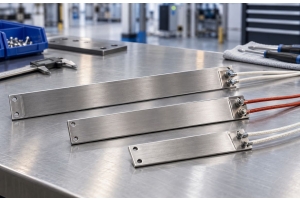
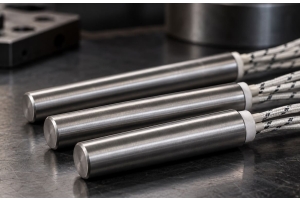
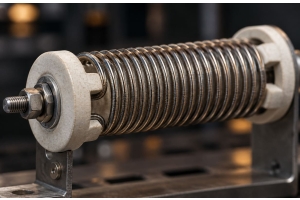
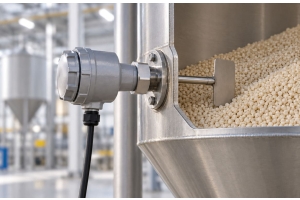
Are you experiencing problems with unstable temperatures during the production process or abnormal operation of heating equipment? These issues can be resolved by using a Tubular Heater, which is a high-efficiency industrial heating device. SCMA is an authorized distributor and provides comprehensive engineering consulting services. This article will guide you through the working principles, types, and maintenance methods, so that you can choose and use the heater appropriately for your factory's needs.
What is a Tubular Heater?
A Tubular Heater, or Tubular Heater, is an industrial heating device made by enclosing a heating coil inside a metal tube such as stainless steel or copper, covered with densely packed magnesium oxide powder. This type of equipment can be used to heat both air and liquids, and has the advantage of flexibility, allowing it to be bent into various shapes to fit the application requirements perfectly.
Working Principle of Tubular Heater
The working system of a Tubular Heater starts with supplying electricity through the resistance wire at the core. The generated heat energy is transferred through the magnesium oxide insulation to the outer tube casing. This process helps to quickly and safely transfer the temperature to the air, liquid, or product mold for the user.
How many types of tubular heaters are there?
Based on the experience of SCMA's engineering team, tubular heaters (Tubular Heater) can be categorized into 3 main types according to their usage characteristics and forms, in order to accommodate a wide variety of heating processes in industrial factories.

Immersion Heater
Immersion Heater is designed for direct immersion into liquid. It is commonly used for boiling water, heating chemicals, or maintaining temperature levels in storage tanks. Installation options include threaded mounting attached to the tank or flange type for large-scale machinery.

Finned Tubular Heater
Finned Tubular Heater is formed by shaping round tubular heaters and attaching fins along the entire length. The metal fins help increase the surface area for heat transfer, allowing hot air to distribute evenly. It is suitable for installation in dry ovens or air heating systems.

Duct Heater
Duct Heater is a specialized device designed to be installed inside the air ducts of an air conditioning system. It produces hot air to control the temperature inside buildings, effectively reducing accumulated moisture in large enclosed spaces.
Maintenance of Tubular Heaters
Extending the lifespan of tubular heaters requires proper care. The expert team from SCMA recommends the following detailed inspection and maintenance guidelines.
Initial Inspection and Maintenance
Users must ensure the liquid level does not fall below the position of the immersion heater to prevent the tube from burning through. Regularly clean the scale deposits that accumulate on the tube surface, as these deposits act like thermal insulation, forcing the heater to work harder than necessary.
Electrical System and Installation Care
The electrical wire terminal connection points must be completely dry and securely tightened to prevent issues such as electrical leakage or arcing. Regularly check the operation of the temperature control sensor (Thermostat) to prevent overheating problems.
Usage Precautions
It is strictly prohibited to modify or bend the standard round tubular heater by yourself, except for models specifically designed for such use. If using thin tubes such as quartz tubes, be especially cautious of impact forces to prevent damage to the external structure.
Application of Tubular Heaters
With its durable properties and ease of reshaping, the Tubular Heater has become a versatile device that meets the needs of variousindustrial tool product groups
Liquid Heating (Immersion Heater)
In the food industry, metal plating, or chemical product factories, theImmersion Heater can be installed by directly submerging it into the liquid container, in order to increase and control the temperature of lubricating oil, as well as maintain the temperature of chemicals at an appropriate level, making them ready for use in the next production process
Air Heating
For automotive part painting or moisture removal processes, the tubular heater is often shaped into a U-form and combined with a fan to create a hot air blowing system. ChoosingTubular Heater with fins will help increase the heat transfer surface area, allowing faster heat transfer and distribution into the air
Used as a Dehumidifying Heater in Air Conditioning Systems (Duct Heater)
Large buildings, hospitals, or department stores that require strict environmental control will install this type of heater in the duct air conditioning system. The system will operate to remove excess moisture and create a standard climate according to the requirements of the location
Advantages of Tubular Heaters
Choosing to use a Tubular Heater provides long-term investment value. This device has the following advantages over other types of heating systems.
High Flexibility in Installation
Tubular Heaters can be shaped in various forms, such as U-shape, W-shape, or circular, according to the requirements of each application. The flexibility in shaping allows engineers to design and position the installation appropriately to fit the space and constraints within the machinery.
Even Heat Distribution
The innovation of densely packing thermal insulation powder inside the tube helps the heat transfer from the wire core to the metal surface to be efficient and even, resulting in a stable temperature on the heater surface. Even heat distribution is an important factor that helps the baking process to consistently control the quality of each product.
Produced from Durable Industrial-Grade Materials
The outer casing of the heater is made from high-quality metals such as Stainless Steel 304, Stainless Steel 316L, or Titanium. These materials have properties that are resistant to chemical corrosion and oxidation reactions, resulting in a long service life of the equipment.
Accurate Integration with Temperature Control Systems
This type of heater can be seamlessly connected to a control panel or thermostat. The precise industrial heating system will help save electricity, prevent damage from excessive heat beyond standard limits.
How to Choose Tubular Heaters
To select a tubular heater (Tubular Heater) that achieves maximum performance, it is necessary to evaluate based on the actual working environment, considering the following engineering principles:
- Analyze Usage Characteristics : If used with chemicals, choose the I-Series Steam Boiler Heater with corrosion-resistant tube material. If used for hot air blowing, select a model with heat dissipation fins for maximum efficiency
- Inspect Shape and Installation : Evaluate the width and length of the tank to determine the shape of the tubular heater that fits. If it is a water boiling application, you can choose a threaded model that can be directly screwed into the tank
- Calculate Engineering Electrical Values : Calculate voltage (V), current (A), and power (W) to match the factory's original electrical system, liquid volume, and the target temperature that needs to be heated
Considerations Before Installing Tubular Heaters
Before installing industrial heating equipment into the production line, the system administrator should check the readiness of the infrastructure to ensure the highest safety for personnel and machinery.
- Prepare a Complete Grounding System : Ensure that the machine's electrical system has proper grounding to prevent electric current leakage to the operators
- Position Sensors Appropriately : Install temperature sensors in appropriate positions to accurately measure the medium's temperature. Avoid installing them too close to the tubular heater, as direct heat from the heater may cause measurement inaccuracies, affecting temperature control performance
- Prepare Necessary Spare Parts : For production processes that cannot stop, it is advisable to keep spare tubular heaters of the same specifications ready to replace immediately in case of emergencies
Summary
Tubular Heater is the core component of the heating process in the industry, covering everything from liquid boiling operations, hot air blowing, to moisture reduction. Choosing appropriate materials combined with proper maintenance will help extend the service life significantly. If you are looking for an accurate heating system solution, SCMA's expert engineering team is ready to provide consultation and design a complete system.
Click here to view the full product catalog
Interested in purchasing or consulting via LINE Official: @SCMA
If you want to buy a tubular heater, you can purchase it from SCMA today!
Using non-standard industrial heating equipment may cause serious negative effects on the production line, resulting in huge cost losses. SCMA, a leader in industrial technology solutions, is ready to supply high-quality tubular heaters (Tubular Heater) in all forms. We offer the "Project & Solutions" service, providing consultation, design, and installation by expert engineering teams. Contact us today to enhance the performance of your factory.
Frequently Asked Questions
Can the tubular heater be shaped on-site by oneself?
It is not recommended to shape it on-site by oneself. You should inform the desired shape, such as a U-shape or spring coil, during the ordering process to prevent the outer tube from cracking.
What is the average service life of a tubular round heater?
If used according to the specifications and cleaned regularly to remove scale buildup, a tubular heater can have a long service life of several years, depending on the environment.
Can an immersion heater be used for oil?
It can be used for heating oil, but you must inform the manufacturer to calculate the appropriate watt density (Watt Density) per square centimeter to prevent oil from burning and sticking to the tube surface.
Why do tubular round heaters often crack or break?
The main cause is allowing the liquid level to be lower than the heater or having excessive scale buildup, as well as using wattage that does not match the job requirements.
How can customers order tubular heaters from SCMA?
Customers can contact SCMA's sales engineering team to provide on-site details, size, and voltage. The team will assess and design the most suitable heater for your needs.