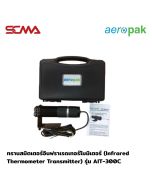
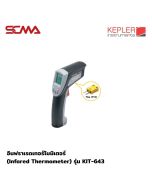
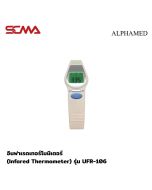
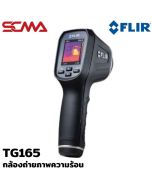
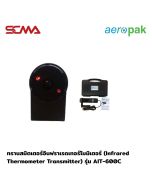
Infrared Thermometer, or Infrared Temperature Sensor, is a scientific tool that uses infrared radiation technology to measure temperature from a distance without touching the object. Did you know that this infrared thermometer can provide high accuracy and be versatile in every industry? This article will introduce you comprehensively to laser thermometers, infrared thermometers, and temperature scanners, including their working principles, types, advantages, and purchasing recommendations to help you make the right decision.
Infrared Thermometer (Infrared Temperature Sensor) is what?

Infrared Thermometer is an infrared temperature sensor that can measure the temperature of objects from a distance without touching them. This laser thermometer uses the principle of detecting infrared radiation emitted from the surface of the object, making it suitable for measuring very hot, moving, or dangerous objects. Infrared Thermometer provides instant measurement results and is widely used in industries, factories, laboratories, and even households. This temperature scanner is an efficient temperature sensor that should be available.
What are the components of an Infrared Thermometer?
An Infrared Thermometer consists of several important parts that work together to enable accurate temperature measurement.
- Lens - It gathers infrared radiation from the target object into the thermometer. The higher quality the lens, the more precise the temperature reading will be.
- Infrared Sensor - This is the heart of an Infrared Thermometer that converts infrared radiation into electrical signals, allowing the thermometer to measure temperature.
- Processing Unit - It amplifies and translates signals from the sensor into readable temperature values on an Infrared Thermometer.
- Display Screen - Shows the temperature measured by a Temperature Scanner in both Celsius and Fahrenheit units.
- Laser Pointer - Some models of Infrared Thermometers have a laser pointer to help aim at the target, making temperature measurement more accurate.
- Battery - The power source for an Infrared Thermometer, allowing it to be portable and easy to use.
How Does an Infrared Thermometer Work?
An Infrared Thermometer works based on the principle of black body radiation. Every object with a temperature above absolute zero emits infrared radiation. An Infrared Thermometer can detect this radiation and convert it into temperature values. The thermometer uses an infrared sensor to receive radiation emitted from the surface of objects. It then processes and displays the temperature immediately. This type of thermometer is ideal for measuring in dangerous areas, moving objects, or extremely hot surfaces. Infrared Thermometers make temperature measurement easy and safe.
How Many Types of Infrared Thermometers Are There?
Infrared thermometers come in various types based on their usage. Each type is suitable for different tasks, making them versatile and widely available.
Spot Infrared Thermometer
Infrared thermometer of the spot type resembles a gun and measures temperature with a single shot. It is easy to use with one hand, making it ideal for measuring specific points that require attention. This portable Infrared Thermometer is affordable and popular in maintenance and general inspection work.
Infrared Thermal Imaging Camera
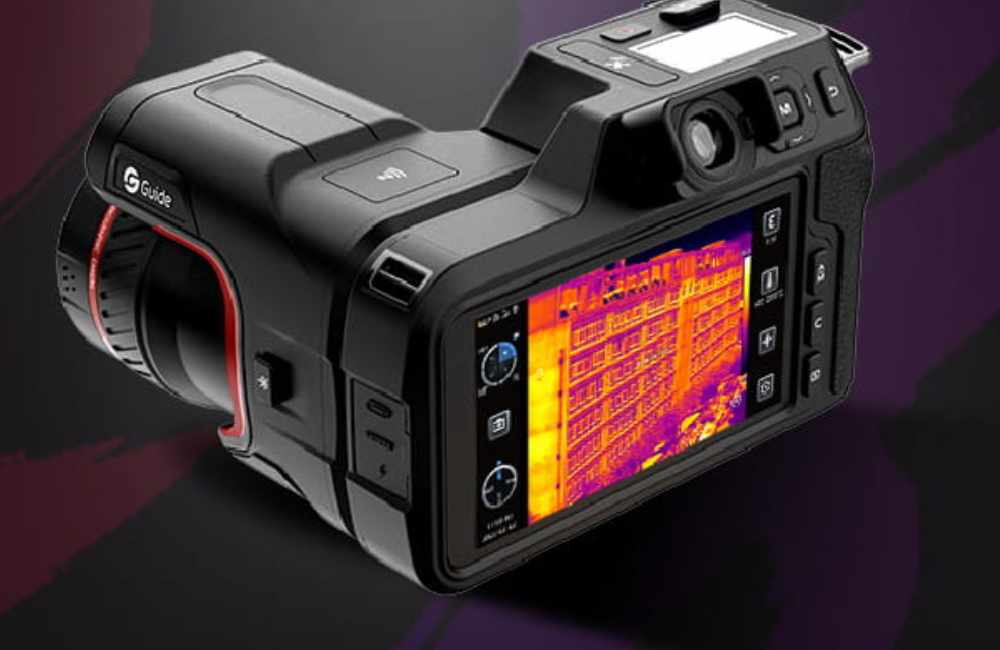
A thermal imaging camera displays temperature distribution in a two-dimensional image format, making it suitable for detecting abnormal hot spots or heat leaks. This type of Infrared Thermometer usually comes with thermal image analysis software.
Infrared Scanner System
An infrared scanner system is a large automatic temperature scanning device for industrial use, ideal for inspecting products on continuous production lines. This type of Infrared Thermometer helps in efficiently controlling quality.
Why Use an Infrared Thermometer? What Are the Benefits?
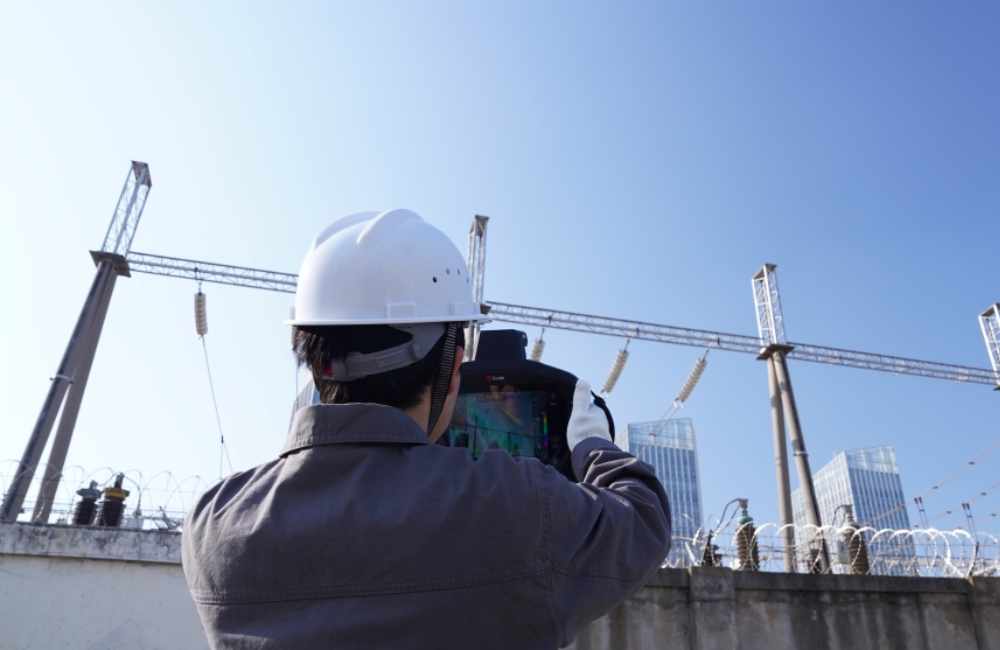
Infrared thermometers have several advantages over traditional contact thermometers, making them essential tools in many industries.
- Remote measurement capability - Infrared thermometers measure temperature without touching the object, ensuring safety from heat and preventing contamination. They are ideal for measuring hazardous objects.
- Fast and accurate results - The thermometer provides immediate readings, saving time during inspections.
- Versatile use - Infrared thermometers can measure both solid and liquid surfaces as well as hard-to-reach areas. They are widely applicable.
- Convenient and efficient - Temperature scanners are easy to use, portable thermometers, making them suitable for large-scale inspections.
What are the benefits of an Infrared Thermometer?
Infrared Thermometers have many advantages in electrical work, maintenance, and food industry. The infrared thermometer is an essential tool.
1. Can measure temperature from a distance
The non-contact temperature measurement allows for measuring temperatures without approaching dangerous objects. Infrared Thermometers are suitable for measuring extremely hot surfaces or hazardous chemicals, preventing contamination in the food industry. The infrared thermometer makes temperature measurement safe and clean.
2. Can measure moving objects
Infrared thermometers can measure temperatures of parts that are rotating or moving, making them ideal for checking machinery while in operation. The temperature scanner allows monitoring without stopping the machine, thus not affecting production processes.
3. Memory function
Modern Infrared Thermometers have memory to store multiple measurement values, eliminating the need for immediate note-taking. The infrared thermometer allows reviewing past data to analyze temperature trends.
4. Compact size, lightweight, and durable
Infrared Thermometers are small and easy to carry but also robust and durable. The infrared thermometer is suitable for field work and can be used in various environments, making it a worthwhile investment.
Factors to Consider When Choosing an Infrared Thermometer
Choosing the Right Infrared Thermometer involves considering several factors. Each model of infrared thermometer has different features, so it's important to choose one that meets your specific needs.
Accuracy
Accuracy is a crucial factor in an Infrared Thermometer, especially for high-precision work. A good thermometer should have an error margin of no more than ±1-2%. High-quality infrared thermometers provide reliable readings.
Temperature Range
The temperature range of the infrared thermometer must cover your application needs. Some models can measure from -50°C to 2000°C, while general-purpose temperature scanners may have a narrower range. Choose a thermometer that fits your specific work requirements.
Emissivity
Emissivity is the value of an object's radiation that affects the accuracy of infrared thermometers. Some models allow adjustment of this setting, making them more accurate for measuring different materials.
Distance to Spot Ratio (D:S)
The D:S ratio indicates how far an infrared thermometer can measure compared to the size of the area being measured. Thermometers with a high D:S ratio can accurately measure small spots from long distances. General-purpose thermometers typically have a D:S ratio of about 12:1.
Response Time
Response time refers to the speed at which an infrared thermometer displays results. Faster response times are better for checking multiple points. High-quality infrared thermometers display results in as little as 0.5 seconds.
Display
The display of an infrared thermometer should be easy to read, with a backlight for dark environments. Some models have color displays that show multiple data points simultaneously.
Battery Life
Battery life is important for temperature sensors. A good infrared thermometer should operate continuously for 10-15 hours or have an automatic power-saving system.
If you are looking for "High-Quality Infrared Thermometer", think of SCMA!
High-quality infrared thermometers are essential tools for quality control and safety.SCMA sellsinfrared temperature measuring devices from leading brands. We offer a variety of models, from affordable laser-pointing thermometers to professional-grade infrared thermometers. Our infrared thermometers come with calibration certificates and comprehensive after-sales services, including infrared thermometers, temperature scanners, temperature meters, and infrared thermometers to meet all your needs.
Summary
Infrared thermometers are modern and highly efficient temperature measurement tools that can measure temperatures from a distance without touching objects, making them safe and convenient to use. Infrared temperature measuring devices come in various types, ranging from portable models to large-scale automatic systems. Choosing the right infrared thermometer involves considering several factors such as accuracy, temperature range, and special features.SCMA is ready to be your partnerin infrared thermometers with quality products and comprehensive services to ensure you are confident in every temperature measurement.
Frequently Asked Questions
What is an Infrared Thermometer?
An Infrared Thermometer, also known as a non-contact thermometer, detects infrared radiation emitted by objects and converts it into temperature readings. This type of thermometer can measure temperatures from a distance without touching the object. An Infrared Thermometer is ideal for measuring hot, moving, or dangerous objects. It provides quick and accurate results and is widely used in industries.
How does an Infrared Thermometer work?
This type of thermometer works by receiving infrared radiation through a lens, which then passes to the temperature sensor. The infrared thermometer converts the radiation into an electrical signal, and the processing system calculates and displays the temperature on the screen. Infrared thermometers use the principle of Black Body Radiation, where all objects emit radiation according to their temperature. Therefore, infrared thermometers can measure temperatures without contact.
How does an IR Thermometer work?
An Infrared or IR Thermometer detects the infrared radiation emitted by objects according to their temperature. The thermometer uses a special sensor to receive this radiation through a lens that focuses the light. An infrared thermometer converts the radiant energy into an electrical signal proportional to the temperature, and the processing system calculates and displays the reading in Celsius or Fahrenheit degrees. Thus, the temperature measurement is immediate without waiting.
How do you measure temperature correctly with an Infrared Thermometer?
To use an infrared thermometer correctly, aim the device perpendicular to the surface of the object and maintain a distance according to the D:S ratio of the thermometer. Avoid steam, dust, or smoke that may obstruct radiation. Adjust the emissivity setting on the temperature scanner to match the material being measured. Press the measurement button and wait for the reading to stabilize. Some models have a laser pointer as a reference point but not necessarily the measuring spot.