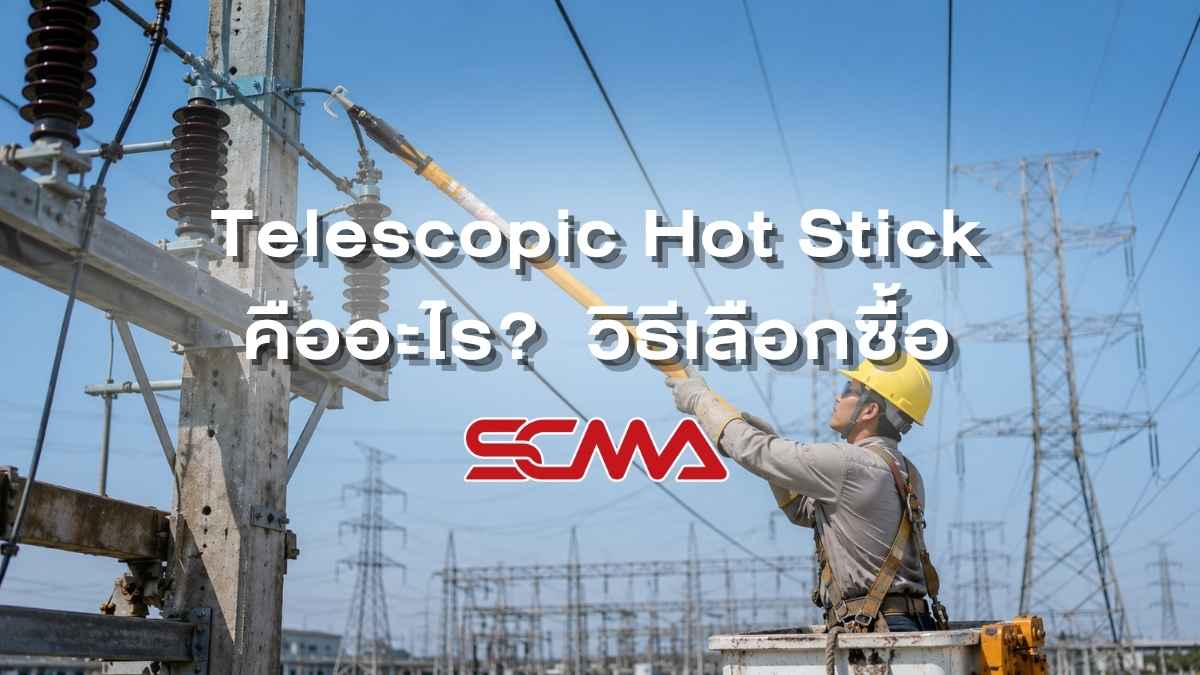
Have you ever wondered how to start working with high-voltage electrical systems as safely as possible? Telescopic Hot Stick, or the sliding fuse pole, is a crucial answer that helps protect electricians from danger. As an industrial tool expert, SCMA is ready to provide consultation and sell standardized equipment. This article will guide you through understanding how it works, selecting tips, and maintenance guidelines for maximum longevity.
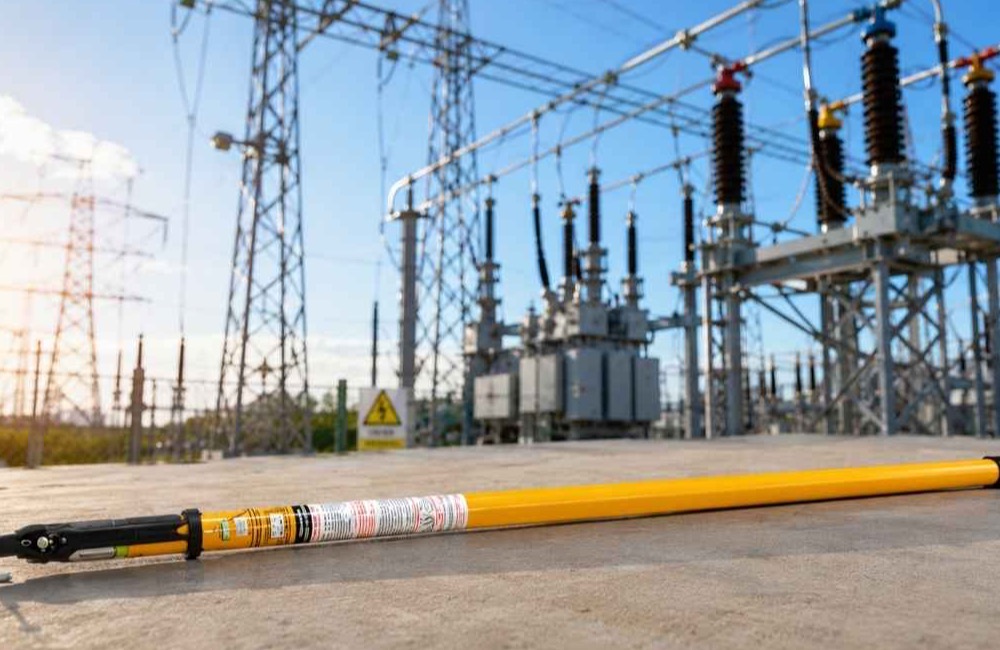
What is a Telescopic Hot Stick?
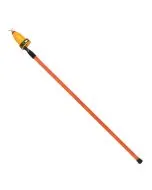
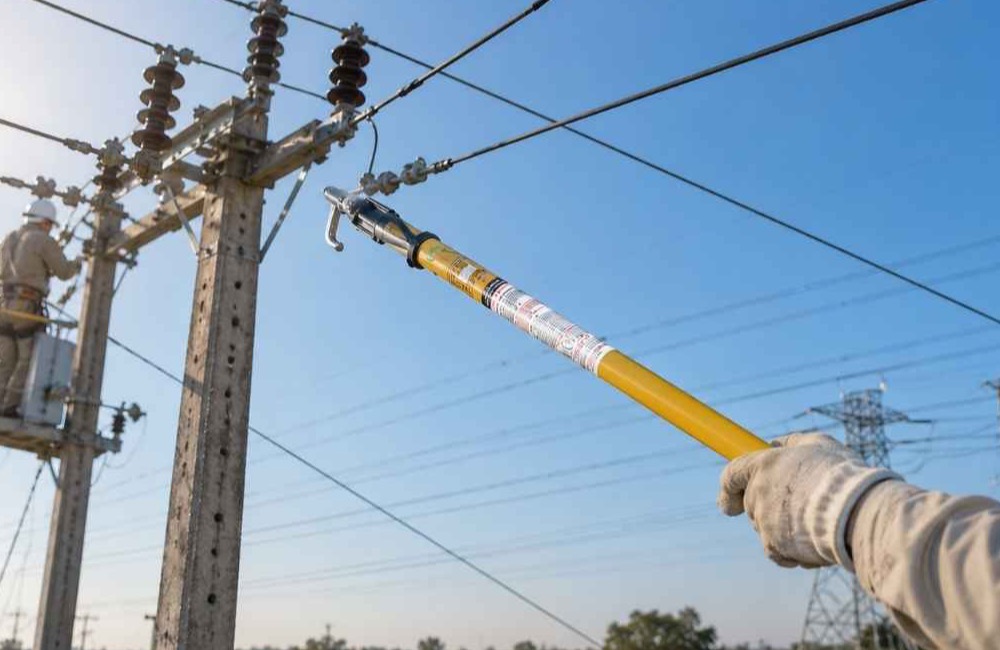
Telescopic Hot Stick, or what Thai electricians commonly call "sliding fuse pole," is an insulated safety tool specifically for high-voltage electrical work. The stick is made of high-quality fiberglass or composite material that withstands electrical voltage, designed to extend and retract like a radio antenna in multiple sections. It is used for safely removing and replacing fuses, switching off circuit breakers, or disconnecting electrical equipment from a distance.
How Telescopic Hot Sticks Work
Understanding the working principle of telescopic fuse sticks is crucial for operators to apply them correctly in real-world situations. The basic mechanism of this equipment focuses on creating a safe distance between people and high-voltage points.
Telescoping Mechanism (Extendable Design)
The stick is made from composite or fiberglass material, which is lightweight yet durable, divided into sections with gradually decreasing diameters. Electricians can extend the sections to increase working length according to pole height and then securely lock each section in place.
Remote Operation (Safe Distance)
This extended design allows electricians to work comfortably from the ground or a bucket truck, reaching high-voltage points without needing to get close to dangerous areas. This mechanism effectively maintains safe electrical distances as per international safety standards.
Multipurpose Tool Heads (Threaded Tip)
The top end of the handle is designed with a standard industrial metal thread or locking head, used for attaching disconnecting hooks, fuse cutouts, or other specialized tools. Users can quickly and conveniently change tool heads to match the type of work they are dealing with.
Excellent Electrical Insulation Properties
All handle materials must undergo rigorous electrical property testing at the factory. This insulation prevents electric current from leaking back to the operator when the stick tip touches high-voltage wires, ensuring maximum safety throughout every step of operation.
How Many Types of Telescopic Hot Stick Are There?
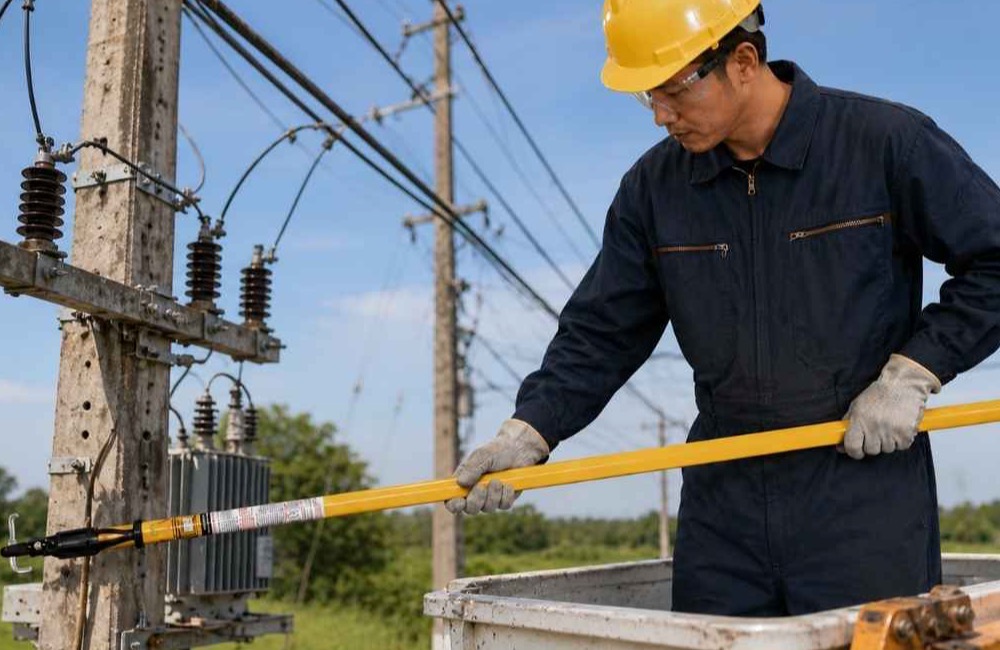
The telescopic hot sticks that electricians commonly use today are mainly divided into two types based on the locking mechanism when extending. Users should choose a type they are comfortable with to ensure quick operation.
Button Lock Type
This fuse stick controls its length by using hidden button locks in each section. When pulling out the sections, once it reaches a certain length, the buttons automatically pop out and lock into place. This mechanism ensures that the joints are securely locked, preventing them from collapsing during forceful operations like switching fuses.
Twist Lock Type
This type allows users to freely adjust its length without relying on button locks' spacing. It works by twisting and unlocking each section to extend it. Once the desired length is achieved, twist back to lock in place. This model offers high flexibility for adjusting lengths according to actual working conditions.
Maintenance of Telescopic Hot Stick
Proper maintenance of insulated tools is non-negotiable as it directly impacts the safety of workers. The following checklist will help maintain the insulating properties for a longer period.
1. Cleaning
The user must clean the telescopic stick after each use by wiping it with a clean cloth soaked in Isopropyl alcohol along its length to remove dust or oil residues. Harsh chemicals such as thinner should never be used, as they can damage the surface coating and reduce insulation values.
2. Proper Storage
After drying the equipment thoroughly, it should be stored in a padded carrying bag or a specially designed rigid PVC tube. Proper storage should place the stick horizontally on multiple support points to prevent bending or bowing from prolonged weight pressure.
3. Pre-Use Inspection
Before starting work each time, technicians must conduct a thorough external inspection for cracks, deep scratches, or dents along the fiberglass surface. Then test the extension and retraction mechanism as well as the locking buttons of every joint to ensure they are functioning properly without any jamming or looseness.
4. Periodic Dielectric Testing
Even with good maintenance, users should send tools for laboratory dielectric testing (Dielectric Test) at least once every 1 - 2 years. This standard equipment test confirms the material's effectiveness and ensures maximum safety before returning to use in high-voltage electrical systems.
Usage of Telescopic Hot Stick
In addition to de-energizing high-voltage equipment, telescopic insulating sticks are versatile tools for electrical distribution system maintenance. Proper application enhances both efficiency and safety for on-site technicians.
De-energizing High-Voltage Equipment
The primary function is to use it to open or close fuse cutouts (Fuse Cutout) or disconnecting switches (Disconnecting switch) on utility poles. Electricians will use the hook at the end of the stick to pull out the equipment loop to cut off power before maintenance work, ensuring a safe and standard operating procedure.
Connecting with Voltage Detectors
Operators can attach voltage detectors (Voltage Detector) to the standard threaded tip of the stick. Extending this tool close to the target wire helps electricians determine if there is any residual or leaking current in the system, which is a crucial step before touching equipment.
Installing Specialized Tools
The telescopic handle serves as a long arm that supports attachment with universal sunrise heads (Universal Sunrise Head). Electricians can use it to install wire brushes, nut drivers, or insulator cup cleaning tools. This makes difficult-to-reach maintenance tasks easier.
Increasing Working Range for Live-Line Work
In cases where live-line work is necessary without power interruption (Live-line working), the fuse stick acts as top-level protection. The length of the telescopic handle maintains a safe distance, preventing high-voltage current from jumping across air and harming workers on bucket trucks.
Advantages of Telescopic Hot Stick
The most prominent advantage of Telescopic Hot Stick is its portability for off-site use. It can be retracted to a shorter length like an antenna, saving space in vehicles. The equipment also offers high flexibility as it can adjust its length according to the height requirements at each work site. Made from premium fiberglass, it provides the highest level of safety.
How to Choose a Telescopic Hot Stick
Investing in safety equipment requires careful consideration to ensure you get the right tool for your specific needs and one that will last. The checklist below outlines the criteria recommended by engineers when selecting telescopic hot sticks.
- Appropriate Length: Choose a length that covers the height of the poles in your area of responsibility.
- Material Standards: Must be made from fiberglass reinforced epoxy that meets international insulation testing standards.
- Locking Mechanism: Select either Button Lock or Twist Lock based on the preference of your field technicians.
- Weight: Should be lightweight to allow for accurate aiming without causing fatigue.
- Standard Connector: The tip should have a Universal Head to accommodate various tool attachments.
- Warranty: Choose models that come with electrical testing certification and warranty from the supplier.
Safety Precautions When Using Telescopic Hot Sticks
Working with high voltage electricity carries significant risks. Therefore, users must strictly adhere to safety precautions when using Telescopic Hot Sticks to ensure a safe working environment for everyone.
- Wear Protective Gear: Always wear insulating gloves, leather outer gloves, and hard hats.
- Maintain Safe Distances: Strictly adhere to electrical safety distance rules (Minimum Approach Distance).
- Avoid Adverse Weather Conditions: Do not use telescopic hot sticks during heavy rain, thunderstorms, or high humidity conditions.
- Do Not Overload the Tool: Never use insulated tools for prying objects or lifting weights beyond what is specified by the manufacturer.
- Grip Position: Both hands must always grip below the safety limit mark on the lower section of the stick.
Summary
In summary, the Telescopic Hot Stick, or extendable fuse pole, is a life-saving tool that high voltage electricians cannot do without. Understanding how to use it, maintain it, and select the right one according to a checklist will help ensure maximum safety in operations. If you are looking for internationally certified safety equipment, SCMA is ready to partner with you to provide consultation on finding the best industrial measuring tools for your needs.
If you want to buy Telescopic Hot Sticks, SCMA is available now!
Holding insulated safety equipment that meets certified standards is the most worthwhile investment to protect your team's lives. As experts in electric measuring and testing tools services, SCMA is happy to provide consultation on selecting the right extendable fuse pole for your specific job site needs. Customers can browse our full range of products or specifically go to the category Hot Sticks and Tools to experience premium quality immediately.
Frequently Asked Questions
How much voltage can the Telescopic Hot Stick withstand?
It can withstand up to 100kV per foot (as per international standards), depending on each model's specifications. Users must always refer to the High Voltage Safety Guide for Working with Electrical Lines for detailed information.
Is it necessary to clean the fuse pole every day?
We recommend cleaning it immediately after each use with Isopropyl alcohol to prevent dirt buildup that could become a conductor on the surface material.
If there is a slight crack in the fiberglass handle, can it still be used?
It must not be reused under any circumstances. Even minor cracks may allow moisture intrusion, causing the equipment to lose its insulating properties and potentially leading to life-threatening hazards.
Which type is more durable: Button Lock or Twist Lock?
Both types are highly durable if maintained properly. The button lock provides a secure locking sensation, while the twist lock offers greater flexibility in adjusting lengths as desired.
Where can I find more detailed information about Hot Sticks?
In addition to the information on the SCMA website, interested individuals can also study articles from abroad regarding What is a hot stick? to enhance their technical knowledge.