Infrared heater or Infrared heater, is this the equipment you're looking for to enhance your production line efficiency? This article will guide you through understanding how Heater Infrared works, its types, and help you choose the most cost-effective option to save energy. If you need an expert's advice, you can contact our SCMA System Design & Consultancy Services immediately.
What is an Infrared Heater? Why is it more energy-efficient than conventional heaters?
Understanding the differences in heating systems can help factories save a significant amount of costs. TheInfrared heater (or Infrared heater) works on the principle of radiative heat transfer, which differs from conventional heaters that require an intermediary like air to carry heat. When an Heater Infrared emits radiation, energy is directed straight towards the target object without much loss in the air, making it clearly more energy-efficient.
How Infrared Heaters Work: Direct Heat Transfer to Objects Without Air
To visualize this clearly, imagine the warmth you feel when sunlight hits your skin. Infrared heaters work on a similar principle by emitting electromagnetic waves in the infrared spectrum. When an object receives these waves, molecules within the object vibrate and generate heat internally. You can learn more about infrared heater technology from ScienceDirect's Infrared Heaters Knowledge Source. The principle of aninfrared heater allows for quick heating, uniform temperature distribution, and is a technology that meets the high-speed production requirements.
How many types of infrared heaters are there? Which one is suitable for your work?
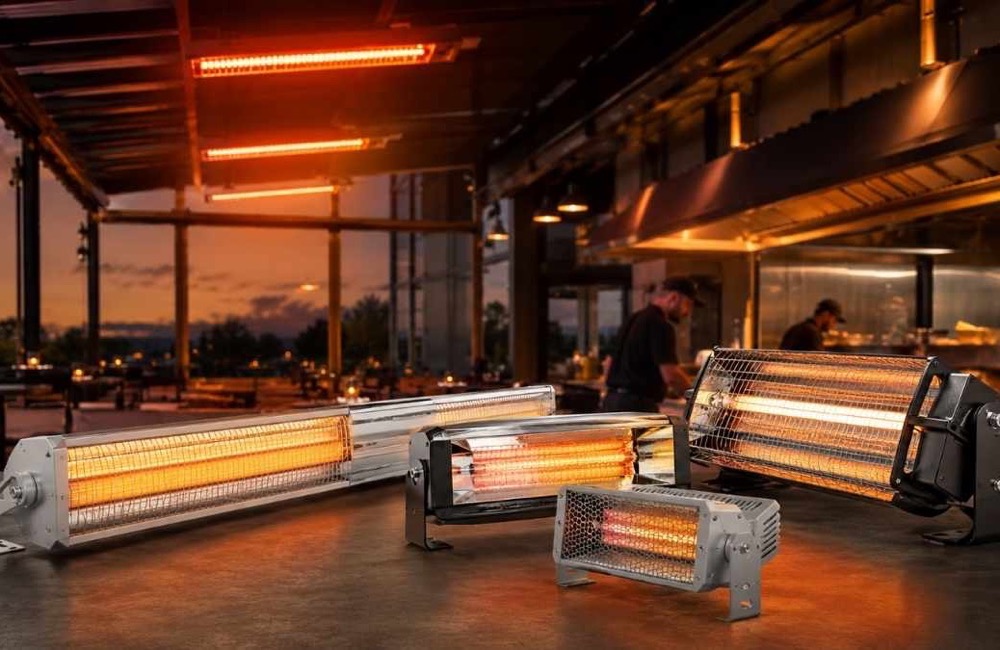
Currently, there are various heating technologies to choose from. Understanding the types of Infrared Heaters will help you utilize Infrared Heater in the most beneficial way.
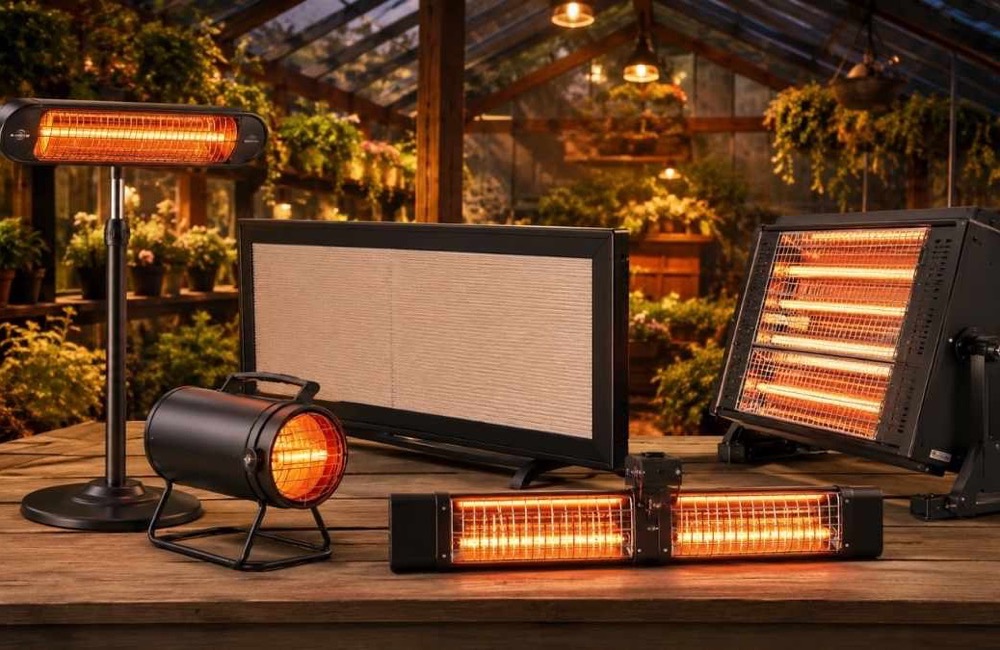
Ceramic Infrared Heater: Durable and Provides Constant Heat
The Ceramic Heater, or Infrared Heater with a ceramic housing, stands out for its chemical resistance and moisture tolerance. This type provides constant heat over long periods, making it ideal for paint drying rooms or processes that require the Heater Infrared to run continuously throughout the day.
Quartz Tube Infrared Heater: Fast Heating Suitable for Time-Sensitive Work
The Tubular Heater, a type of Infrared Heater that uses heating coils enclosed in quartz glass tubes, is known for its quick temperature rise upon switching on. This makes the Infrared Heater tube model suitable for plastic industries, bottle blowing work, or packaging equipment that emphasizes speed.
Panel Infrared Heater: For Large Areas
For applications requiring wide-area heat distribution, installing a Infrared Heater panel is the right choice. The large metal plate structure of this type of Heater Infrared helps evenly transmit infrared radiation to cover the surface area of workpieces.
Comparison Table of Pros and Cons for Each Type of Infrared Heater
To aid in decision-making, our engineering team has summarized the features of each type of heater in a table format. You can find additional information on heating basics at the Industrial Heater Ultimate Guide.
| Type of Heater | Temperature Response Speed | Durability / Lifespan | Average Price Range |
| Ceramic | Slower (Long Warm-Up Time) | Very Durable, Resistant to Humidity | Moderate to High |
| Quartz Tube | Fast Response Time | Average (Handle with Care) | Economical to Moderate |
| Panel | Moderate | Durable, Good Heat Distribution | Relatively High |
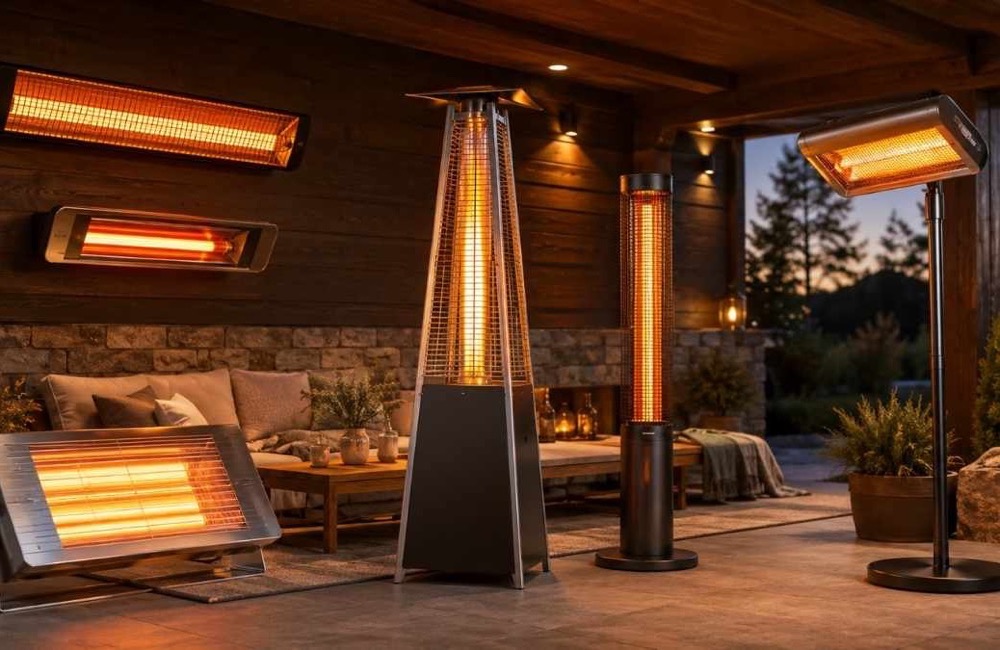
Applications of Infrared Heaters in Various Industries
Radiant heating technology is widely used in factories. We will provide examples of the application of Infrared Heaters to clearly illustrate how they work.
- Food Industry: Use Infrared Heaters in baking ovens, drying fruits, and warming food for sterilization purposes. The radiation ensures even heat penetration into the food.
- Automotive Industry: Car paint booths use Heater Infrared to speed up the drying process of paint, reducing working time, and preventing dust from settling on workpieces while waiting for the paint to dry.
- Plastics and Packaging Industry: Use Tubular Heaters in plastic molding machines, PET bottle blowers, and shrink film sealers that require high heat in short periods of time.
- Agriculture and Livestock: Farms use Infrared Heaters installed to provide warmth for chicks and piglets without overly drying out the air inside greenhouses.
How Much Do Infrared Heaters Cost? Factors Affecting Price
Many people inquire about the Infrared Heater price, wondering what level of investment is required. The main factors determining the cost of Infrared Heaters include materials such as ceramic or quartz tubes, and wattage directly affects the price; higher watts mean a proportionally higher price. Choosing a reputable brand from a reliable Infrared Heater distributor may be slightly more expensive but offers better long-term value in terms of longevity. You can read about the basics of this type of heating equipment at Infrared Heaters (Infrared Heaters) What Are They and How Do They Work?
Selecting the Most Suitable and Cost-Effective Infrared Heater
Selecting an Infrared Heater requires considering several engineering factors. The SCMA team offers guidelines for selecting Infrared Heaters to ensure you get a device that fits your budget.
Select the Type That Matches Your Usage
Consider the nature of the work first. If quick heating is required, use a Tubular Heater. For long-term operation, a Ceramic Heater would be more suitable. Clearly defining your requirements narrows down your selection options.
Calculate Size and Wattage (e.g., 1000W) to Match the Area
You need to know the target temperature and heating duration to calculate appropriate wattage. A 1000W heater may be sufficient for a certain area, but if it's larger, you might need to increase the number of units instead.
Consider Materials and Quality of Production
Check the heating coil material, insulation, and wire connections. Choosing products certified by international standards helps prevent electrical short-circuit accidents in factories decisively.
Warranty and After-Sales Service
Look for a company that sells infrared heaters with clear warranty terms. Having an engineering team available for after-sales consultation allows you to quickly resolve on-site issues. If you want more detailed knowledge about system design, you can study the article titled Applying Infrared Heaters in Large-Scale Industrial Systems immediately.
Caution for Safe Installation and Usage
High heat comes with safety risks, so the installation of Infrared Heater requires carefulness. Users of Heater Infrared should follow these recommendations:
- Safe Distance: Maintain a safe distance between the Infrared Heater and the workpiece as specified in the manual to prevent objects from overheating, melting or catching fire.
- Electrical System Inspection: The wiring connected to the Infrared Heater must be high-temperature resistant. Circuit breakers should support sufficient current for the total load.
- Cleaning and Maintenance: After turning off the device until it cools down, use a clean cloth to wipe dust from glass or ceramic tubes to prevent burning and obstructing radiation emission of the equipment.
Summary
The Infrared Heater is considered technology that meets modern industrial needs with fast and energy-efficient heating. Choosing an appropriate Ceramic Heater or Tubular Heater can clearly enhance production efficiency. If you are evaluating the Infrared Heater price to find a stable system, please consider our system design and consultation services from SCMA, which provide comprehensive support.
If you want to purchase, you can buy from SCMA today!
SCMA Co., Ltd. is the representative of leading global brands for selling Infrared Heaters. Our team of engineers is ready to evaluate on-site and help you choose the most suitable infrared heater wattage. You can visit our SCMA full product catalog through the SCMA website to find the best heating solution immediately.
Frequently Asked Questions
Do infrared heaters consume a lot of electricity?
They are more energy-efficient than hot air heaters because the infrared radiation directly heats up target objects without wasting energy on the surrounding air.
How do ceramic heaters differ from glass tube heaters?
Glass tube heaters heat up and cool down quickly, providing fast response. Ceramic heaters take longer to warm up but retain heat for a longer period of time more consistently.
Is infrared light harmful to the skin?
The industrial heating infrared radiation is natural thermal waves without any ultraviolet (UV) rays. However, one should be cautious about direct exposure to intense heat.
What is the lifespan of a heater bulb?
If used correctly according to voltage ratings and regularly maintained cleanliness, the average lifespan of heating coils can range from 5,000 to 10,000 hours.
Can I install an infrared heater myself?
It is recommended that a qualified electrician or engineer installs it because proper electrical load calculations and wiring for heat resistance are necessary for maximum safety.