Socket Tester helps screen for abnormalities in certain types of electrical sockets. The engineering team from SCMA, the provider of instrumentation services, will take you through how to read the results and the limitations of the device, as well as cases where it is advisable to have an electrician conduct further inspection.
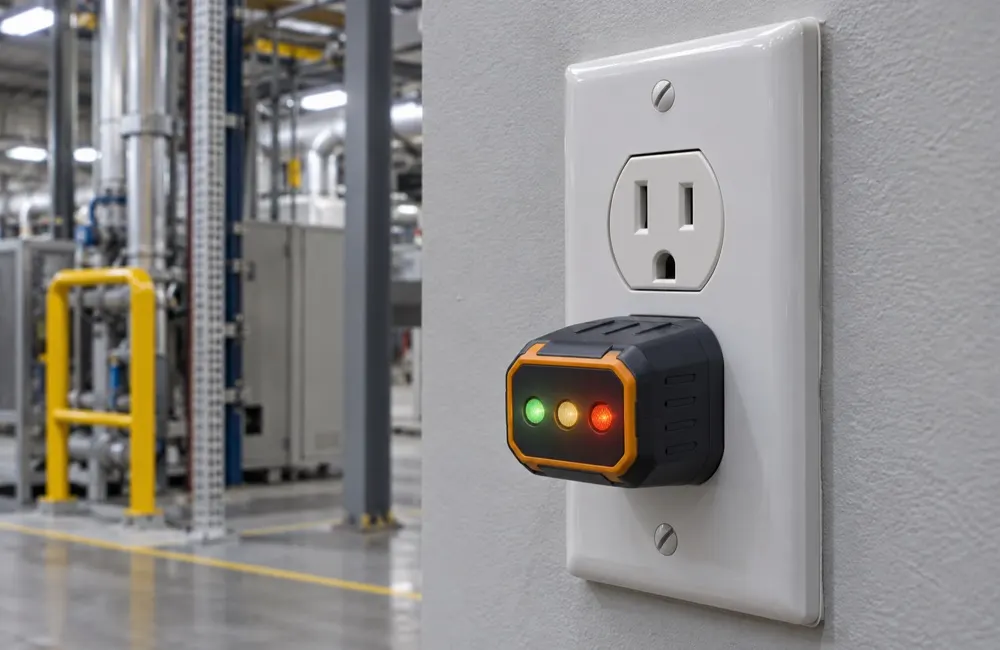
What is a Socket Tester?
A Socket Tester, or electrical socket tester, is a device that plugs into sockets to screen for certain wiring abnormalities, such as missing ground wires or swapped phase and neutral wires. This depends on the model and electrical system. According to the Electrical Safety First manual, results from plug-in testers are only preliminary. Confirming safety must be done through additional testing by qualified personnel.
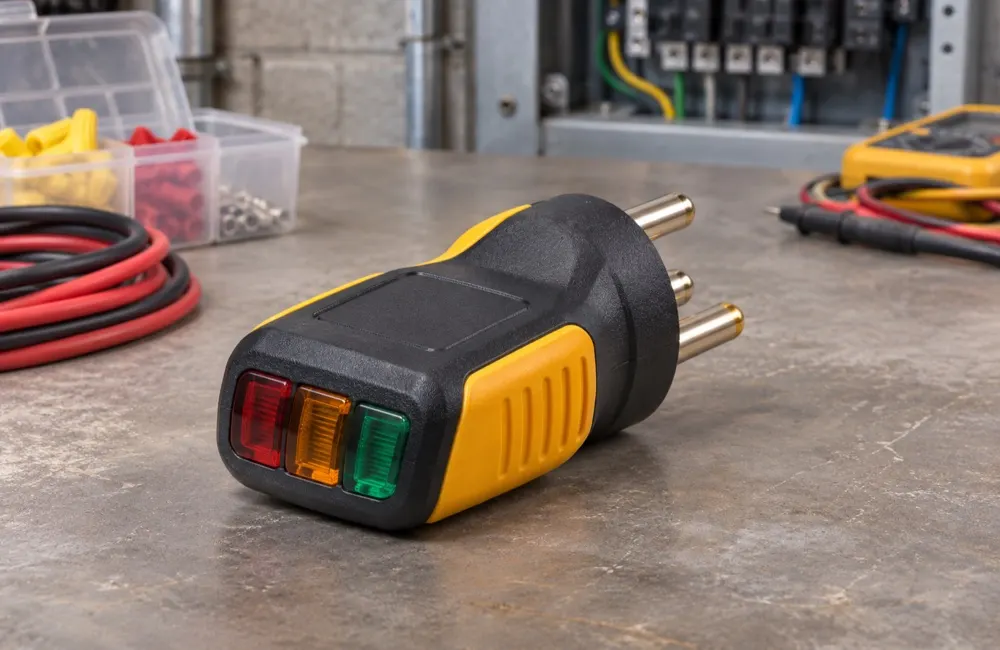
How the Socket Tester Works
The socket tester works by detecting voltage between the Line (L), Neutral (N) terminals, and the Ground (G) terminal. The processing results are displayed via the LED lamp or digital display.
Checking the Wiring Circuit
The LED socket tester shows the LED pattern according to the voltage detected between the terminals. Compare the pattern with the user manual of the model in use. Even if the device shows normal results, there may be abnormalities that the device cannot detect, such as swapping the neutral wire with the ground wire in basic models.
Identifying Wiring Abnormalities
An LED display that differs from the normal pattern may indicate abnormalities, such as swapping phase with neutral or missing ground wire. Check the meaning according to the manufacturer's table and have a technician confirm before making any corrections.
Testing the Residual Current Device (RCD/GFCI)
Models that support RCD testing may supply test current to see if the circuit breaker trips. Check compatibility and follow the manual, as devices connected to the same circuit may trip. Measuring trip time or trip current requires an appropriate RCD tester.

How Many Types of Socket Testers Are There?
Currently, socket testers come in various forms, ranging from basic analog models to digital displays. SCMA recommends the Model K423ST from the brand KEPLER Instruments, which accurately meets the needs of inspection work.
Usage for Detecting Abnormalities
Digital models may display voltage or additional information depending on the model. Check the manual to know what type of wiring errors are detected and what limitations exist.
Processing Speed
This type of tester processes in just a few seconds after plugging in. The display clearly shows the status, helping technicians or general users save time analyzing problems on-site.
Convenience in Portability
With its compact size and light weight, the electrical testing device can be easily carried to various job sites. It is suitable for both professional electricians and homeowners who want to ensure basic safety.
Maintenance of Socket Tester
In order for the socket tester to function accurately for a long time, users should follow basic guidelines. Proper maintenance will effectively extend the lifespan of the device.
Cleaning the Device
Users should regularly wipe the exterior with a dry, soft cloth. It is strictly forbidden to use corrosive liquids or chemical solvents to clean the device, in order to prevent damage to the internal circuit board.
Storing in an Appropriate Location
After use, the device should be stored in a completely dry area. Avoid leaving it in areas with high humidity, extremely high temperatures, or near chemicals that may evaporate and affect the device.
Battery Care
For models that require battery power, if the user expects not to use the device for a long period of time, the battery should always be removed. This method helps prevent battery leakage from damaging internal components.
Checking the External Condition
Before each use, check the plastic structure for cracks or damage. The plug pins must be in good condition and not bent, to prevent electric shock hazards when plugged into sockets.
Using Socket Tester in Industry
According to the experience of the engineering team SCMA, inspecting the electrical system in factories is an important step. Socket testers help reduce the risk of accidents in a tangible way.
Checking the Correctness of Wiring
Technicians use this device to screen socket wiring in the production line, and then use the results together with ground wire checks, terminal checks, and tests suitable for the electrical system.
Measuring Voltage Levels in the System
Some models display the voltage value at the time of insertion. This result is preliminary information about that socket. If assessing the stability of the power source, use appropriate tools and methods for the job.
Testing the Earth Fault Cut-off System for Factories
If confirming the operation of the earth fault cut-off system, qualified personnel should use an RCD tester according to the device type and specified criteria. Buttons on some socket testers are only for preliminary response checks.
Preventing Serious Accidents
Screening helps identify sockets that should be stopped and inspected further. Use in conjunction with condition checks and electrical system tests according to the maintenance plan.
Advantages of Socket Tester
Using a socket tester has many benefits, both in terms of safety and cost-effectiveness. Experts from the article Socket Testers Guide recommend always having this type of device as part of your tools.
Immediate Wiring Inspection
The device provides preliminary results quickly, helping to identify areas that need further inspection by an electrician. A normal result alone does not confirm that the installation meets the standard.
Supports RCD Testing
Some models have a test button to check the response of RCD or GFCI, specifically for use with protective devices and circuits specified by the manufacturer. If the circuit does not trip, it displays the trip time or confirms that it meets the criteria.
Read Preliminary Results from the Manual
The plug-in type helps screen sockets without opening the cover. Use according to the specifications and manual. If abnormal signals or signs of damage are found, stop using it and have an electrician inspect it.
Enhance Safety and Convenience
The device is small and portable, making it usable in any location. It is an important tool for inspecting new homes, checking condominiums, or as a regular tool for building maintenance teams.
How to Choose a Socket Tester
To get a device that meets your needs and is safe, the SCMA team recommends the following important criteria for selecting an electrical socket tester:
If you need a test button, check that the device supports the installed RCD or GFCI type, as well as the voltage and socket type of the system.
Display Type: Choose a model with an LCD digital screen or LED lights that are easy to read and clear.
Voltage Support: Check the measurement range to ensure it supports household or factory electricity according to the standard.
Type of Plug: Select a plug that matches the electrical socket used in the actual location.
Precautions for Using Socket Tester
Although the socket tester is designed for easy use, users must still be aware of basic precautions to ensure maximum safety while performing electrical system testing.
Use this device for preliminary screening. Qualified personnel should use appropriate tools for detailed measurement and verification that there is no voltage before working on the circuit.
Appropriate Environment: Avoid using it when hands are wet to prevent the risk of electric shock.
Read the Manual Before Use: Understand the LED status table of each model before actual testing.
Discontinue Use Upon Damage: If burn marks or cracks on the device are found, replace the device immediately.
Summary
Socket Tester is a tool for screening certain wiring issues in sockets. Follow the manual to interpret the results and use other inspections by qualified personnel when necessary. If you are selecting a measuring tool, SCMA is ready to provide advice on the model suitable for your work.
Interested in purchasing or consulting via LINE Official: @SCMA
If you want to buy Socket Tester, you can purchase it from SCMA today!
Choosing a standardized measuring tool is an investment for long-term safety. SCMA is ready to deliver highly accurate socket testers that meet industrial needs. We are not just a distributor, but a technical partner that designs solutions perfectly suited to your working system.
Frequently Asked Questions
Can the Socket Tester detect broken wires?
The light pattern may indicate the breakage of some wires, depending on the type of fault, model, and electrical system. Therefore, it is recommended to read the manual and have a technician confirm if any abnormalities are found.
Why is the LED light displaying abnormally?
Compare the light pattern with the manual. If any abnormalities are found, stop using the socket and have a qualified electrician inspect it.
How does the digital model differ from the analog model?
The digital model can clearly display voltage values as numbers on the screen, helping to analyze problems more thoroughly than just viewing status lights.
After testing RCD, the light goes off. Is this normal?
Circuit disconnection may be an expected result when using the test mode with compatible protective devices as per the manual. Confirming the trip time and trip current requires appropriate testing.
Can it be used to check extension sockets?
It can be used to screen the sockets of extension cords if the socket type and rating are within the device's range. The results also depend on the original socket and do not confirm the condition of all extension cord sockets.