Band Heater (Tube Band Heater) Is the old heater frequently broken down, causing unstable heating that affects the production line? These problems can be solved by selecting industrial heating equipment from SCMA, the expert in temperature control systems. In this article, our engineering team will take you through a detailed checklist of every aspect of this type of equipment, from the working principle to the purchasing methods that meet real-world usage needs.

What is a Band Heater?
A Band Heater, or as many engineers are familiar with, is a cylindrical heating device designed to wrap around an object to transfer heat directly. This type of equipment is one of the industrial products that SCMA Co., Ltd. (SCMA) distributes to serve factories that require precise temperature control systems. Our engineers have found that this device is very important in maintaining the stability of heat in various types of production processes.

Working Principle of Band Heater
The working principle of the Band Heater starts with supplying electricity to the heating coil inside the device. The electrical energy is quickly converted into thermal energy. Then, the heat is transmitted through the outer metal casing via the conduction process. The heat is evenly distributed to the cylindrical pipe or cylinder wrapped around the outside to reach the set temperature point.
How many types of band heaters are there?
Referring to the experience of the SCMA team in providing advice, we found that there are various types of band heaters (Band Heater) available on the market. They are mainly divided according to the external material to suit the working environment, namely
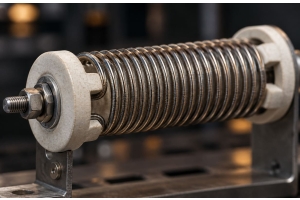
Ceramic Band Heater
This type of band heater is notable for its high heat resistance and is very suitable for industrial work that requires continuous high temperatures. The ceramic structure helps store heat very well, making it energy efficient for long-term operation.
Stainless Steel Band Heater
The stainless steel material provides strong resistance to rust and excellent impact resistance. Most factories prefer this type of Band Heater for clamping plastic injection cylinder barrels, liquid pipelines, or general pipes in the production line.
Brass Band Heater
The highlight of the brass band heater is its excellent heat conductivity. The device can quickly distribute heat and respond rapidly to temperature changes from the controller, making it suitable for time-sensitive production processes.

Maintenance of Band Heaters
Proper maintenance of band heaters is crucial to extending their lifespan and reducing machine downtime in industrial factories. The maintenance engineering team provides the following care recommendations:
Ensure Tight Fit Against the Pipe Surface
Users must always check that the nuts or locking mechanisms are securely tightened. It is strictly prohibited to allow any gaps or air bubbles between the device and the pipe surface. A loose fit can cause localized heat buildup, potentially leading to the internal heating wire breaking.
Check Voltage to Match Specifications
Before starting the machine each time, ensure the power supply matches the specified voltage (Volt) and wattage (Watt) as outlined in the Band Heater's original specifications. Supplying power beyond the rated capacity will immediately damage the equipment. Technicians should regularly use a multimeter to measure these values.
Control Temperature Within Limits
Ensuring that the temperature control device or Temperature Controller is in good condition is extremely important. A well-functioning control system will prevent the band heater from working too hard, thus avoiding temperatures exceeding the safety limit.
Clean the Electrical Connector Terminals
The electrical connection points are frequent trouble spots. The team should regularly dust off and clean any dirt or debris from the terminals. Allowing dirt to accumulate may lead to electrical short circuits, which can be hazardous to the overall system.
Remove Contaminants from the Pipe Surface
The outside surface of the pipe and the inside surface of the heating element must be cleaned to prevent melted plastic residue or other contaminants from accumulating. These contaminants act as thermal insulation, preventing energy from transferring efficiently to the workpiece.
Regularly Inspect for Abnormalities
The system administrator should monitor for any abnormal temperature levels during actual operation, as well as inspect for cracks or damage on the outer metal casing. If even minor signs of damage are detected, consider replacing the part to ensure the safety of the production line.
Application of Band Heaters in Industry
With its consistent heating properties, band heaters are widely applied in various industries, especially in processes that require temperature control of cylindrical objects. The main applications are divided into the following three industries:
Plastics Industry
Band heaters are an essential component in plastic injection molding machines, plastic bag blowing machines, and plastic pellet extrusion machines. This device melts the plastic pellets inside the cylinder into liquid at an appropriate temperature, ready for shaping into products.
Liquid Conveying Industry
In industrial pipeline systems for adhesives, furnace oil, or certain chemicals, it is necessary to use band heaters wrapped around the pipelines to maintain temperature. This heat helps prevent the liquid from becoming viscous or solidified due to cold weather, which could cause blockages within the conveying system.
Packaging Industry
Packaging factories install this type of heater to provide heat to the material delivery nozzles in sealing machines and automatic packaging machines. The precise heat ensures that the packaging seals are tightly closed, aesthetically pleasing, and meet the required standards.
Advantages of Band Heaters
Selecting the right type of heating equipment has a positive impact on business profitability in the long run. Band heaters have several key features that precisely meet the needs of factory engineers, as follows
Uniform heating in all directions
The cylindrical design allows the device to tightly wrap around pipes and tanks. This physical characteristic enables heat conduction in all directions, ensuring uniform temperature across the entire surface of the workpiece
Precise temperature control
Band Heater can quickly respond to commands from the controller to reduce or increase heat. This responsiveness helps maintain the stability of heat in the production process, reducing the risk of damage to the workpiece from fluctuating temperatures
Durable and robust structure
The outer casing made of stainless steel, iron, or copper sheet provides durability against harsh factory environments. The device can withstand high temperatures, has a long service life, and is cost-effective
Easy to install and replace
The housing is designed to conform to the cylindrical shape and comes with a set of locking nuts that can be tightened with common tools. When the device reaches the end of its service life, maintenance technicians can quickly replace it, reducing machine downtime
How to Choose a Band Heater
Ordering heating equipment with incorrect specifications is one of the main causes of production line disruptions. To prevent such problems, the SCMA team has summarized the checklist for correctly selecting a Band Heater as follows:
- Measure Accurately: Users must measure the outer diameter of the pipe precisely. Never estimate with the eye to ensure the tightest possible fit.
- Calculate Heating Area: Measure the width and length of the heater to cover the required area. Absolutely do not leave gaps between the device and the pipe.
- Select Insulation Material Type: Mica heaters are suitable for medium-temperature applications and are cost-effective, while Ceramic Band Heaters are suitable for high-temperature applications and are particularly durable.
- Set the Electrical Power to Match Specifications: Check the voltage (Volt) and wattage (Watt) values to ensure they are compatible with the original machine's electrical system.
- Select the Terminal Type: Consider the wire terminal and cable hole positions to be in a safe and suitable location for the actual working area, without obstructing other components.
Precautions for Using Band Heaters
Although it is an easy-to-use device, factory workers must prioritize safety. The use of Band Heaters has precautions that maintenance engineers must emphasize to the team as follows:
- Size Must Be Perfectly Fit: The outer diameter of the Band Heater must fit snugly around the cylinder. If it is too loose, heat will accumulate inside, causing the heating coil to fail due to excessive heat.
- Installation Must Be Secure: Tighten all clamps and screws securely. If the working area is risky, install an additional layer of heat insulation on the outside to prevent contact-related hazards.
- Use the Control System: Never connect power directly to the heating device. Always connect the wires through a temperature control device to prevent the temperature from exceeding the limit.
Summary
Band Heater is a key component that helps maintain temperature standards in industrial production processes, whether it be plastic work or conveying systems. Choosing the correct size, suitable materials, and proper maintenance will significantly reduce the problem of machine downtime. If your factory is looking for heating equipment or precise temperature control solutions, the SCMA engineering team is ready to provide advice, and design a complete system to ensure the success of your business.
If you want to buy a Band Heater, you can buy it from SCMA today!
Heating EquipmentThe content in this article is filtered from the direct experience of the SCMA team to help entrepreneurs use Band Heater efficiently and safely. SCMA Co., Ltd. is not just an industrial equipment distributor, but we are a technical partner that provides Project & Solutions in a comprehensive manner, from consultation and system design to instrument calibration services, to elevate your production line to international standards.
Frequently Asked Questions
What are the negative effects if the Band Heater does not tighten securely?
Loose tightening creates air gaps, preventing heat from transferring to the workpiece, resulting in heat accumulation that can damage the internal heating coil.
What are the differences between ceramic and mica Band Heaters?
Ceramic type can withstand higher temperatures and stores heat very well, while the mica type is thinner and suitable for medium to low temperature applications.
Is it necessary to use a temperature sensor together?
It is essential to always use a thermocouple (Thermocouple) or temperature sensor to control the temperature and prevent overheating and danger.
What is the average lifespan of a Band Heater?
It depends on the usage environment and the tightness of installation. If maintained properly and kept clean, the equipment can operate for many years.
Does SCMA provide consultation on selecting a heater?
Our engineering team provides technical consultation to select equipment suitable for the actual work site, along with comprehensive installation and solution design services.