When the sensor detects an obstruction after changing the cable or connector, check the mounting points, spacing, pins of the connector, and detection direction before replacing the sensor. This article compiles methods for selecting accessories and checking functionality after installation.
What are Sensor Accessories?
Sensor accessories are additional parts or devices designed to be used in conjunction with the main sensor. These components help enhance efficiency, accuracy, and durability against harsh environments in industrial applications. Using these accessories also helps ensure that installation and connection with the control system work perfectly.
How the Sensor Accessory Works
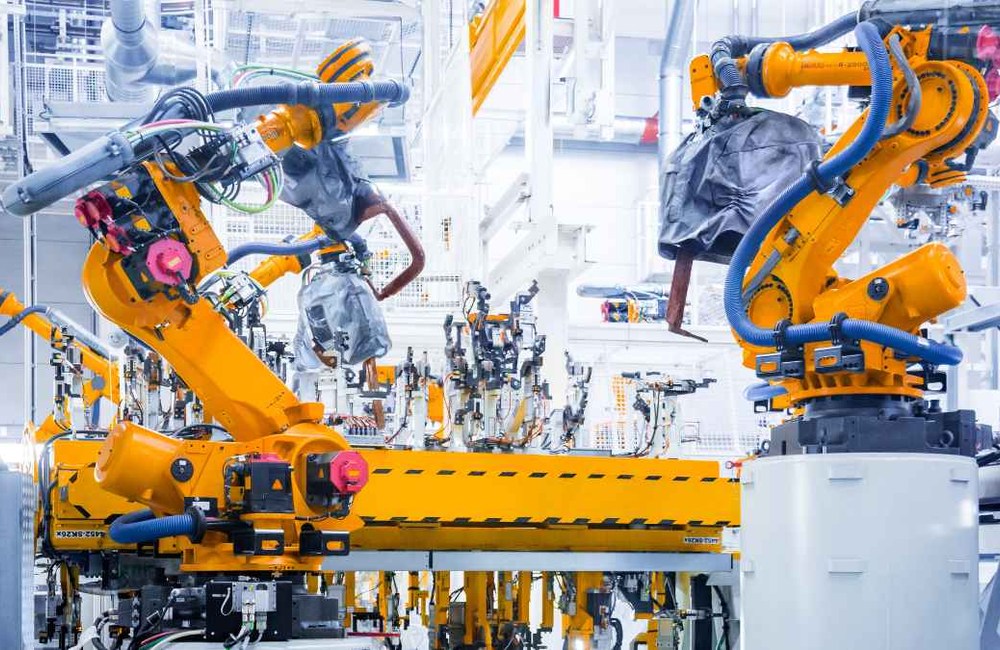
The sensor accessory functions as an essential component to help secure, protect, connect, and enhance the signal for the main sensor to operate more accurately, durably, and stably in various environments. This collaboration helps the system achieve maximum efficiency.
Signal Conditioner
This type of device is responsible for converting, amplifying, or filtering the electrical signal received directly from the main sensor. This process helps shape the signal so that the control system or computer can process it clearly. A well-conditioned signal effectively reduces noise that can cause errors.
Protective Housings & Mounting Clamps
This component functions to secure the sensor in the correct installation position according to engineering principles. The protective housing also helps protect the sensor from heat, moisture, impact, or hazardous chemicals in the working area. High-level protection helps extend the device's lifespan in the long run.
Precision Connectors & Cables
The wires and connectors are responsible for transmitting power and signals. They check the pinout, voltage, protocol, locking mechanism, and cable sheath material according to the model. Improper connector mating or cabling for the application may cause signal dropouts.
How many types of sensor accessories are there?
Selecting the appropriate equipment for the type of work is extremely important. Sensor accessories used in industrial applications and automated systems can be divided into 5 main types according to their functions as follows:
Mounting Accessories
This group of components includes everything from C-clamp legs and mounting brackets to specially designed adjustable angle mounting brackets. Mounting accessories help securely install the sensor on the machine structure. A firm installation allows engineers to precisely aim the sensor for detecting workpieces.
Connection & Cables
This type of equipment consists of cables, connectors, signal converters, or various types of cable blocks. These components serve as a medium for stable transmission of data and electrical current. Choosing standardized signal cables helps effectively prevent electromagnetic interference.
Reflectors & Optics
Reflective plates are used with Retroreflective photo sensors. Select the type, size, distance, and angle according to the manual for that model. High-reflective target materials may require models that support reflected signal separation.
Protection Accessories
Protection accessories include impact-resistant covers, cable conduits, or air purge lens cleaning tubes. These components are designed to prevent the accumulation of dust, oil stains, and high heat. Installing a protection set significantly reduces the failure rate of the main sensor.
Adjustment & Programming
This type of component covers accessories or signal converters used for remotely setting the sensor's operation. Adjustment and programming devices help engineers quickly tune various parameters. Accurate settings allow the system to respond immediately to changes in the production line.
Maintenance of Sensor Accessories
Proper maintenance is a key factor that helps ensure all equipment has a long service life and operates accurately. Engineers and technicians should strictly follow these important guidelines and precautions.
Regular Cleaning
Users should regularly inspect and clean dust, dirt, or oil residue that accumulates on the sensor's surface area. Cleaning must use specific solvents or tools designed for the material surface. Maintaining cleanliness helps the system transmit signals effectively.
Caution Against Impact
Operators must avoid subjecting the accessories or sensor heads to severe impacts during operation. Impacts may cause permanent damage to internal components or the accuracy of the measuring device. Installing protective panels at risk points is another effective way to reduce such incidents.
Proper Storage
Users should turn off and unplug all devices after completing tasks that use portable tools. Equipment should be stored in boxes or in dry, dust-free areas. Equipment should not be placed in areas with high temperatures or direct sunlight to prevent material degradation.
Checking Connections
Equipment installed in high-vibration environments requires special care. Maintenance technicians should regularly inspect the tightness of wire terminals and other connection points according to the schedule. Rigorous inspection helps prevent loosening issues that cause production lines to halt.
Calibration
Calibrate specific parts of the measurement system that affect quantitative values as required by the job. Check the condition of mounting parts, terminals, and reflective plates. Ensure secure mounting and perform actual detection testing after replacement.
Application of Sensor Accessories in Industry
Applying sensor accessories in industrial applications helps to concretely elevate quality control standards. These devices support more accurate and stable installation and adjustment of sensors on the production line.
Adjustable Mounting Systems
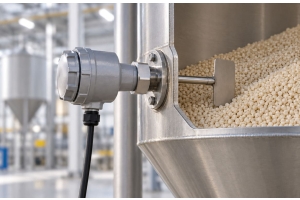
Adjustable mounts help set the angle and distance of the sensor. Check whether the metal parts near the sensor are within the clearance range of the embedded or non-embedded model according to ifm installation manual
Maintenance and On-Site Adjustment
Technicians should perform distance testing and adjust sensor sensitivity together with accessories according to the preventive maintenance schedule. Continuously monitoring various parameter values helps reduce workpiece detection errors. This systematic operation helps maintain stable production capacity.
Advantages of Sensor Accessories
Investing in high-quality accessories clearly benefits the overall performance of an industrial factory. These devices help improve the efficiency, durability, and stability of the system's operation in various environments.
Maximize Operational Efficiency
High-quality accessories help support the main sensors to measure and detect more accurately. This perfectly coordinated operation helps reduce the rate of waste in the production line. Automated systems can process data more accurately and quickly.
Enhance Durability in Harsh Environments
Components such as protective housings and clamps serve to protect the sensors from challenging conditions in industrial areas. These devices help prevent damage from accumulated moisture, dust, or high heat. This reinforcement helps extend the sensor's lifespan significantly.
Easy Installation and System Integration
Using precise connectors helps engineering teams connect various parts of the system quickly. Standardized accessories are designed to reduce the difficulty of assembling components. Smooth integration helps significantly reduce the time required to upgrade the production line.
Reduce Long-Term Maintenance Costs (Total Cost of Ownership)
Using the correct protective equipment helps prevent severe damage that could occur to the main sensor. Extending the overall lifespan of the equipment leads to cost savings on replacement parts. Investing in accessories is highly cost-effective when compared to revenue losses due to machine downtime.
How to Choose Sensor Accessories
Selecting appropriate sensor accessories for your factory setup should consider multiple factors. Operators must consider compatibility with the main sensor, the working environment, and the type of usage, which are the most important considerations.
Compatibility: Check the size and thread of the mounting bracket, as well as the number and layout of pins, voltage and signal type for the cable or connector. Even connectors with the same size may have different coding or pin layouts.
Environment: Check the IP rating of the complete assembly, cable sheath material, temperature, oil, chemicals, and repeated movement. Choose based on actual conditions and manufacturer data.
Mounting Type: Choose sensor accessories according to the structure of the machine, such as adjustable angle mounting brackets, for ease of adjusting the light direction of photoelectric sensors.
Cable Length and Routing: Check maximum length, bending radius, pull force, and separation from power cables. If the model specifies shielded cable, connect the shield according to the system manual.
Precautions When Selecting and Using Accessories
Along with the selection method, engineers should not neglect the precautions when using accessories. Avoiding mistakes during installation will help maintain the system's measurement accuracy for a long time.
Check the compatibility documents and installation conditions of the sensor with the accessories before using them in environments with water, dust, chemicals, or high temperatures.
Avoid improper modification: Do not modify the protective housing or cables yourself if you do not have sufficient engineering knowledge. Modification may reduce the dust and water protection properties.
Consider cable length allowance: During the installation design phase, slightly allow extra length for cables and connectors to prevent cable tension, which may lead to long-term breakage issues.
Summary
Sensor accessories are essential components that help complete the automation system in the factory to work perfectly in terms of accuracy, stability, and durability against environmental conditions. Businesses should consider selecting equipment that meets standards for the best results. We havea comprehensive industrial product sales service ready to support all your needs.
Interested in ordering or consulting via LINE Official: @SCMA
If you want to buy sensor accessories, you can buy from SCMA today!
Choosing the right technology to invest in is the starting point of long-term production cost reduction. SCMA Co., Ltd. (SCMA) is a global distributor ready to provide advice, design solutions, and offersensor accessories in a comprehensive manner. We have service branches covering the EEC area (Chonburi) and the northern industrial estate (Lamphun). Our engineering team is ready to go on-site to provide services and design systems (Project & Solutions) closely. Visitall our services to speak with experts immediately.
Frequently Asked Questions
How essential are sensor accessories?
Accessories are essential to protect the main sensor from harsh environments. Using appropriate components effectively improves accuracy and significantly extends the service life.
Can general-purpose cables be used instead of specific sensor cables?
Use cables that match the pinout, electrical rating, signal type, and environmental conditions as specified in the sensor manual. The need for shielding depends on the system and cabling method.
How can I determine which type of mounting bracket or clamp to use?
Selecting a bracket depends mainly on the sensor's thread size and the available mounting area. Engineers should choose an adjustable-angle bracket if aiming the detection direction toward moving parts.
What type of cleaning solution should be used for the sensor lens?
Select cloths and cleaning solutions according to the lens or reflector plate manual, as different coating and plastic types have varying resistance to solvents.
Does SCMA offer consultation services for matching accessory specifications?
SCMA has a team of expert engineers ready to provide consultation on specification matching and selecting the right equipment to meet your application needs. We are committed to designing precise solutions for your industry.