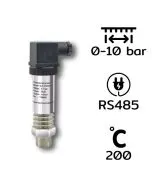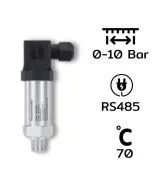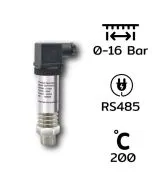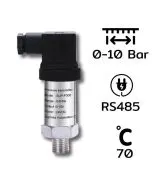
Pressure Transmitter is a revolutionary pressure measurement technology in the industry, functioning as the sensory nerve of modern production systems. It enables engineers to accurately monitor and control pressure under all operating conditions. The expert team from SCMA is ready to recommend selection techniques and types of Pressure Transmitters suitable for all your needs in this article.
What is a Pressure Transmitter?
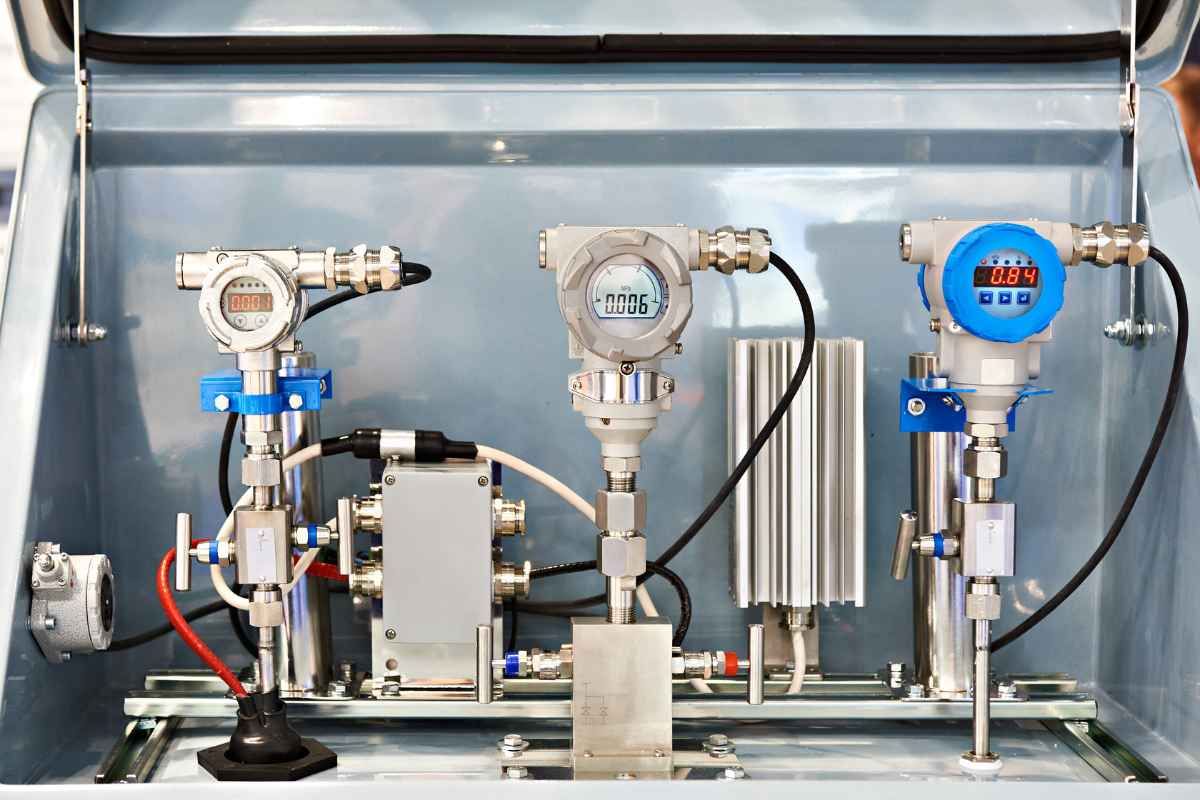
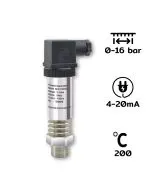
A pressure sensor or Pressure Transmitter is a critical industrial device used to measure the pressure of liquids, air (Pneumatic), or gases in production systems. It converts measured pressure into standard electrical signals such as 4-20 mA or 0-10 V for transmission to control systems or displays. Pressure Transmitter technology enables engineers to accurately and continuously monitor and control production processes, and efficiently manage them remotely.
How many types of Pressure Transmitters are there based on usage characteristics?
Pressure Transmitter (Transmitters) are categorized based on measurement technology and application. Each type has specific working principles and features that suit different environments and requirements, allowing for appropriate selection in various industries whether it's high precision work, durability under harsh conditions, or the ability to operate within a specific pressure range.
- Strain Gauge Transmitter - Uses the deformation of strain gauges on a diaphragm in conjunction with a Wheatstone bridge circuit to convert pressure into an electrical signal. Suitable for high precision work and wide temperature ranges.
- Thin Film Transmitter - Uses thin film to sense pressure and convert it into an electrical signal, highly sensitive and suitable for low-pressure measurements in industries requiring high precision such as HVAC systems or medical equipment.
- Thick Film Transmitter - Uses a diaphragm made from robust materials like ceramics, highly durable and suitable for high-pressure work or harsh environments, especially in hydraulic systems and heavy industries.
How does a Pressure Transmitter Work?
Pressure Transmitters operate by converting physical pressure into an electrical signal that the control system can process. When liquids or gases in the system exert pressure on detection components such as diaphragms or Bourdon tubes, a shape change or movement occurs. This physical change is detected by sensors like strain gauges, piezoelectric sensors, or capacitive sensors. Then, the signal conditioning circuit amplifies, filters, and converts the data into standard electrical signals that can be accurately sent to control systems or displayed.
Who is Suitable for a Pressure Transmitter?
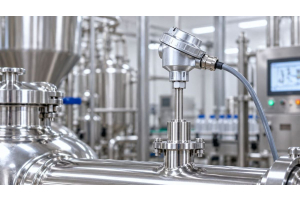
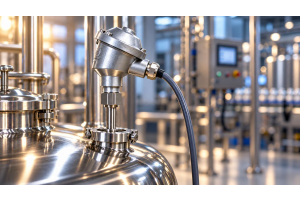
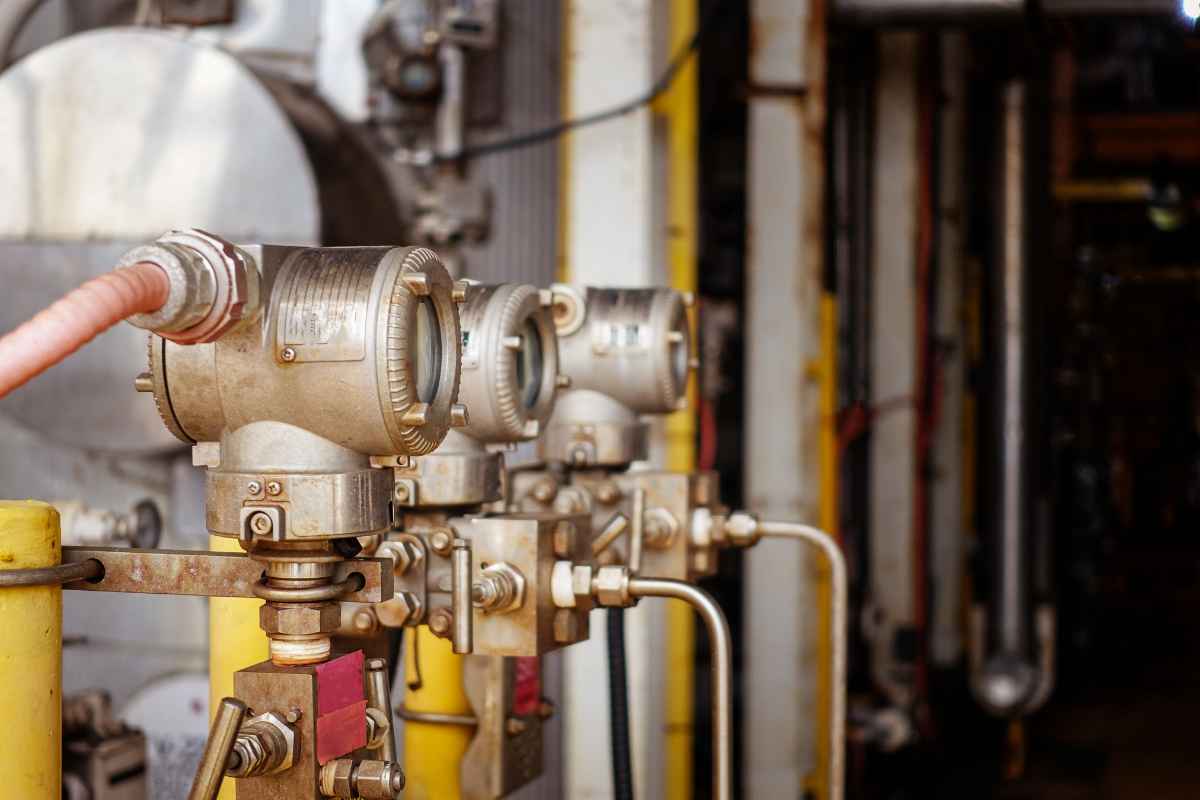
A Pressure Transmitter is suitable for every industry that requires accurate pressure measurement and control, as it can measure both liquids or gases such as gas, oil, hydraulic fluid, water from pumps, steam in boilers, etc. Popular industries using transmitters include electronics, food and pharmaceuticals, petrochemicals, automotive, and public utilities. By selecting the appropriate type of Pressure Transmitter for specific applications, whether a Pressure Switch, Flush Diaphragm Pressure Transmitter, or Melt Pressure Transmitter, it will help ensure system stability and optimal performance.
Benefits of Using a Pressure Transmitter
A pressure transmitter offers numerous benefits for process control and industrial systems, enhancing efficiency, accuracy, and safety. With the ability to convert pressure values into standard electrical signals that can be directly sent to control systems, it allows remote monitoring and adjustment of parameters, reducing risks and increasing system management flexibility.
- Wide Range of Applications - Offers a broad range of pressure measurement options suitable for various applications, whether it's low-pressure systems in HVAC or high-pressure systems in hydraulic setups.
- High Durability - Features models that can withstand pressures up to 3-5 times the normal operating range, capable of handling system shocks (Water Hammer) without damage, extending service life and increasing system reliability.
- Flexible Connectivity - Supports multiple standard output signal formats such as 4-20 mA and 0-10 VDC, allowing versatile connections to control devices like PLCs, controllers, or digital indicators.
- Easy to Use with Endless Potential - Easy to install and use, signals can be applied in various ways such as displaying data, recording information, or controlling automated processes, helping reduce costs and improve overall system efficiency.
Why are Pressure Transmitters Important for Industries?
Pressure Transmitters are crucial in the industrial sector because they help ensure accurate and efficient pressure measurement and control, which is essential for maintaining quality, safety, and process efficiency. Industries that require high precision in measurement and control, such as petrochemicals, food and beverages, or pharmaceuticals, rely on Transmitters to convert pressure values into standard electrical signals (4-20 mA) that can be reliably transmitted to automatic control systems like PLC or DCS.
What Factors Should Be Considered When Selecting a Pressure Transmitter?
Choosing the right pressure transmitter is crucial for system efficiency and longevity. Carefully considering various factors will help you find an equipment that meets your needs and justifies the investment. Moreover, proper selection can reduce risks of measurement errors and compatibility issues with existing systems.
- Industry Type and Medium - Consider what you are measuring (liquid, gas, or air) and in which industry. This will determine the necessary accuracy and durability levels, such as food-grade materials for the food industry, while petrochemical industries may require corrosion resistance.
- Electrical Characteristics - Specify power supply and desired output signal format such as 4-20 mA, 0-10 VDC or 0-5 VDC. Also consider the wiring configuration of 2-wire, 3-wire, or 4-wire systems to ensure compatibility with existing control systems.
- Mechanical Connections - Consider the size and type of threads (Thread) used for installation, such as NPT, G1/8" or flanges to ensure seamless integration with existing systems without additional adapters.
- Budget and Value - Evaluate the importance of usage against your budget by considering both price, quality, durability, warranty as well as long-term maintenance and calibration costs.
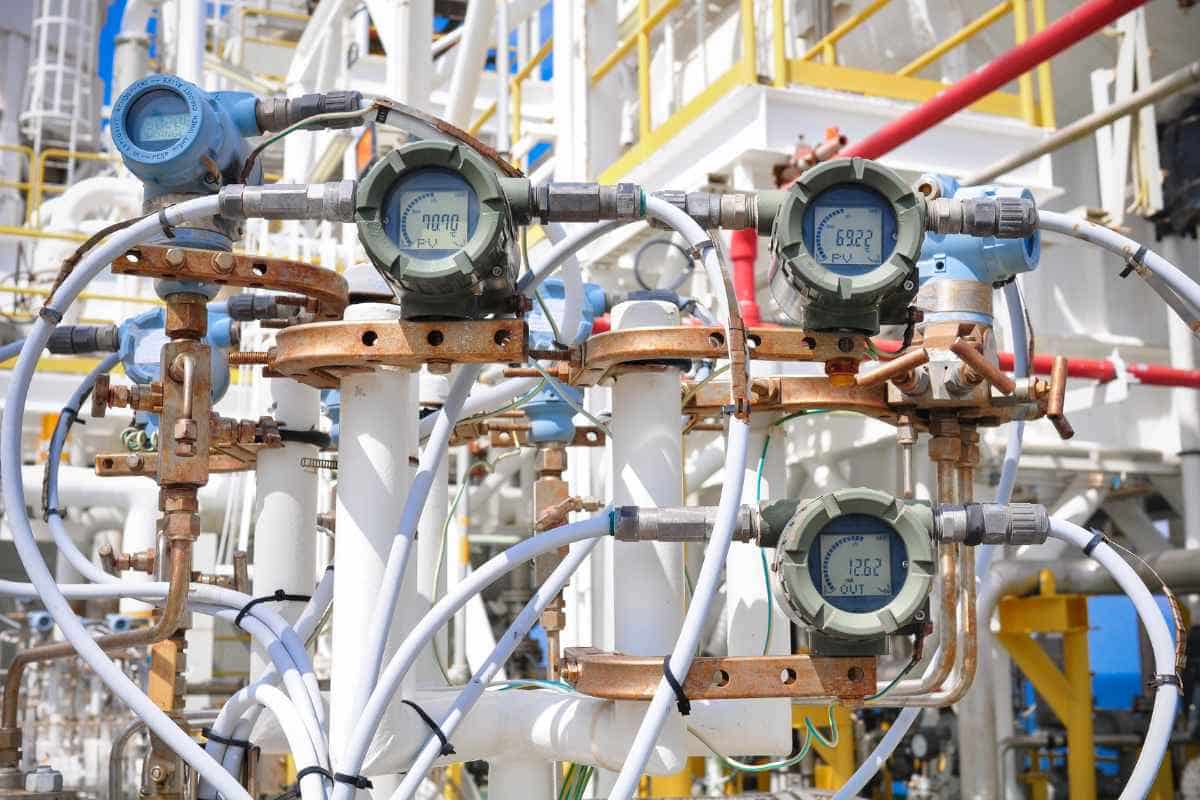
Interested in Pressure Transmitter? You can now purchase from SCMA!
SCMA is a high-quality distributor of Pressure Transmitters from leading global brands, carefully selected to meet the needs of customers across all industries. Our team of experts is ready to advise you on selecting the appropriate Pressure Sensor for your application. Weoffer a wide range of modelscovering all price ranges and features, along with excellent quality assurance and after-sales service. With extensive experience in the industry, SCMA is your trusted partner.
Summary
Pressure Transmitter is a crucial industrial device that accurately measures and controls pressure. There are various types based on usage characteristics, such as Gauge, Absolute, or Differential. They work by converting physical changes in the sensor upon receiving pressure into standard electrical signals for control systems. Selecting an appropriate Pressure Sensor requires considering multiple factors, including measurement range, accuracy, materials used, and safety standards, which SCMA is ready to provideservices in high-quality products, expert consultations, and after-sales support. This ensures you can confidently choose a Pressure Transmitter that meets your needs, elevating your production processes to the highest levels of efficiency and safety.
Frequently Asked Questions
What is the function of a Pressure Transmitter?
A Pressure Transmitter measures pressure in a system, converts the measured pressure into standard electrical signals such as 4-20 mA or 0-10 V, and transmits these signals to control systems or display systems for monitoring, recording, or controlling processes according to requirements.
What is a Pressure Transducer?
A Pressure Transducer is an instrument that converts pressure into electrical signals, similar to a Pressure Transmitter. However, it typically has less complex signal conditioning circuits and usually provides voltage output (V) rather than current output (mA), making it suitable for short-range applications or tasks requiring less complexity.
What are the standard electrical signals commonly used by Pressure Transmitters to send signals to control devices?
The two main types of standard electrical signals commonly used by Pressure Transmitters are current signal 4-20 mA, which is the most widely used due to its resistance to interference and ability to transmit over long distances, and voltage signal 0-10 V, typically used for short-range applications. Additionally, digital protocols such as HART, Foundation Fieldbus, or Profibus provide more information.
What is the primary function of a Pressure Switch?
A Pressure Switch detects pressure and changes switch status (on/off) when the set pressure level is reached. Unlike a Pressure Transmitter, which provides continuous signals, a Pressure Switch is suitable for simple control that requires only turning equipment on or off at specified pressure levels, such as turning water pumps on or off when system pressure is too low/high, or alerting when pressure is abnormal.