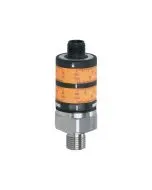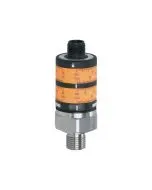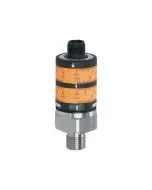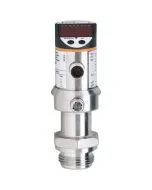

A Pressure Sensor or Pressure Transmitter is a crucial device in various industrial and application types. These pressure measuring tools measure the pressure of liquids or gases within systems and convert the measured values into electrical signals that can be read or further processed. In this article, we will delve deeply into Pressure Sensors to help you understand their importance and usage. SCMA is ready to provide consultation and services related to Pressure Sensors that meet all your needs, with expertise and quality products.
What are Pressure Sensors?

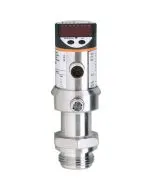
A Pressure Transmitter (Pressure Sensor), also known as a Pressure Transmitter, Pressure Switch or Pressure Transducer, is an instrument that measures the pressure of liquids or gases. Its purpose is to control and display the desired pressure values, which can be displayed in various units such as Bar, mbar, kPa, psi, Mpa, mmHg, etc. The principle of operation involves converting physical pressure quantities into standard electrical signals (output signals), with several formats available such as Analog 4-20mA, 0-10VDC, NPN or PNP.
How Does a Pressure Sensor Work?

The name of pressure sensors refers to an electronic measuring device designed to record changes in applied pressure. The basic principle of operation is that when there is a change in the applied pressure, it triggers a physical reaction within the sensing element, which then generates an output electrical voltage. Subsequently, the value obtained is adjusted (based on environmental factors) and transmitted as either an analog or digital signal. There are several types available in the market such as absolute pressure sensors, capacitive pressure sensors, differential pressure sensors, piezoelectric pressure sensors, and strain gauge pressure sensors.
Types of Pressure Measuring Devices

Pressure sensors can be categorized into three main types based on their control characteristics, each with different properties and applications in terms of display, connectivity to other devices, and control capabilities. The selection should match the specific requirements for use within various systems.
Pressure Gauge
This is a device capable of measuring gauge pressure, absolute pressure, and vacuum, displaying results in either analog or needle form. Its advantages include low cost and easy installation; however, it has limitations such as being able to read values only and not connecting with other devices.
Pressure Switch
It operates by switching electrical circuits when the pressure reaches a predetermined point. It can be used for general pressure control, such as turning on or off water pumps.
Pressure Transmitter
This is an apparatus that converts mechanical pressure through a transducer (such as strain gauge) into electrical signals in the form of analog, such as 4-20mA or Voltage 0-10 Vdc. It can be connected to other display or control devices like controllers, meters, or PLCs for displaying pressure values and controlling various systems.
What are the Benefits of a Pressure Sensor?

A pressure sensor provides real-time data, which is crucial for the safe and efficient operation of machinery. This compact yet highly effective electronic device, with a diaphragm-based detection mechanism, detects and measures physical pressure at critical points in a system. It then converts this pressure into signals that computers or other devices can read. Common output signals include 4-20 mA and DC (0-10V), enabling predictive maintenance to alert operators when equipment needs repair or replacement, thus avoiding unplanned downtime which disrupts production and incurs unexpected costs.
If you are interested in Pressure Sensors, contact SCMA today!
Looking for high-performance pressure sensors to enhance the accuracy of your system control? SCMA offers high-quality pressure sensors that help you provide real-time data, increase safety and efficiency in machine operation, reduce risks from unplanned downtime, and save long-term costs.
Our team of experts is ready to consult with you to help select the right High Pressure Sensor for your needs, whether it's a Pressure Switch or Pressure Transmitter that meets your specific requirements. Along withreliable after-sales service.
Contact SCMA today for advice and quotations. We are happy to provide detailed information about our products and services so that you can be sure of getting the best solution for your business!
Summary
A pressure sensor is a crucial device used to measure the pressure of liquids or gases, converting physical pressure into electrical signals that can be displayed or used to control various systems. There are numerous types available depending on the application, such as Pressure Switches for controlling on/off operations and Pressure Transmitters for sending signals to control systems.
The operation of a pressure sensor provides real-time data that is crucial for safe and efficient machine operation. It aids in predictive maintenance, reduces unplanned downtime, and cuts unnecessary costs.
SCMA is an expert in sourcing and consulting on High Pressure Sensors that meet the specific needs of various industries. With a knowledgeable and experienced team, we can help you select high-quality equipment that meets industry standards and is durable for use. Additionally, we offer installation, customization, and maintenance services to ensure your equipment operates at peak performance throughout its lifespan.
Frequently Asked Questions
Below are common questions asked by customers about Pressure Sensors, for which we have compiled clear and easy-to-understand answers to help you better understand our products.
How does a Pressure Sensor work?
A Pressure Sensor works by detecting pressure applied to the sensing element, then converting physical pressure into an electrical signal using technologies such as piezo-resistive technology which changes resistance when pressure is applied. The resulting electrical signal is sent to a control device or displayed in an appropriate format, such as 4-20mA or 0-10V.
What is a Pressure Sensor?
A Pressure Sensor is an electronic device used to measure the pressure of liquids or gases in various systems. It functions by converting physical pressure into electrical signals that can be processed, displayed, or used for automatic control, helping to accurately and efficiently monitor and control pressure in manufacturing processes or systems.
What is a Pressure Sensor?
A Pressure Sensor is an instrument that measures the pressure of liquids or gases. It converts measured pressure values into electrical signals, which can be used for control, display, or recording changes in system pressure, helping to efficiently monitor and control process operations.
How many types of Pressure Sensors are there?
Electronic Pressure Sensors come in two main categories based on their control characteristics: 1) Pressure Switch, or pressure control switches that operate by interrupting an electrical circuit when the pressure reaches a set value; and 2) Pressure Transmitter, which converts pressure into an electrical signal and can be connected to other control devices. Additionally, they can be classified according to piezoelectric detection technology or based on measurement range as absolute pressure, gauge pressure, and differential pressure types.