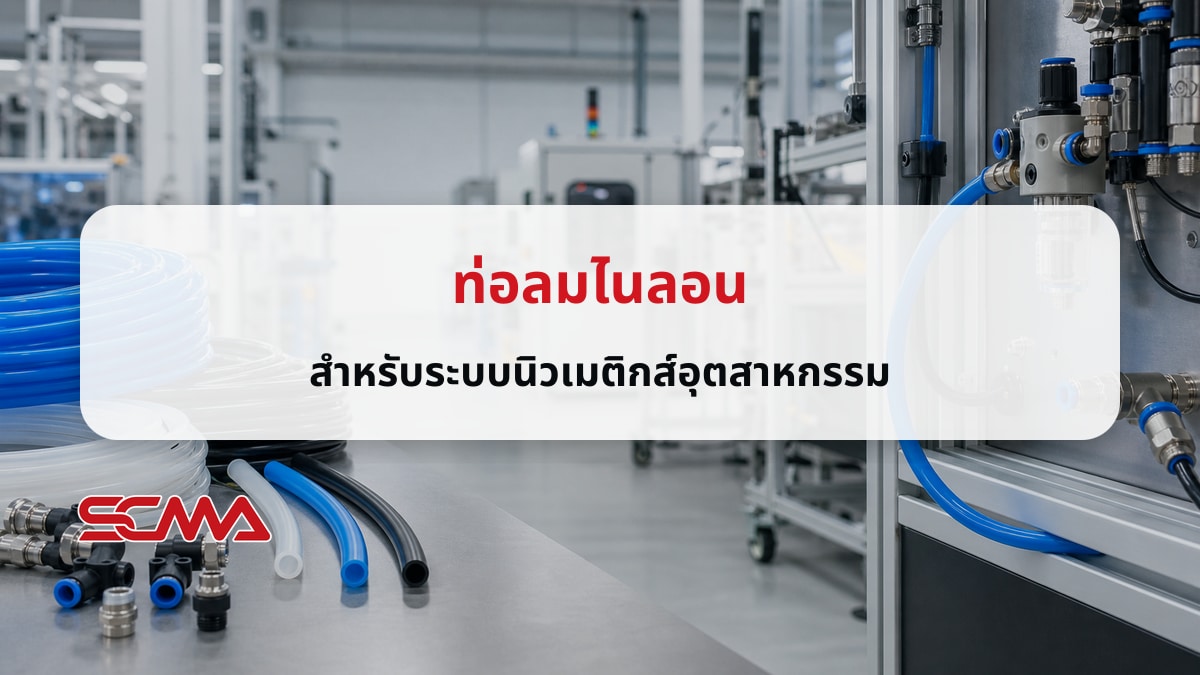
If your factory is facing issues with air leaks or worn-out compressed air hoses due to heavy use, nylon air hoses are the key solution to permanently address these problems. SCMA, a provider of measurement tools, pneumatic systems, and comprehensive automation solutions, invites you to delve into the details of this type of hose. This article will help readers understand how they work, maintenance methods, and a checklist for proper selection to elevate your production efficiency beyond its current level.
What is a Nylon Air Hose?
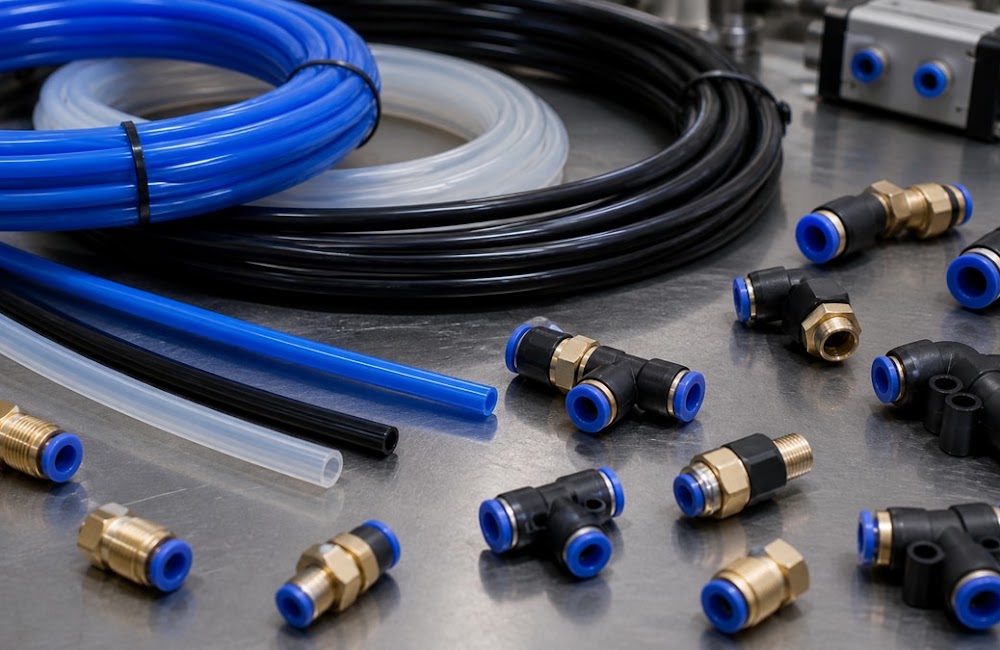
A nylon air hose is a type of rubber or polyamide plastic component used to convey compressed air in pneumatic systems. It offers high durability and resistance to pressure as well as higher temperatures compared to standard PVC hoses. Its applications range from pneumatic air work to the transportation of certain liquids in robust industrial environments.
How Nylon Air Tubes Work
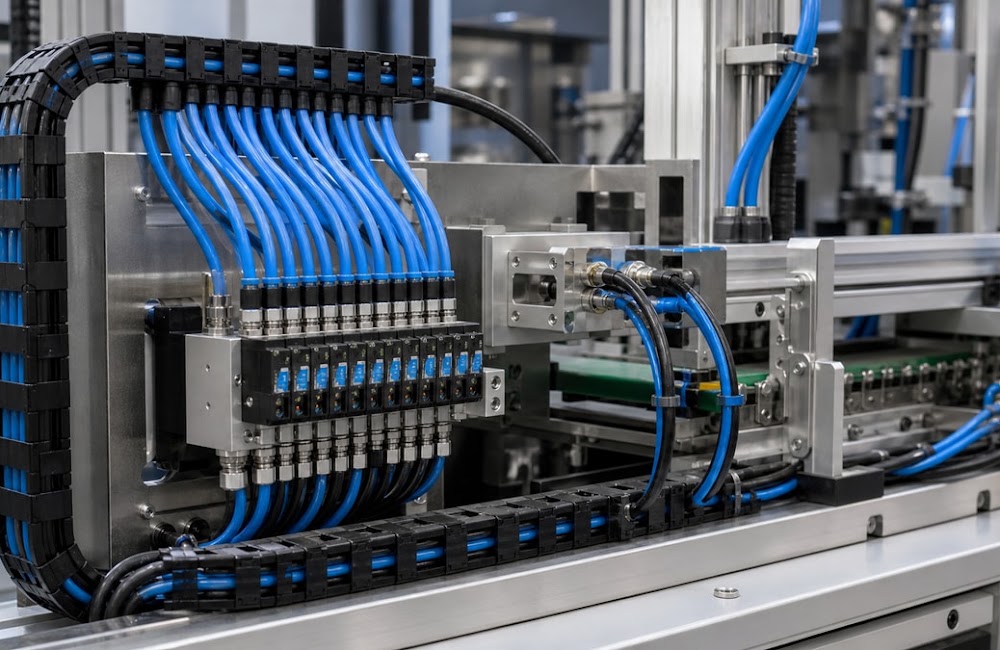
Nylon air tubes in pneumatic systems serve as the main arteries for conveying compressed air to end devices such as air cylinders or valves. According to SCMA's engineering team, understanding how they work will help you design an efficient system that prevents machinery from shutting down.
Transmitting Air Pressure from Source
The plastic air tube receives high-pressure compressed air from the air compressor or main factory pipe. It then transfers this air energy to control devices or actuators to drive various mechanisms. Consistent pressure transmission ensures that machinery operates accurately.
Internal Pressure Resistance
Nylon material has excellent tensile strength and mechanical durability, providing outstanding resistance to internal pressure without expanding or losing shape. This characteristic significantly reduces the risk of pipe rupture or air leakage in industrial compressed air systems.
Environmental Durability
The surface of this type of air tube is resistant to abrasion, chemical corrosion, engine oil, and various hydrocarbon compounds. Its use in areas with heat or chemicals is safer than general materials.
Connecting to Pneumatic Equipment
Tech personnel can quickly install the system when used with quick-connect fittings (One-touch fitting). This type of connection saves time during disassembly and replacement, completely preventing air leakage at joints.
How many types of nylon air hoses are there?
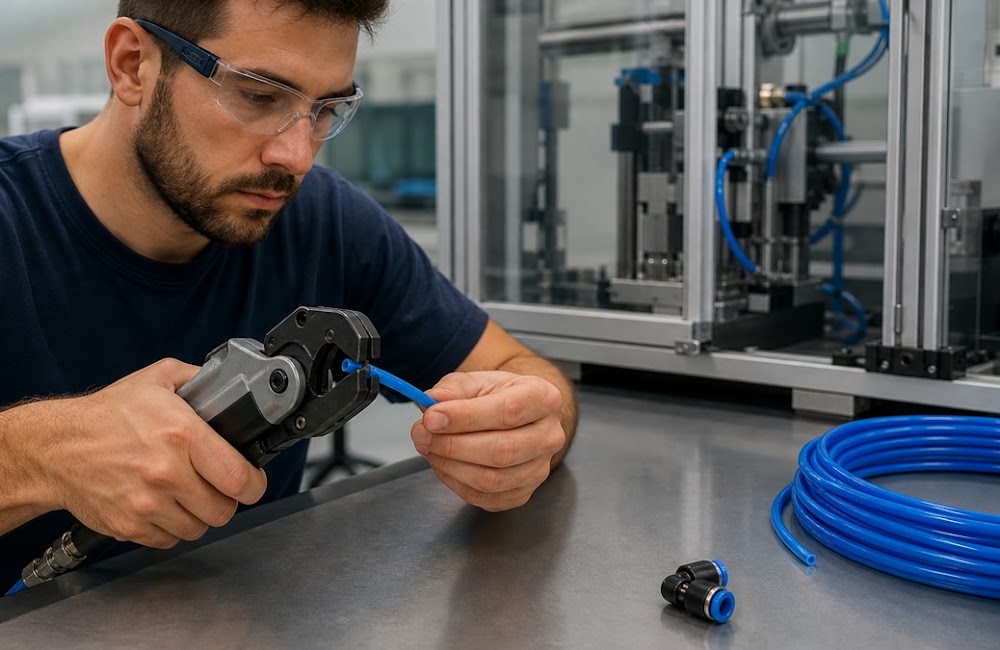
The classification of nylon air hoses in the market mainly refers to their strength and flexibility, allowing engineers to choose specifications that best match the installation characteristics on-site.
Standard Nylon Air Hose
A standard air hose has a highly durable plastic material, capable of withstanding high pressure or tensile force. It is particularly suitable for stationary pneumatic pipe installations where there will be little movement or bending of the line.
Soft Nylon Air Hose
The soft nylon air hose formula has been improved to increase its softness and flexibility, making it easier to bend compared to the standard type. Choosing a softer type can meet installation space limitations or machine connection points that need movement.
Maintenance of Nylon Air Hoses
The lifespan of nylon air hoses depends on proper preventive maintenance. Regularly checking the compressed air system helps reduce sudden machine downtime, which is something SCMA always emphasizes in providing solutions to customers.
Checking for Leaks and Surface Condition
Maintenance personnel should check for leaks at joints and along nylon air hose lines every 1-3 months using soap bubbles or listening for escaping air sounds. If deep cuts or scratches are found on the surface of the pipe, it should be replaced immediately for safety.
Caring for Air Preparation Units in the System
Dirt and oil accumulation can damage the structure of air hoses, so regular cleaning of air filters is necessary. The E.MC Pneumatic Air Filter Set can be used to control the quality of compressed air and effectively remove moisture from the system.
Nylon Air Hose Usage in Industry
With its robust and durable properties, nylon air hoses are widely applied across various manufacturing sectors. Understanding the usage patterns can help businesses maximize the potential of pneumatic systems.
Application in High Pressure and Temperature Areas
Nylon air hoses withstand higher air pressure better than general polyurethane (PU) hoses, with superior heat accumulation resistance. This characteristic meets the needs of machinery that operates continuously, maintaining shape without expanding to cause damage.
Usage in Abrasive Contact Points
The nylon material has high tensile strength and can withstand abrasive contact with metal parts in industrial plants excellently. The lifespan of this type of air hose is long, significantly reducing maintenance and replacement costs.
Installation in Chemical and Oil Environments
Nylon plastic structures do not react with lubricating oils or most corrosive chemicals. Deploying these hoses in production departments with hydrocarbon compounds helps maintain the cleanliness of compressed air systems thoroughly.
Suitable for Non-Moving Installation Work
This type of hose performs excellently at fixed installation points. Main compressed air lines laid along building structures or within large machinery bases will be neat and orderly, with high safety levels.
Compressed Air Power Transmission in Pneumatic Systems
In general pneumatic systems, air hoses play a role in transmitting energy from central air compressors to control valves and cylinders. Maintaining constant pressure from the source to the destination is a key feature of this application.
Routing in Control Panels and Automated Boards
Organizing air hoses within controller cabinets requires neatness, space efficiency, and flexibility. Soft nylon hoses can be bent into shape according to routing needs, making it easier for engineers to maintain and inspect automated systems.
Specialized Industrial Applications and Conveyance Pipes
Some industries apply this type of pipe in certain chemical conveyance systems or high-stability measuring equipment. You can learn more from external sources such as Nylon Duct Applications in the industrial sector.
Advantages of Nylon Air Hose
When comparing materials, nylon air hose stands out with a variety of engineering advantages. These properties make it a preferred choice for plant managers to enhance long-term production.
High Pressure Durability
Nylon hoses can withstand high air pressure more stably than standard plastic grades. The structure does not swell or deform when subjected to pulling forces, ensuring the precision of machine operation at all times.
Durable and Abrasion-Resistant Structure
The external surface of this type of air hose is tough and smooth, preventing damage from scratches or friction with other parts. Usage in harsh environments effectively reduces issues such as air hose leaks and cracks.
Oil and Solvent Resistant Toughness
Dissolvents, lubricating oils, and various chemicals cannot easily destroy the structure of this type of air hose. Maintaining its toughness helps prevent contamination from foreign substances entering pneumatic systems.
Broad Operating Temperature Range
Nylon air hoses can operate in environmental conditions ranging from -40°C to 70°C. This heat and cold resistance allows engineers to apply it across almost every department within a factory.
Lightweight with Shape Memory Capability
Despite its high strength, the material is very lightweight. Bending and coiling for installation in tight spaces can be done easily, and the hose returns to its original shape excellently without creasing or cracking from bending.
How to Choose Nylon Air Hose
Selecting the right nylon air hose for pneumatic systems requires careful consideration of engineering factors. The SCMA team recommends an initial checklist to prevent ordering mistakes.
- Measure Diameter Accurately: Check the Outer Diameter (OD) and Inner Diameter (ID) to fit push-in fittings properly
- Select Units Matching Your System: Use metric (millimeters) or imperial (inches) units that align with your machinery standards
- Check Working Pressure Rating: The hose specifications must support the maximum air pressure released from the compressor or air filter safely
- Evaluate Temperature Range: Choose a nylon plastic grade that can withstand heat in the work area without deteriorating too quickly
- Consider Bend Radius: If installation space is tight, opt for softer models with a smaller bend radius to prevent kinking and air flow obstruction
Pneumatic Services and Equipment from SCMA
SCMA Co., Ltd. aims to be the most trusted technical partner for your factory. We not only distribute nylon air hoses but also offer a genuine ecosystem of services that meet industrial needs.
- Distributing Leading Pneumatic Brands: Offering quality products from E.MC PNEUMATIC, including plastic air lines, pneumatic cylinders, control valves, viewable at SCMA Industrial Products
- Project and Solutions Services: Our engineering team is ready to consult, design, and integrate automation systems to solve complex issues in your factory specifically
- Easily Accessible After-Sales Support: We have a technical support team available for repairing leaking plastic air hoses and tuning pneumatic systems for stable operation
- Closely Located Service Centers: Our branch offices are located in EEC (Chonburi) and Northern Industrial Estate (Lamphun), enabling us to respond quickly to maintenance needs
Summary
Nylon air hoses are energy transmission devices in pneumatic systems with standout features such as strength, pressure resistance, and excellent chemical resistance. Choosing high-quality nylon air hoses alongside proper system design will help prevent sudden machine downtime. If you need consultation to elevate your production process, please view SCMA's full services so our engineering team can assist in maintaining your systems.
If you want to purchase nylon air hoses, SCMA is ready for your order today!
Selecting standard-compliant equipment is an investment for long-term efficiency. Ordering nylon air hoses from a professional partner will ensure that you receive products that meet specifications and are safe for production lines. SCMA is prepared to provide consultation, distribution of plastic air hoses, as well as comprehensive pneumatic system solutions. For more information or immediate orders, visit the main page of the SCMA website. Our engineering team is ready to support your business.
Frequently Asked Questions
What is the maximum heat resistance for nylon air hoses?
Standard-grade nylon hoses can operate at a maximum temperature of approximately 70 degrees Celsius. Some special models may have higher heat resistance according to manufacturer specifications.
How do nylon air hoses differ from PU (Polyurethane) hoses?
Nylon hoses are stronger, more pressure-resistant, and better at chemical resistance compared to PU hoses. However, PU hoses offer greater flexibility and are suitable for components that need constant movement.
Can these types of air hoses be used with liquids?
They can be adapted for use with certain liquids such as engine oil, hydrocarbons, and industrial chemicals that do not react with polyamide plastic.
What should I do if a nylon air hose kinks or bends?
Avoid forcing its continued use because the bent area weakens the structure and risks breaking. It is recommended to cut out the damaged section and install new fittings.
Why is Bend Radius important?
The bend radius indicates how tightly an air hose can be bent without kinking or flattening. In tight spaces, it's advisable to choose a more flexible hose type for safety reasons.