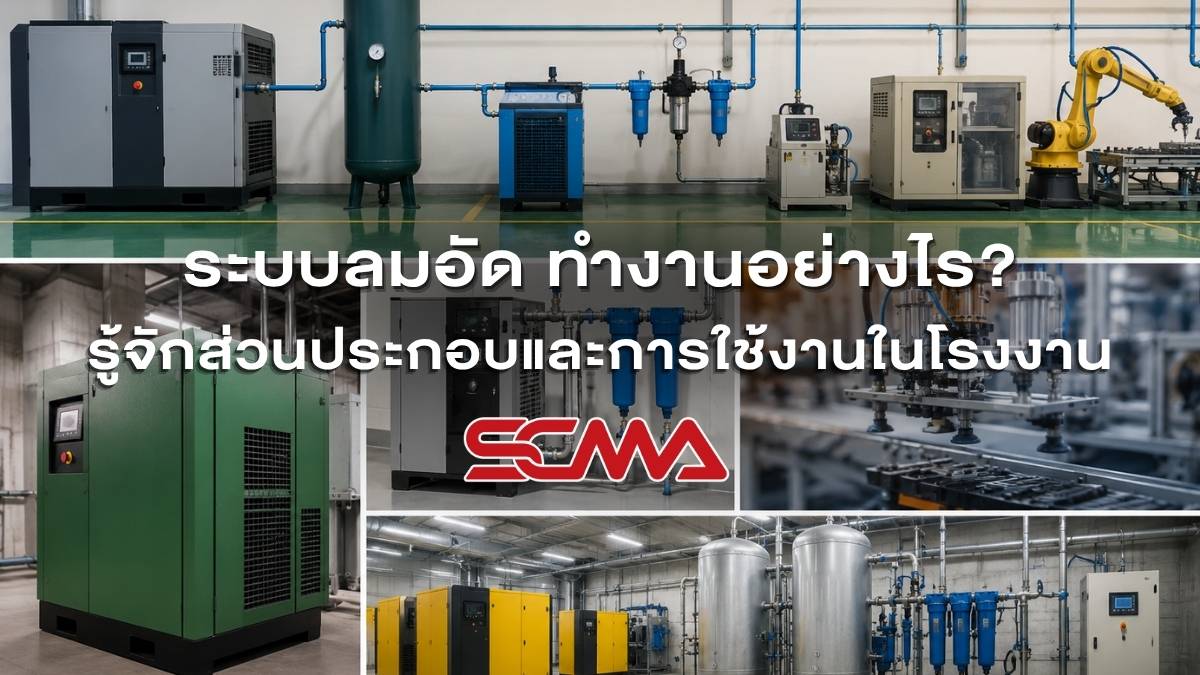
How does a compressed air system work? Are you looking for ways to improve the efficiency of your air compression system in an industrial setting? This article will take you through every aspect of how an air compressor works, so that you can understand the principles behind selecting the most cost-effective compressor. You'll learn professional methods for managing compressed air energy. If you need comprehensive maintenance support, feel free to get acquainted with our SCMA system design and consultation services.
What is a Compressed Air System and Why Is It Important in Industry?
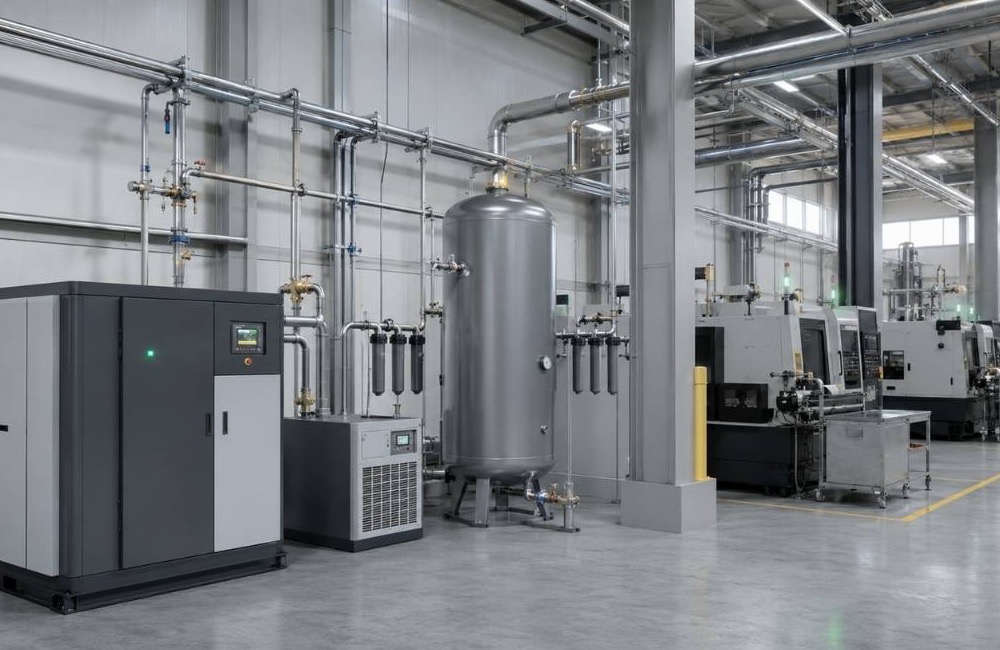
Understanding what a compressed air system is marks the first step towards reducing costs in industrial settings. A Compressed Air System is a system that converts mechanical energy into potential energy in the form of high-pressure compressed air. Industrial plants rely on this system to power various machinery instead of using direct electrical power. The main benefits of using an air compression system include high safety, absence of sparks, and versatile applications ranging from driving pistons to cleaning workpieces. Selecting a standard-compliant air compressor can significantly boost production capacity, making the compressor a crucial heart of modern factories.
Main Components of an Air Compressor System?
Perfect operation results from the coordination of multiple devices in a circuit. Based on SCMA's engineering team experience in setting up systems for many factories, we will separate the main components to give you a clear overview.
Air Compressor
This piece of equipment is the starting point for all compressed air production. The air compressor functions by drawing external air and compressing it to increase pressure. Selecting an appropriate specification that matches the volume of air usage will help reduce energy loss efficiently.
Air Dryer
The compressed air retains a lot of moisture, making the air dryer crucial in removing humidity from the compressed air to prevent water droplets from accumulating in the system. This helps significantly reduce rust and damage to end machinery.
Air Receiver Tank
The air receiver tank acts like a battery storing reserve energy for necessary use. It maintains the stability of compressor air pressure within the system consistently. Having an appropriately sized tank greatly reduces the frequency of motor operation cut-offs.
Air Filter
The air filter is installed to capture dirt, dust, and oil vapor mixed with the air. Maintaining clean air is essential for air compressors to deliver pure air into control valves without clogging small internal components.
Piping System
The network of pipes transports high-pressure air to usage points according to the factory layout. Proper pipe sizing design helps reduce friction and prevent pressure drop within the pipes perfectly.
How does the air compression system work?
The operation of this system involves a coordinated series of steps to create stable compressed air energy. We can summarize the process of air compression systems into four main steps as follows:
- Step 1: Air intake into the system: The motor rotates to continuously draw in ambient air through a dust filter and into the unit.
- Step 2: Increasing pressure with an air compressor: Internal mechanisms of the air compressor compress the volume of air, causing the pressure to rise rapidly.
- Step 3: Improving compressed air quality: Warm and humid air is passed through cooling equipment, oil filters, and dehumidifiers until it becomes clean compressed air.
- Step 4: Storage and distribution for use: Standardized air is stored in a tank, ready to be distributed via pipelines to the pneumatic system (Pneumatic System) within the factory.
How Many Types of Air Compressors Are There? Which One Should You Choose?
There are various types of air production technology to meet the different needs of each industry. Selecting an air compressor that matches your usage requirements is key to success.
Piston Compressor
The piston system uses up-and-down movement to draw in and trap air before pushing it out for use. This type is ideal for small factories requiring high pressure. Maintenance of this compressor is easy, with relatively low repair costs.
Screw Compressor
This mechanism uses two interlocking helical screws to continuously compress air without jerking. The screw system is suitable for industrial plants that require a large volume of compressed air around the clock, providing excellent quietness and stability.
Dynamic Compressor
This type of compressor uses high-speed rotating blades to increase the speed of air before converting it into pressure. These are designed for large petrochemical industries that require massive amounts of oil-free air compressors.
Comparison Table and Pros & Cons of Each Type
The decision must weigh initial costs, energy efficiency, and long-term maintenance expenses. If you need help calculating the value of a system, you can consult our expert engineering team to compare specifications immediately.
Usage of Air Systems in Various Types of Industrial Factories
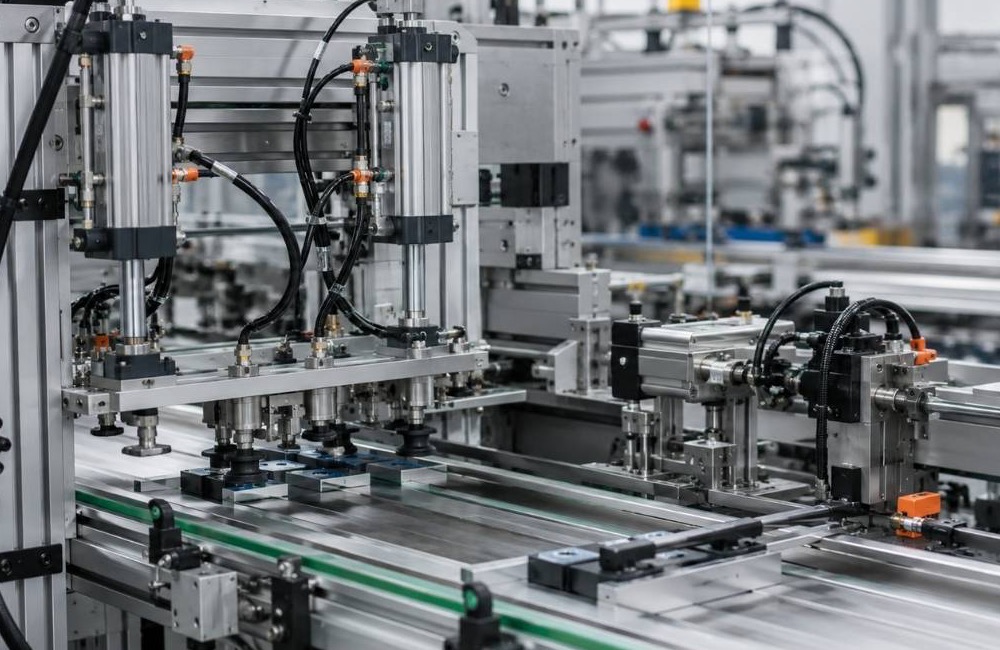
Compressed air is widely applied across almost all types of manufacturing processes. Let's take a look at examples of compressed air systems used in major industries in Thailand.
Automotive and Assembly Industry
Automobile assembly plants use compressed air to power robotic arms, paint robots, pneumatic screwdrivers. The use of compressed air allows for quick, precise, and safe assembly compared to traditional electric motors, reducing the risk of sparks.
Food and Pharmaceutical Industry
Cleanliness is crucial in this industry. Compressed air used must be 100% free from oil contamination. Air compressors in this category need to meet international standards for blowing, packaging, sorting products, and mixing ingredients without contaminating the product.
Electronics and Semiconductor Industry
The production of electronic components requires compressed air that is completely dry and free from dust particles. It is used to clean small circuit boards, control delicate mechanisms for picking up parts, and maintain consistent pressure to prevent damage.
Other Specialized Uses Such as Emergency Escape Stairwell Air Systems
In addition to manufacturing, compressed air is also used for safety in high-rise buildings. Compressors are utilized to create positive pressure in emergency stairwells, preventing smoke from entering evacuation routes and enhancing the safety of building occupants during a fire.
Considerations for Designing and Installing an Air Compressor System
The planning of a air compressor system must start with a detailed assessment of requirements. You need to calculate the total air volume (CFM) that all machines require simultaneously, taking future needs into account as well. The selection of the size of the air compressor should consider sufficient pressure (Bar/PSI) to overcome pipe friction resistance in the system. Planning a ring main piping layout will help distribute pressure evenly and reduce low-pressure issues at the end points. If you need to connect equipment with an Solenoid Valve, good pipe design is the foundation for success. You can learn more about air compressor properties at Basic Compressed Air System Knowledge
How to Maintain an Air Compressor System for Extended Use and Energy Savings
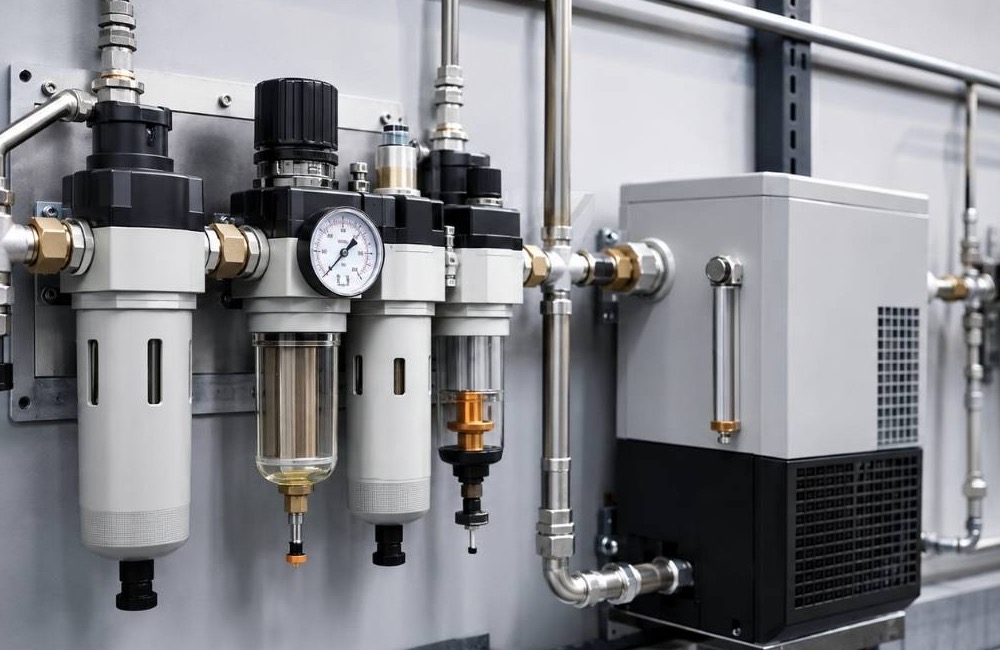
Preventive maintenance is a crucial strategy to ensure your equipment operates efficiently, reducing electricity costs significantly.
- Cleaning and checking filters: Clogged filters make the compressor work harder. Filters should be cleaned or replaced according to the manual strictly.
- Managing condensate water: Regularly check the automatic drain system of the air compressor to prevent water accumulation in the tank, which can cause rust.
- Finding leaks in the system: Small leaks at connections can waste electricity. Regular inspection for leaks in the compressed air system can save a lot of costs.
- Schedule Preventive Maintenance (PM): Develop a maintenance plan to change lubricating oil, check belt tension, and replace consumables according to the manufacturer's specified intervals.
Summary
Air compression system is the backbone of industrial operations. Choosing a air compressor that meets standards and properly maintaining your air compressor can help reduce energy losses in a tangible way. If you need an engineer consultant to set up your air system, SCMA's design services are ready to offer integrated solutions that will benefit your factory.
If you want to buy one, SCMA is available for purchase today!
SCMA Co., Ltd. (SCMA) is the distributor of premium air compression system equipment recognized internationally. We have a team of experts ready to visit your site and help you choose the best compressor specifications. You can browse our full range of products at SCMA's product catalog, and find the best compressed air solutions to elevate your factory directly on our website, the SCMA website.
Frequently Asked Questions about Air Compression Systems
Is an automotive air compression system the same?
The principle of compressing air is similar, but the pressure systems in cars are specifically designed to save space for driving brake or suspension systems only.
How important is compressed air quality?
It's very important. If the air contains high levels of moisture, dust particles, or oil contamination, it can damage valve seals and cause production machinery to malfunction.
How do you know if your air compression system has a problem?
The main warning signs are frequent abnormal motor operation, falling pressure on the gauge faster than expected, air leaks at joints, or finding water droplets in the end of the air line.
Is an air receiver tank necessary?
It is essential. The tank stores compressed air to maintain constant pressure, reduces motor load switching, and helps lower air temperature before entering the main system.
Should air lines be plastic or metal?
This depends on the environment. Aluminum tubing is becoming popular due to its rust resistance, easy installation, light weight, and better long-term durability compared to plastic tubing under high pressure conditions.