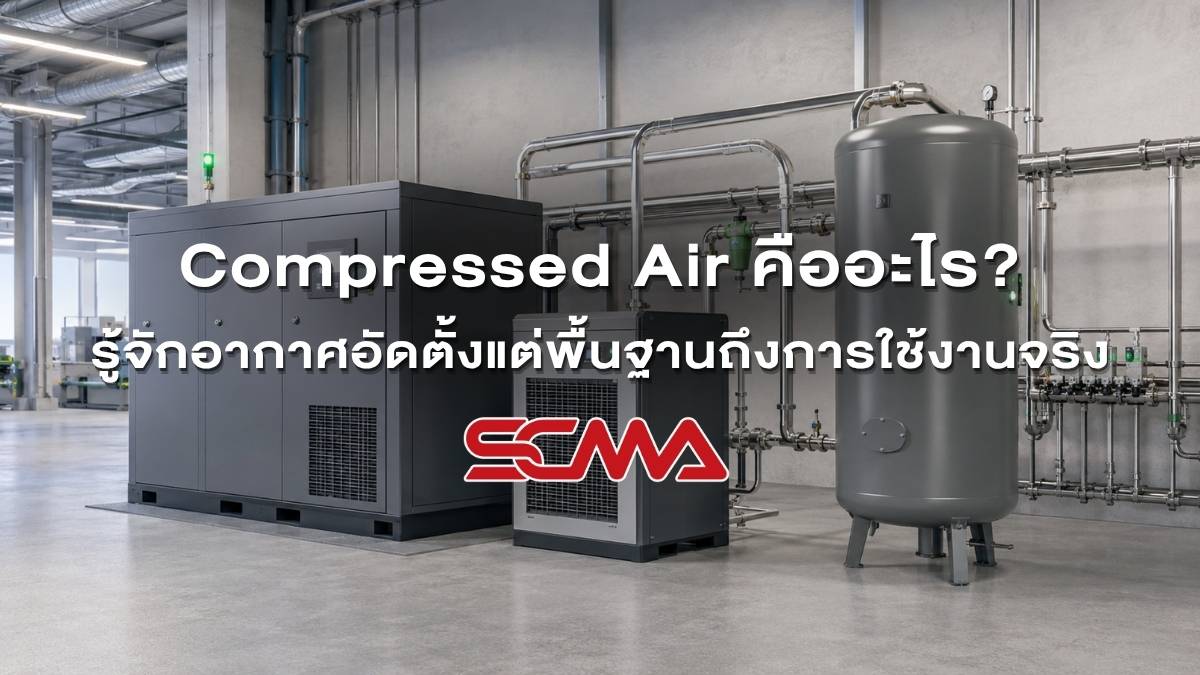
Compressed Air is the energy source you are studying, right? Are you looking for information on what compressors are and how they work? This article will take you through all the components of a compressed air system, from basics to real-world applications in factories. You'll gain knowledge to enhance your production processes to their highest efficiency. If you need detailed consultation about system design, you can contact our SCMA System Design and Consultation Services immediately.
What Exactly is Compressed Air (Compressed Air)?
Compressed Air, or compressed air, involves taking the surrounding air through mechanical processes to compress it into a smaller volume, resulting in higher pressure than normal atmospheric pressure. This stored potential energy is ready to be released to drive various machinery. In engineering circles, we regard compressed air systems as "the fourth utility" after electricity, tap water, and natural gas due to their high safety level, absence of sparks, and versatile application with compressed equipment.
How is Compressed Air Created? Understanding the Main Components of an Air Compression System
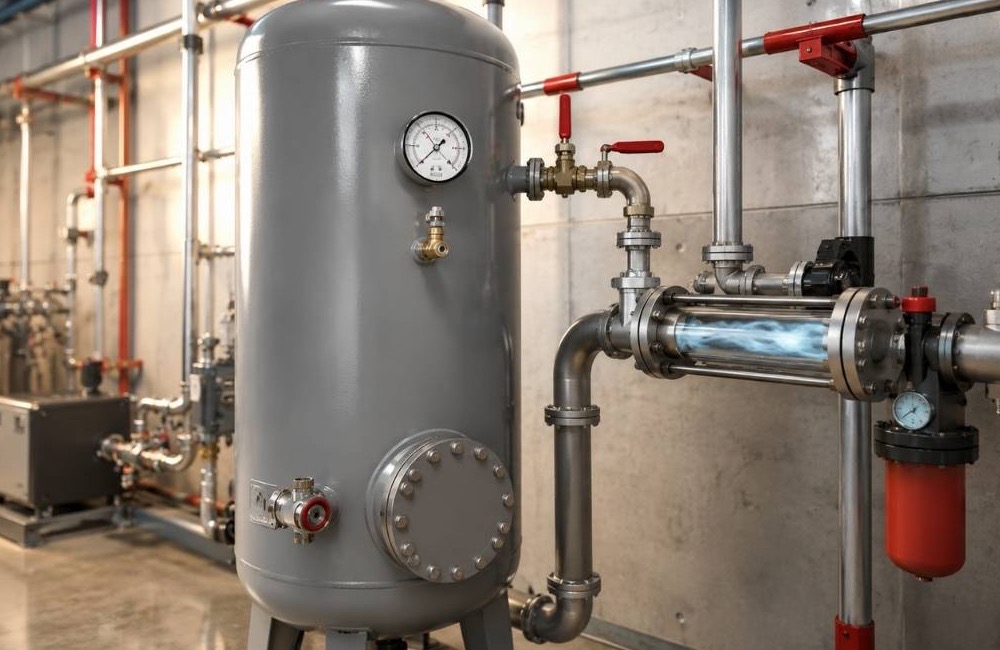
Creating Compressed Air of high quality requires the cooperation of several pieces of equipment in a Air Compression System. Our team of engineers will explain the function of each component to make it easy for you to understand.
Air Compressor: What is the Role of the Main Component?
The air compressor serves as the starting point of the entire process, responsible for drawing in external air and compressing it to increase pressure. Understanding what compressors are will help you choose a size that suits the amount of air your factory needs. Accurately measuring the airflow volume in the system is crucial. You can consider looking at our high-quality Flow Meter for assessing efficiency.
Air Dryer (Dehumidifier) and Its Importance to Air Quality
The compressed air becomes hot, leading to high humidity. The air dryer reduces temperature to extract water droplets from Compressed Air, preventing rust and damage to machinery in the production line.
Air Filter (Air Filter) for Clean Air
The air filter captures dust particles, oil vapor, and contaminants that enter the Air Compression System. Installing a standard filtration system helps deliver clean air to control valves without causing small components to clog. For more information on how intake valves work in the system, you can read our article about the Working Principle of Solenoid Valves (Solenoid Valve) in Automatic Systems.
Air Receiver Tank (Air Receiver Tank) for Air Storage and Distribution
The air receiver tank acts like a battery, storing compressed air energy for use when needed. This equipment helps maintain the pressure of compressed air in the system, significantly reducing the frequency of motor operation interruptions.
The Benefits of Compressed Air: Where is it Used?
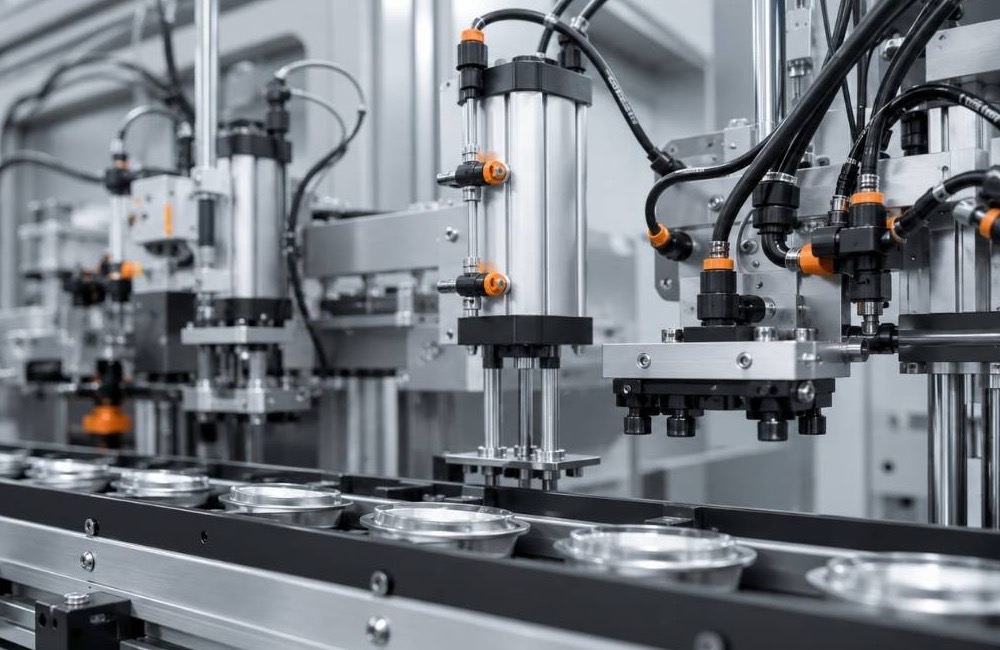
The power of Compressed Air is used to drive many things around us more than we think. The Air Compression System plays a role in various sectors as follows:
- Industrial Applications: Used to drive cylinders, paint cars, sort parts on the conveyor belt, or clean electronic components.
- Daily Life Uses: We see air being used from inflating car tires, tools at auto repair shops, to dental equipment in clinics.
- Building Systems Applications: Used as an energy source for pneumatic systems to control valves. You can learn more about the Pneumatic System.
- Special Case Study (Compressed Air in Stairways): Used to create positive pressure in stairwells of high-rise buildings, preventing smoke from entering for safety during evacuation.
Types of Air Compressors You Should Know About
In the market, there are various types of air compressors to cater to different volumes of Compressed Air requirements. Knowing what types of compressors exist will help you make a worthwhile investment.
Piston Compressor
This mechanism uses the up-and-down movement of pistons to draw air into the cylinder before compressing it for use. It is suitable for small industries that require high pressure, and maintaining Air Compression Systems of this type is easy with low costs.
Screw Compressor
This uses two helical screws rotating against each other to continuously compress air without jerking. This system is ideal for large factories requiring a lot of compressed air 24/7, providing excellent stability.
Selecting the Right Type for Your Needs
You need to evaluate the total airflow (CFM) and required pressure (PSI), always considering future needs. A thorough analysis will help reduce electricity costs in the long run. You can read more about compressed air knowledge.
Why the Quality of Compressed Air Matters? Standards to Pay Attention To
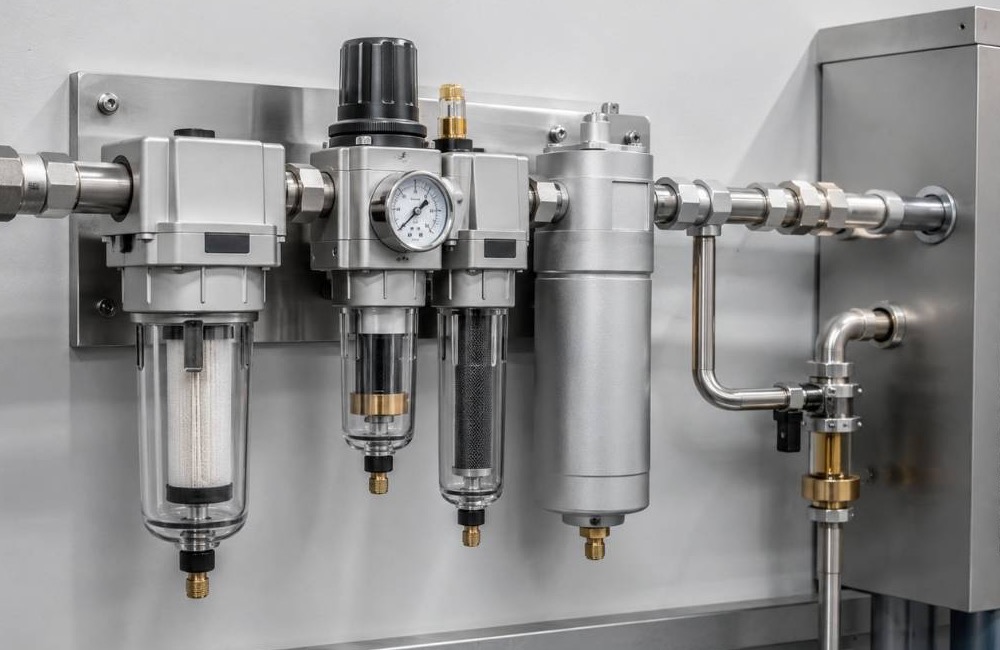
Having Compressed Air that is clean and free from contaminants is a key factor for the success of manufacturing processes. Moisture, water droplets, oil mist can enter and damage rubber valve seals, causing contamination in food and pharmaceutical products. Engineers must refer to ISO 8573-1 quality standards for compressed air to specify the purity level of Air Compression Systems according to job characteristics. Ensuring that waste removal equipment is functioning properly is a crucial responsibility of system managers.
Basic Tips for Maintaining Air Compression Systems
Predictive maintenance helps ensure that the Air Compression System operates at peak efficiency. Proper care of Compressed Air follows these guidelines:
- Checking for Leaks in the System: Leaks at air line connections waste electricity unnecessarily; sealing leaks can result in significant cost savings.
- Dewatering the Air Receiver Tank: Drain water trapped inside daily to prevent rust and corrosion of the steel tank from within.
- Cleaning and Replacing Filters: Clogged filters make machinery work harder. Regular cleaning and replacement of parts according to manual guidelines is recommended.
Summary
Compressed Air is an indispensable driving force in modern industry. Understanding what compressors are, and maintaining the Air Compression System safely and cleanly can help reduce production costs sustainably. If you need consultation for air system design, visit SCMA's Design Services. We provide accurate solutions to meet your needs.
If You Want to Purchase, SCMA is Ready for Your Order Today!
Investing in high-quality Compressed Air equipment marks the beginning of business stability. SCMA Co., Ltd. offers a comprehensive range of high-quality Air Compression Systems. Explore all of SCMA's products at SCMA Products Page, and contact our engineers for the best compressed air solutions on the SCMA website immediately.
Frequently Asked Questions about Compressed Air
Is Compressed Air the same as Pneumatic Air?
They are one and the same. Compressed Air is the name given to compressed air energy, while pneumatic refers to the system that uses this compressed air energy to control machinery.
How much does it cost to install an air compression system?
The cost depends on the size of the air compressor, the length of the air pipes, and the quality improvement equipment. It is advisable to have an engineer assess the site for the most accurate budget calculation.
Is compressed air dangerous?
If used correctly, it is very safe. However, high-pressure air guns should not be used to clean body parts as the pressure can penetrate the skin and cause harm.
What type of material should be used for air pipes?
Currently, aluminum pipes are popular due to their light weight, ability to withstand high pressure, and resistance to rust compared to traditional galvanized steel pipes.
Why does water come out with the compressed air?
The compression process generates heat and humidity. When the air cools down, moisture condenses into droplets of water. Therefore, we need a dryer to capture these waters.