In the industrial sector, sensors play a crucial role in inspection, control, and detection of various conditions to enhance production efficiency and safety. This leads to more efficient products and creates excellent performance to increase factory reliability, which is one of the key factors driving the industry towards Industry 4.0. What kind of sensors are there? SCMA has brought them all for everyone's reference.
Sensors (Sensor) Commonly Used in Industrial Applications

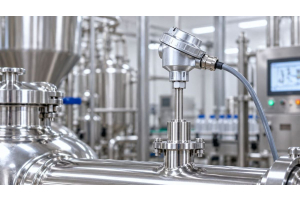
Temperature Sensors
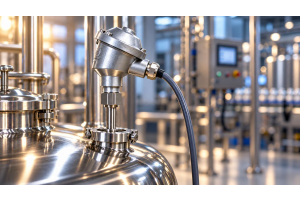
Sensors used to measure or detect temperature levels continuously in the desired area, to control heating or cooling processes. In addition to measuring, they can be integrated with computer systems for automatic temperature control (Automatic Control), providing immediate alerts when temperatures deviate from set values.
Examples of Temperature Sensors
- Thermocouples are used in applications requiring high-temperature measurements, such as metal furnaces.
- RTDs (Resistance Temperature Detectors) are used where high accuracy is required, such as temperature control during food production processes.
Pressure Sensors
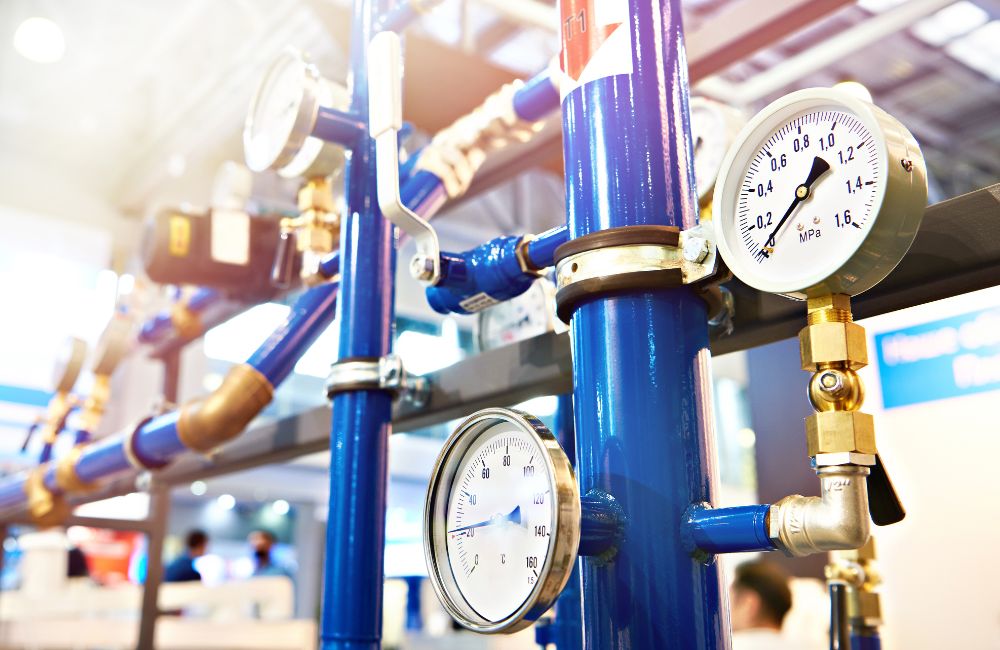
Sensors for measuring and controlling pressure in both liquids and gases. They are available for general industry, food industry, beverage industry, and pharmaceutical industry applications.
Examples of Pressure Sensors
- Pressure Transducers are used to measure pressure in pipes and control pressure during various processes such as gas and oil production.
- Differential Pressure Sensors are used to monitor differential pressures at two points, such as in air filtration systems.
Flow Sensors
Sensors used for measuring flow rates or controlling the rate of liquid and gas flow within pipes. They can be mechanical or electrical systems that measure physical characteristics of fluids and calculate flow as needed, providing accurate flow values suitable for various industries.
Examples of Flow Sensors
- Magnetic-Inductive Flow Sensors are used in industries involving electrically conductive liquids, such as water and chemicals.
- Turbine Flow Meters are used in oil and gas systems.
Level Sensors
Level sensors are used to indicate the height or level of objects within storage tanks or natural sources, whether liquids or solids. They can also be used for volume control when installed with a volume controller.
Examples of Level Sensors
- Ultrasonic Level Sensors are used to measure liquid levels in storage tanks.
- Capacitive Level Sensors are used for storing chemicals or non-conductive liquids.
Gas Sensors
Sensors used to detect and measure various gases in the air, typically for monitoring environmental conditions in areas where gas leaks may occur, affecting health or causing damage to property, such as flammable gas leaks, toxic gases, or explosive gases.
Examples of Gas Sensors
- Electrochemical Gas Sensors are used to detect poisonous gases like carbon monoxide in workplaces.
- Infrared Gas Sensors are used to detect flammable gases such as methane and propane.
Vibration Sensors
Sensors that will monitor and measure the vibration of machines or equipment for surveillance purposes, as well as detect any abnormalities that may occur. Changes in vibration from normal levels can indicate developing issues within machinery. The principle of operation involves installing vibration sensors at critical points on the machine to detect movement or vibrations occurring there and sending data to an analysis system for inspection.
Examples of vibration detection sensors
- Accelerometers are used to check the operational condition of machinery, such as measuring motor or engine vibrations.
Motion Sensors
Motion sensors that can detect movement in designated areas enhance user convenience and safety efficiently. They can be categorized into three main types: Passive Infrared (PIR) Sensors, Microwave Sensors, and Ultrasonic Sensors.
Examples of motion detection sensors
- Proximity Sensors are used to detect the movement of objects, such as detecting machine stops.
- Optical Sensors are used in automated production systems, such as detecting product positions on a production line.
Torque Sensors
This type of sensor is used to measure torque or rotational force applied to machine components or shafts. They are commonly used in various industries, including automotive, aerospace, manufacturing, and engineering research, to measure efficiency and control production processes within appropriate parameters.
Examples of torque detection sensors
- Rotary Torque Sensors are used to measure the torque of rotating components, such as in industrial machinery.
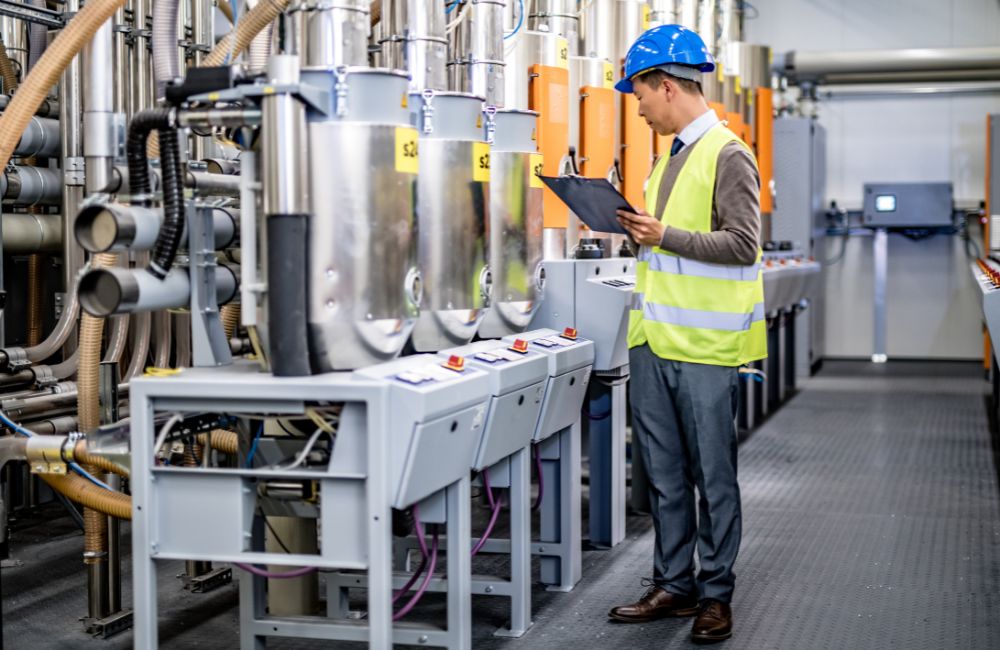
These industrial sensors help to ensure smooth production processes and operations, reduce downtime, and enhance workplace safety. SCMA offers a wide range of high-quality sensors suitable for various industrial applications, equipped with technologies that truly elevate industries into the 4.0 era. If you are interested in premium quality sensors from leading brands such as ifm, feel free to contact SCMA, the sole authorized distributor in Thailand.