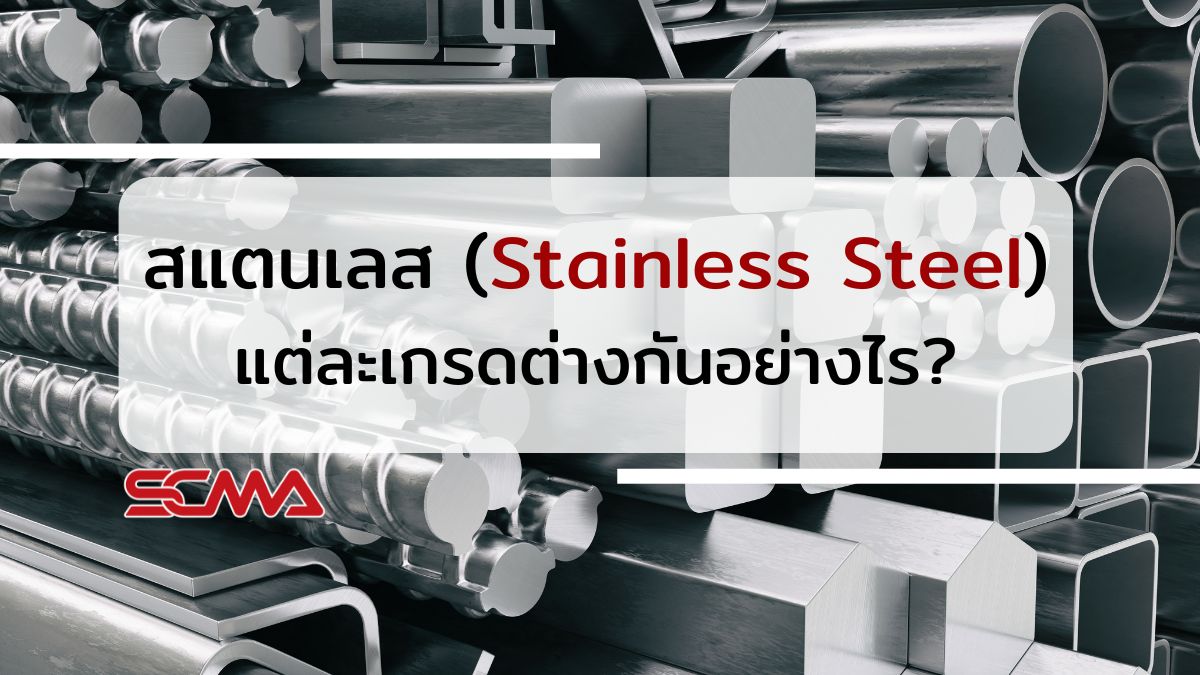
Stainless Steel is a material that is widely chosen for use in various industries and applications, both large and small. It offers strength, durability, and excellent resistance to wear and tear, which explains its widespread popularity. Additionally, there are different grades of stainless steel available to suit specific types of work. SCMA would like to introduce everyone to Stainless Steel with an article titled "What Are the Differences Between Each Grade of Stainless Steel?"
What is Stainless Steel?
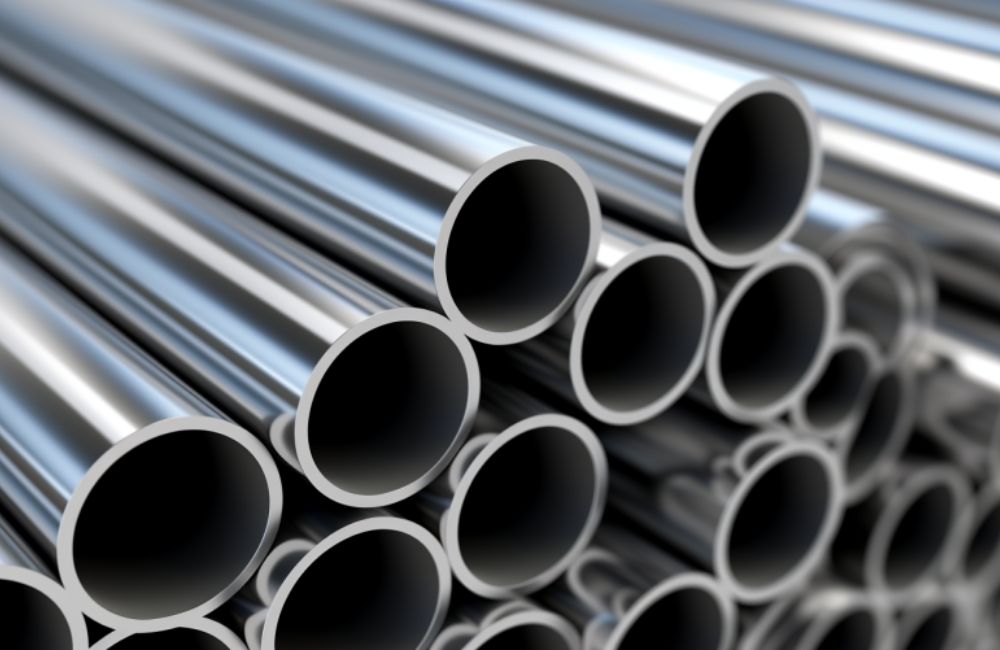
Stainless Steel is primarily made from iron and carbon, with the addition of chromium (Cr) and other elements such as nickel (Ni). This composition gives it exceptional corrosion resistance. When chromium is added to iron, a chromium oxide layer forms on the surface which acts as a protective barrier against air and moisture that could cause rust in ordinary steel. The amount of chromium ranges from 10.5% to 30%, depending on the intended use or environment. Here are some grades of stainless steel commonly used in industrial applications.
Varieties of Stainless Steel Grades Used in Industry
Stainless Steel Grade 304
Grade 304 stainless steel has a basic composition of chromium and nickel, making it suitable for various architectural applications. It consists of approximately 18% chromium and 8% nickel, sometimes referred to as 18-8 stainless steel. This grade is non-magnetic and cannot be hardened by heat treatment. It is versatile in use, easy to form, and highly resistant to corrosion.
Properties and Benefits of Stainless Steel Grade 304
Impact resistance - The microstructure of stainless steel grade 304 is very tough, making these steels ideal for applications requiring durability in various environments.
Corrosion resistance - Grade 304 stainless steel is widely used in hospitals and food processing. It resists a wide range of organic chemicals, dyes, and solvents except under highly corrosive conditions with high temperatures and concentrations of acids and chlorides. Low-carbon grade 304L (carbon content less than 0.08%) resists nitric acid and sulfuric acid at moderate temperatures and concentrations.
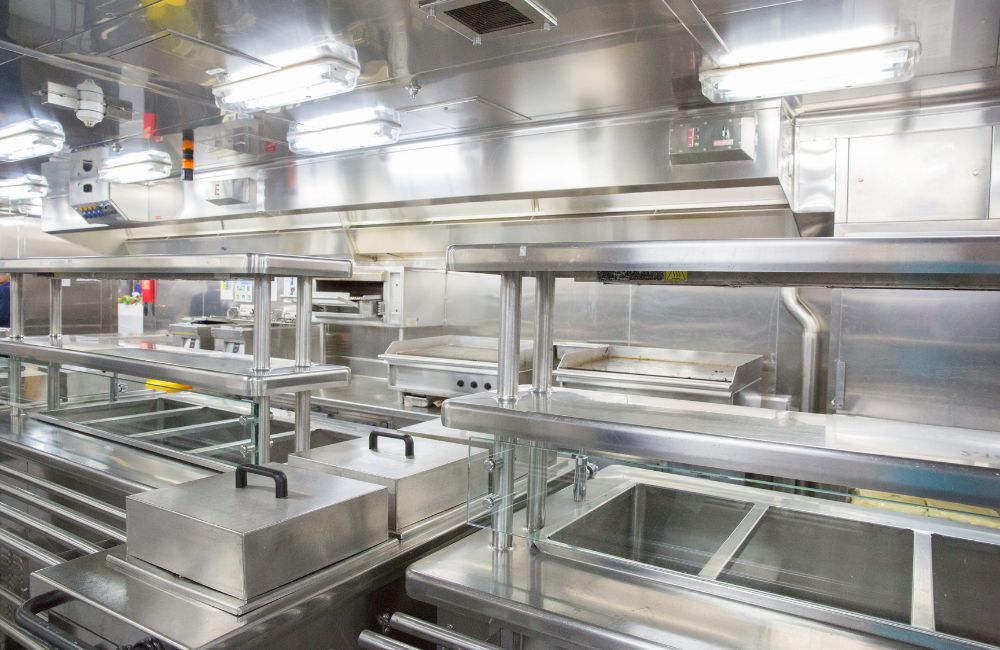
Hygienic - The hard metal surface of stainless steel makes it difficult for bacteria to adhere and survive, making it an easy-to-clean material suitable for strict hygiene conditions. It is commonly used in kitchen sinks because it can maintain cleanliness and resist harsh chemicals better than aluminum or laminate plastic.
Stainless Steel Grades 316 and 316L
Alloys are often added to steel to enhance its properties. Marine-grade stainless steel, known as grade 316, is highly resistant to certain corrosive environments.Grade 316 stainless steel comes in various types, including the L, F, N, and H variants. Each type has slight differences and serves different purposes.
Quality of Grade 316 and 316L Stainless Steel
Grade 316 and 316L stainless steel are commonly found in general food industries, with excellent corrosion resistance and strength to withstand high-temperature environments.
Differences Between Grade 316 and 316L Stainless Steel
In grade 316, there is more carbon than in 316L, which is easy to remember as the L stands for low. Despite having less carbon, 316L is similar to 316 in almost every aspect, with comparable prices and corrosion resistance, making it a good choice for high-stress applications.
However, 316L is a better option for work that requires extensive welding because the welds of 316 are not as durable compared to those of 316L (internal corrosion can occur in the welds). If 316 is used for welding, it can be annealed to reduce the degradation of the weld line. Stainless steel grade 316L is also excellent for high-temperature and high-corrosion applications, which is why it is popular for construction and marine structural work.
Properties of Grade 316 Stainless Steel
Grade 316 stainless steel is highly effective in acidic environments. This grade has excellent resistance to corrosion from sulfuric, hydrochloric, acetic, formic and tartaric acids as well as sulfates and chloride alkalies.
Common Uses of Grade 316 Stainless Steel
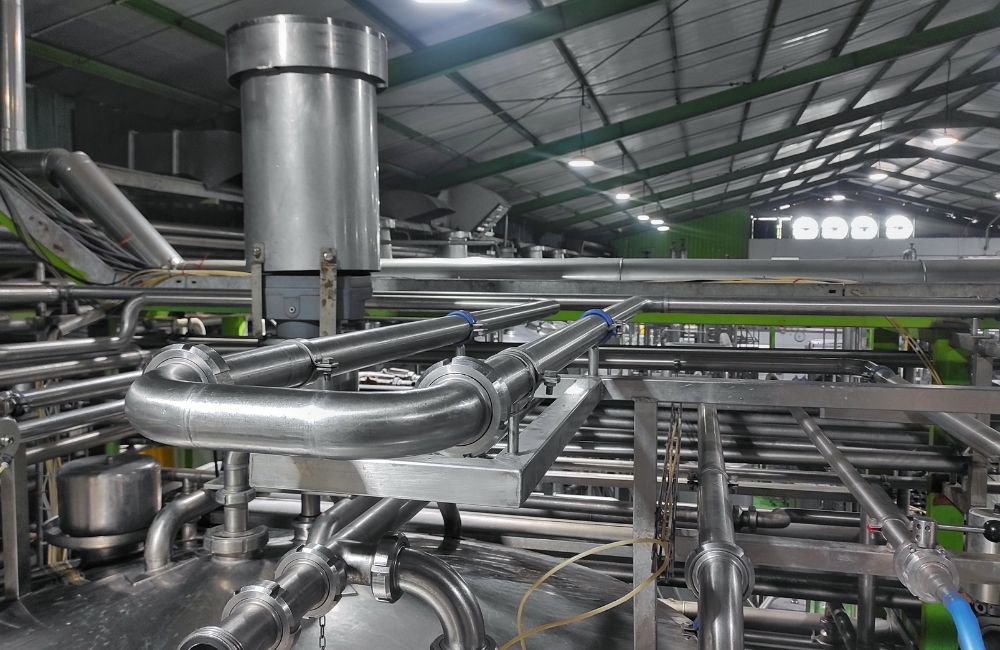
Common uses for grade 316 stainless steel include construction, exhaust piping components, furnace parts, heat exchangers, jet engine parts, pharmaceutical and photographic equipment, valve and pump parts, chemical processing equipment, tanks and evaporators. It is also used in paper and textile processing equipment and for parts that come into contact with marine environments as well as applications requiring high-temperature resistance such as thermocouple sheaths.
Quality of Grade 316L Stainless Steel
The lower carbon content in grade 316L helps reduce the formation of harmful carbide deposits (carbon is drawn out of the metal and reacts with chromium due to heat, reducing corrosion resistance) caused by welding. Therefore, 316L is used when welding is required to ensure maximum corrosion resistance.
Grade 446 Stainless Steel
For grade 446 stainless steel, it is a heat-resistant ferritic chromium stainless steel with excellent oxidation and sulfide corrosion resistance. This grade is typically used in high-temperature applications between 815 - 1148 °C as the only heat-resistant stainless steel that can withstand molten copper, tin, and brass. Similarly, this grade of high-chromium ferritic stainless steel also resists fracture at temperatures up to 473°C; therefore, it is not recommended for use in the temperature range of 371-537°C.
Properties of Grade 446 Stainless Steel
Grade 446 stainless steel has excellent corrosion resistance in many industries and can withstand oxidation at high temperatures up to 1,093°C. It also offers good resistance to sulfide stress cracking and performs well against organic acid chlorides and molten copper. However, this grade of stainless steel cannot be hardened by heat treatment.

The unique properties of each grade of stainless steel make it an efficient material to choose from, offering a cost-effective option due to its long service life and suitability for various industrial applications. It is definitely worth the investment throughout its usage.